The difference between comfort and authenticity—and why the market gets it backwards.
The Fake Definition of Luxury
Most luxury Nepal tours are packaged the same way. A five-star hotel in Kathmandu. Private guides. Upgraded lodges along the trekking route. Gourmet meals. Maybe a helicopter flight to see Everest. The price reflects these visible upgrades, and travellers expect that luxury means comfort.
But comfort isn't a rarity. Every operator in Nepal can book a nice hotel in Namche Bazaar or Pokhara. Every operator can hire guides and arrange meals. The infrastructure is the same. The mountains are the same. The routes are identical.
So why do two luxury Nepal tours on the same trail cost $5,000 and $12,000?
Real luxury isn't what you see when you arrive at the lodge. It's what happens before you leave your home. And most travellers—and most operators—don't understand this distinction.
Authentic luxury in Nepal has nothing to do with thread count or dining views. It has to do with control, consistency, and what doesn't go wrong. And that kind of luxury is invisible.
What Most Operators Miss: Nepal Isn't Just About Trekking
Here's where the market gets it dangerously wrong.
Most luxury tour companies position Nepal as a trekking destination. Everest Base Camp. Annapurna Circuit. These are the defaults. So their entire story revolves around mountains, altitude, lodge quality, and guide certifications.
But Nepal isn't a mountain destination that happens to have culture. Nepal is a country of layered, interconnected experiences where mountains are one thread in a much richer tapestry.
Think about what actually defines Nepal:
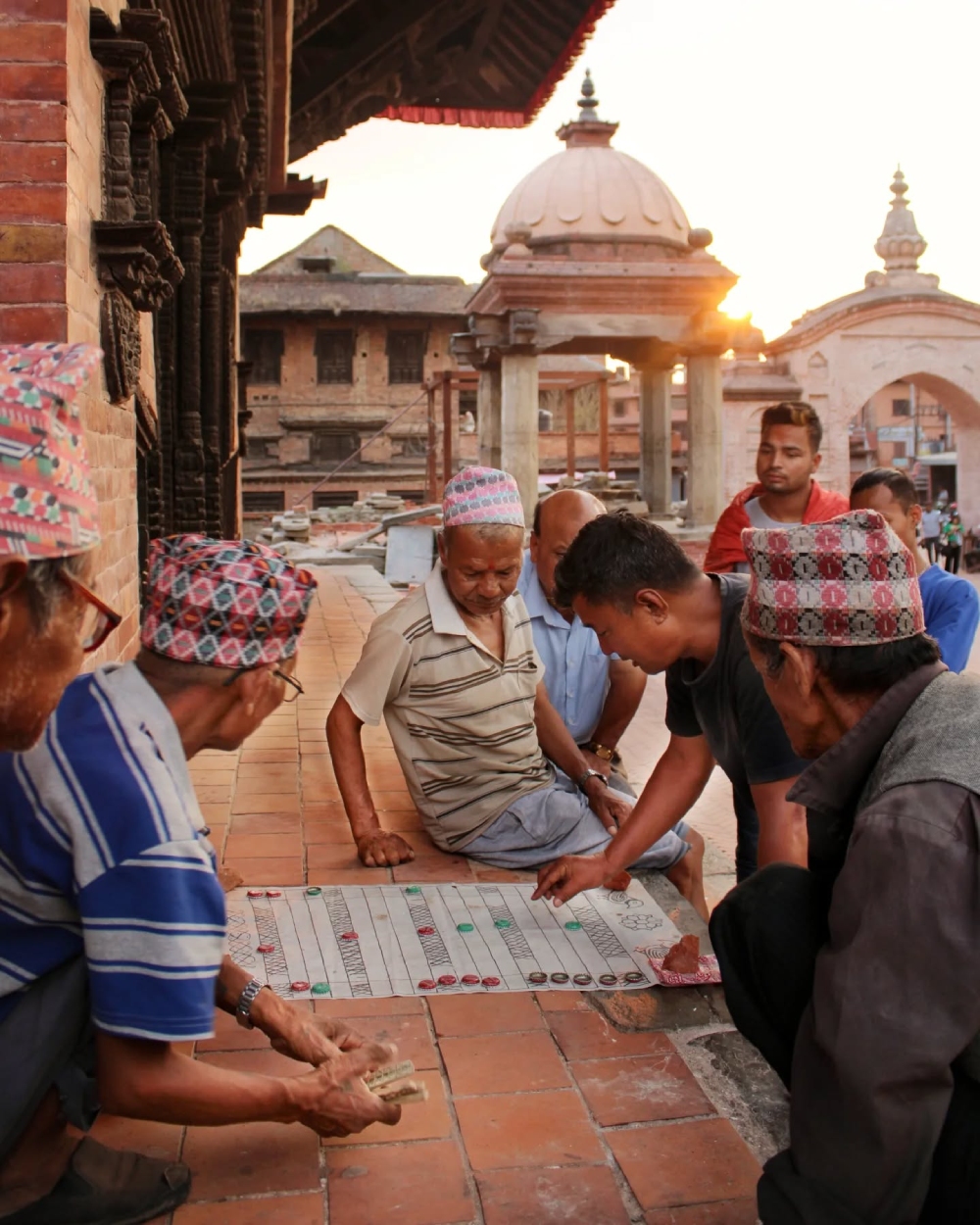
Kathmandu Valley isn't a checkpoint between the airport and trekking. It's a valley of temples—Pashupatinath, Boudhanath, Patan Durbar Square—built on centuries of Newari architecture and spiritual practice. Walking through Bhaktapur isn't sightseeing. You're moving through a preserved medieval city where daily life happens in courtyards built four centuries ago. Eating floor-style at a Newar family home in Kirtipur—sitting on a mattress over a chakati, eating Newari dishes prepared by hands that have made them the same way for generations—this is luxury of a different order than a helicopter ride.
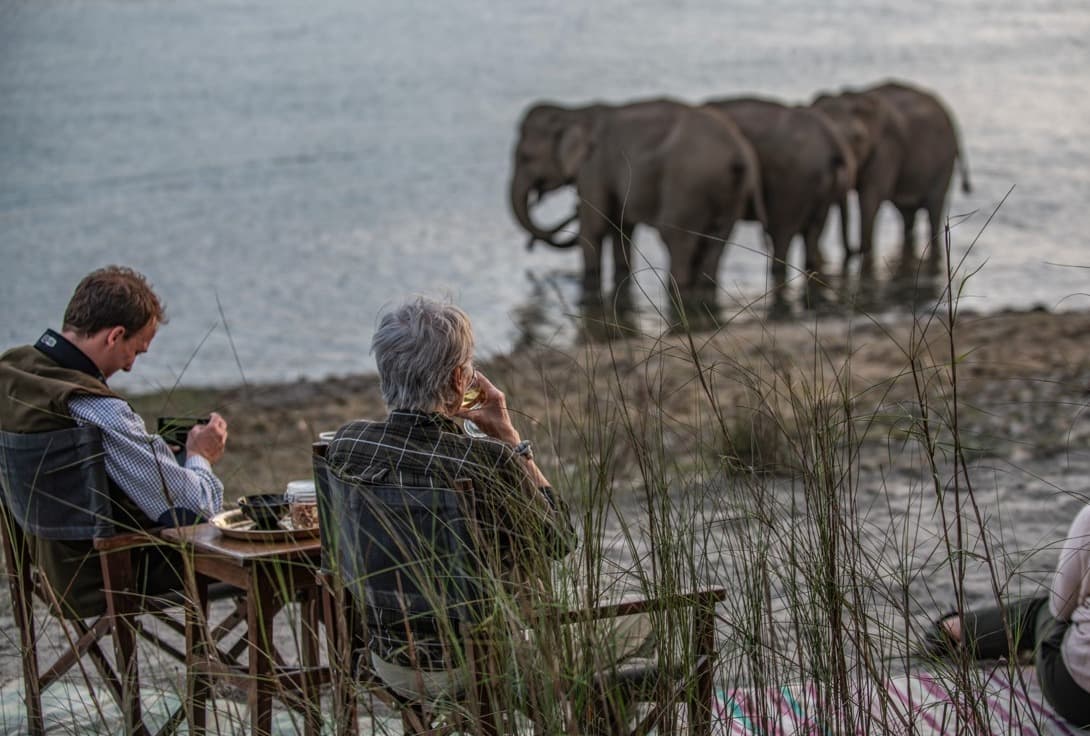
Chitwan National Park is where you spot Bengal tigers and one-horned rhinos. But what most operators miss is that Chitwan is also where you understand human-wildlife coexistence. The Tharu people have lived in these jungles for centuries, alongside the very animals you're there to see. Their survival strategies, their adaptation to that ecosystem, their relationship with the wild—that's the real story. A jungle safari is incomplete without understanding the Tharu villages, their culture, and how they've built lives in a landscape most people would find uninhabitable.
Lumbini is more than a pilgrimage site. It's where you trace the actual life of Buddha—birthplace, enlightenment, death. Each location adds a thread to understanding centuries of spiritual history that shaped Buddhism across Asia.
Pokhara's Fewa Lake isn't a checkbox. An early morning boating experience, watching mist rise off the water with the Annapurna range emerging behind it, isn't about the activity. It's about stillness. About the experience of waking before the chaos begins.
Annapurna Heritage Trail is a trek, yes. But it's trekking through inhabited valleys where you're not passing through landscape—you're moving through communities' daily lives. The difference is presence. Are you walking to reach a destination? Or are you walking to understand a place?
Upper Mustang by jeep and foot is mysticism made accessible. Marpha village with its apple orchards and whitewashed stone. Jhong monastery. The Bon Buddhist villages, like Lubra where ancient spiritual practices persist. These aren't destinations. They're doorways into how humans have organised meaning and survival in extreme environments.
This is what luxury actually looks like in Nepal. It's not about summits or exclusive lodges. It's about understanding place through geography, culture, history, and human connection.
And most operators don't do this. They stick to the mountains because mountains are easy to market. We market mountains because you asked for them. But we build something different.
Luxury in the Mountains is Built on Logistics
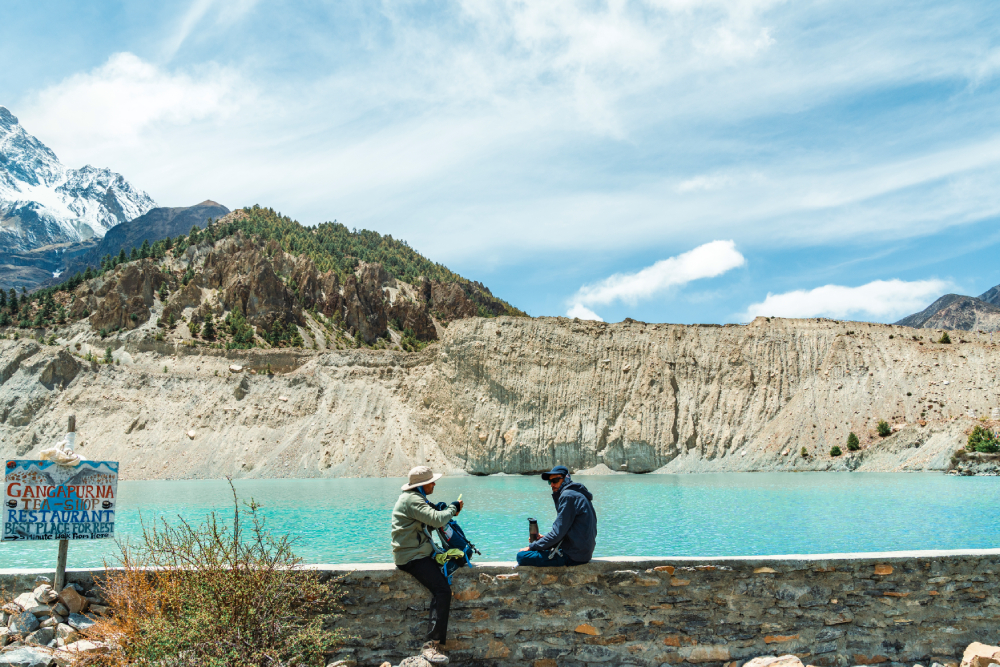
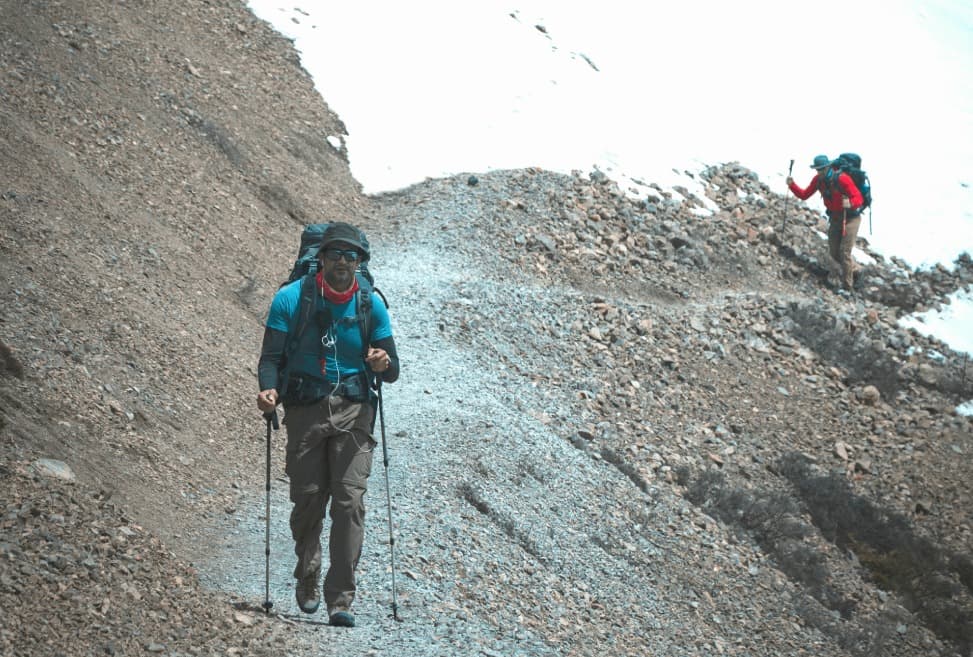
When you trek at altitude—whether Everest at 17,000 feet or Annapurna at 13,000 feet—your mind is already overwhelmed. The air is thinner. Your body is working harder. Sleep is lighter. Decision-making becomes harder. Energy is precious.
In this state, the most valuable thing an operator can give you is predictability. Not because predictability is comfortable, but because it removes the mental load of managing variables.
This is where luxury reveals itself.
A typical luxury Nepal tour operator optimises for visible amenities. They book the best lodges, source premium meals, and hire experienced guides. All good. But they don't control what happens when schedules slip. They don't have backup plans when weather delays the trek. They don't have staff waiting in Namche for medical emergencies. They don't plan for acclimatisation with the precision that prevents altitude sickness. They don't integrate wellness into trekking—they add optional yoga sessions to the itinerary.
Why? Because contingency planning costs more. It requires extra staff. It requires pre-positioning resources. It requires advance decisions and flexibility built into the itinerary. And it doesn't show up in marketing materials or lodge photos.
But it's what separates a trek that feels controlled and safe from a trek that feels managed-as-you-go.
At Everest Luxury Holidays, we design luxury around this insight. Our trekking philosophy isn't about finding the most beautiful lodge in Deboche or Dhampus. It's about ensuring that when you arrive in Deboche, every variable has been anticipated. The room is reserved. The food is secured. The guides have been briefed. The pace has been planned.
Because in the mountains, logistics is a luxury.
But equally, we understand that trekking isn't separate from Nepal. When we bring you to Chitwan, we're not just offering wildlife safaris. We're integrating you into the community, the ecosystem, the actual experience of how people live there. When we design the Signature Nepal Tour—moving from Kathmandu's temples to Chitwan's jungles to Annapurna's foothills to Pokhara's lakes—we're creating a coherent narrative about understanding Nepal, not just visiting its famous places.
The Guide as the Real Luxury Element
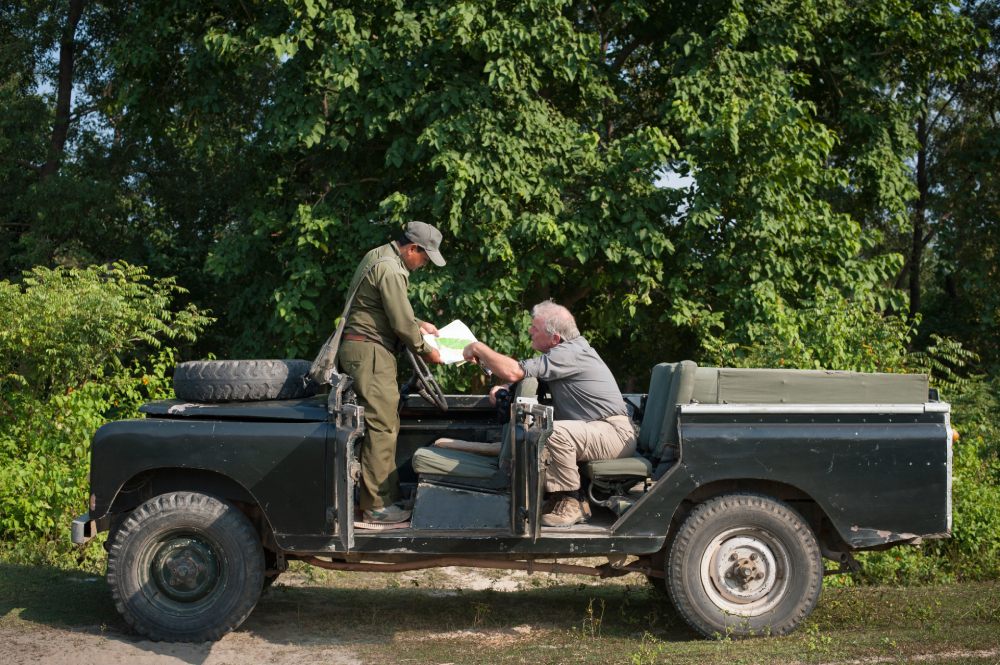
If you want to understand what separates luxury Nepal tours, stop looking at hotels. Start looking at guides.
Most luxury operators hire experienced guides. Same certification. Same experience levels. Same training. But they're interchangeable. They're treated as a service commodity—deliver the client from Point A to Point B, provide information, keep them safe.
A luxury guide is something different entirely.
A luxury guide is selected on two criteria: skill and character. Technical ability matters—high-altitude experience, route knowledge, safety training. But there's another dimension: cultural literacy. Can this guide explain Newari architecture? Do they have relationships with Tharu families in Chitwan? Have they meditated with monks, not just visited monasteries? Can they facilitate authentic cultural connection, or are they trained only in mountain logistics?
This is the difference between a guide who gets you safely up a mountain and a guide who teaches you how to read a place.
Most luxury operators don't select guides this way. They hire qualified guides and send them out. They don't invest in guides who are cultural translators. They don't build relationships with guides over the years. They use seasonally available, certified professionals.
We hire guides we've worked with for years. Some are high-altitude specialists for Everest treks. Others are cultural guides for Kathmandu Valley, Chitwan, and Lumbini. Some are both. We brief them extensively on each client before the trek starts. We give them decision authority—they don't need to check with operations when the weather changes or the group needs to slow down. They lead, and they lead with emotional intelligence and cultural knowledge.
A guide like this changes the entire experience. Not because of better information or sharper logistics, but because of presence, attention, and understanding. That's what costs more. And that's what creates the moments people remember years later.
Authentic Luxury Means Staying Inside the Destination
There's a subtlety in luxury Nepal tours that most operators miss: the difference between comfort that enhances an experience and comfort that insulates you from it.
Many luxury tour operators optimise for insulation. They choose lodges far from villages. They arrange private dining. They structure the trekking experience to minimise friction and discomfort. The goal is to make the Himalayas feel easy. The goal is to make Kathmandu feel safe and controlled.
But that's not authentic luxury. That's just expensive.
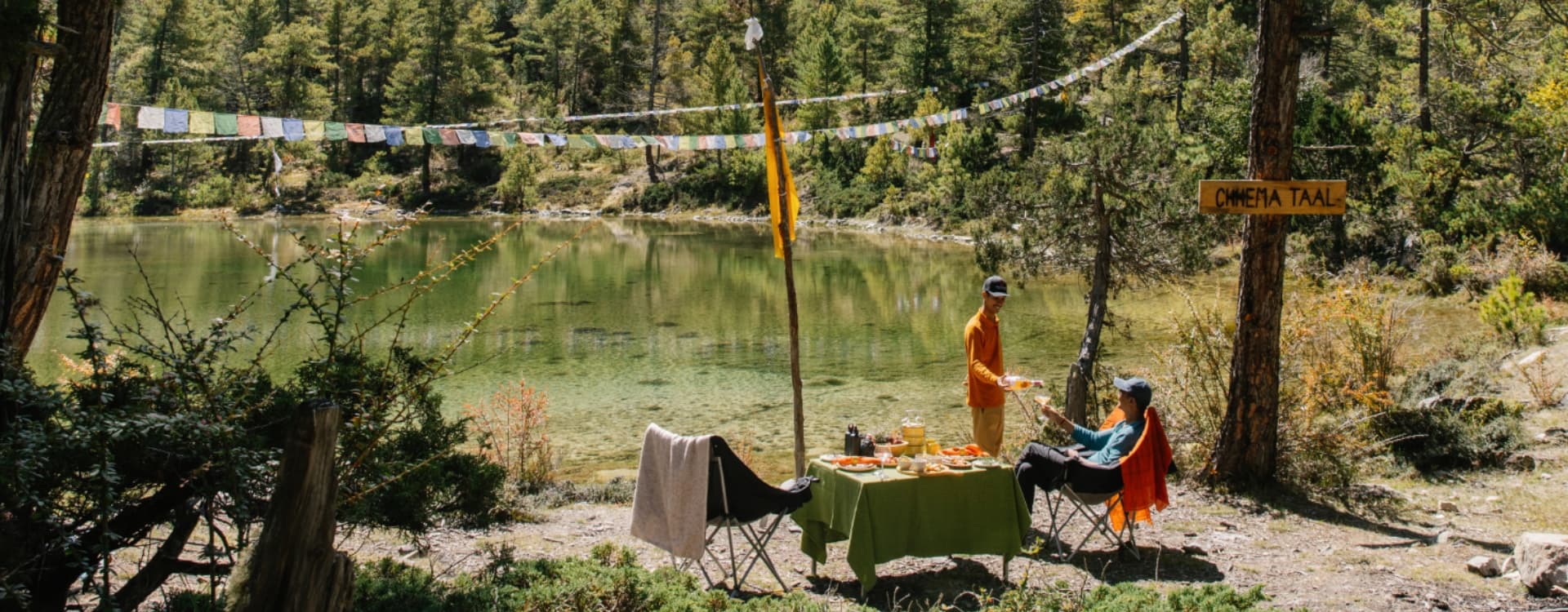
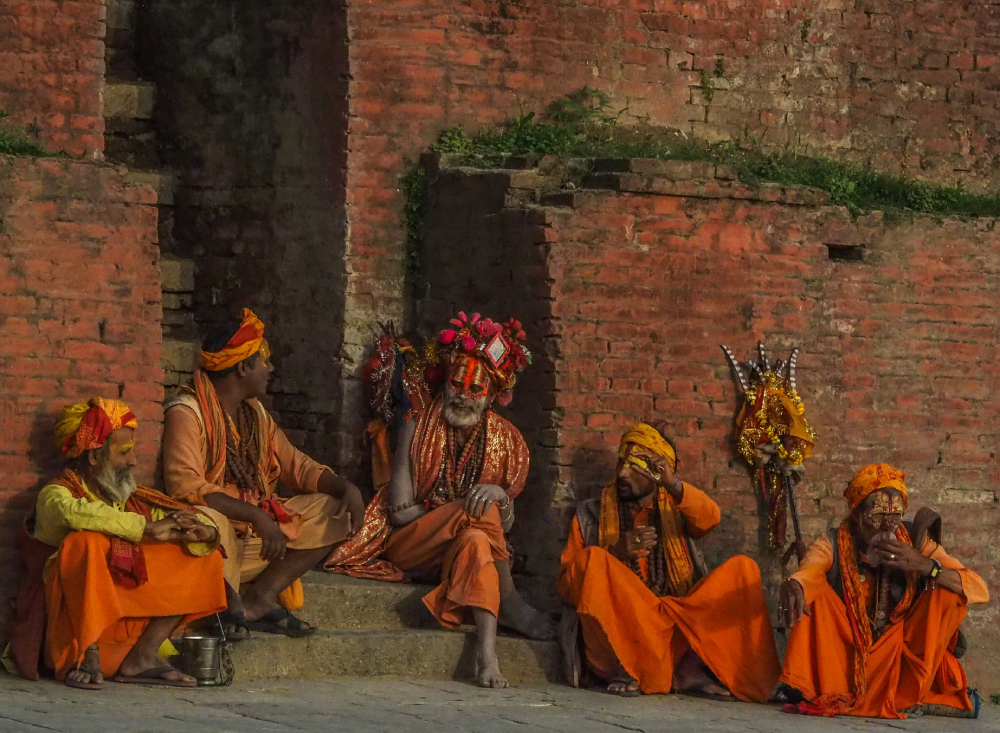
Authentic luxury in Nepal means being placed inside the destination—not shielded from it. It means walking through real villages where people live, not performing villages arranged for tourists. It means eating where locals eat, in simple village lodges, because that's where the best food and real cultural connection happen. It means sitting with monks who don't know you're coming, in actual monastery sessions, not scheduled tours for visitors. It means understanding Bhaktapur's medieval architecture by moving through its streets slowly, noticing how houses connect to courtyards, how water flows, and how communities organised themselves centuries ago.
And then—and this is the luxury part—it means you're supported in doing this. You have a guide who knows the monks. A guide who understands Newari culture because they grew up with it. A porter who can navigate real village life. A system that handles logistics so you don't have to think about where your next meal comes from. You're inside the experience, but you're also held by structure.
This is why our signature treks include experiences like private blessings at Tengboche Monastery (outside peak hours), meals in Sherpa family homes, and acclimatisation walks through villages where the guide has genuine relationships. These aren't added experiences—they're core to how we design luxury. Because they're the moments that stay with you.
Similarly, when we design a Kathmandu Valley experience, we're not rushing you through temples. We're sitting you in Patan with someone who understands Newari architecture. We're having you participate in pottery with actual potters, not tourist demonstrations. We're placing you in Bhaktapur's streets at times when locals are moving through them, not during peak visitor hours.
And they only work if the logistics are flawless. If you're stressed about where your luggage is, you can't be present in a monastery. If you're worried about your next meal, you can't connect with a Tharu family or a Newari household. Luxury is the framework that holds authenticity in place.
Wellness Integration is Operational, Not Cosmetic
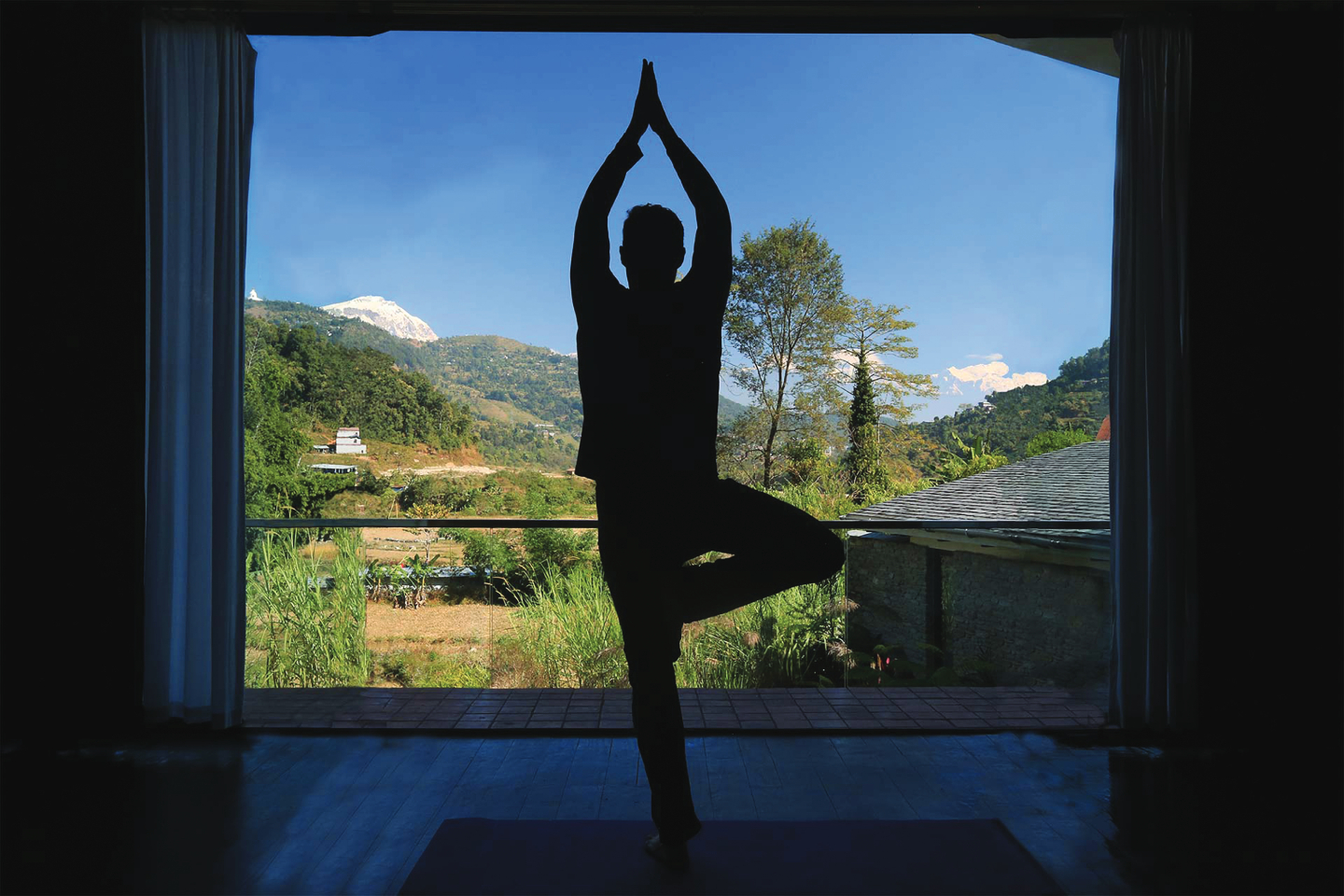
Luxury Nepal tour companies often add wellness elements—yoga sessions, meditation classes, spa treatments. These are nice. But they're add-ons. They don't change how the trek is structured. They don't change how the entire Nepal journey is conceived.
Real wellness integration is different. It starts with the question: How do we prepare the mind and body not just for high altitude, but for deep cultural immersion and profound place connection?
This changes everything.
At Everest Luxury Holidays, our wellness approach is built into the design itself. We plan extra nights in key acclimatisation stops. We design acclimatisation walks that are also deeply meditative—moving slowly through villages, observing daily life, creating mental space. We brief guides on how to watch for altitude-related mental fatigue (not just physical fatigue).
But wellness isn't separate from trekking. And it's not separate from cultural immersion.
When you spend a dawn boating experience on Fewa Lake in Pokhara, you're not doing tourism. You're experiencing stillness. That's wellness. When you sit in a pottery workshop in Patan, learning techniques from someone whose family has done this for generations, you're not on a cultural tour. You're experiencing presence. That's wellness. When you trek through Annapurna heritage villages without rushing—moving at a pace that lets you notice architecture, daily life, the way communities have organised themselves—that's wellness too.
We structure meals and rest around supporting the body's adaptation to different elevations and environments. We include actual wellness practices—meditation sessions in Namche with views of Everest, yoga in Dhampus with the Annapurna range as your backdrop, and traditional Tibetan healing consultations in Mustang with an 11th-generation Amchi.
But these aren't added to the itinerary. They're woven through it. The trekking itself becomes the wellness practice. Moving through the landscape with intention. Connecting with places and people with presence. Resting deeply because you've been genuinely engaged.
This requires different staffing, different timing, and different planning. It costs more. But the result is a trek where wellness isn't separate from the mountain experience—it's woven through everything. The wellness journey, the cultural journey, and the trekking journey are one coherent experience.
Why Luxury Nepal Tours Cost More: The Real Breakdown
If you're comparing a $5,000 luxury trek to a $12,000 luxury trek on the same route, here's where the difference lives:
Staffing Ratios: A lower-cost luxury trek uses one guide and shared porters. A high-end luxury trek dedicates guides and porters to smaller groups, with reserve staff in key locations. But additionally, we have guides who are cultural specialists, not just mountain guides. This deeper expertise costs more.
Pre-Planning: High-end operators secure lodges months in advance, pre-position equipment, and brief guides extensively on cultural and logistical details. Low-cost operators book as they go. Detailed planning costs more.
Contingency Systems: Backup helicopter access, medical equipment, redundant logistics. These systems rarely get used. They cost money anyway.
Acclimatisation Strategy: Extra nights in acclimatisation stops (Namche, Deboche, Dhampus). Guided acclimatisation walks. These extend the trek but require more lodging and staffing.
Wellness Integration: Meditation sessions, careful attention to mental fatigue, integrated yoga, wellness consultations. This requires specific guide training and scheduling.
Meal Quality and Sourcing: High-end operators work with lodge kitchens to secure premium ingredients. They plan menus in advance based on your needs and preferences. Standard operators eat what's available locally.
Guide Selection and Training: We work with guides for years, not seasons. We invest in guides who understand both mountains and culture. We pay more for continuity. We train guides on altitude psychology, group dynamics, cultural facilitation, and communication.
Nepal Literacy: We design itineraries that reflect an actual understanding of Nepal's regions. A Signature Nepal Tour that moves from Kathmandu's temples to Chitwan's ecosystems to Annapurna's heritage villages to Pokhara's lakes costs more because it requires deeper planning and more specialised guides. Single-region focus is simpler and cheaper.
When you book a luxury Nepal tour at the higher end of the range, you're not paying for fancy hotels—you're paying for the infrastructure that makes the entire experience feel effortless and meaningful.
How to Choose Your Luxury Nepal Tour
The question isn't "which luxury trek is cheapest." It's "which operator actually understands Nepal and can place me inside it?"
Ask these questions:
Does this operator understand Nepal beyond the mountains?
-
Do they offer integrated itineraries (Kathmandu + Chitwan + Trekking)?
-
Can they explain Newari architecture, not just mountain facts?
-
Do they have guides who are cultural specialists, not just mountain guides?
How are guides selected?
-
Are they permanent staff with continuity, or seasonal contractors?
-
Do guides get training in cultural facilitation, not just altitude medicine?
-
Can the operator match you with a specific guide before the trek?
How is wellness integrated?
-
Are the optional sessions added to the itinerary or woven through the design?
-
Does the operator understand wellness as cultural presence, not just yoga?
What's the acclimatisation strategy?
-
Are extra nights built into the itinerary at key stops?
-
Can the guide adjust pace based on individual needs without restrictions?
How transparent is pricing?
-
Can they explain what costs more and why?
-
Are all costs included, or are there hidden daily charges?
Do they understand the full Nepal experience?
-
Kathmandu Valley (temples, architecture, Newari culture)?
-
Chitwan (wildlife + human-ecosystem integration)?
-
Trekking regions (cultural villages + mountain experience)?
-
Wellness and stillness woven throughout?
If an operator can answer these questions with specific examples and genuine knowledge—not marketing speak—you've found someone who actually understands what luxury means in Nepal.
The Everest Luxury Holidays Approach for Luxury Nepal Tours
We design luxury Nepal tours around a single principle: a deep understanding of place, combined with operational excellence, enabled by guides who are both specialists and cultural translators.
This means:
-
Integrated itineraries that show you multiple Nepals: temple valleys, wildlife ecosystems, trekking villages, sacred sites, urban culture
-
Guides selected for character and cultural knowledge, not just credentials
-
Logistics planned in advance, not managed as-you-go
-
Wellness is integrated into the entire journey, not added as an option
-
All-inclusive pricing that removes decision fatigue
-
Placement inside authentic experiences, held by exceptional support
-
Deep knowledge of Nepal's regions is reflected in every itinerary
Our Signature Nepal Tour is the best example: it moves from Kathmandu's temples to Chitwan's jungles to Annapurna's foothills to Pokhara's lakes. Each region is treated not as a destination but as a place to understand. Each guide is selected for their expertise and connection to that region.
If this resonates, we'd like to show you what the difference feels like.
Ready to Experience Nepal Differently?
Luxury Nepal tours aren't about what's visible. They're about what's planned, understood, and guided. Learn how we design our signature itineraries—or check out our guide approach to see how the people matter most.
Want to understand the full breakdown?