
Everest Sherpa Heritage Trail
- Instant Booking
- Secure Payments
- No Hidden Costs
- DestinationNepal
- Duration9 days
- Trip DifficultyPahad (Moderate)
- ActivityAdventure Luxury
- Max.altitude3880m.
- VehicleLuxury Air and Land Transfer
- Group SizeMax. 10 Pax
Trip Overview
Trip Highlights
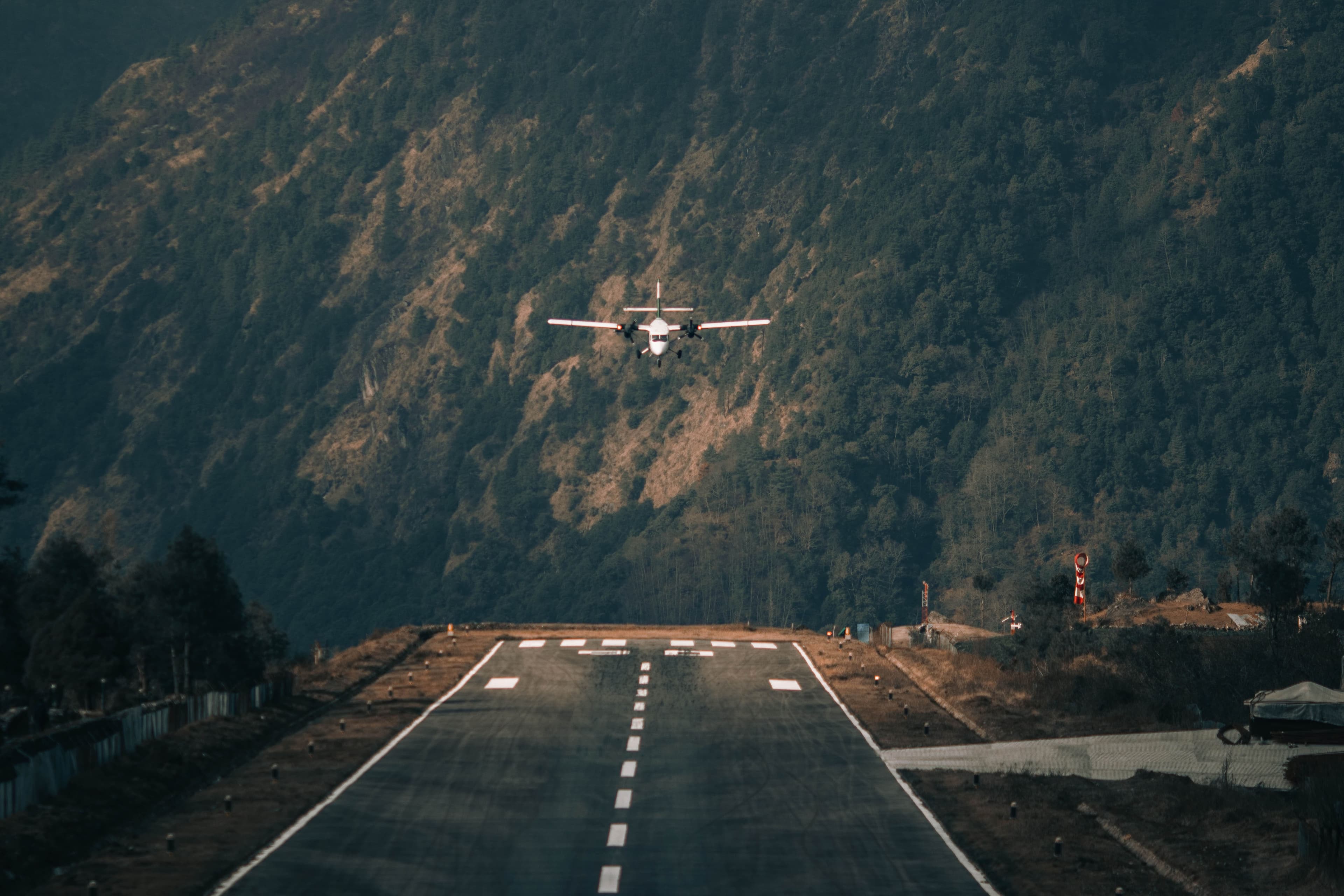
- Land at Lukla's technically demanding runway and understand immediately why Sherpas command respect in mountaineering
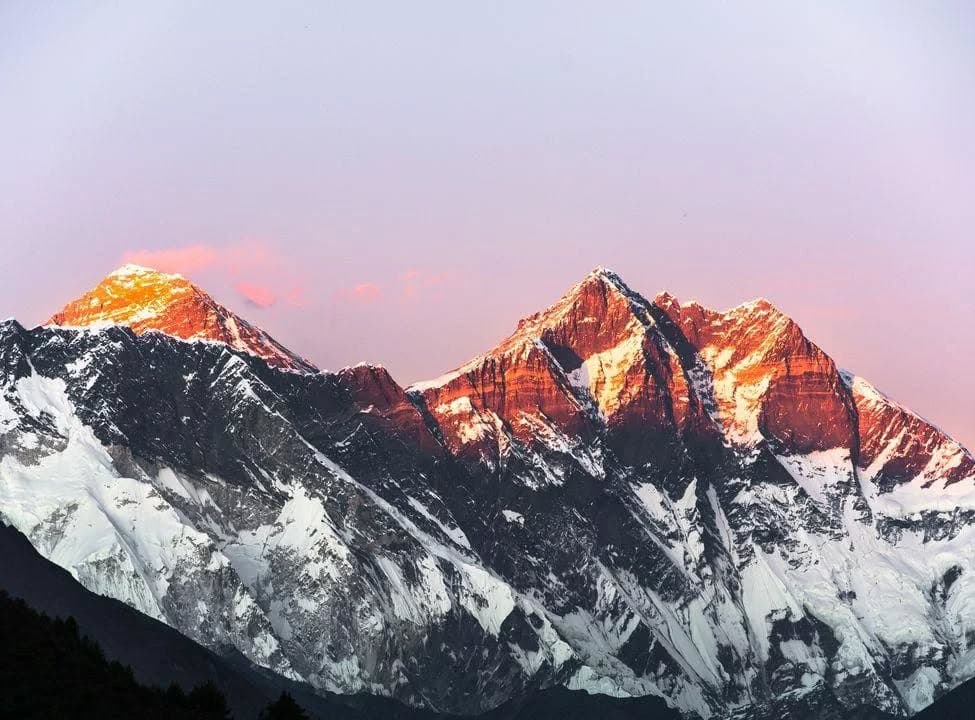
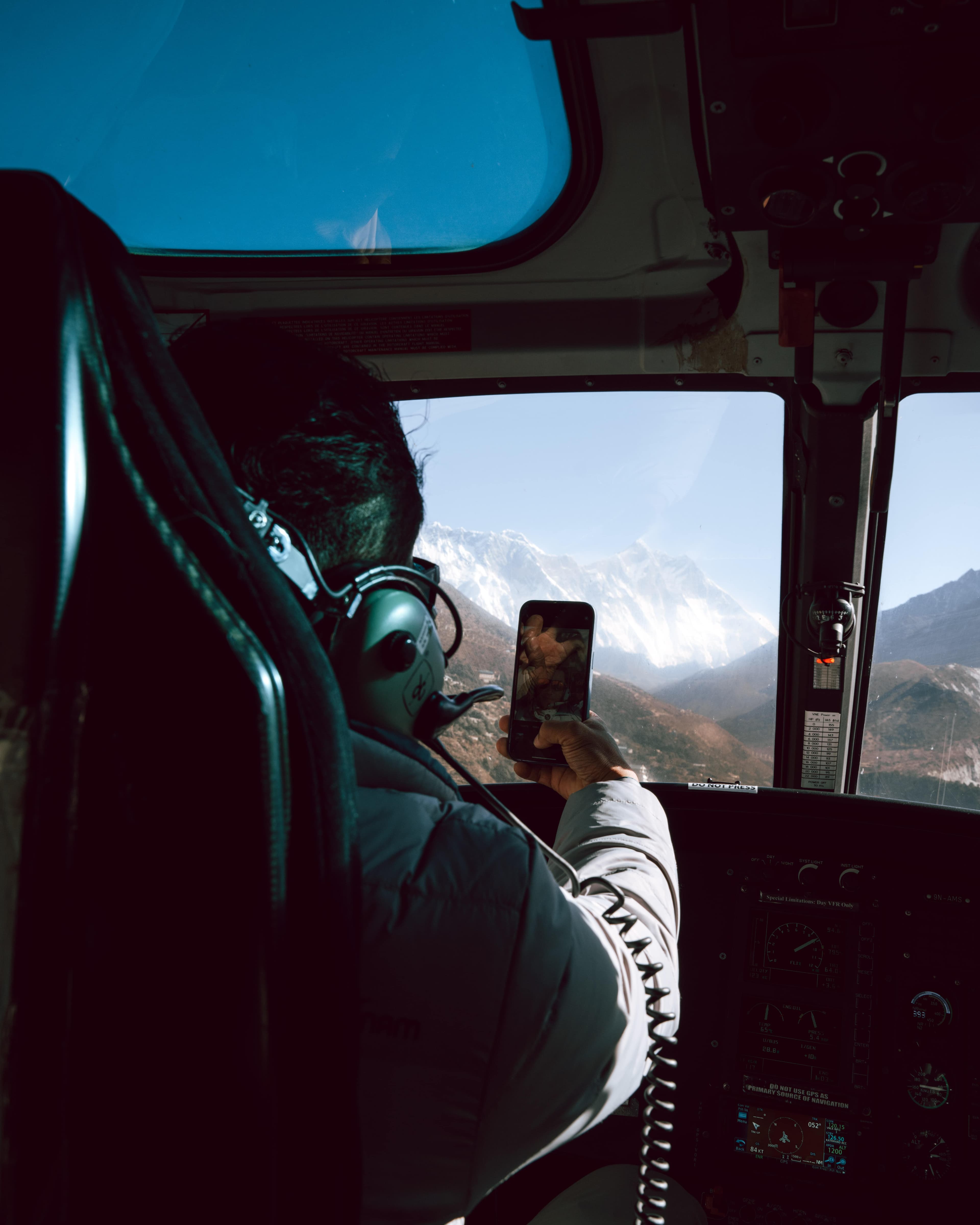
- Stay at Hotel Everest View—the world's highest-altitude hotel—where sunrise over Mount Everest becomes part of your morning ritual, visible from your room
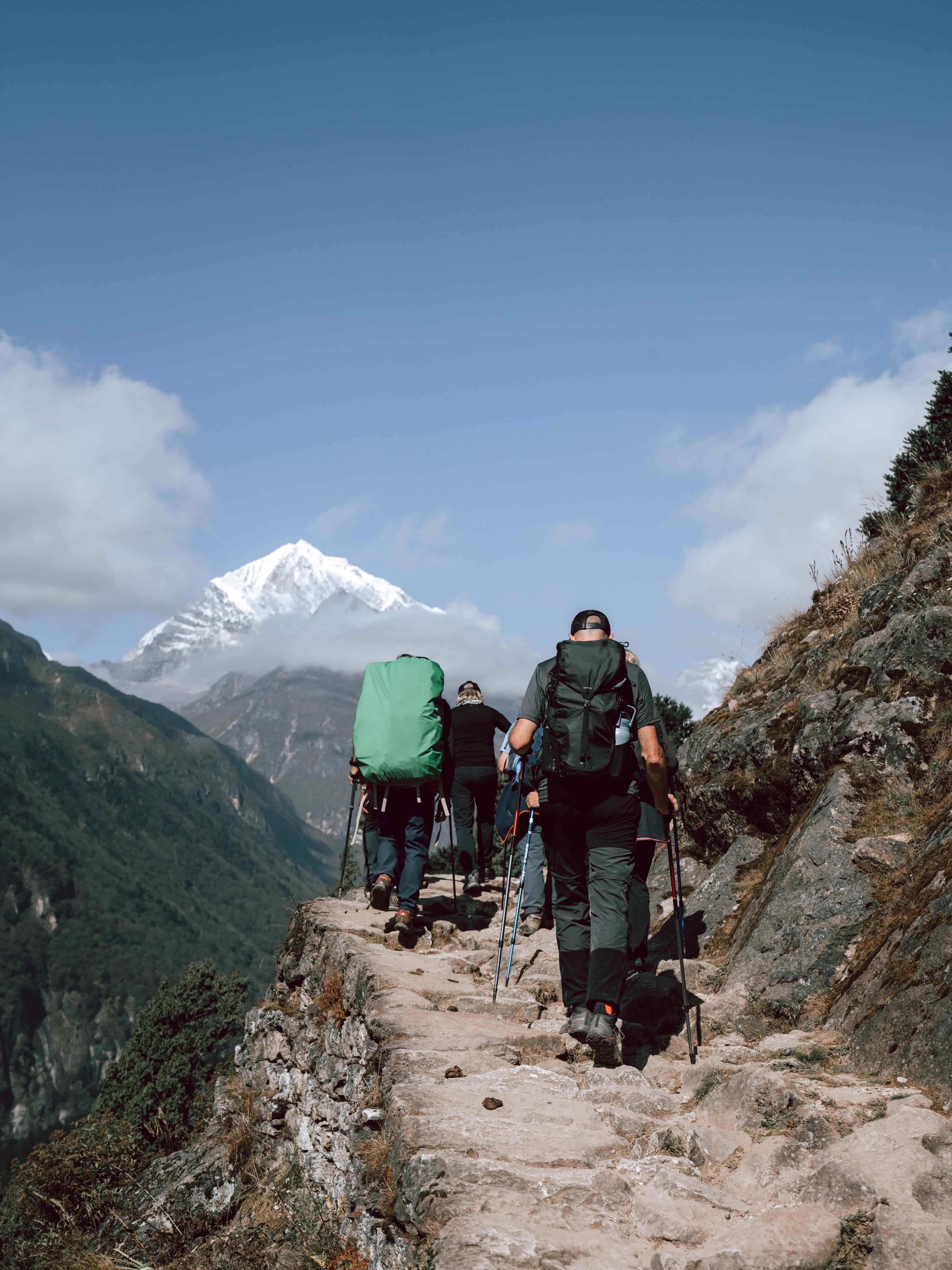
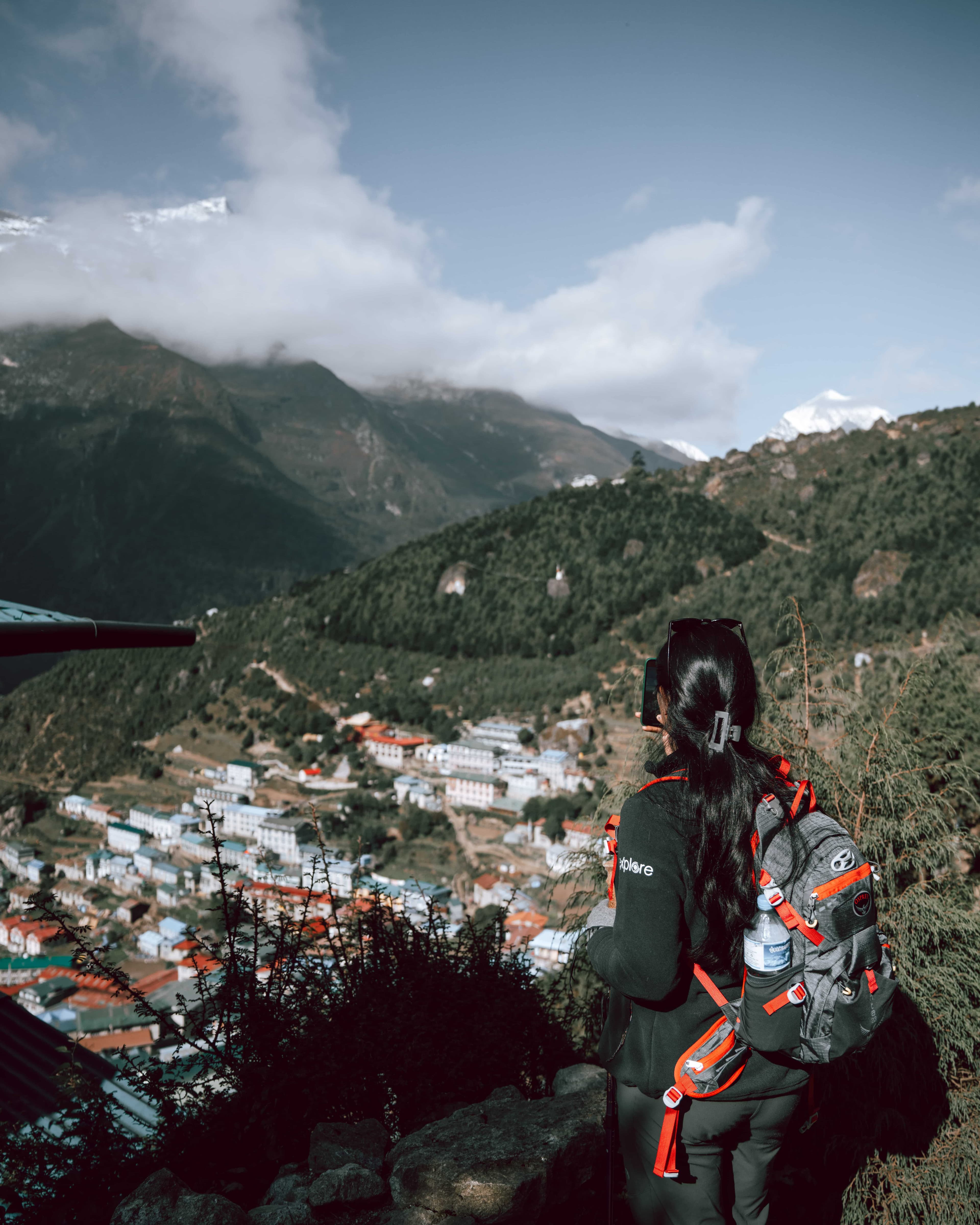
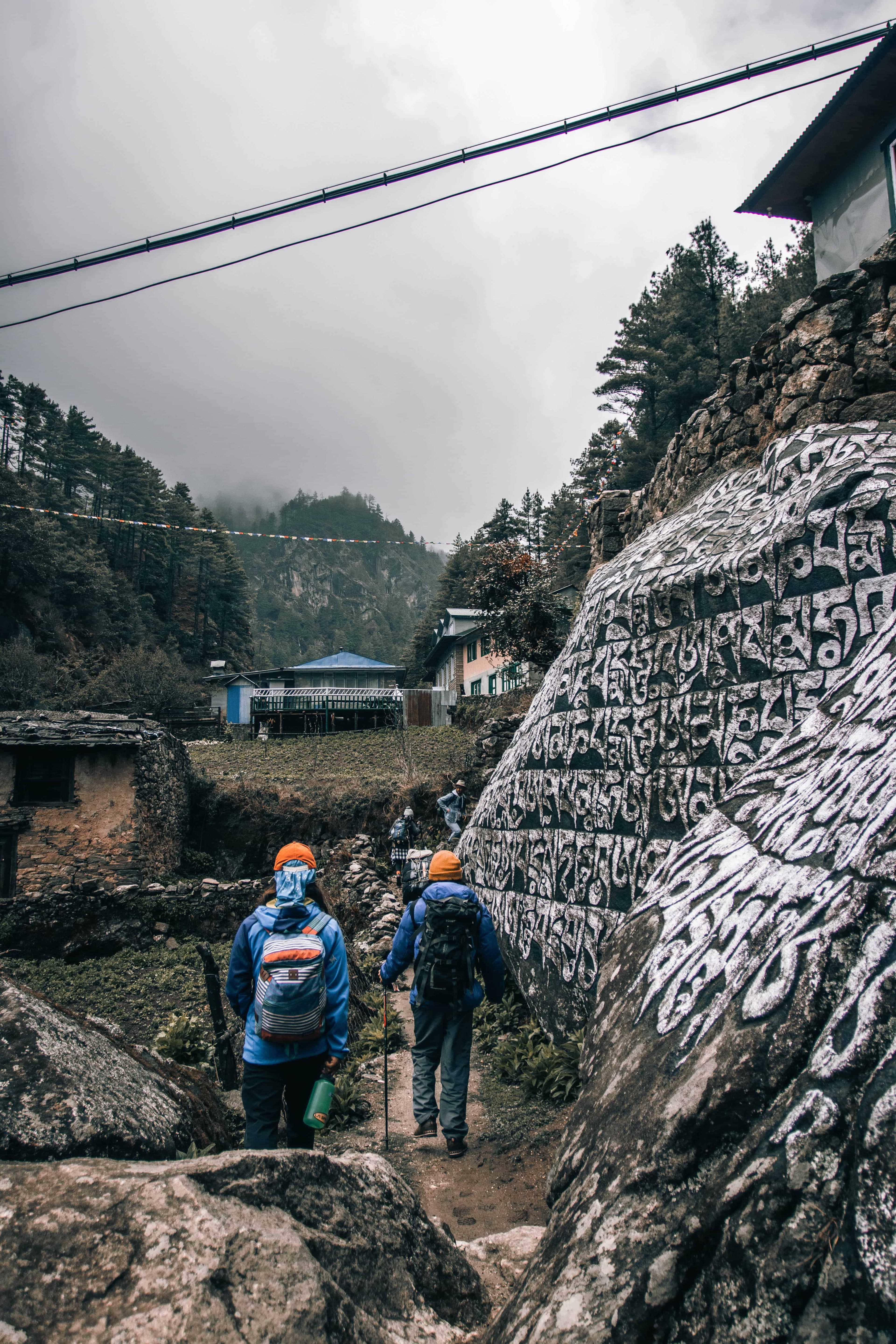
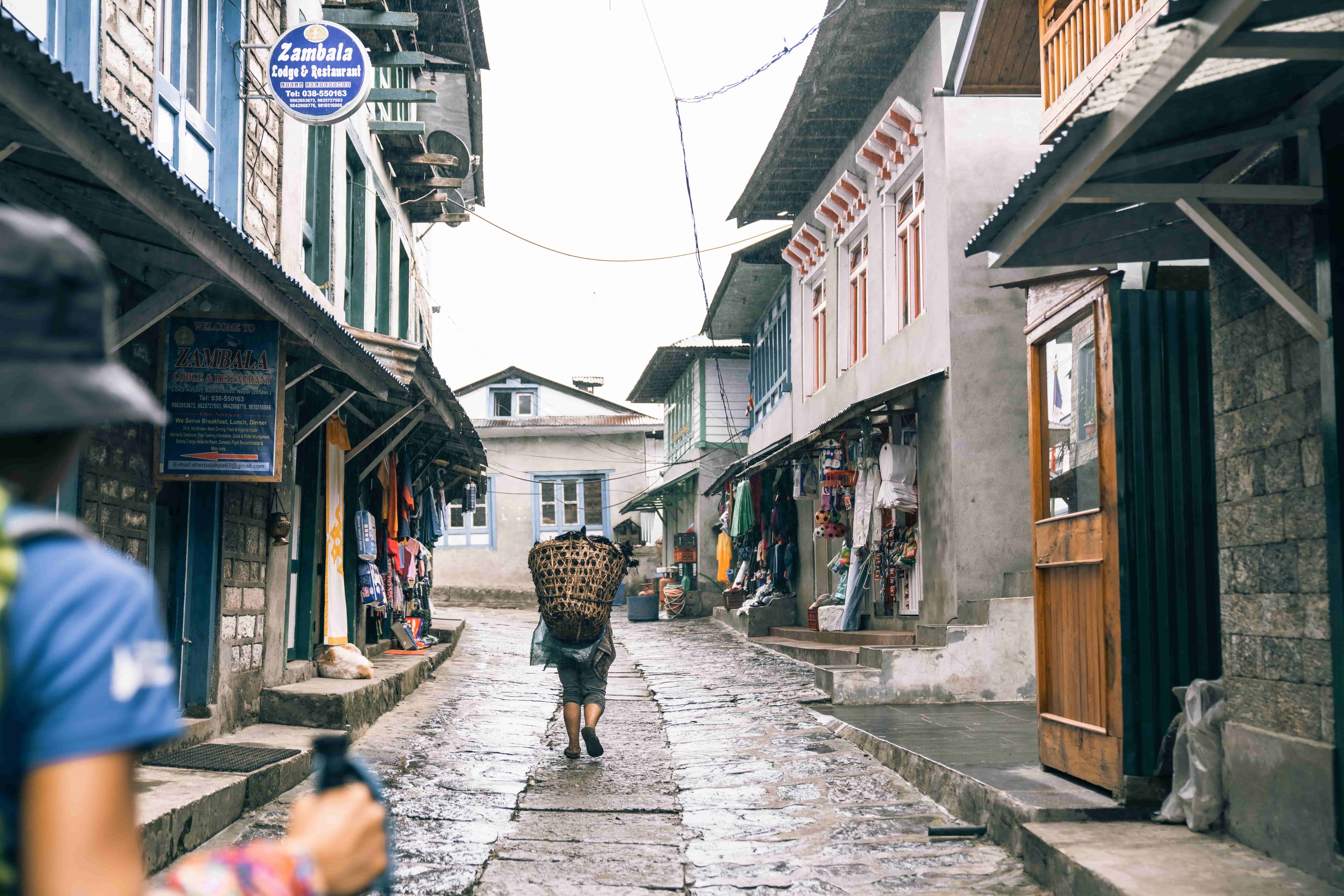
- Walk the same stone-paved routes that have connected Khumjung, Namche, and surrounding villages for generations, not as a tourist trail but as the actual infrastructure of community life
- Visit Khumjung Monastery, where centuries of Buddhist practice continue uninterrupted—monks still gather for dawn chanting, and the monastery functions as a living spiritual centre
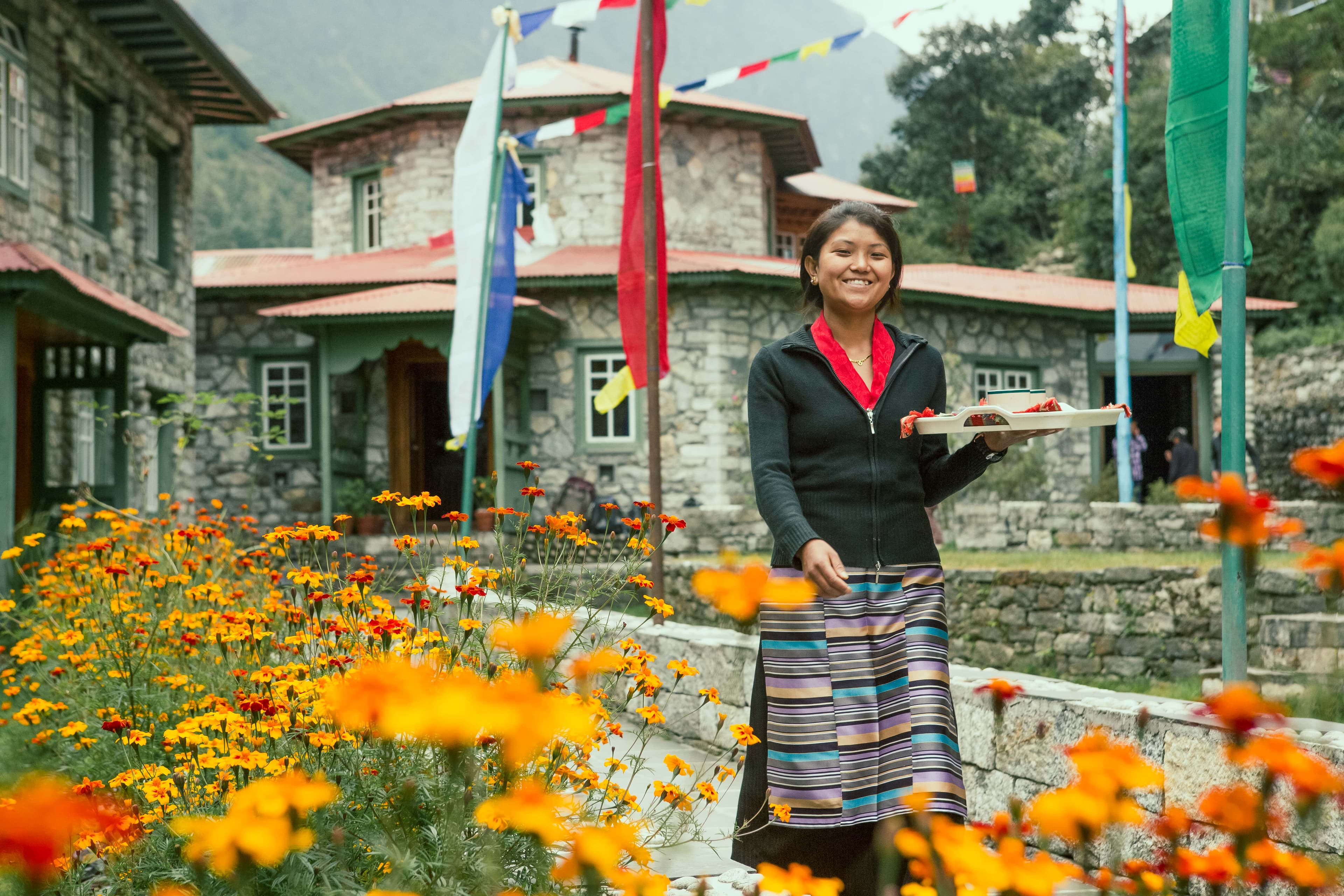
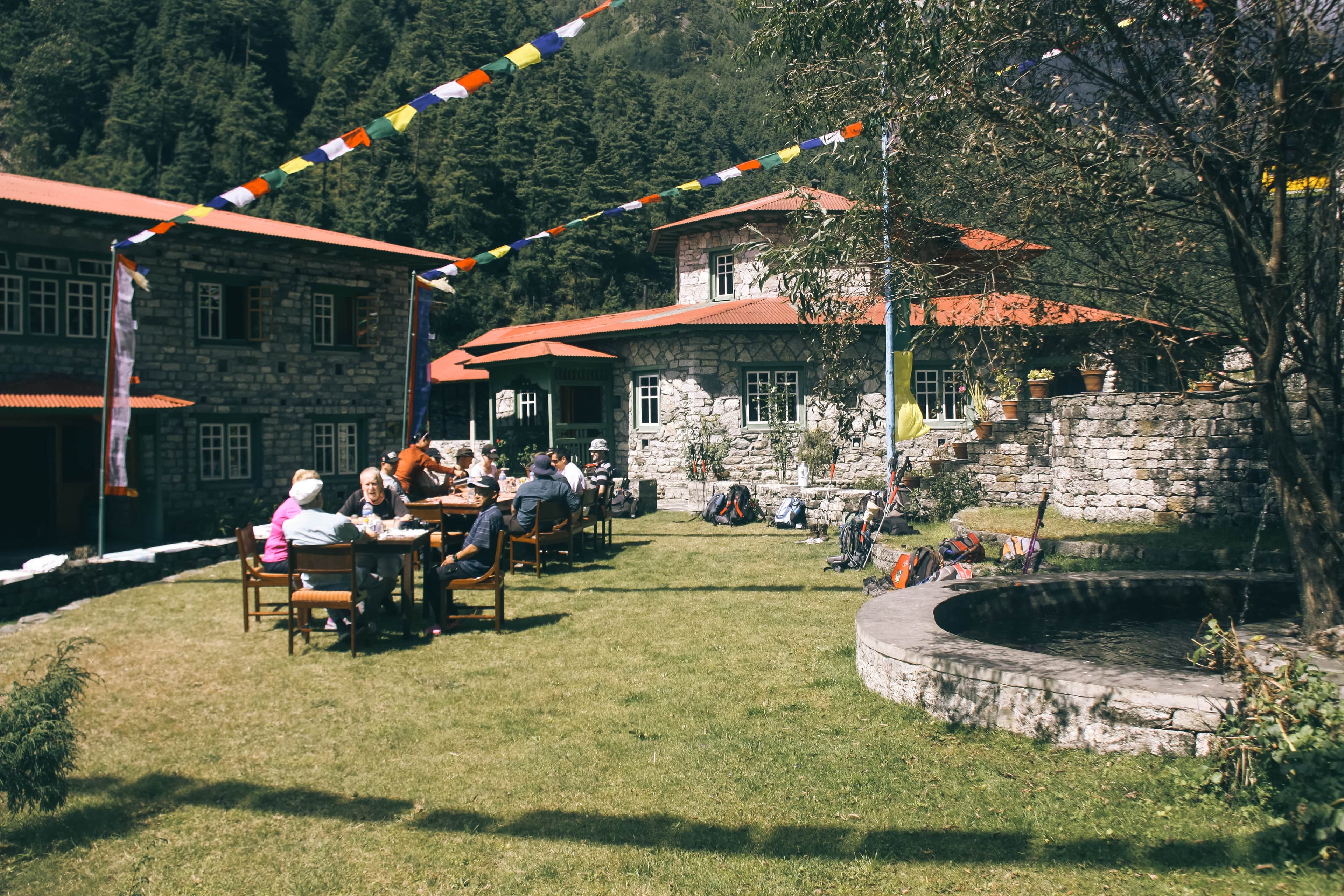
- Experience curated Mountain Lodges of Nepal throughout the trail, each positioned for location and character, each selected because we've stayed there ourselves or trust guides who know the families running them
- Move through the region guided by Sherpas who belong here, pre-briefed on your pace and interests, who read the moments worth lingering in and create space for genuine connection
Most people come to Everest chasing the mountain. This trek is different—you're here for the people who live beneath it.
I designed this 9-day trail because the standard Everest experience—rush to base camp, tick the box, leave—misses what actually makes the Khumbu worth visiting. You walk through villages where Sherpa families have lived for centuries. You stay at the world's highest hotel not for the bragging rights, but because from 3,880 metres, you're finally at eye level with the mountains and the culture. You move at a pace where moments actually land.
No pushing through altitude sickness to meet a schedule. No staged cultural interactions. You're walking the same stone routes that connect these villages—the actual infrastructure of daily life. Your guide knows the families. The lodges are places I've stayed in, places I trust. The rhythm is shaped around you, not around a fixed itinerary.
This is what luxury trekking actually looks like: comfort that enables deeper experience, not shields you from it.
What to Expect from Everest Heritage?
This trail is designed for effortless exploration—not in the sense of easy, but in the sense of unforced. It's not about pushing your limits or collecting summits. It's about being inside one of the world's most storied regions while maintaining the comfort and pace that allows you to actually absorb it.
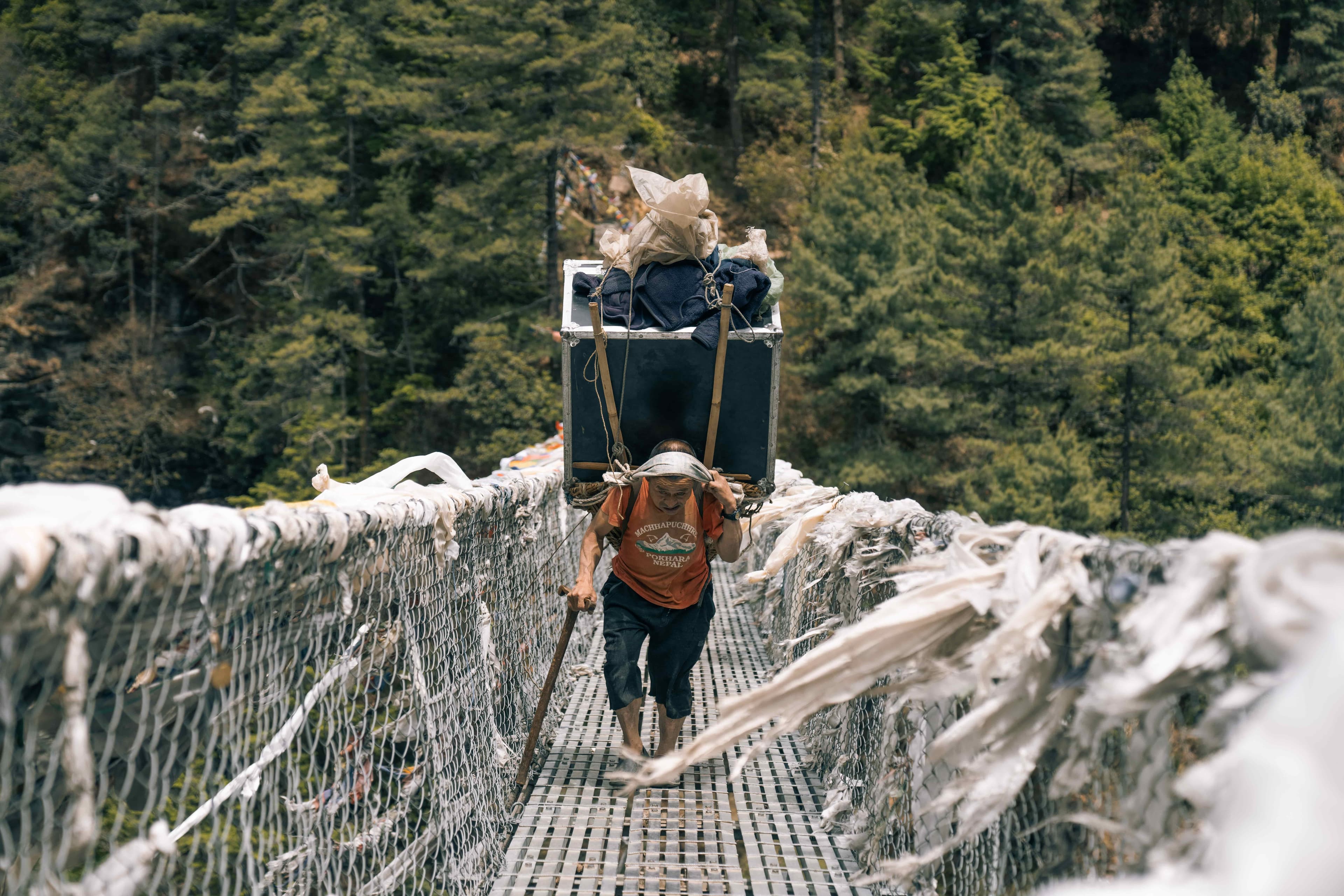
You'll walk 4-6 hours most days at a sustainable pace. The routes are the story—stone steps worn by decades of use, suspension bridges over glacial rivers, forests opening to sudden mountain views. You're moving through Khumbu life, not interrupting it.
Your guide is Narayan, fluent in English and pre-briefed on your pace and interests. If a village moment feels rich—a family inviting you for tea, a monastery interaction worth lingering in—he reads it and creates space. If altitude demands rest, it happens without schedule rigidity. This is a private journey shaped by your rhythm.
Your lodges are Mountain Lodges of Nepal throughout—places I've stayed in or trust completely. Hotel Everest View is the centrepiece. At 3,880m, you wake to Everest in first light from your window. The hotel's job is singular: place you at an altitude where mountains feel intimate, then give you enough comfort that your mind can absorb what you're seeing instead of fighting discomfort.
Evenings matter. Meals are built around what's in season—vegetables from lodge gardens or local markets. At this altitude, hot water is a genuine luxury. Your guide understands acclimatisation. This ease is intentional: it frees your mind to process what you're experiencing.
Sherpa warmth isn't performed. It's genuine curiosity about where you're from, what brought you here. Narayan explains the spiritual logic behind prayer flags, circumambulation, and sacred mountains—not as a lecture, but as someone explaining how these practices shape daily life.
This trek is an unforced exploration. Challenging at altitude, yes. But not about pushing limits or collecting summits. You're inside one of the world's most storied regions while maintaining the comfort and pace to actually absorb it.
Itinerary
Expand all +
Day 1
Arrival in Kathmandu
Day 2
Explore Kathmandu
Day 3
Lukla - Monjo
Day 4
Namche Bazaar
Day 5
Khumjung and Hotel Everest View
Day 6
Namche - Phakding
Day 7
Lukla
Day 8
Kathmandu
Day 9
Departure
Not the perfect fit? We’ll refine the itinerary to match your vision
Media Gallery
Essential Tips
Traveller Reviews
5 - ExcellentBased on 5 reviews
- J
Jolyon Eric
Shinta Mani Mustang wellness trip
Our trip was based at Shinta Mani Mustang in the lower Mustang region. Culturally fantastic location with Nilgiri Himalayas from your room, excellent and well-planned menu for food as we opted for the wellness trip. Our guide Narayan was another expert — knew from history to the...
- D
David Thomson
EBC + Yeti Mountain Home
A huge thank you to Naresh and the team at Everest Luxury Holidays. Their attention to detail, flexibility, and warm hospitality made this trip one of the best experiences of my life. Me and my friends did the Everest Base Camp trek and stayed at Yeti Mountain...
- M
Marie Fiona
Nepal + Bhutan fly fishing trip
We had planned for very active adventures in both countries — helicopter trips to Everest, pottery class in Bhaktapur, white water rafting, and fly fishing in Bhutan. Exclusive adventure with well managed transfers and guides — Nima in Bhutan was superbly excellent, Rita in Kathmandu next level....
Related Trips
US $7955Per Person
US $8525Per Personbased on 2 adult sharing