When someone asks me if Bhutan is safe to travel, I don't reach for crime statistics. I think about the night a client got food poisoning in Punakha, called me at 2 AM, panicked, and within three hours had a doctor at their lodge and a solution in place. I think about the solo female trekker who arrived nervous about everything and left asking why she'd ever felt unsafe anywhere else.
Bhutan is safe. Not because it's locked down. Because the culture—Buddhist values woven into daily life—makes predatory behaviour look absurd.
I've spent 3+ years building trips across Nepal, Bhutan, and Tibet. I've operated clients through monsoons, altitude crises, and logistical nightmares. Bhutan is different. It's not that nothing bad has ever happened there. It's that society actively discourages it.
The short answer: Yes, Bhutan is one of the safest countries in Asia. If you're asking because you're nervous, you can stop being nervous. If you're asking because you want to understand why it's safe, read on.
Why Bhutan Is Actually Safe (And It's not just Marketing)
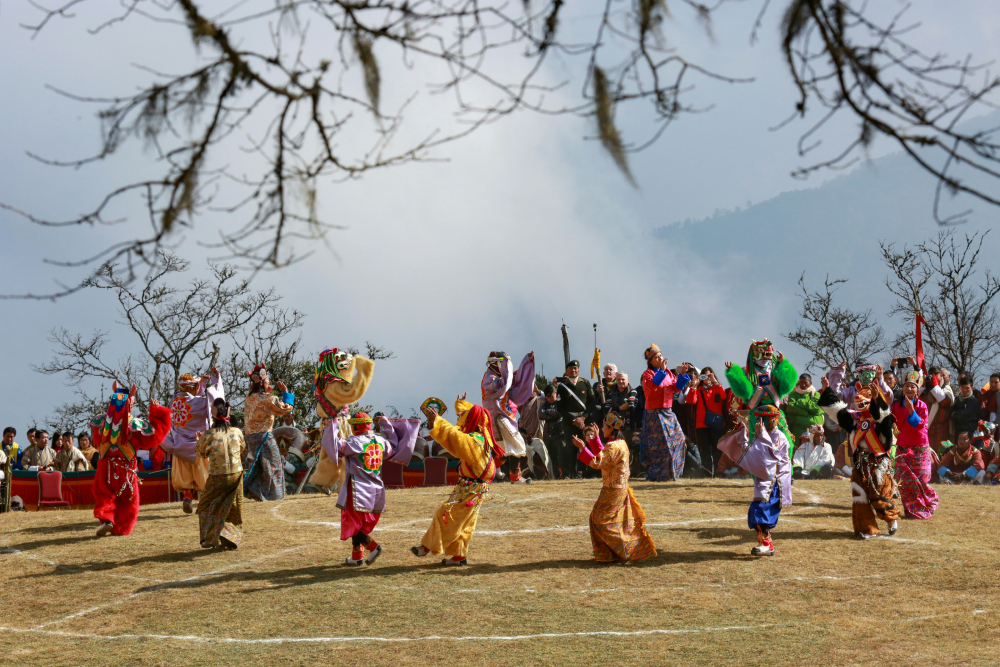
Most countries sell safety as a feature. Bhutan doesn't have to. It's built into the system.
Buddhist culture isn't a marketing angle—it's operational.
The government actively promotes Gross National Happiness over GDP. That's not poetry. It means:
- Education teaches non-violence as a core value from childhood
- The legal system punishes theft and violence severely
- Community is tight enough that reputation damage is real
I've worked with guides who've been in remote villages where a thief is so rare that it becomes a village-wide conversation for months. The social cost of crime is higher than the economic benefit.
The government intentionally controls tourism.
This is where Bhutan diverges completely from Nepal, Thailand, and other regional destinations. Bhutan didn't choose to maximise tourist numbers—it chose the opposite. The system is designed to keep visitor volume low and impact high-quality.
This intentional gatekeeping creates safer conditions:
- Only serious, committed travellers arrive (self-selecting filter)
- Mass tourism brings mass crime; Bhutan avoids this by design
- The system funds comprehensive infrastructure to support visitors safely
- The government knows who's in-country and where
Crime statistics speak for themselves:
- Violent crime is virtually non-existent in Bhutan
- Petty theft happens, but rarely to tourists
- Most incidents I'm aware of involve disputes between residents, not visitor-targeting crime
- Drug use exists, but is socially stigmatised in ways that keep it underground
The practical layer: infrastructure and the guide mandate.
Here's the reality that separates Bhutan from neighbouring countries: All international visitors must travel with a licensed, government-vetted guide. This isn't optional. It's the law.
I know how this sounds. It feels restrictive. It's actually the single most important safety mechanism in place.
Why the mandatory guide system protects you:
- Government verification – Your guide is licensed, trained, and accountable. There's no hiring random people at the airport.
- Cultural navigation – A licensed guide knows which monasteries are open, which sacred sites require permission, and which moments demand silence. They protect you from unintended disrespect.
- Local trust – Licensed guides have relationships in communities. When something goes wrong, they have local networks to solve it. When I had a client with an allergic reaction in a remote area, the guide's local connection got a doctor to the location in under an hour.
- Fair wages, professional standards – Because all tourists must hire guides (mandatory requirement), there's guaranteed demand. This means tour operators can pay guides fairly ($30-45/day) without competing in a race-to-the-bottom market. Unlike Nepal, where guides compete desperately for any gig at $8/day, Bhutan's guides aren't fighting for survival. They're professional. They choose this work as a calling, not as a survival job.
- Accountability – If a guide acts unprofessionally or unsafely, there's a licensing body that enforces standards. Bad actors lose their license and income. This creates powerful incentive alignment.
- The mandatory guide system is part of why Bhutan remains safe for travellers.
I operate both HST (Himalayan Scenery Treks) in Nepal and ELH in Bhutan. Nepal's guide system is more open—anyone can call themselves a guide. That flexibility creates opportunities and safety vulnerabilities. Bhutan's mandatory licensing system trades some flexibility for comprehensive protection.
What Travellers Actually Need To Know Before Arriving
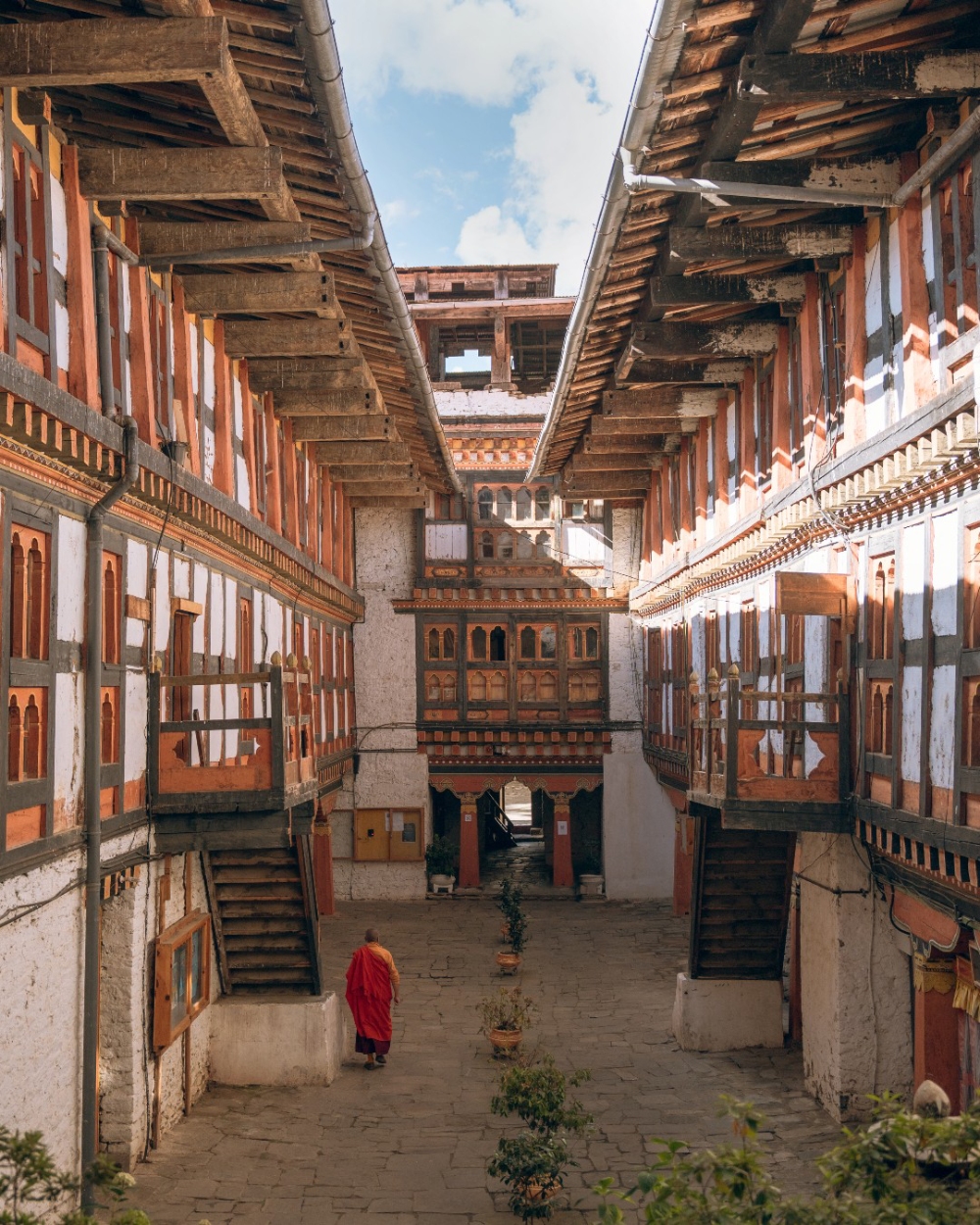
Visas and Entry
Indian nationals don't need visas to enter Bhutan. Everyone else does. Your visa must be arranged through a licensed tour operator or hotel—you can't obtain it independently.
The Sustainable Development Fee (SDF) – And How It Works for All Visitors
Here's the critical detail I got wrong in my first draft: All visitors pay the SDF. But the amount differs.
- Non-Indian tourists: USD 100 per person per night
- Indian nationals: INR 1,200 (~USD 14-16) per person per night
This isn't arbitrary. India and Bhutan have an agreement. But don't miss the point: everyone pays something.
The SDF funds Bhutan's public services directly. Free education. Free healthcare. Conservation. Infrastructure in remote villages. When you pay the SDF, you're funding the system that keeps Bhutan different from everywhere else.
If you're staying 5 nights, budget $500 (non-Indians) or approximately $75 (Indians) for the fee alone. It's non-negotiable, and it's worth understanding what it funds—because that's where Bhutan's safety and cultural preservation actually comes from.
The Guide Requirement (Non-Negotiable)
I need to be absolutely clear: You cannot travel independently in Bhutan. All international visitors must hire a licensed guide at all times.
This applies everywhere:
- City tourism (Thimphu, Paro)
- Trekking
- Day hikes
- Cultural experiences
The only exception is in your private accommodation (hotel room, guesthouse). Anywhere else, you need a guide.
This isn't a recommendation. It's the law.
What this actually means for your experience:
Your guide isn't a cost you're begrudgingly paying. Your guide is your access point. Through your guide, you get:
- Permission to enter monasteries and speak with monks
- Invitations to family dinners instead of commercial restaurants
- Knowledge of which trails are worth walking vs. which are tourist traps
- Real-time problem-solving (medical, logistical, cultural)
At ELH, we provide guides specifically:
- Your interests and travel style
- What do you hope to feel by the end
- Any concerns or needs
- The tone you want (contemplative, adventurous, spiritual)
Your guide isn't reading from a script. Your guide is orchestrating an experience tailored to you.
Money and Logistics
Bhutanese Ngultrum (BTN) is the currency. USD and EUR work in most tourist areas, but ATMs are sparse in rural regions. Carry cash. Credit cards work in Thimphu and Paro but fail in small towns.
Mobile internet is improving. B-Mobile and TashiCell sell SIM cards (passport required). Speeds are decent in towns, spotty at altitude.
Cultural Rules Are Real, Not Performance
- Remove shoes before entering temples
- Don't touch prayer flags or prayer wheels without permission
- Don't point at religious objects
- Dress modestly—long pants or skirts, covered shoulders
- Speak softly in sacred spaces
- Use both hands when giving or receiving something
These aren't tourist theatre. They're how people live. If you treat them as theatre, you'll feel the friction. If you treat them as respect, doors open.
The Weather Reality
Monsoon (June–September) brings rain and leeches in the lower regions. It's not dangerous, but it's uncomfortable. Spring (March–May) and autumn (October–November) are optimal. Winter (December–February) is clear but cold at altitude.
Altitude sickness can hit above 3,500 meters. It's rare in Bhutan trekking (most routes are 2,500–4,000m), but stay hydrated, move slowly, and listen to your guide.
Safety for Travellers to Bhutan
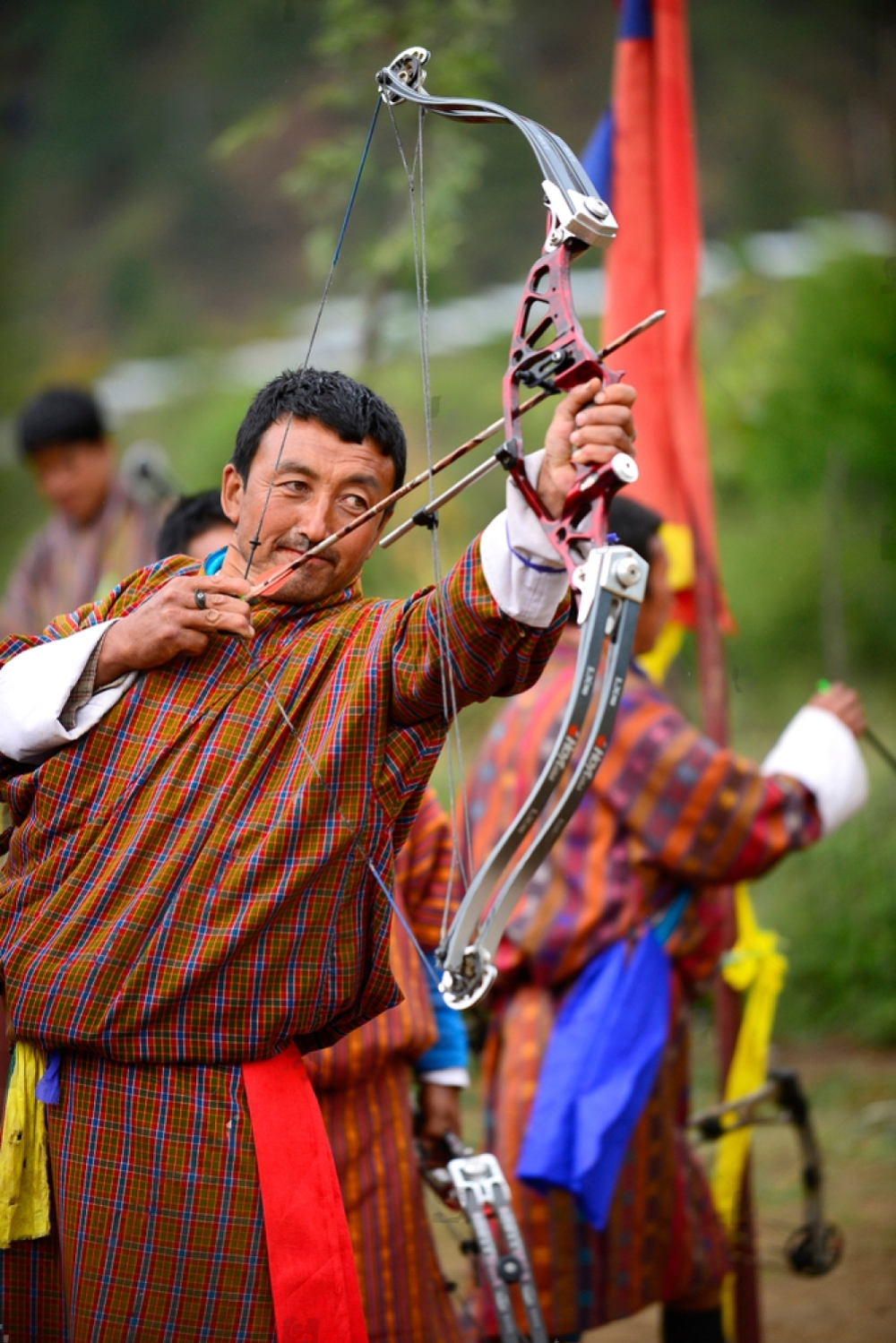
Solo Female Travelers
I've operated dozens of solo women to Bhutan. This is the insight: Bhutan is one of the few places where your gender actually works in your favour.
Bhutanese culture respects women. Full stop. You'll see women in all professional roles—guides, hotel managers, and government positions. Solo female travellers are treated with genuine courtesy.
What I recommend:
- Stay in licensed guesthouses and hotels (quality control is high)
- Dressing modestly (long pants/skirts, covered shoulders)—it's both respectful and practical
- Your guide will be aware of your safety; it's part of their professional responsibility
- Urban areas (Thimphu, Paro) are completely safe for evening walks
The real talk: I've had solo female clients who arrived nervous and left asking why they'd ever felt unsafe anywhere else. That's not marketing. It's feedback I consistently receive.
Ready to book a solo trip to Bhutan? Explore our Signature Bhutan Tour (6 days) – perfect for solo travellers.
LGBTQ+ Travelers
Since 2021, Bhutan has decriminalised same-sex relations. That's real progress. But context matters.
Urban areas (Thimphu, Paro) are genuinely more open. You'll find restaurants, bars, and accommodations where LGBTQ+ travellers are warmly welcomed. Rural areas remain conservative. Public displays of affection are rare for all couples, so discretion applies universally.
What I've learned from queer clients:
Bhutanese hospitality is authentic. People are kind. The assumption is that you're a guest, and guests are treated well. That said, avoid overt PDA in small towns and villages. It's not about danger—it's about respect for local norms.
We at ELH explicitly support LGBTQ+ travellers. Our staff is trained. Our accommodations are inclusive. If you're queer and nervous about travelling to Asia, Bhutan is one of the better choices. Not perfect, but genuinely welcoming.
Independent Travel In Bhutan: The Real Answer
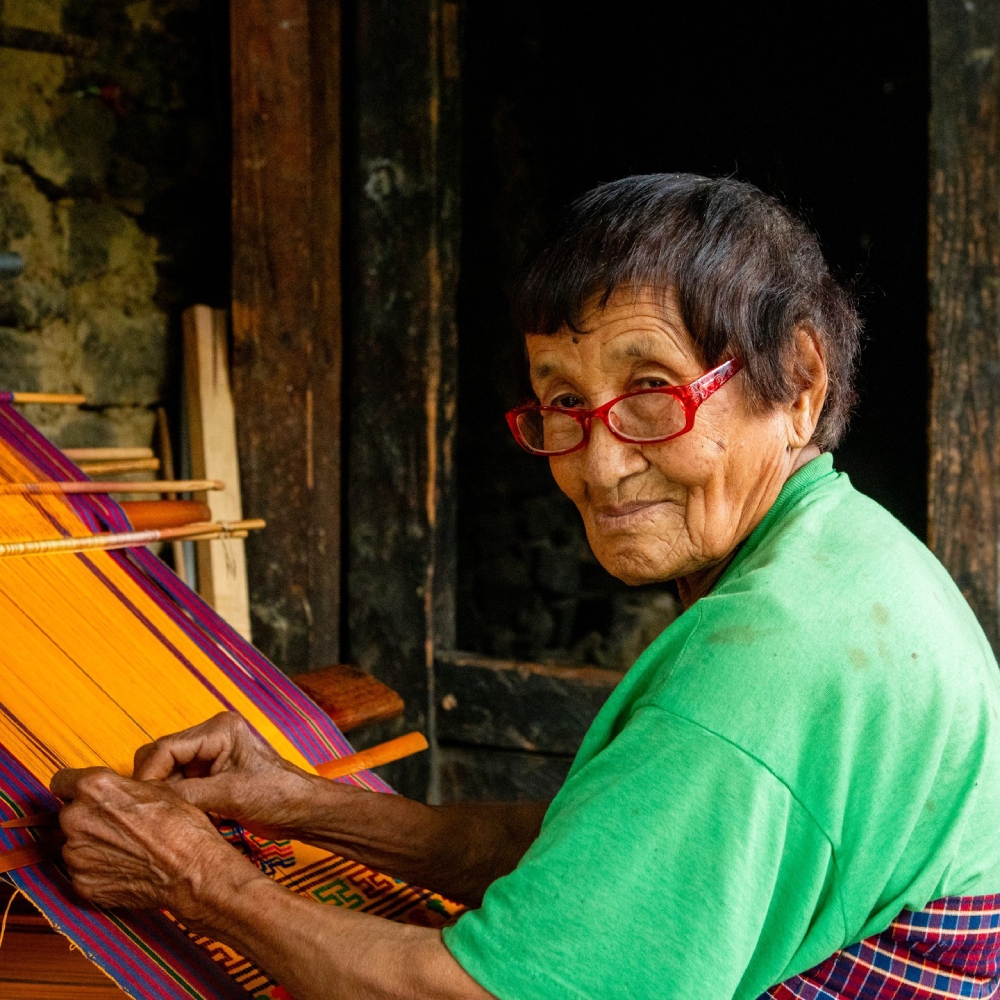
Since September 2022, Bhutan has loosened some restrictions. You can now book hotels and transport separately without a full package.
But here's the important part: You still need a licensed guide at all times. That hasn't changed.
What changed is that you can mix and match—book your own hotel for part of the trip, hire a guide for experiences, and arrange transport directly. This gives you some flexibility, but it doesn't mean independent travel.
What requires a guide (everything):
- Any outdoor activity
- Temple visits
- Day hikes
- Cultural experiences
- City exploration
Why this matters: The guide requirement exists because it works. It ensures fair wages for guides, maintains cultural integrity, and creates accountability.
Most travellers find it's simpler to book with an operator. We handle permits, guide coordination, and logistics. You focus on the experience.
Want more flexibility than a full package but less headache than independent planning? Customise Your Trip – we can design semi-independent itineraries.
How To Experience Bhutan Safely (And Deeply)
Safety isn't just about avoiding danger. It's about moving through a place with respect, preparation, and local intelligence.
Before you arrive:
- Get travel insurance (medical + evacuation)
- Share your itinerary with someone at home
- Understand the SDF and budget for it
- Learn five phrases in Dzongkha (hello, thank you, sorry, excuse me, water)
- Read about Bhutan's culture or history
In-country:
- Your guide is your partner—ask questions, communicate needs
- Respect the cultural rules—not as performance, but as respect for someone's home
- Ask permission before photographing people or sacred sites
- Eat where locals eat when possible
- Build in unscheduled time (the best moments don't fit itineraries)
The guide difference:
A good guide anticipates. They know which monastery will have monks available, which family offers authentic meals, which viewpoint at sunset is worth the walk. They move quietly and ask permission on your behalf.
At ELH, we don't just assign guides—we partner with them. Your guide gets your full brief:
- What your interests are (photography, spirituality, trekking, food)
- How you like to move (fast, slow, contemplative)
- Any concerns or needs
- The tone of the trip (adventure, stillness, learning)
That's the difference between a guide and a guide.
FAQ
Q: Is Bhutan safe from natural disasters?
A: Bhutan sits in an earthquake zone, but major quakes are rare. Flooding happens in certain river valleys during the monsoon, but it's predictable and managed. Landslides can close roads briefly in the monsoon season. This is managed risk, not hidden danger. In 3+ years of operations, I've never had a safety incident from a natural disaster.
Q: Do I need vaccines for Bhutan?
A: Consult a travel medicine clinic. Typically recommended: Japanese encephalitis (if spending extended time in lower regions), hepatitis A/B, typhoid, and standard boosters. Malaria is minimal above 1,500m. It's smart prep.
Q: What if I get sick in Bhutan?
A: Thimphu and Paro have decent hospitals. Smaller towns have clinics. Our 24/7 support team coordinates care immediately. I've handled medical issues in Bhutan multiple times—food poisoning, altitude sickness, and injuries. Every single time, we solved it quickly. You're not on your own.
Q: Can I trust licensed guides?
A: Bhutan's licensing system is real. Guides must pass exams and maintain standards. That said, quality varies. Work with operators who have verifiable track records and client reviews, not just websites.
Q: Is the Sustainable Development Fee worth it?
A: Yes. It funds conservation, community development, and infrastructure. Bhutan is carbon-negative and over 70% forested because of an intentional policy. You're literally paying to keep the country the way it is. Worth it.
Q: What's the biggest safety mistake tourists make?
A: Underestimating altitude and overestimating fitness. Bhutan trekking looks easier than it is. Move slower, acclimatise better, and listen to your guide. The second mistake: disrespecting cultural sites because they look touristy. They're not. Treat every monastery like a place of worship, because it is.
Q: Why do I have to have a guide? Can't I explore freely?
A: The guide requirement protects you, local communities, and Bhutan's culture. Permits and guides are required for specific reasons. Respect the system. I've had clients want to "explore freely," and every time I've explained the why, they've understood. It's not oppressive. It's protective.
Q: Is it safe to trek at altitude in Bhutan?
A: Most Bhutan trekking is 2,500–4,000m. That's high but manageable with proper acclimatisation. Above 4,000m requires guides and permits. Altitude sickness is real but preventable (slow pace, hydration, good guides). I've guided hundreds of treks without major incidents. The key is preparation and honesty about your fitness level.
The Real Differentiator: Why I Operate Differently In Bhutan
I could end this by saying "we care about safety" and "we're inclusive" and move on.
But that's what every operator says.
Here's what's actually different about how I operate in Bhutan:
1. Guides are briefed on you, not just the itinerary.
When you book with us, I personally know your interests, your pace, any concerns, and what you hope to feel at the end. Your guide gets that brief. They're not just moving you through checkpoints. They're designing every day around you.
2. We're deeply networked locally.
I've worked in Bhutan for years. I have relationships with families, monasteries, guides, and lodge owners. That means access and trust that new operators can't buy. When something needs solving, I have people to call.
3. Logistics are handled transparently.
You get clear information about what's included, what costs extra, what the SDF covers, and when guides are arranged. No surprises. No hidden fees. No "oh, we need a guide, and it's $300 extra."
4. We prioritise depth over speed.
Most operators pack itineraries. We don't. You'll spend time in fewer places, move slowly, and build relationships with communities and guides. That's safer (you're not rushed), deeper (you actually connect), and more memorable.
5. Support is genuinely 24/7.
Not an email address that replies in 12 hours. Direct line to someone in-country who knows you and your trip. Medical issue? Weather delay? Want to change plans? You reach a person, not a voicemail.
6. We understand the system, so you don't have to.
Bhutan's tourism model is intentional—the SDF, the guide mandate, and the visitor caps. Most operators treat these as administrative hurdles. We treat them as the reason Bhutan is worth visiting. We explain how the system actually protects you and creates the conditions for an authentic experience.
That's the difference.
Conclusion
Bhutan is safe. Genuinely, reliably safe. Not because the government markets it that way. Because the culture, the system, and the intentional approach to tourism actually make it so.
The mandatory guide system, the SDF, the visitor caps—these aren't restrictions tourists should resent. They're the infrastructure that keeps Bhutan authentic and safe.
If you're asking because you're nervous about travelling to Asia—stop. Bhutan is one of the safest places you can go.
Ready to experience Bhutan properly?