The first time I saw Nepal, I was 13 years old. I'd grown up in Southampton, England — and nothing about my childhood had prepared me for what I was looking at.
The Himalayas don't ease you in. They just appear. And when they did, something shifted in me that never shifted back.
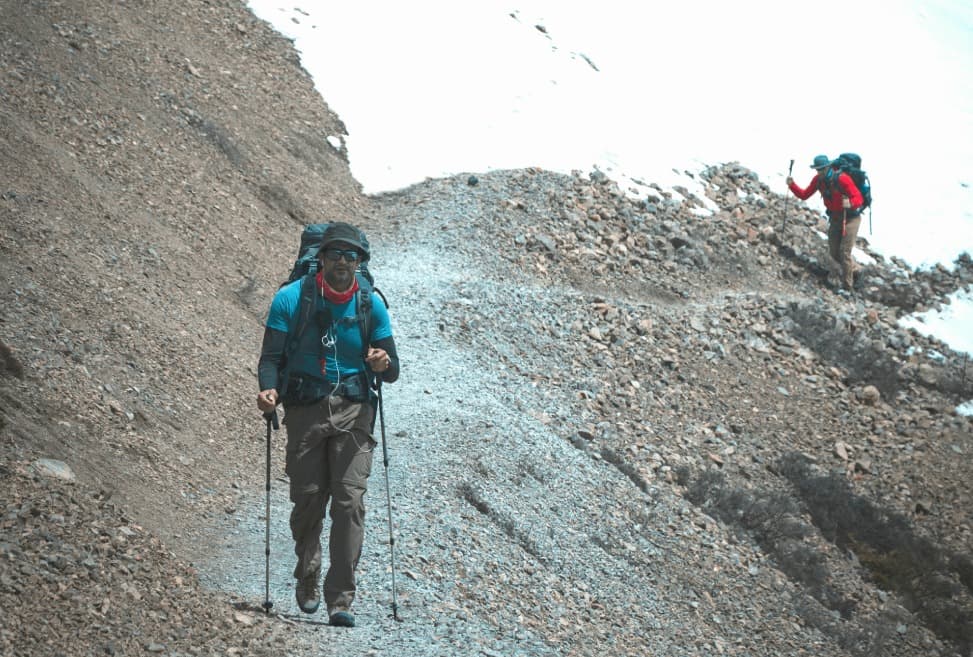
Over the past 20 years, I've trekked all 52 districts of Nepal. I've walked through rice terraces at dawn, eaten dal bhat in farmhouses with no electricity, slept under skies so clear they looked painted. I've done this as a traveller, as a guide, and now as an operator building journeys for people who want exactly that — but with the right level of comfort wrapped around it.
This guide is what I wish existed when people ask me, "I want to do Nepal properly. Where do I start?"
Why a Private Nepal Journey Changes Everything
Most tour operators in Nepal will put you in a group. Sometimes 12 people. Sometimes 20. You'll share a jeep, share a guide, share a schedule built around the slowest person in the group.
That's not what we do.
Every journey at Everest Luxury Holidays is private. Your group, your pace, your interests. If you want to spend an extra hour in a monastery because something about it moved you, we will stay. If you want to skip the standard stop and go somewhere most tourists never reach, we'll go. The itinerary is a starting point, not a contract.
This matters more than people realise until they've experienced both. A private guide who knows you're interested in Tibetan Buddhism will take you somewhere a group guide can't — because a group guide is managing eight different people's attention at once. Your guide is managing yours alone.
We cap group sizes at 10 people maximum across all our journeys. Most of our trips run with 2 to 6. That's not a marketing line — it's how we keep the quality of experience consistent across every departure.
If you want to customise your journey entirely from scratch, we do that too. Tell us what you're looking for →
What Does a Luxury Nepal Tour Actually Mean?
Let me be honest with you about something.
Most people searching for "luxury Nepal tour" are imagining five-star hotels and infinity pools. That's not wrong — Nepal has those. But that's not the whole picture, and honestly, it's not even the most interesting part.
Luxury in Nepal, the way I design it, means this: you get close enough to feel it, but comfortable enough to stay present.
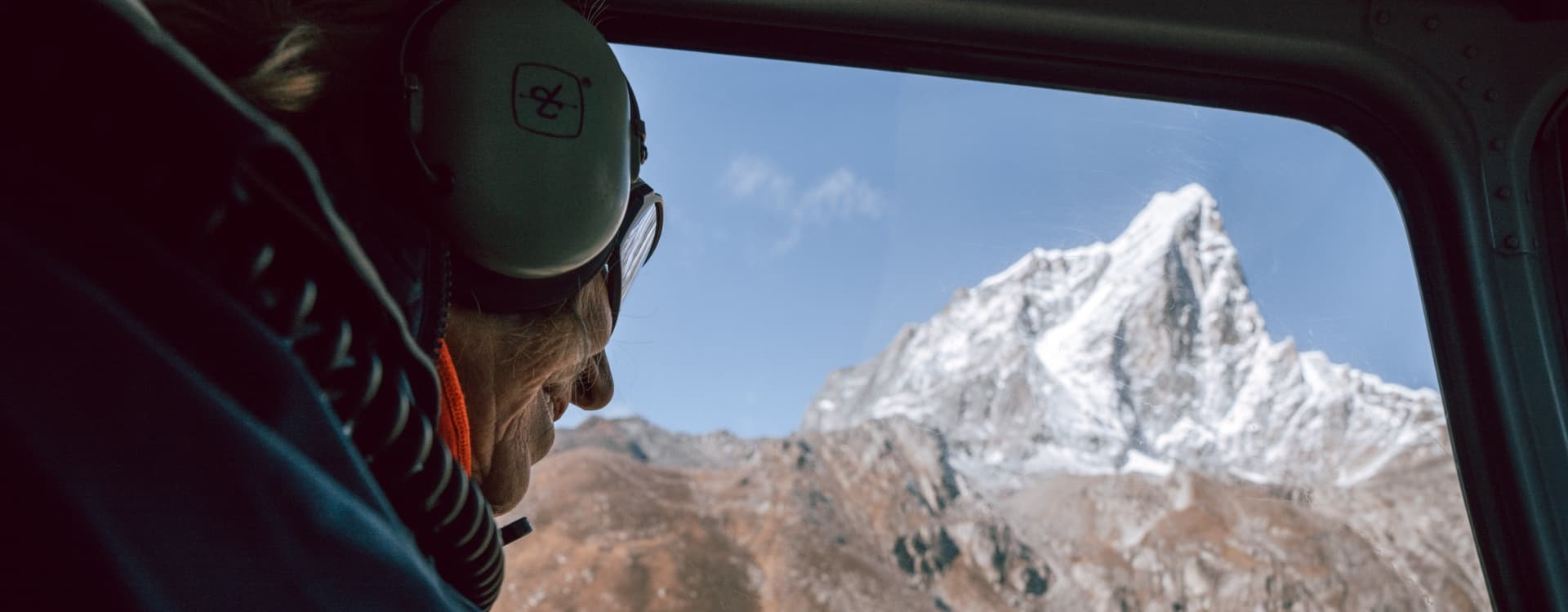
It means staying in a lodge where you wake up to Annapurna outside your window — not a photo of Annapurna, but the actual mountain, pink in the morning light. It means your guide knows the family in the village you're passing through, and you're invited in for tea rather than watching through a bus window. It means the helicopter ride isn't just transport — it's the moment you understand why people cry when they see Everest for the first time.
Nepal is not a backdrop. It's the experience. Luxury just makes sure nothing gets in the way of it.
Who Is This Kind of Trip For?
In my experience, the travellers who find ELH are usually one of three types:
The experienced traveller who has done Southeast Asia, done Patagonia, done a safari, and wants something that still surprises them.
The couple or family who wants to do something meaningful together. Not a resort holiday. Something they'll still be talking about in ten years.
The professional with limited time and very high standards. They need the logistics to be invisible so they can just be there.
If any of those sound like you, keep reading.
Is Nepal Really Set Up for Luxury Travel?
More than most people realise.
Nepal has some of the finest boutique lodges in Asia — places like Dwarika's Hotel in Kathmandu, Shinta Mani Mustang, Sarangkot Mountain Lodge above Pokhara, and the Mountain Lodges of Nepal trail system through Everest and Annapurna. These aren't compromise options. They're genuinely world-class.
What Nepal also has, which most luxury destinations don't, is a scale of experience. In a single two-week trip, you can go from a heritage hotel in a 1,000-year-old city, to a private helicopter over the highest mountains on earth, to a wellness retreat in a valley most people have never heard of. The density of extraordinary here is unlike anywhere I've seen in 17 countries.
The infrastructure for luxury travel has grown significantly — private helicopters, expert cultural guides, high-altitude lodges with excellent food and heating, and curated safari lodges in Chitwan. Nepal is ready. It just needs the right operator to connect the dots.
Best Time to Plan a Luxury Nepal Tour
Getting the timing right matters. Here's how I think about it:
Spring — March to May
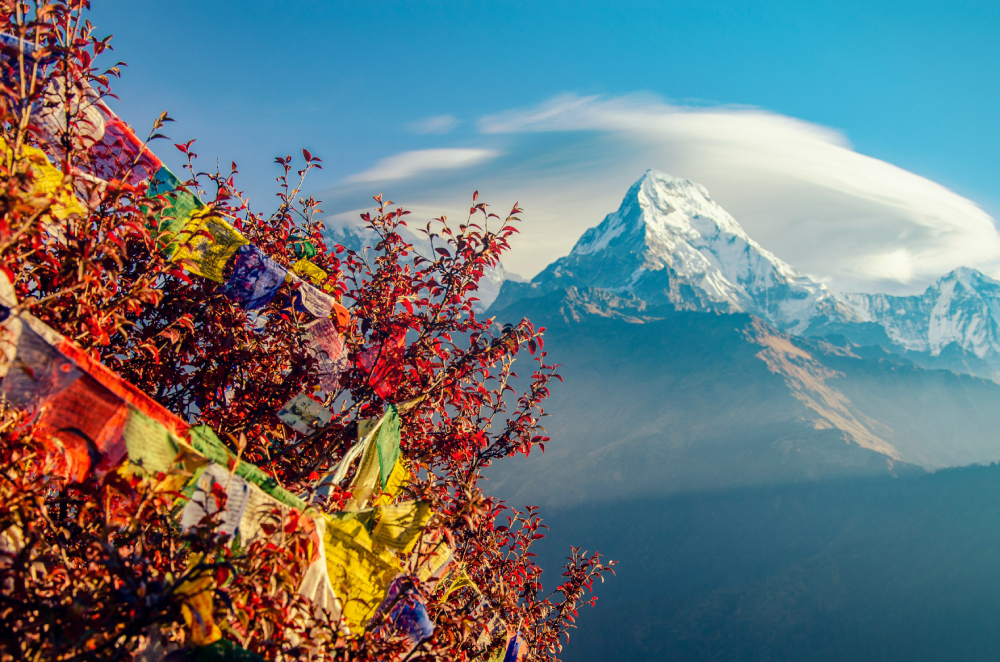
This is my personal favourite season. Rhododendrons are blooming across the hillsides, the air is clear, and the mountains are vivid. It's peak season for trekking and helicopter tours. If you want the Annapurna region or Everest at their most dramatic, come in April.
Autumn — September to November
The other golden window. Post-monsoon skies are crystal clear — perfect for photography and mountain views. October is the busiest month in Nepal's tourism calendar, so if you want the best lodges and permits, book early. This is the ideal time for Upper Mustang by jeep and the Chitwan safari.
Winter — December to February
Underrated, in my view. The crowds drop away, the light is beautiful, and Kathmandu and Pokhara are very comfortable. Chitwan is actually better in winter — drier, clearer sightlines through the vegetation, excellent wildlife visibility. If you want something more private and intimate, this is the season.
Monsoon — June to August
Most of Nepal's trekking regions are difficult during the monsoon. The exception is Upper Mustang — it sits in a rain shadow behind the Himalayas and stays dry. One of Nepal's best-kept secrets for summer travel.
The Best Luxury Experiences in Nepal — What I Actually Recommend
I'm not going to list every possible thing you can do. I'm going to tell you what I send people who matter to me.
Kathmandu — Go Deeper Than the Temples
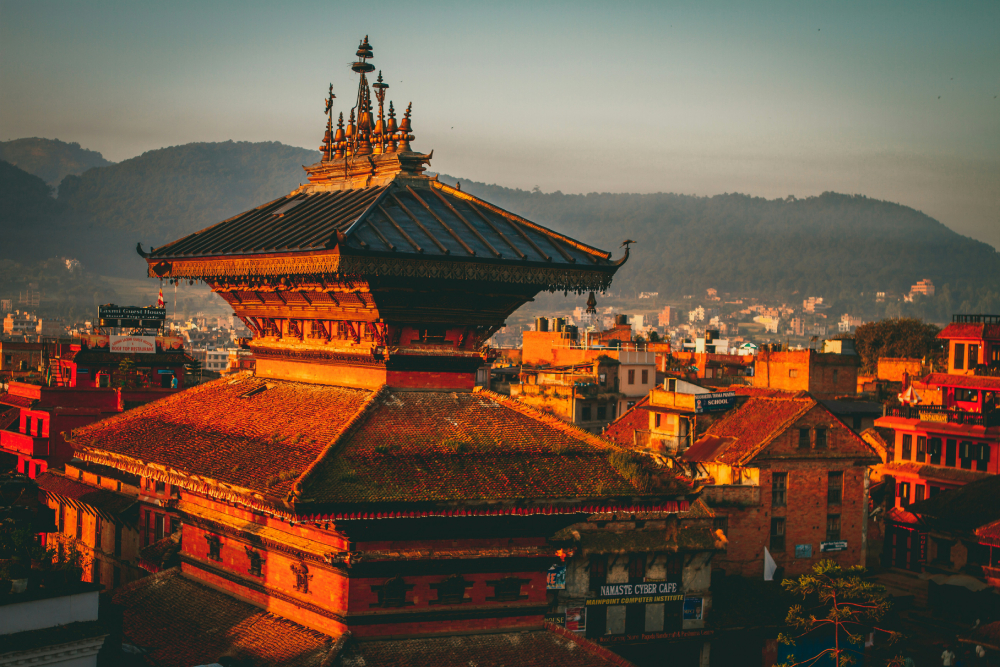
Kathmandu has 7 UNESCO World Heritage Sites within a few kilometres of each other. Most tour groups rush between them. My approach is different.
I recommend a private half-day with one of our cultural guides — someone who grew up here, knows the priests at Pashupatinath, and can get you access to courtyards that aren't on the tourist trail. In the evening, dinner at a rooftop restaurant in Thamel with the valley lights spreading out below. Stay at Dwarika's Hotel — it's built using reclaimed Newari woodwork, and walking through it feels like stepping inside a living museum.
For a perspective no ground tour can give you, add a private helicopter breakfast at Hotel Everest View — landing at 3,880 metres with Everest right in front of you, coffee in hand. I've done this dozens of times, and it still gets me.
Pokhara — The Place People Don't Want to Leave
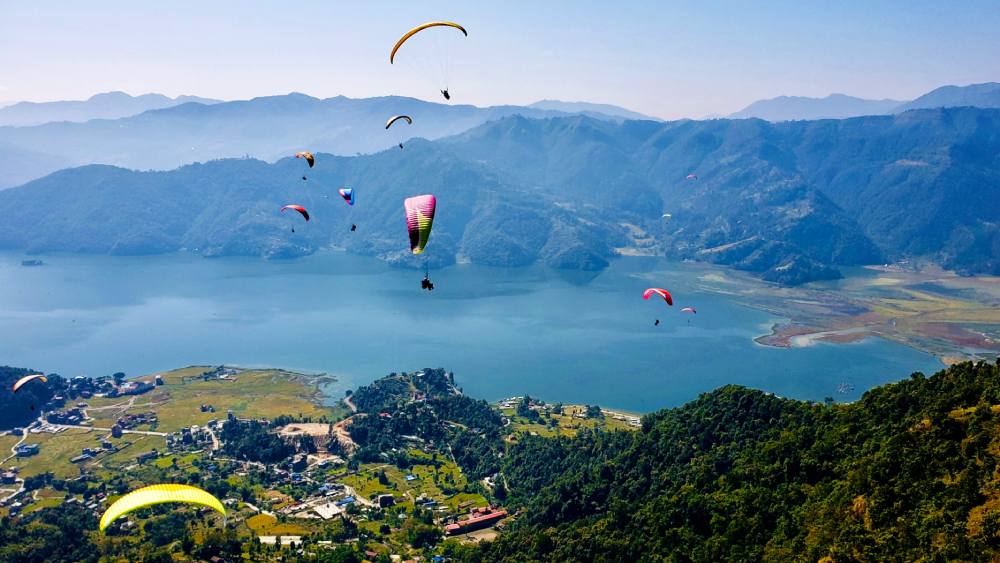
I've seen it happen repeatedly: travellers arrive in Pokhara planning two nights and extend to five. The city sits at 800 metres, the lake is right there, and the Annapurna range forms an unbroken wall across the horizon.
Sarangkot Mountain Lodge above Pokhara is one of the special places in Nepal. Morning yoga on the deck with Machhapuchhre directly in front of you. Private boat on Phewa Lake in the afternoon. And if the group is up for something more, a paragliding session over the valley — it's surprisingly accessible and genuinely unforgettable.
Pokhara is also the gateway to the Wellness in Annapurna journey — one of ELH's most distinctive offerings. It's not a spa break. It's a full immersion in Tibetan healing practice, slow movement through the Mustang landscape, and the kind of quiet that's hard to find anywhere else in the world.
Annapurna Heritage Trail — 9 Days
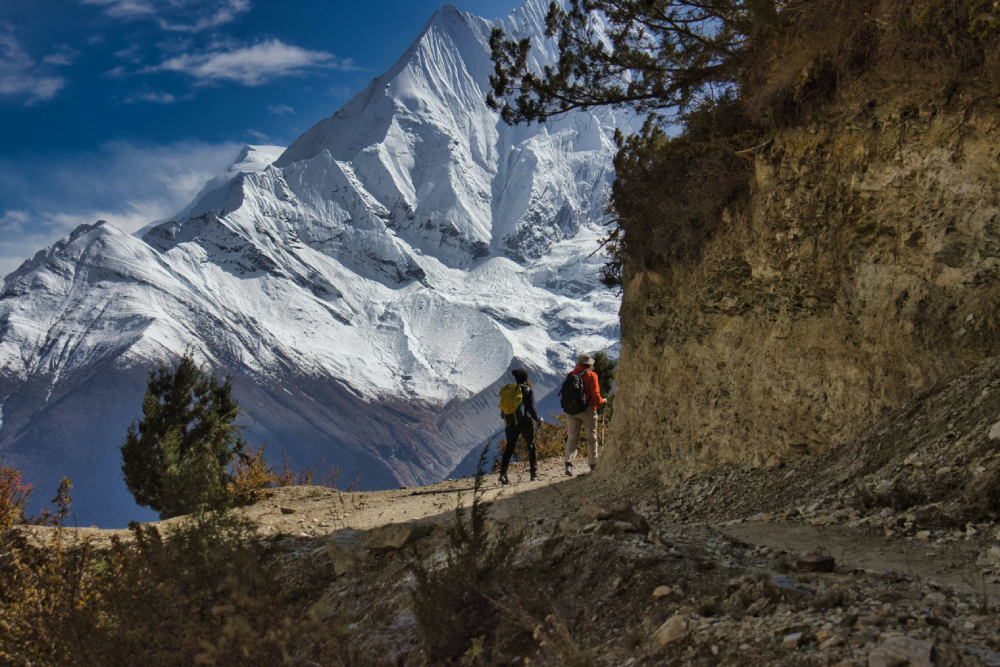
This is the trail I recommend to people who say, "I want to trek, but I'm not sure how fit I am."
The Annapurna Heritage Trail moves through Gurung villages — Ghandruk, Landruk, Dhampus — at a pace that lets you actually see them. You're not rushing to make altitude. You're walking through places where people have lived the same way for generations, and your guide knows the families. Evenings are in quality lodges with Annapurna right outside the window. It's 9 days, gentle terrain, and genuinely one of the most beautiful walks I've done in 20 years.
Upper Mustang — Nepal's Best-Kept Secret
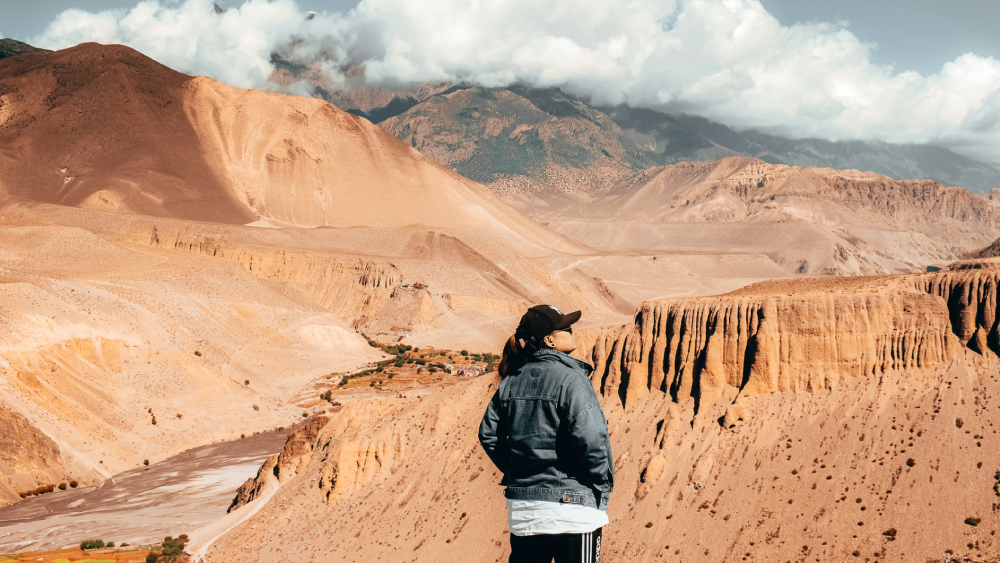
This is the one I push hardest for travellers who think they've seen everything.
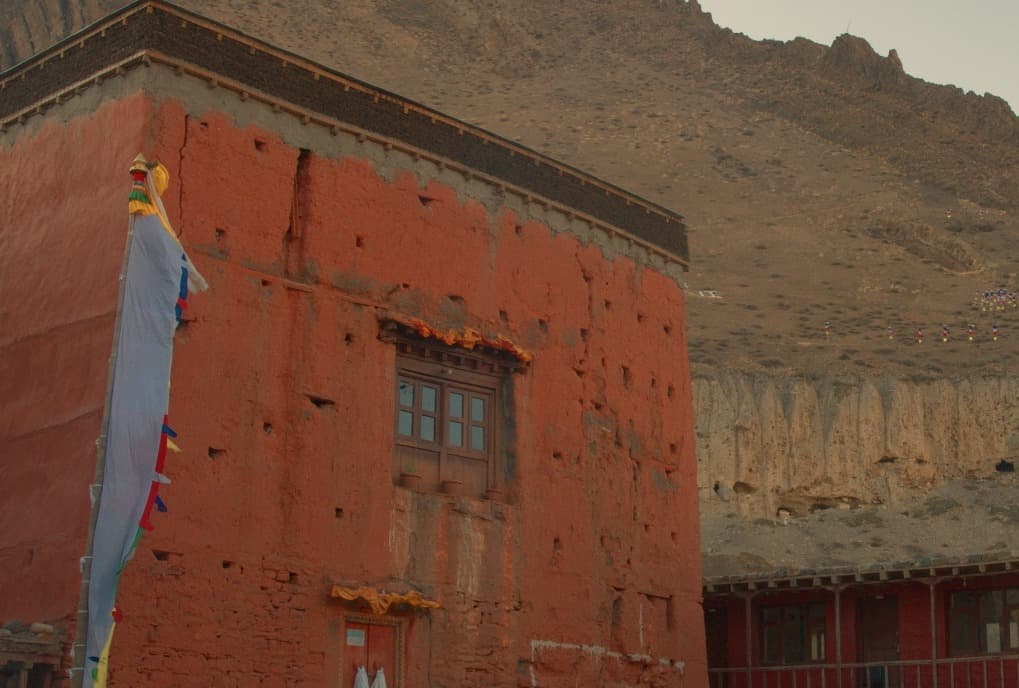
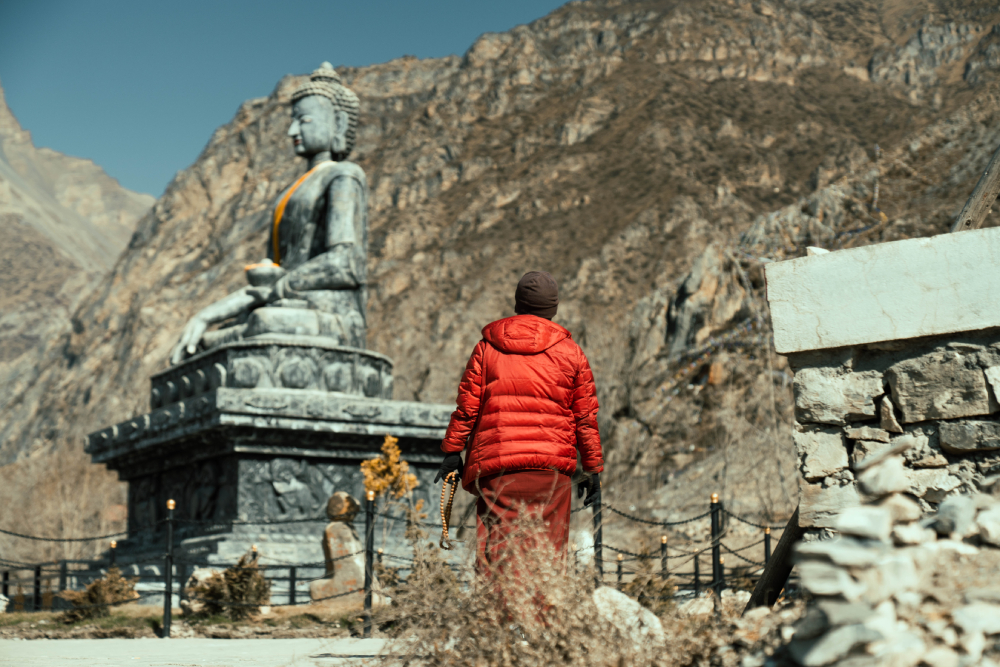
Upper Mustang was closed to outsiders until 1992. The culture there — the painted cave monasteries, the walled city of Lo Manthang, the Tibetan Buddhist traditions still intact — exists almost nowhere else on earth. When I first went, I kept thinking: this place should be crawling with travellers. Why isn't it?
The answer is the Restricted Area Permit. It limits numbers and keeps the region protected — which is exactly why it's still worth going. A $50 per day permit is required, along with a licensed guide. You can't enter alone without a guide, and that's a good thing. The right guide is the difference between seeing Mustang and understanding it.
Our Upper Mustang jeep tour takes 12 days, travels through the Kali Gandaki valley — the world's deepest gorge — and ends in Lo Manthang. It's the most cinematic journey in Nepal, in my opinion.
Chitwan — Luxury Safari Done Right
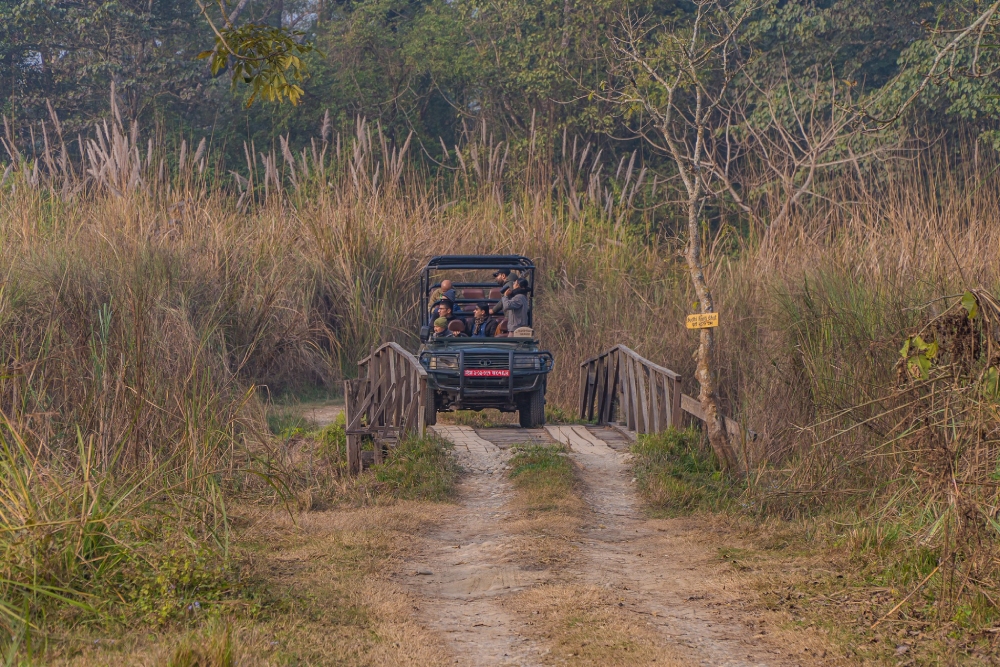
Nepal's Terai region is often the part people skip. Don't.
Chitwan National Park is home to the one-horned rhinoceros, Bengal tigers, wild elephants, and gharial crocodiles. The quality of the lodges here — Meghauli Serai (a Taj Safari property), Barahi Jungle Lodge, Kasara — is genuinely comparable to East African safari standards. Private jeep safaris, expert naturalists, evening wildlife talks, and morning boat rides on the Rapti River, where rhinos come to drink.
For wildlife, come between October and March. For a more immersive cultural experience, combine Chitwan with a visit to the Tharu community — a fascinating ethnic group indigenous to the Terai with their own distinct traditions.
Everest Sherpa Heritage Trail — 9 Days
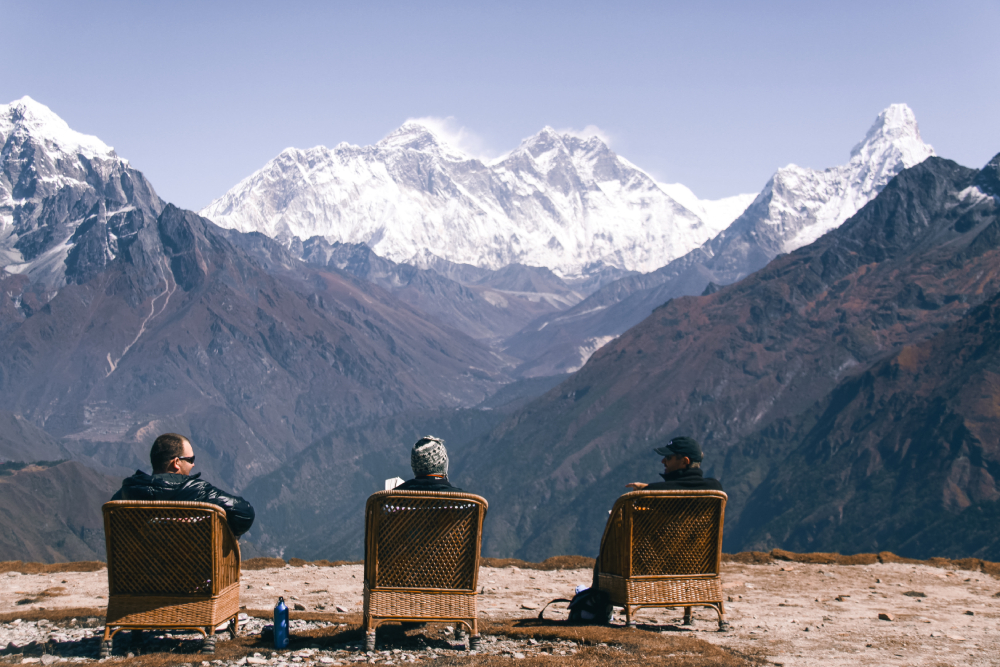
This one is for travellers who want to say they've been in the Everest region — without committing to a 14-day Base Camp trek.
You fly to Lukla, walk to Namche Bazaar, visit Khumjung Village and its monastery (where the Yeti scalp is kept — a real conversation starter), stay at Hotel Everest View with Everest directly in front of you, and helicopter back. The Everest Sherpa Heritage Trail takes 9 days, reaches a moderate altitude, and gives you the Sherpa culture in full — the monasteries, the history, the people — without the physical demands of Base Camp.
Everest Base Camp Luxury Lodge Trek — 10 Days
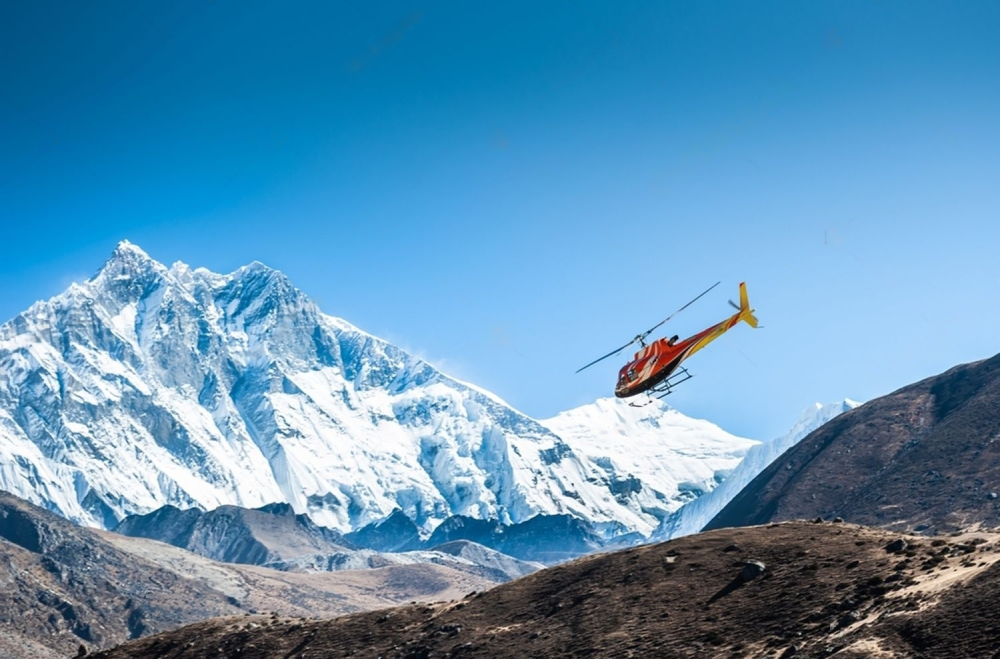
For those who do want Base Camp. Done properly, with a helicopter return.
The Everest Base Camp luxury lodge trek uses the Mountain Lodges of Nepal trail system — the best lodges on the Everest route, with real food, heated rooms, and hot showers at altitude. You earn the views. You just don't have to suffer for them. Helicopter return from Kalapathar or Base Camp means you skip the knee-grinding descent and come back to Kathmandu the way the mountains deserve to be remembered — from the air.
Luxury Wellness in Nepal — This Is Not a Spa Break
I want to be straight with you about something.
When most people say "wellness retreat," they mean a nice hotel with a massage menu and a yoga class at 7 am. That's fine. Nepal has those too.
But what Nepal actually offers — if you go to the right places — is something genuinely different. The altitude changes how you breathe. The silence is a different quality of silence. And the Tibetan healing tradition that exists in the Mustang region isn't a product someone designed for tourists. It's been practised by the same lineage of healers for centuries. You're not buying a wellness experience. You're stepping into one that was already there.
Wellness in Annapurna — Our Signature Journey
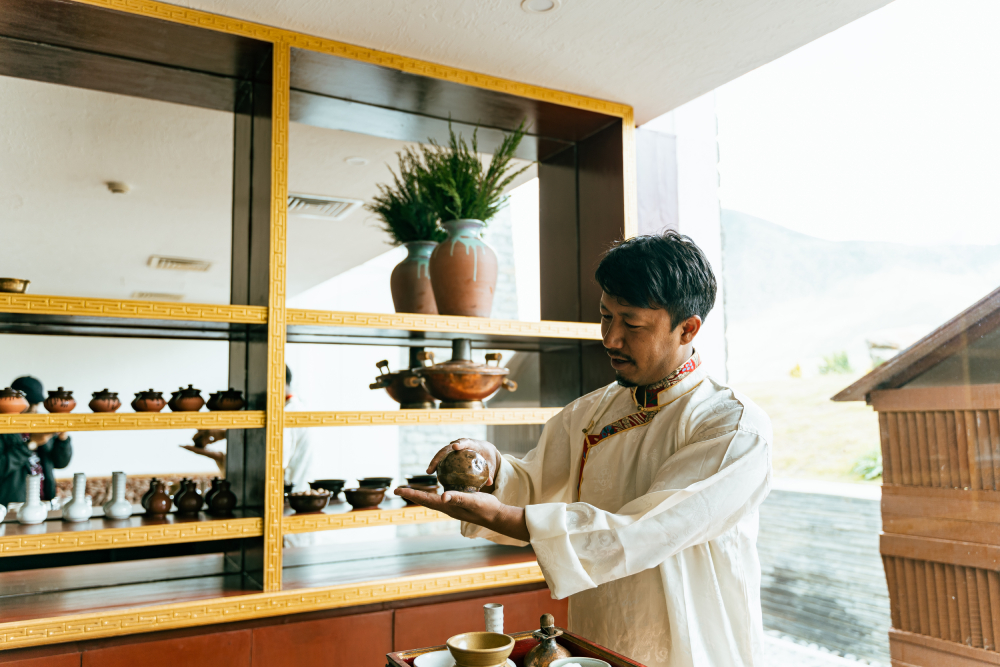
The Wellness in Annapurna journey is the one I'm most proud of building.
It's based at Shinta Mani Mustang, in the lower Mustang valley, with Nilgiri directly in front of you. The property is beautiful — but that's not why I recommend it. I recommend it because of what happens there.
Your wellness programme is led by an 11th-generation Tibetan Amchi — a traditional healer trained in a system of medicine that predates most of what we call modern wellness by about a thousand years. The consultation isn't a questionnaire. It's a conversation, a pulse reading, an assessment of how your body is actually doing — not how you think it's doing. Treatments follow from that. They're specific to you.
Between sessions, you walk to Lubra — one of the last Bon Buddhist villages in Nepal, almost entirely unchanged. You sit in monasteries that were built in the 8th century. In the evenings, there is no noise. No signal. Just the valley and whatever you brought with you in your own head.
A minimum of 5 nights is what I recommend. Most guests extend when they get there. A few come back every year.
Tiger Mountain Pokhara Lodge
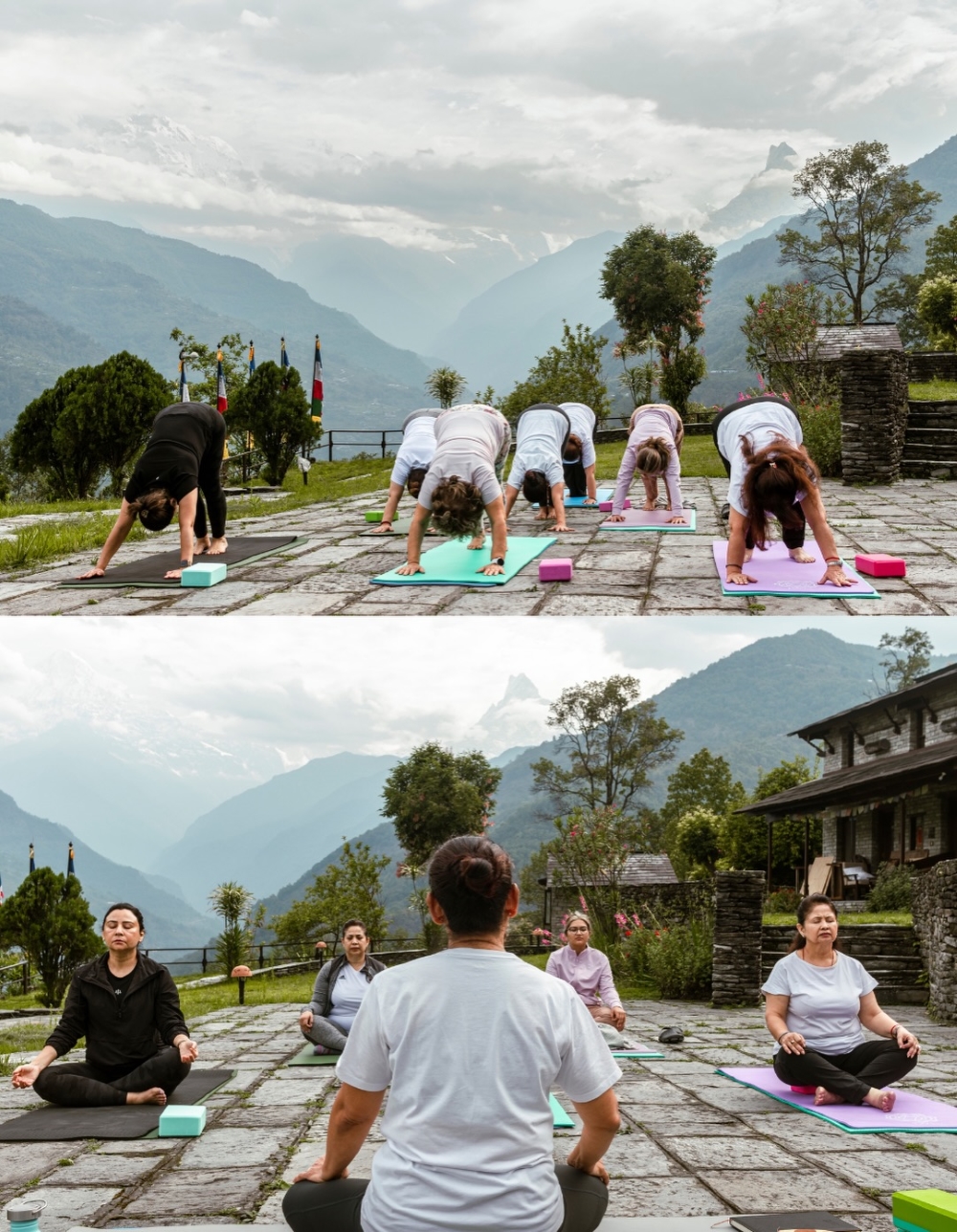
This is one of the places I point to when people ask for a wellness option that doesn't require a long journey.
It sits on a ridge above Pokhara, which means the Annapurna range is in front of you from the moment you wake up. Morning yoga happens on the deck — not in a studio, on the deck, with Machhapuchhre right there. The food is from the farm. The pace is set by the mountain, not by a schedule.
It's the kind of place where you arrive planning to stay two nights and realise on the second morning that you should have booked four.
Pavilions Himalayas
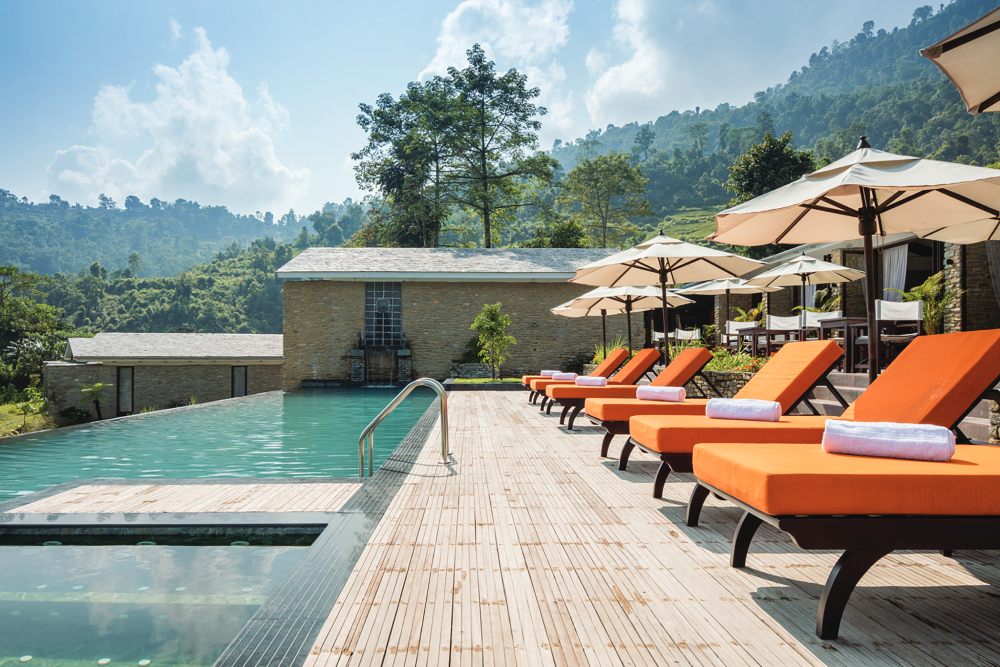
This one is harder to explain to people who haven't been, because it doesn't fit a normal category.
It's a working farm. It's also a luxury hotel. You can do as much or as little as you want — join the farmers in the morning, take a cooking class in the afternoon, sit by the infinity pool and look at the hills. The wellness here isn't programmed. It comes from being somewhere that feels genuinely alive. That's rarer than people think.
Where to Stay: Hotels I Actually Recommend
I'm not going to give you a list of Nepal's most Googled hotels. I'm going to tell you what I'd book for someone I care about.
Kathmandu — Dwarika's Hotel
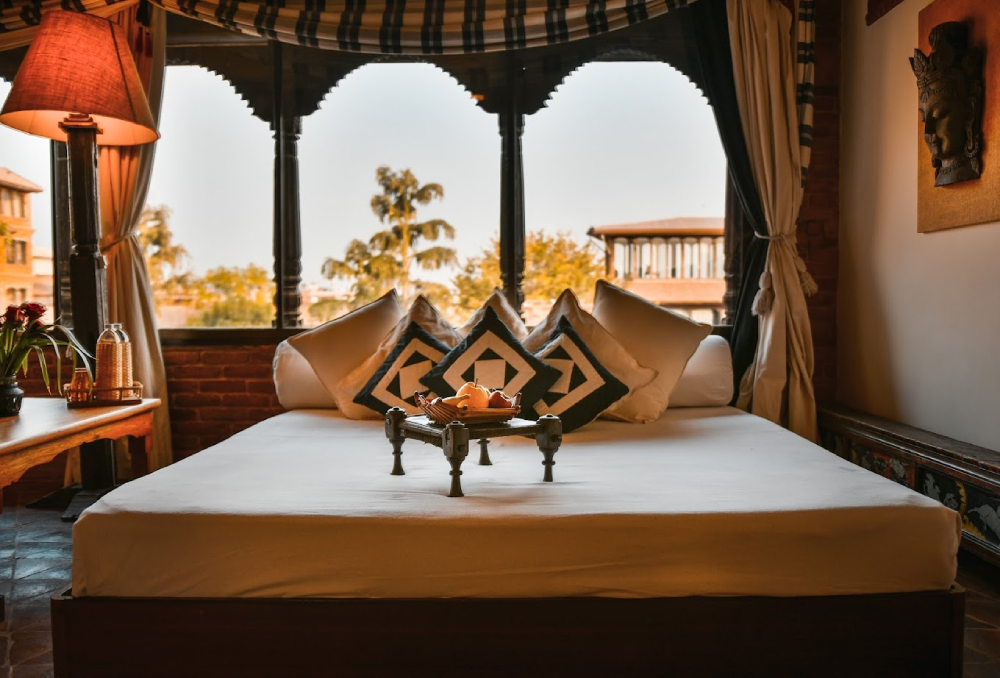
The best hotel in Kathmandu for anyone who wants to understand the city, not just sleep in it. Every beam, every window, every courtyard is built from reclaimed Newari woodwork — some of it centuries old. Walking through the property in the evening, lit up, with the sound of the city just outside, is one of those experiences that stays with you. Service is exceptional. Location is central. It's the right base for everything in Kathmandu.
If you want more space and quiet, Gokarna Forest Resort — 400 acres of forest, 20 minutes from Thamel — is the other option I trust.
Pokhara — Sarangkot Mountain Lodge
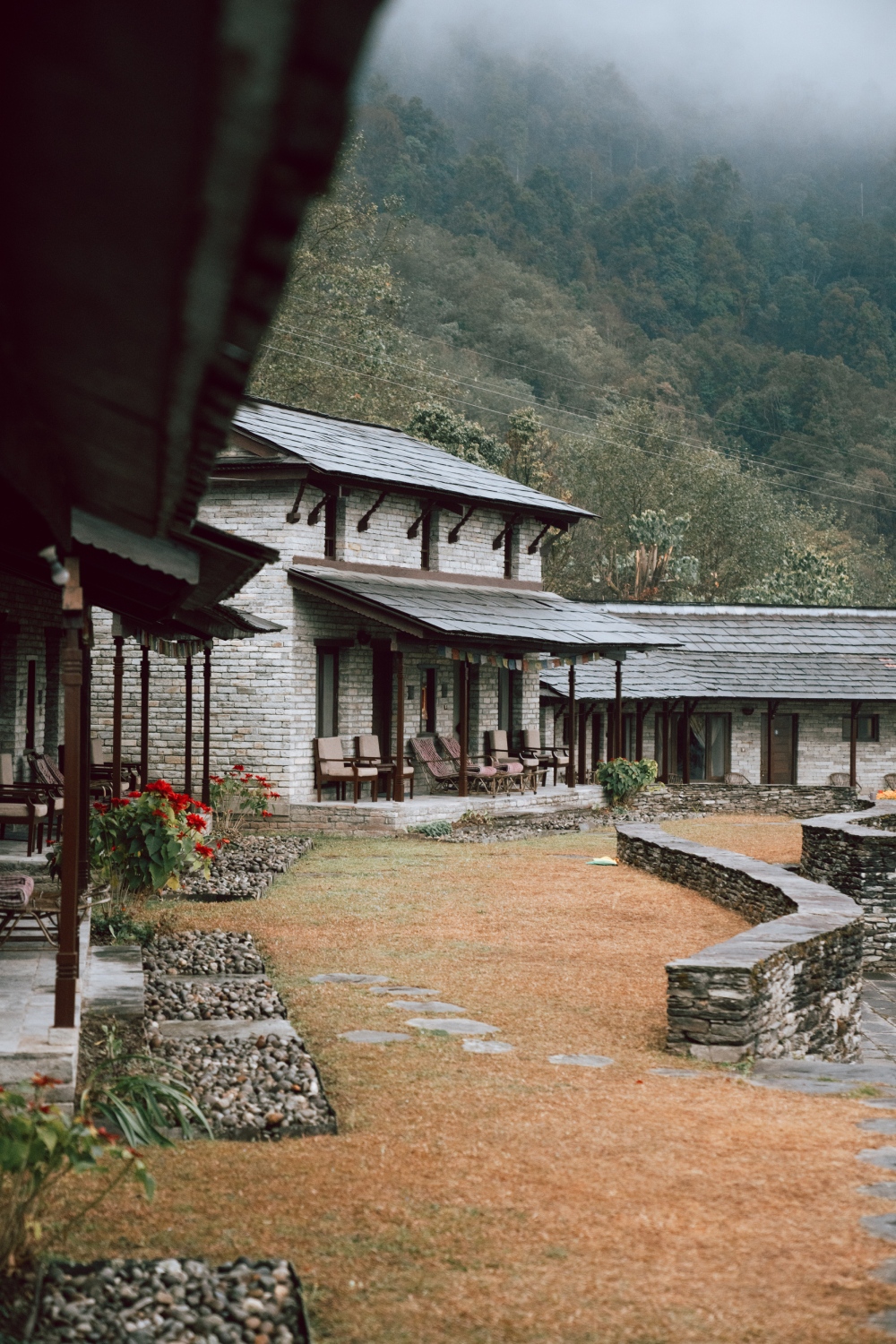
Sarangkot sits above the city on a ridge. The Annapurna range is directly in front of you — not in the distance, but right there, filling the horizon. I've stayed here multiple times, and the view never stops being extraordinary. Yoga in the morning, private dining in the evening, Phewa Lake visible below. This is my first recommendation for Pokhara every time.
Pavilions Himalayas for the farm-stay wellness experience. Bar Peepal Resort if you want lake access and a more central Pokhara base.
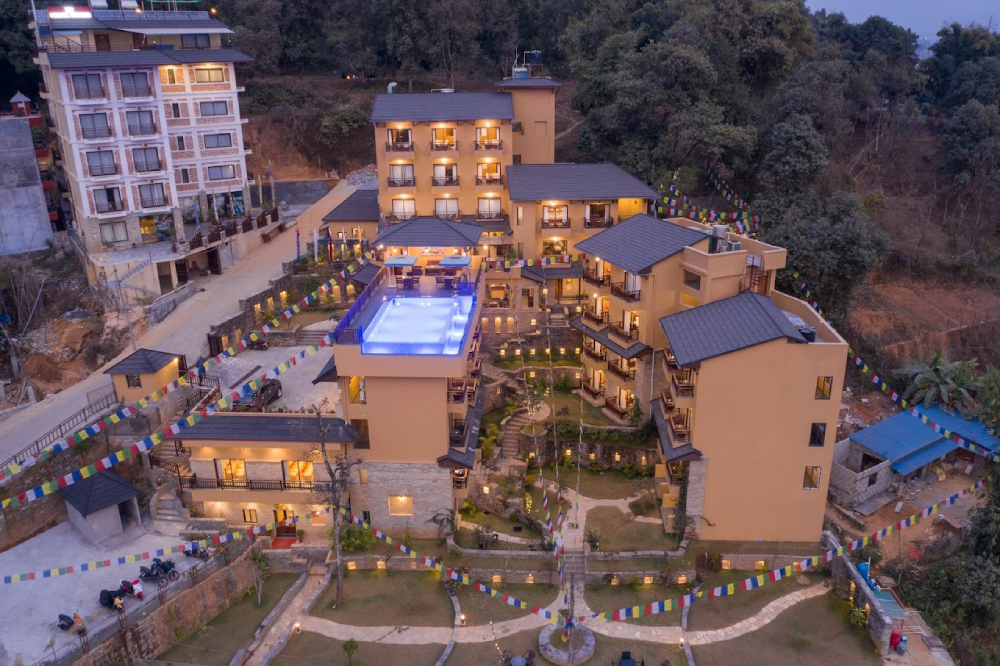
Mustang — Shinta Mani Mustang, A Bensley Collection
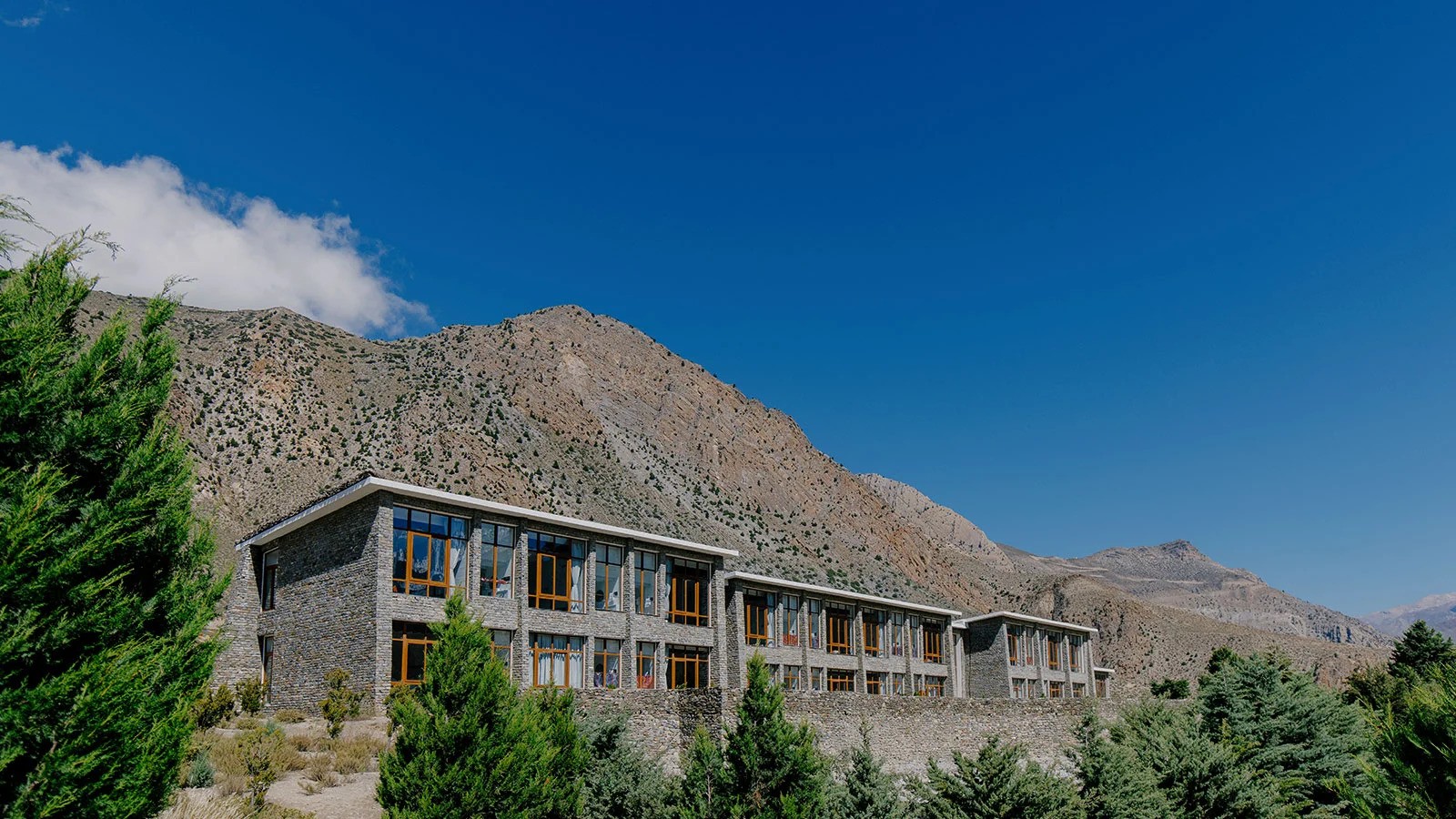
No competition. It's the only property in the region built at this level — designed by Bill Bensley, with an attention to detail that's rare anywhere in the world. The location inside the valley, with Nilgiri above you, is extraordinary. If you're going to Mustang, stay here.
Everest and Annapurna Trekking — Mountain Lodges of Nepal
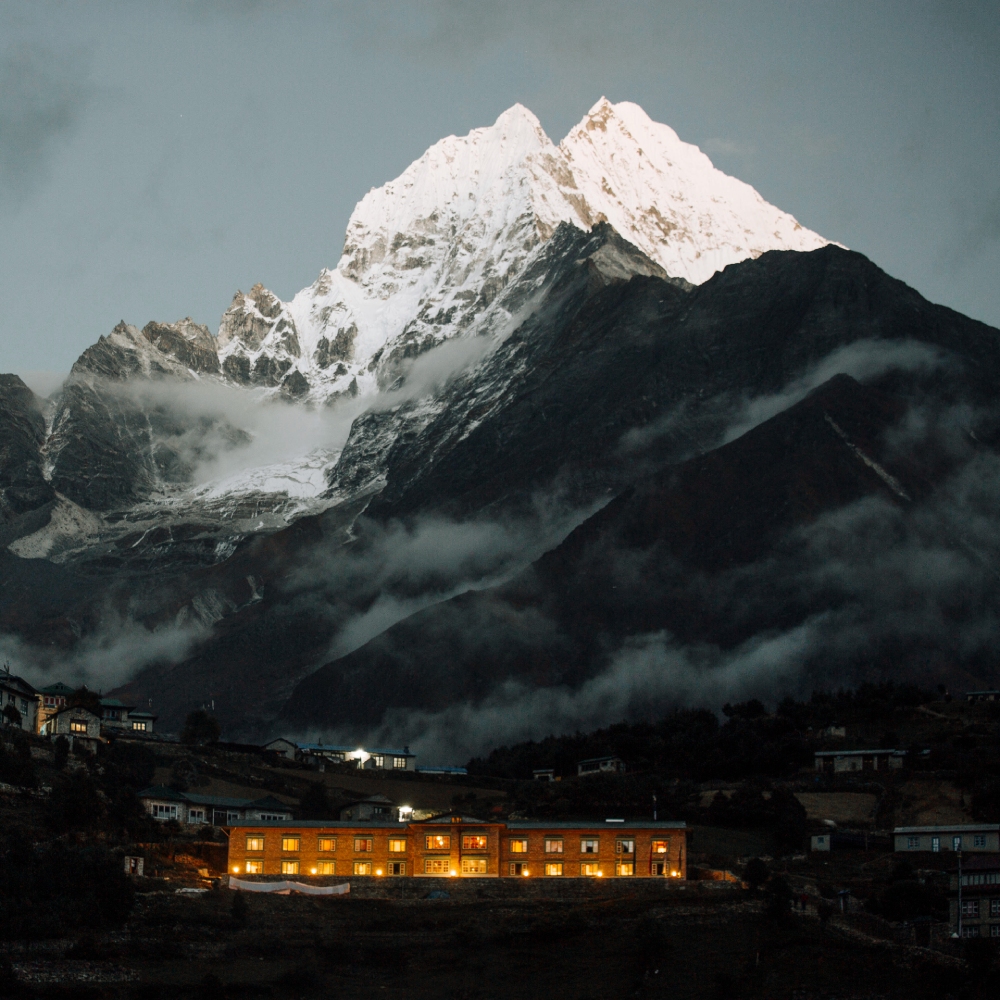
These are the lodges I use across both the Everest and Annapurna trail systems. Consistent quality, well-located, genuinely good food at altitude — which matters more than people realise after a long day of walking. They're not boutique hotels. They're the best thing available on the trail, and they do the job properly.
Chitwan — Meghauli Serai, A Taj Safari Lodge
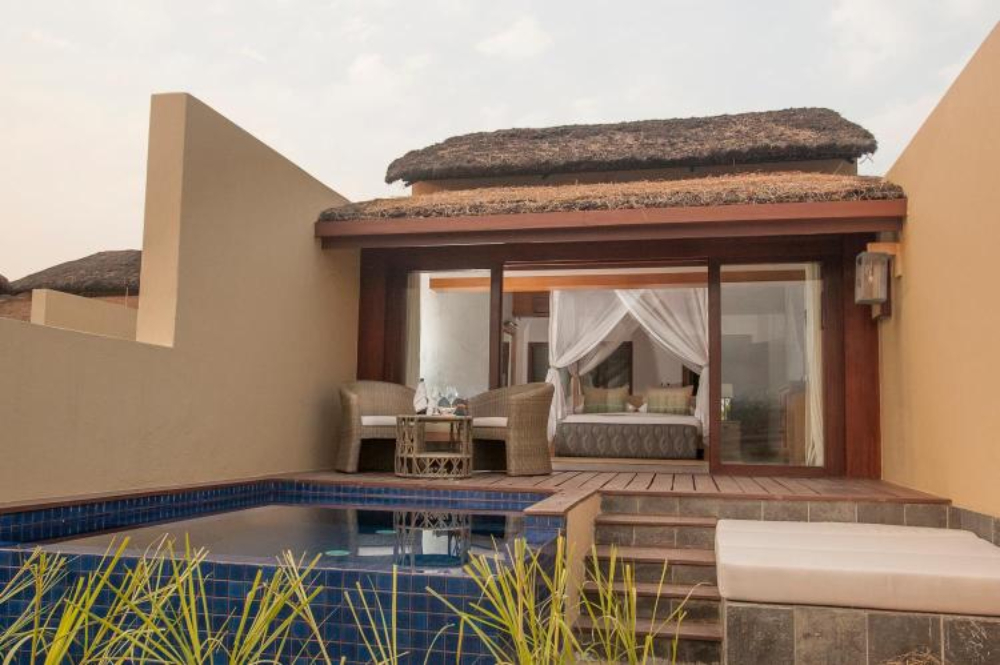
For the full immersive safari experience. The property sits directly on the Rapti River with Chitwan National Park on the other side. Elephants cross in front of you. It's one of those settings where you keep forgetting to eat because you can't stop watching. Barahi Jungle Lodge is the other property I trust here — right on the park boundary, excellent naturalist guides.
Everest Foothills — The Happy House, Phaplu
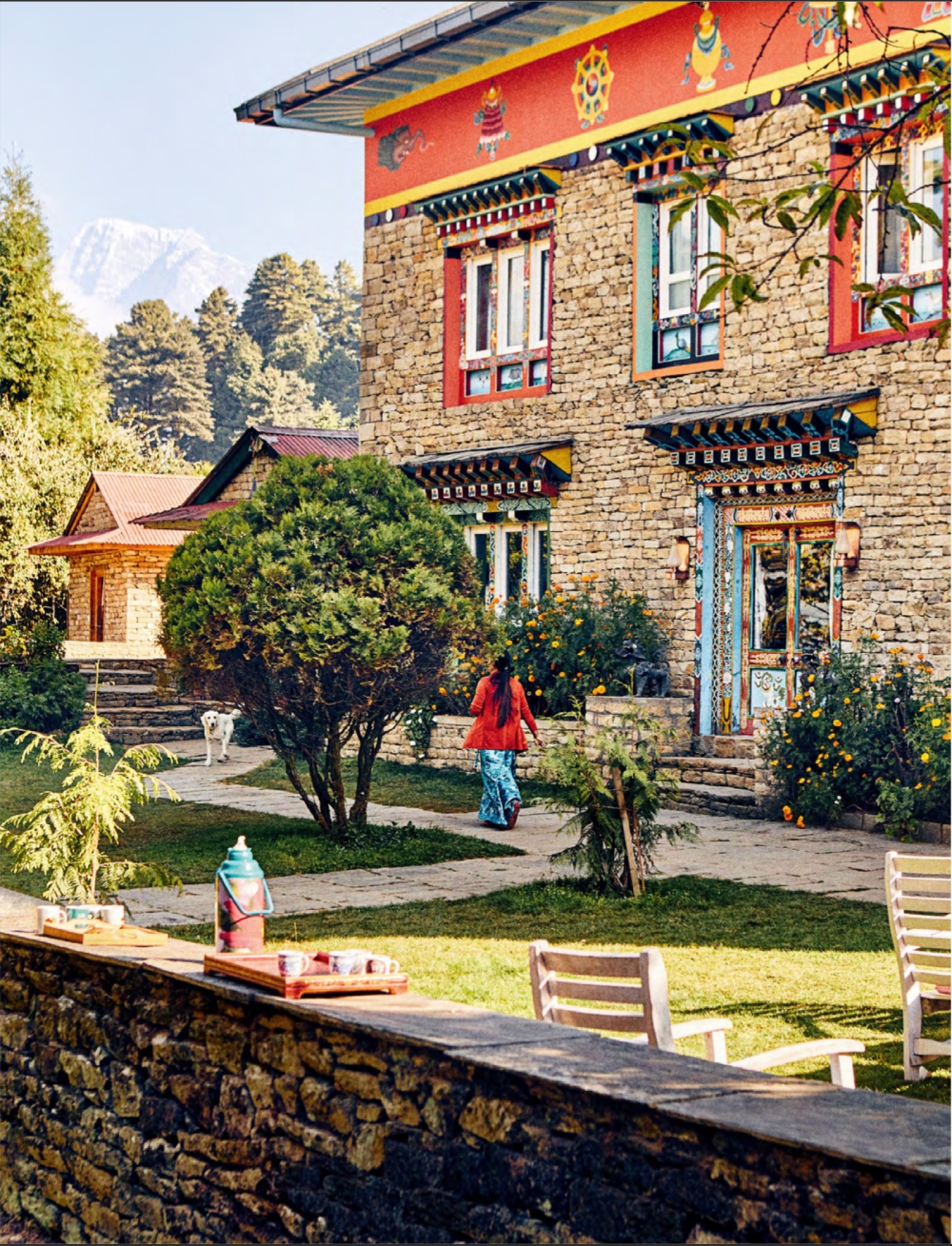
Small, personal, and connected to the real Sherpa heartland. This is where you go if you want Everest without the crowds of the main Lukla route. Sir Edmund Hillary built the hospital here. The monastery at Chiwong is extraordinary. The Happy House is run with genuine warmth, and it shows.
How Everest Luxury Holidays Plans Your Trip
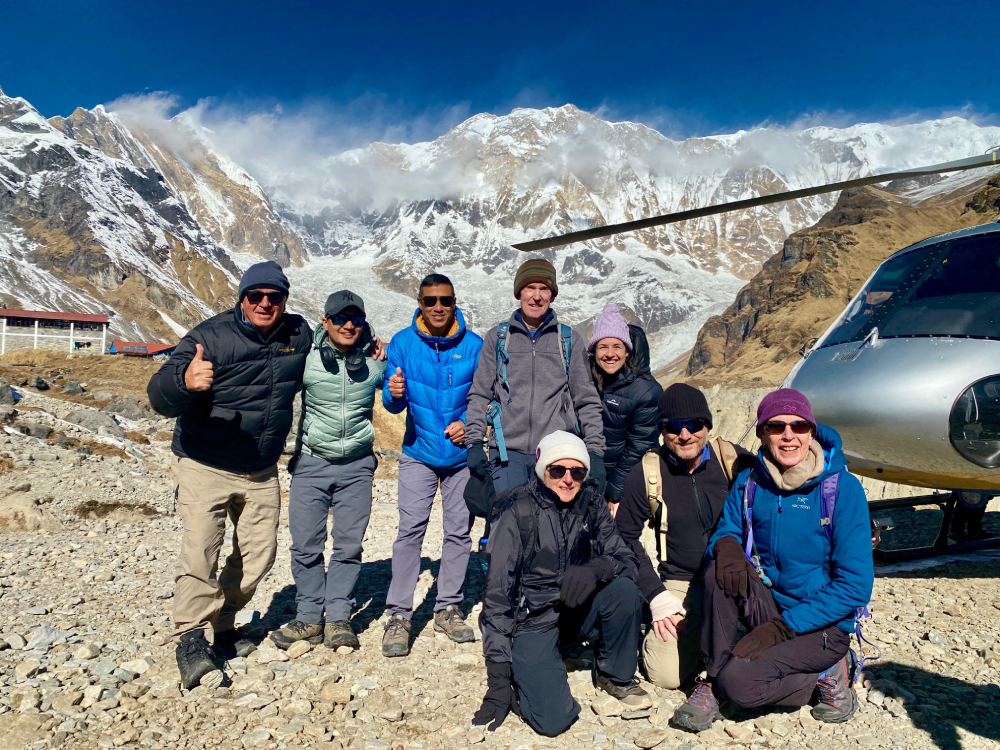
This is worth explaining, because how we work is different from most operators.
When you contact us, you don't get a brochure. You get a conversation. I want to know what kind of traveller you are, what you've done before, what you're hoping to feel at the end of the trip — not just where you want to go.
From there, we build something around you. Our guides are briefed in detail before every departure — your preferences, your pace, things you want to go deeper on. The logistical details (permits, transfers, helicopter bookings, lodge reservations) are all handled invisibly. You show up and experience Nepal. We handle everything else.
We work with a small number of travellers at a time. That's intentional. It's the only way to do this properly.
If you're thinking about coming, the best first step is just to start a conversation. You can enquire here, WhatsApp us directly, or browse our curated Nepal journeys to get a sense of what we put together.
How Much Does a Luxury Nepal Tour Cost?
This is the most common question I get, and the honest answer is: it depends on what you want.
A privately guided cultural trip to Kathmandu and Pokhara for two people, staying in top-tier hotels, runs roughly $3,000–$5,000 per person for 7–10 days, including internal flights and a helicopter experience.
A more comprehensive journey — Kathmandu, Chitwan, Pokhara, and a trekking element with helicopter return — typically sits between $5,000–$9,000 per person, depending on lodge selection and group size.
The Wellness in Annapurna journey and Upper Mustang itineraries are priced separately due to the restricted area permits and specialist accommodation involved.
We don't publish fixed prices because we don't build fixed trips. Contact us, and we'll give you a clear, honest quote based on exactly what you want.
FAQs: Luxury Nepal Tours
Do I need to be fit to do a luxury Nepal tour?
Not necessarily. Most of our cultural and holiday-style journeys involve light walking and comfortable transfers. Trekking itineraries vary — some are gentle valley walks, others involve higher altitudes. We match the journey to you, not the other way around. If you're unsure, tell us your fitness level, and we'll advise honestly.
Is Nepal safe for luxury travellers?
Yes. Nepal is a stable, welcoming country with a strong culture of hospitality. The main things to prepare for are altitude (relevant for trekking) and road conditions outside major cities — both of which we manage through careful itinerary design and helicopter transfers where needed.
Can I visit Upper Mustang without a guide?
No. Upper Mustang is a Restricted Area and requires both a Restricted Area Permit ($50/day) and a licensed, registered guide. Solo entry is not permitted. This is actually one of the reasons the region has stayed so pristine — and why it's worth going.
Can I combine Nepal with Bhutan?
Absolutely — and I'd argue it's one of the finest combined journeys in Asia. We run luxury Bhutan tours alongside our Nepal programmes, and the two countries complement each other remarkably well. Nepal is dramatic and immersive; Bhutan is quiet and contemplative. Together, they're a complete experience.
What's the best Nepal trip for someone who has never trekked before?
Start with the Signature Nepal Tour — it covers Kathmandu, Chitwan, and Pokhara with optional helicopter experiences and light walking. No trekking required, no altitude challenges. It's a full picture of Nepal without any physical pressure.
When should I book?
For spring (March–May) and autumn (September–November), I recommend booking at least 4–6 months ahead. The best lodges fill early, and restricted area permits for Mustang require advance registration. For winter travel, 2–3 months is usually sufficient.
Do you handle everything, including flights?
We handle all in-country logistics — domestic flights, helicopters, private transfers, permits, accommodation, guides, and meals as per your programme. For international flights, we advise, but typically leave booking to you or your travel agent.
The Part No Guide Will Tell You
I've been doing this for 20 years. I've walked every district of Nepal. I've sat in monasteries at 4,000 metres and eaten dal bhat in farmhouses with no electricity and watched the sun come up over Everest more times than I can count.
And I still get asked the same question: "Is Nepal really worth it for a luxury traveller?"
The honest answer is that Nepal isn't a luxury destination in the way the Maldives or Tuscany is. It doesn't meet you where you are. It asks something of you — a little patience, a little openness, a willingness to be somewhere that doesn't operate on your schedule.
What it gives back is harder to describe. I've watched people step off helicopters at Kalapathar and cry. I've seen couples who came for two weeks extend to four. I've had clients email me a year later saying the trip changed something in them.
That doesn't happen at every destination. It happens here because Nepal is genuinely extraordinary — and because when you travel it the right way, with the right people, with the right level of comfort underneath you, nothing gets in the way of feeling it.
That's what we build at Everest Luxury Holidays. Not trips. Experiences that stay with you.
If you're ready to start planning — or even just thinking about it — the best thing you can do is talk to us. Tell us what you're looking for. We'll tell you honestly if we can deliver it, and exactly how we'd do it.
Start planning your luxury Nepal tour →
Browse our Signature Nepal Tour →
Explore Wellness in Annapurna →
Discover Upper Mustang by Jeep →
WhatsApp us directly →