The best guide I work with in Upper Mustang doesn't introduce himself to monks. He greets them. Not the way a guide greets a cultural contact to give clients a moment. The way you greet someone you've shared tea with for years, whose family you know, whose place in that monastery you've watched change slowly. A licence and good English can get you to Lo Manthang and a history lesson; a real relationship gets you a head lama who agrees to talk because he trusts the guide, and what follows isn't a demonstration. It's two people who've decided to trust each other.
That's what a small-group trip through Everest Luxury Holidays actually buys: not a route through the Kingdom of Lo, but access to it. Here's what that trip looks like, what it costs, and why we send clients in by jeep instead of on foot.
An Ancient Kingdom, Not a Detour
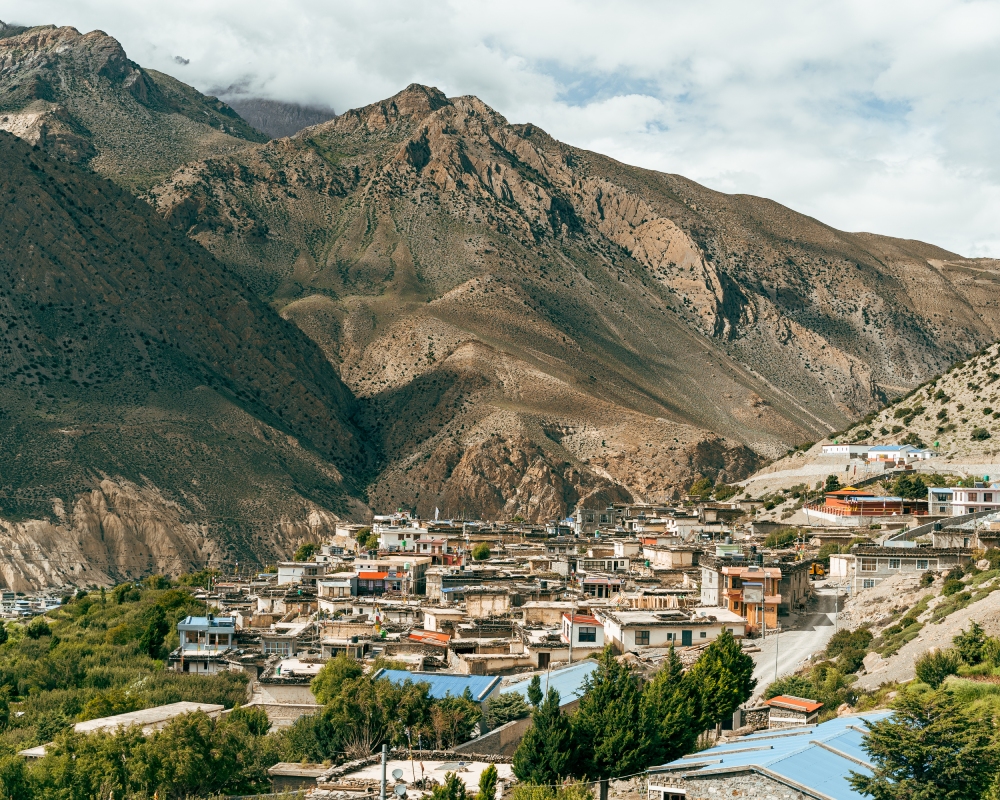
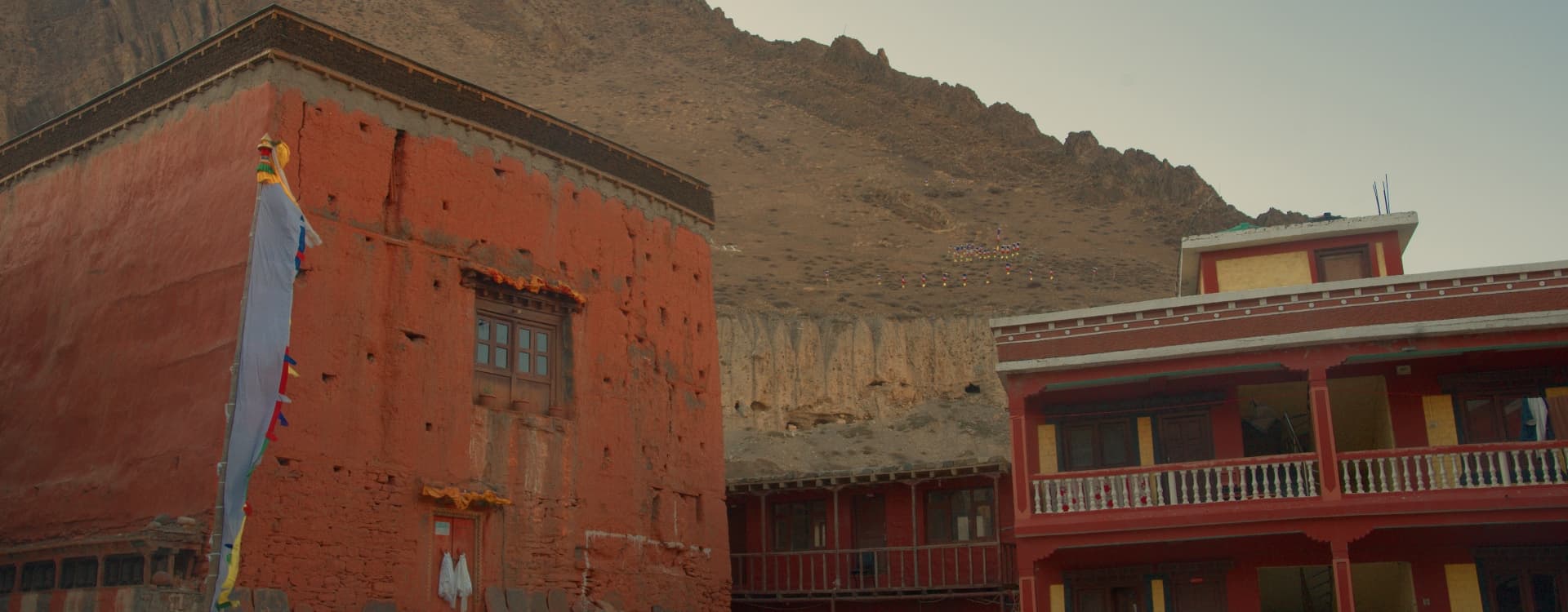
Mustang isn't a side trip from Annapurna. It was its own kingdom, the Kingdom of Lo, closed to outsiders until 1992. That isolation left behind a culture that never had to perform for anyone, because for most of its history nobody was watching. The villages are still built from the only material the land offered: mud, packed and shaped for centuries. They're lived-in homes, not museum pieces.
Nepal restricts entry to keep it that way. You need a registered agency, a licensed guide, and a permit. That system changed this year: as of March 2026, the Upper Mustang Restricted Area Permit dropped from a flat USD 500 for the first ten days to USD 50 per person, per day, with no minimum stay. Solo travellers can hold their own permit now too, as long as they're with a licensed guide — that part was never negotiable and still isn't.
People ask why Mustang costs more than Bhutan. Wrong comparison. Bhutan built its whole system around wellbeing; people leave feeling reborn. Mustang doesn't renew you. It takes you backwards.
Getting To the Mustang
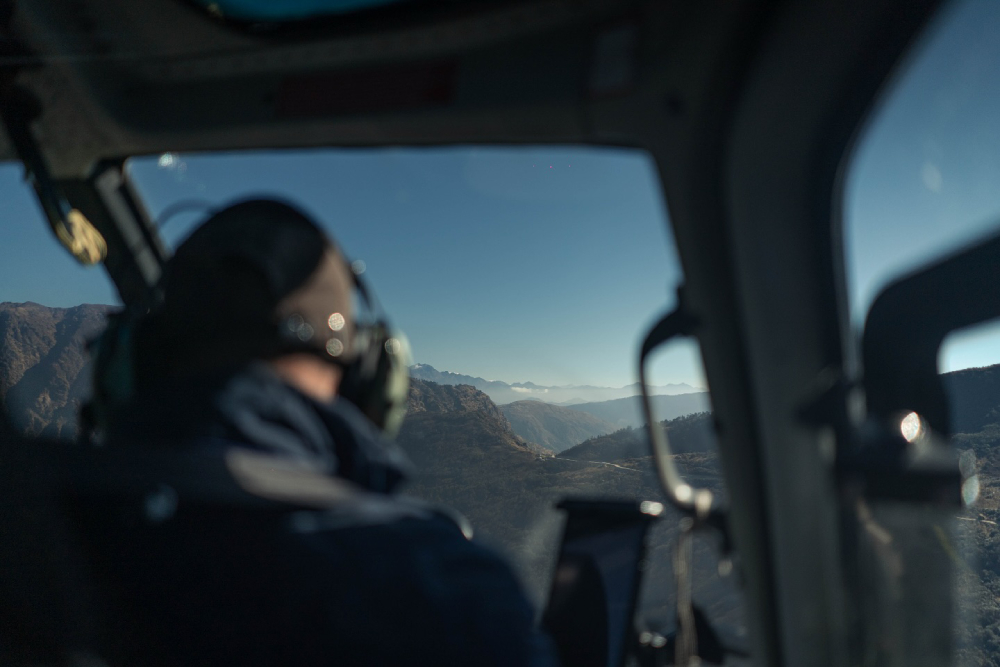
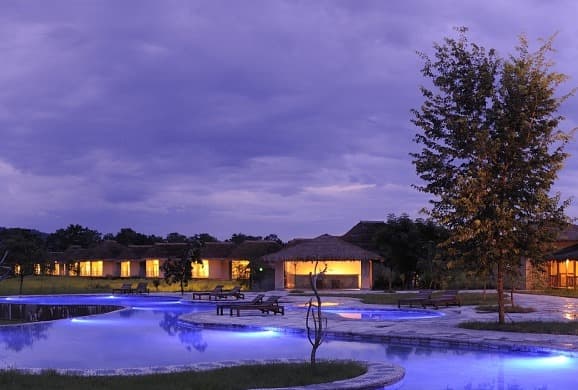
Mustang sits in Nepal's trans-Himalayan west, in the rain shadow of the Annapurna and Dhaulagiri ranges, which is why the light and the colour here look like nowhere else in the country. The fastest way in is a short flight from Kathmandu to Pokhara, then a hop to Jomsom, or a private helicopter straight to Shinta Mani Mustang's own helipad if you want to skip the queue entirely.
The ground route takes longer, and I understand why people choose it anyway: you meet the region gradually instead of dropping into it. Five to six hours by road from Pokhara gets you to Marpha, a good first read on Mustang's architecture and pace. Twenty minutes past that is Shinta Mani Mustang. Kagbeni is another twenty-five. Roads are rough in stretches, and the air thins out enough at altitude that vehicle air conditioning starts to struggle. That's part of understanding where you are, not a complaint. Here's why we usually route clients by jeep rather than on foot.
Walk through Kagbeni's alleys without a schedule, and you notice something specific. This isn't a preserved place or a restored one. It just never stopped being inhabited the way it always was.
Lubra: Older Than the Buddhism Around It
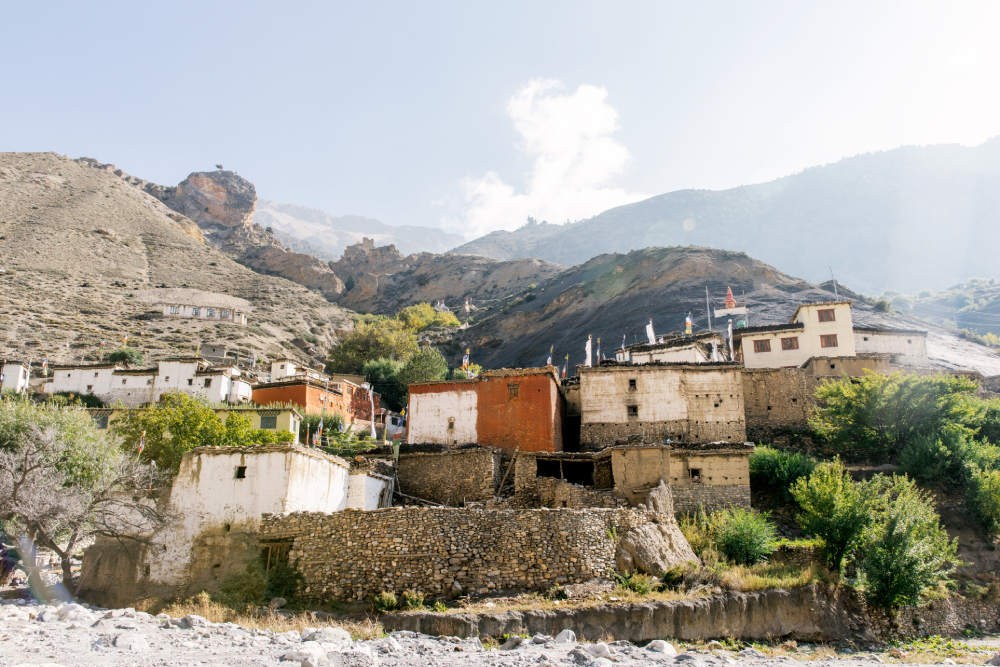
Most people come to Mustang for the Tibetan Buddhist side of it: cave monasteries, the walled city of Lo Manthang, prayer flags along the Kali Gandaki. We route every itinerary through Lubra first.
Lubra is the last surviving Bon Buddhist village in Mustang, possibly in Nepal. Bon predates Buddhism in Tibet by centuries — the indigenous practice that was there before Buddhism arrived in the 8th century and absorbed most of what came before it. Lubra kept that older tradition intact. The rituals, the layout of sacred space, the cosmology: all Bon, not Buddhist. If you know what you're looking at, it feels like stepping into a completely different relationship with the landscape. If you don't, it still feels different. Older, somehow, tied more to the ground than to anything built on top of it.
Our guides walk clients through that distinction before arrival, not as a briefing but as context. Knowing what came before a place changes what the place means once you're standing in it. Lubra came before nearly everything else in this valley. It's a short drive and a twenty-to-thirty-minute walk from Shinta Mani Mustang.
(Open item, unchanged: the old post covered the Tiji and Yartong festivals here. Want a bridge to festivals-of-nepal, or is that cut on purpose?)
What the Journey Looks Like
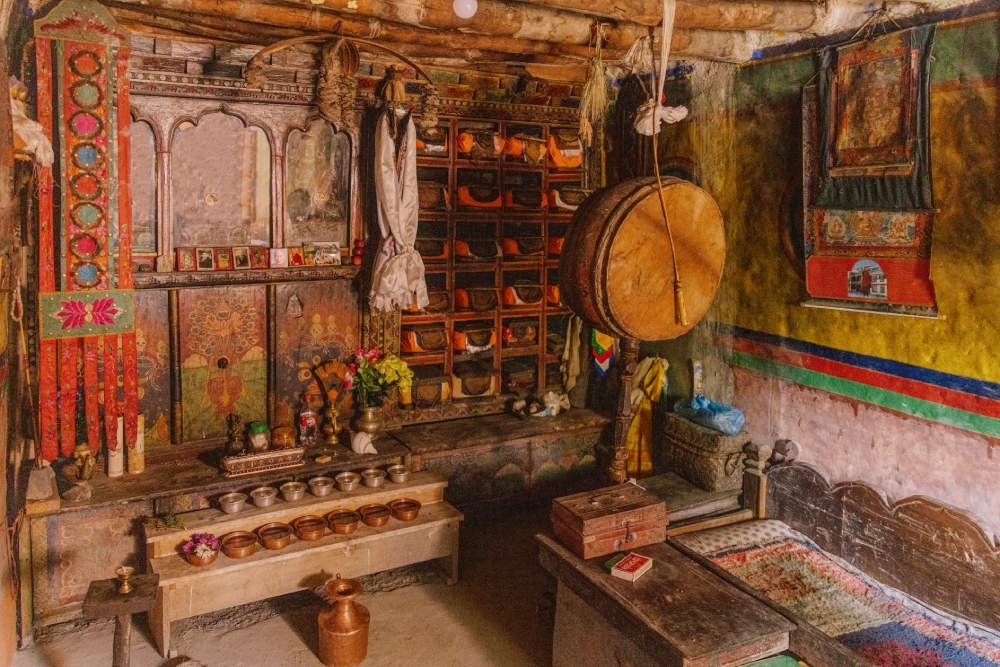
The signature Mustang journey runs twelve days, starting and ending in Kathmandu, through Thini, Marpha, Kagbeni, and Lo Manthang, with private guided hikes to Chhyama and Dhumba Lakes.
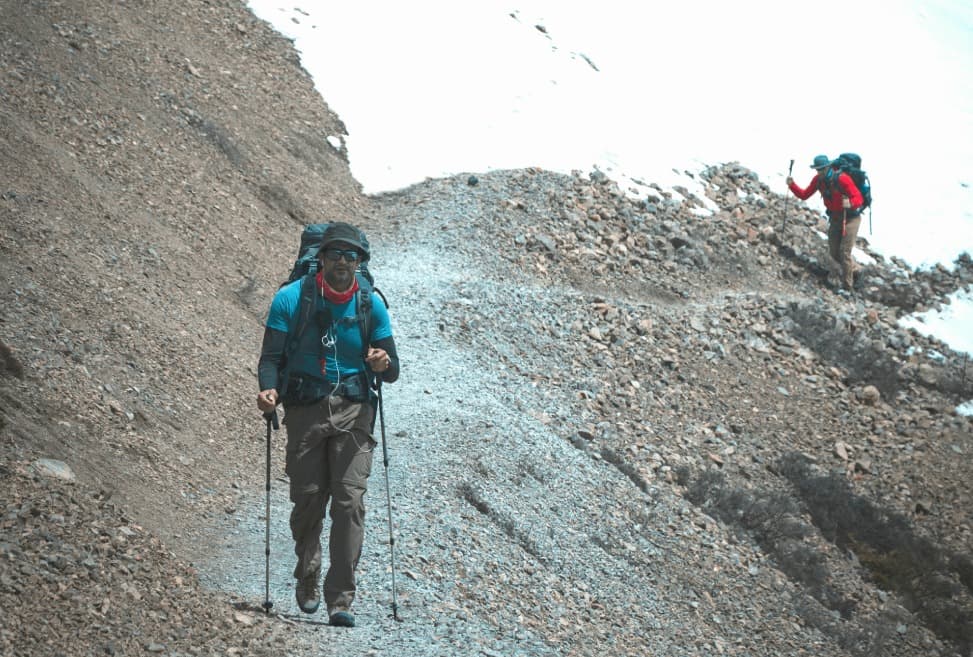
Chhyama earns the detour. It's a full day out and back. The trail climbs out of the Kali Gandaki valley through arid country, the colours shifting from ochre to grey to a specific blue-white as the altitude climbs. The Nilgiri Himal, three summits over 7,000 meters, sits across the water. The water is still the way water at altitude is always still: completely, like it made a decision. There's nothing to do at the lake. You eat lunch. You look at the water. You look at the mountain. If you brought a book, you probably won't open it.
Nights split between a basic lodge in Ghami and two nights in a proper lodge in Lo Manthang. Muktinath is on the route too — a meditation site of Padmasambhava in Tibetan Buddhist tradition, a place of salvation for Hindu pilgrims, the two traditions sharing the same ground without friction. Kathmandu and Pokhara both get free days built in.
Everything's inclusive: daypacks and poles for hiking days, meals built around what you need, wine and select spirits, a wellness-oriented meal plan while you're at Shinta Mani.
When to Go
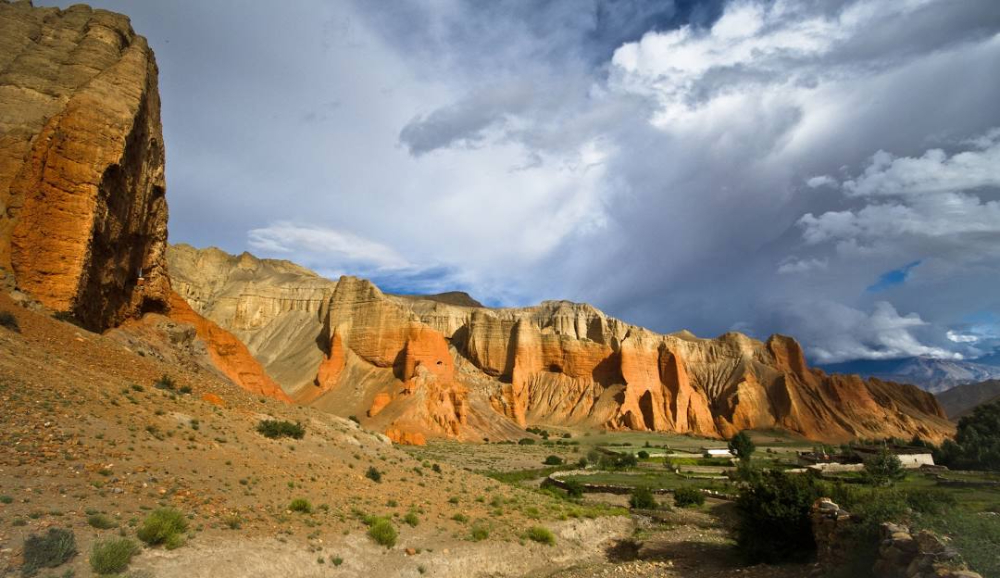
Mustang sits in a rain shadow behind the Annapurna and Dhaulagiri ranges, so the calendar here runs differently than the rest of Nepal's. Mornings are still and clear. Wind picks up by early afternoon, sometimes hard enough that you plan hikes around it rather than around rain. Spring and autumn are when that wind is most predictable, and the skies stay clearest against the mountains.
September is the month we point people toward if they want to see Mustang at its least austere. The monsoon elsewhere in the country has mostly broken by then, which means easier travel days getting in, and the valley picks up a short window of green and wildflowers against the ochre hills — gone again within a few weeks. Ask for it by name when you inquire; it's not the default recommendation, and dates get held early.
Winter closes some of the higher lodges, and the cold at 3,800 meters plus isn't casual. Summer means the wind and dust are at their worst, even with the rain shadow keeping actual precipitation low. Neither is when we send clients.
What It Costs
The all-inclusive small-group journey starts at USD 9,110 per person, twin-share, for twelve days. That figure covers the Restricted Area Permit, licensed guide, all lodging including the two nights in Lo Manthang, all meals, ground transport, and the wellness-oriented stay at Shinta Mani. The permit alone runs USD 50 per person per day now, so a shorter or longer stay shifts that line item directly — it's one of the few costs in the trip that scales with your dates rather than being fixed.
The private helicopter option to Jomsom is USD 7,000, and that's the aircraft, not a per-seat price — it seats up to five excluding the pilot, and we recommend booking it for four so there's a seat held for your guide rather than adding them as a sixth.
What you're actually paying for, compared to a standard trekking-agency Mustang package, is the guide relationships this piece opened with. That's not a line item you can put a number against, but it's the difference between a licensed guide narrating history at Lo Manthang's gates and one who gets you inside a monastery on a day it isn't officially open to visitors.
Dates run seasonally through spring and autumn. We're not listing them here since they go stale within a season — get in touch, and we'll tell you what's actually open right now.
FAQs
What permits do I need for Upper Mustang, and how do I get them?
Two permits: the Restricted Area Permit, now USD 50 per person per day with no minimum stay since the March 2026 change, and the standard Annapurna Conservation Area Permit. A licensed guide is mandatory for every traveller, solo or otherwise. In practice, this isn't something you book online yourself — we handle it as part of arranging your trip, which is a large part of why you'd go through an agency instead of piecing it together alone.
How much does an organised trip to Upper Mustang cost?
The all-inclusive small-group journey starts at USD 9,110 per person, twin-share, covering permits, guide, lodging, meals, and transport for twelve days. A private helicopter to Jomsom runs USD 7,000, up to four passengers plus your guide. Dates run seasonally through spring and autumn; get in touch, and we'll tell you what's open.
What's the best time of year to visit Lo Manthang?
Spring and autumn, without much competition. Mustang sits in a rain shadow, so you're not choosing around rainfall the way you would elsewhere in Nepal. Both seasons give stable weather and clear peaks. For a hint of colour, ask about September — the dry hills pick up a short flush of green most visitors never see.
How do I choose the right Mustang tour operator?
Look past the itinerary and ask about the guide relationships. Mustang's monasteries and villages open differently to people the guide already knows than to a group passing through once, and that access takes years to build, not a week's notice. Ask how long the operator's been running trips here, whether the same guides come back year after year, and what happens with the time left over once the standard sights are covered. That's usually where "best operator" actually lives.
What's included, and what should I bring?
Permits, guide, lodging, meals, wine and select spirits where available, daypacks and poles for hiking days — all handled. Bring clothing for layering at altitude and whatever makes the trip comfortable for you personally. We send a packing note once your dates are confirmed since it shifts slightly by season.
How does a jeep-based Mustang trip compare to trekking in?
Both reach the same villages and monasteries. Trekking takes 18-plus days and real stamina. The jeep route covers it in twelve — and often means more time in Lo Manthang and the surrounding villages, not less, because you're not spending days recovering from the walk in. More on that trade-off here.
Why We Keep Going Back
We've designed more than fifty trips across Nepal's trekking regions, and Mustang keeps doing the same thing: it rarely gives people what they came for. Travellers arrive for the landscape and leave talking about twenty minutes of silence in a monastery courtyard, or a conversation their guide had with a monk who trusted him enough to speak freely in front of strangers. That kind of access can't be built into an itinerary. It's the same thing from the start of this piece: a guide who greets instead of introduces, built one relationship at a time. That's the standard every trip gets designed around.
If that's the Mustang you're after, get in touch, and we'll start planning.