I've been guiding people through the Everest region for over two decades. And the question I get asked most often isn't about permits, or altitude, or fitness levels.
It's this: "I don't want to climb it. I just want to see it. Is that enough?"
Yes. It's more than enough.
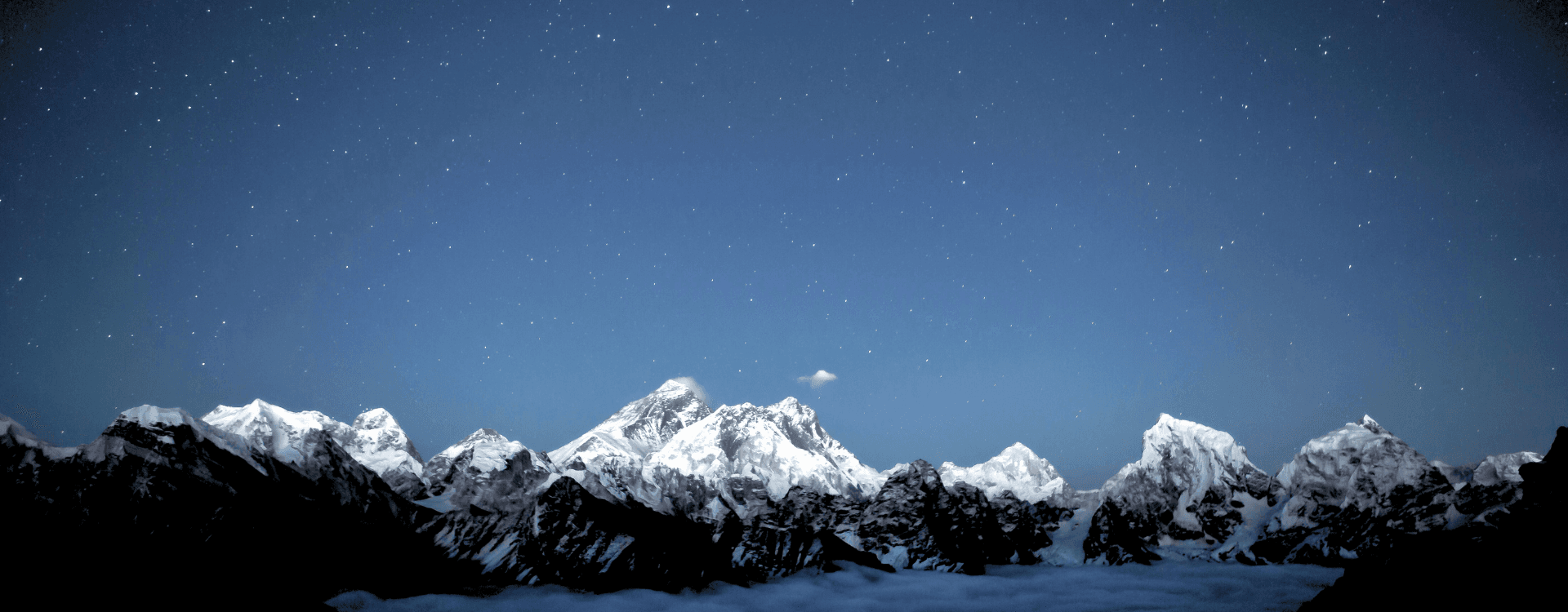
Climbing Everest shows you what the mountain demands of you. Not climbing it — really seeing it, sitting with it, watching the light move across it at dawn — shows you what it actually is. That distinction matters. And in my experience, the people who come back most changed aren't always the ones who reached Base Camp. They're often the ones who sat quietly at Kongde or Gokyo Ri, with no agenda, and just looked.
This guide is for those people. Here's how I approach Everest views — for clients who want depth, not just altitude.
The Best Viewpoints of Mount Everest (Ranked by Experience, Not Elevation)
1. Renjo La Pass — The One Most People Miss
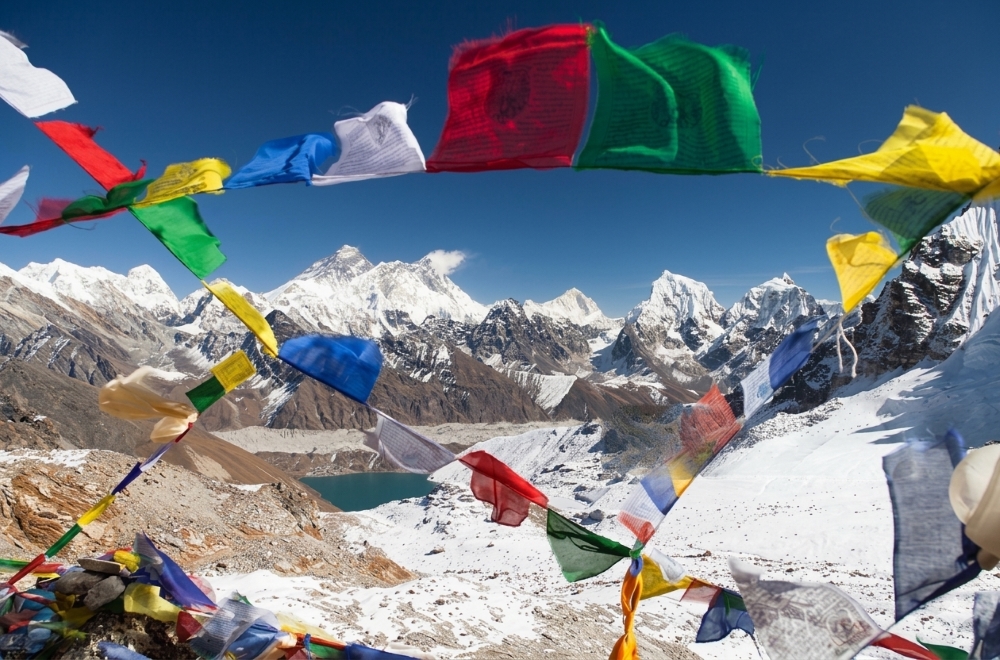
Let me start here, because almost nobody does.
Renjo La sits at 5,340 metres on the western edge of the Gokyo Valley. From the pass, you see Everest, Lhotse, Makalu, and Cho Oyu in a single unbroken line — and below you, the Gokyo Lakes stretch out in that impossible turquoise that still catches me off guard every time I see it. It's the kind of view that makes you stop talking. Not because you're out of breath, though you might be, but because there's genuinely nothing to say.
Most trekkers on the Everest circuit skip it. That's exactly why I include it.
Renjo La is reached via a loop from Gokyo — typically 5 to 6 hours up and back. It's demanding but not technical. For clients doing our Luxury Everest Base Camp Trek, I try to build this in wherever the itinerary allows. If you only have one sunrise to spare in the Khumbu, I'd spend it here over Kala Patthar.
2. Kala Patthar (5,545 m) — Still the Classic, and For Good Reason
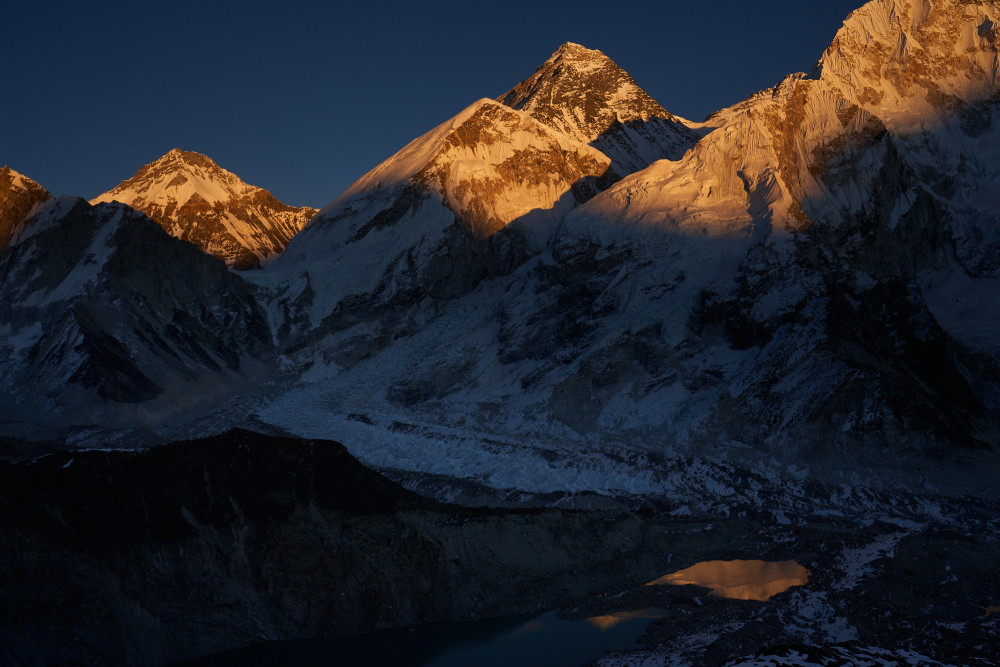
I won't pretend it's undiscovered. It isn't. At peak season — October especially — Kala Patthar at sunrise has more headlamps than a football stadium. But the view is still the view.
Standing at 5,545 metres with Everest filling the entire north face of your vision, Nuptse and Lhotse framing it on either side — that doesn't lose its power just because other people are also witnessing it. The mountain doesn't care how many people are watching.
What I've changed over the years is how I prepare clients for it. We don't rush the ascent the night before. We time the walk from Gorakshep so clients arrive at the ridge just as the sky starts to lighten — 5:10 am, roughly, in October. The first colour hits the summit pyramid before anything else. That 20-minute window, before full sunrise, before the crowd noise builds — that's when Kala Patthar earns its reputation.
Our Luxury Everest Base Camp Trek includes a private guide, lodge-to-lodge comfort, and a helicopter return — so the walk down, which most trekkers dread, becomes optional.
3. Gokyo Ri (5,357 m) — For People Who Want the View and the Silence
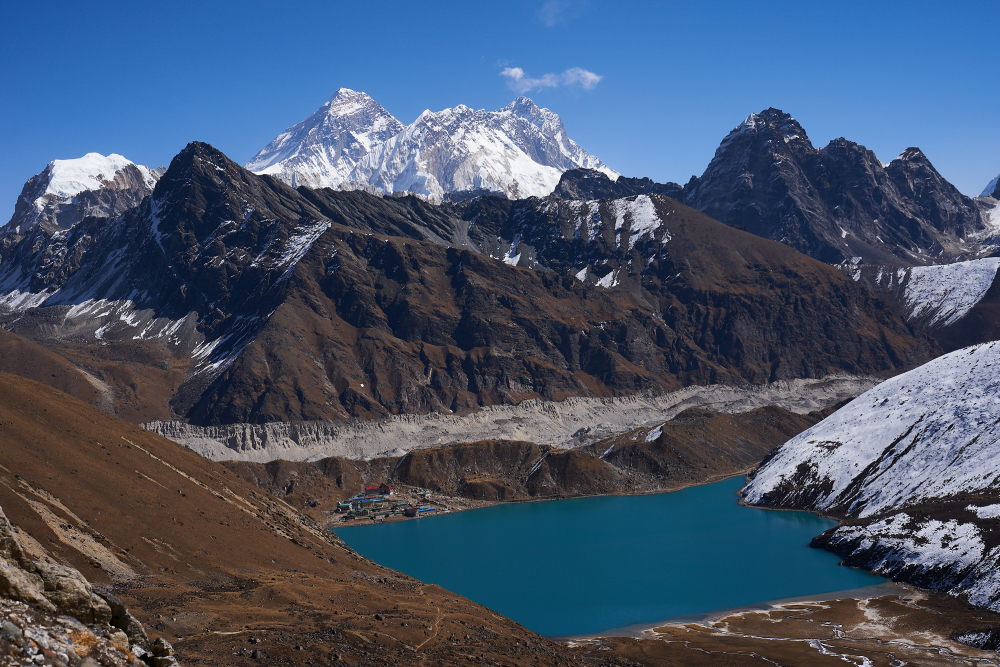
Gokyo Ri sits above the Gokyo Valley, and what it gives you that Kala Patthar doesn't is context. You're not just seeing Everest — you're seeing it in its landscape. The Ngozumpa Glacier below. The lakes. The curve of the valley. It feels less like a summit viewpoint and more like a vantage point from which the whole Himalaya is laid out as if for your benefit.
The route here is quieter. The village of Gokyo is smaller, slower, and has a quality of life in the mornings — yaks moving through the alleyways, smoke from teahouse kitchens — that Namche has largely lost to tourism infrastructure.
I combine Gokyo Ri with Renjo La for clients who want the full western circuit. For those short on time, it pairs perfectly with a helicopter return — you walk up, you fly home. Done in three days out of Lukla, comfortably.
4. Pikey Peak (4,065 m) — The View Edmund Hillary Called His Favourite
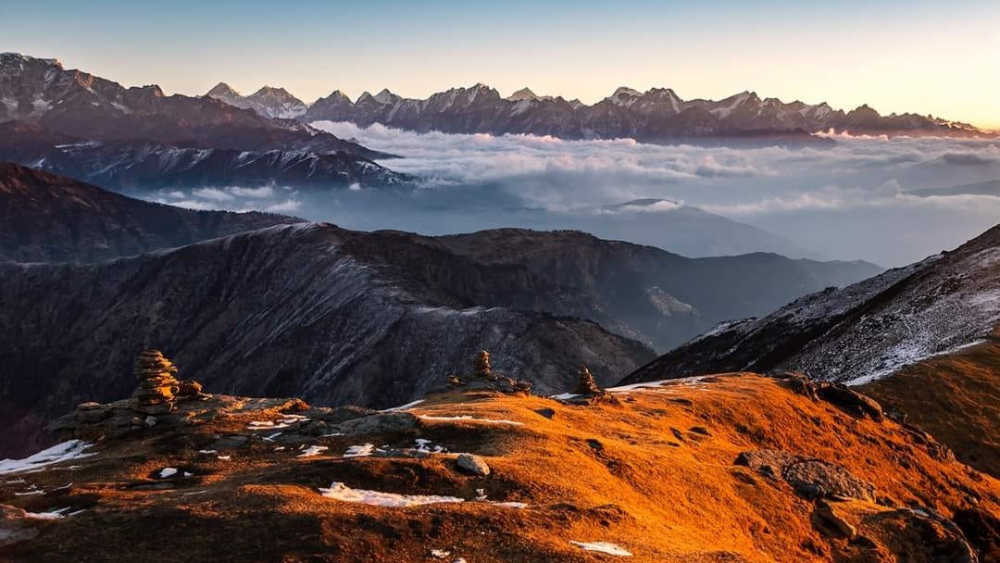
This one I tell every client about, and about half of them book it. The other half regretted it later.
Pikey Peak sits in the Solu region at 4,065 metres — low enough to be accessible without serious acclimatisation, high enough to give you an unobstructed western panorama of Everest and its neighbours. Sir Edmund Hillary reportedly said this was his favourite view of the mountain. I believe it. At that angle, in the early light, Everest looks less like a summit and more like a presence. Wide-shouldered, massive, somehow more complete than it appears from the standard Khumbu trails.
The approach passes through rhododendron forest and small Buddhist villages that haven't been reshaped by trekking tourism. There's a teahouse in Jhapre where I stop every time. The owner remembers me. That continuity — a cup of tea with someone who knows your face — is part of what makes Pikey what it is.
It's not right for everyone. But for clients who want to see Everest without the infrastructure that now surrounds it, Pikey is where I send them.
5. Hotel Everest View (3,880 m) — The Most Underrated Overnight in the Region
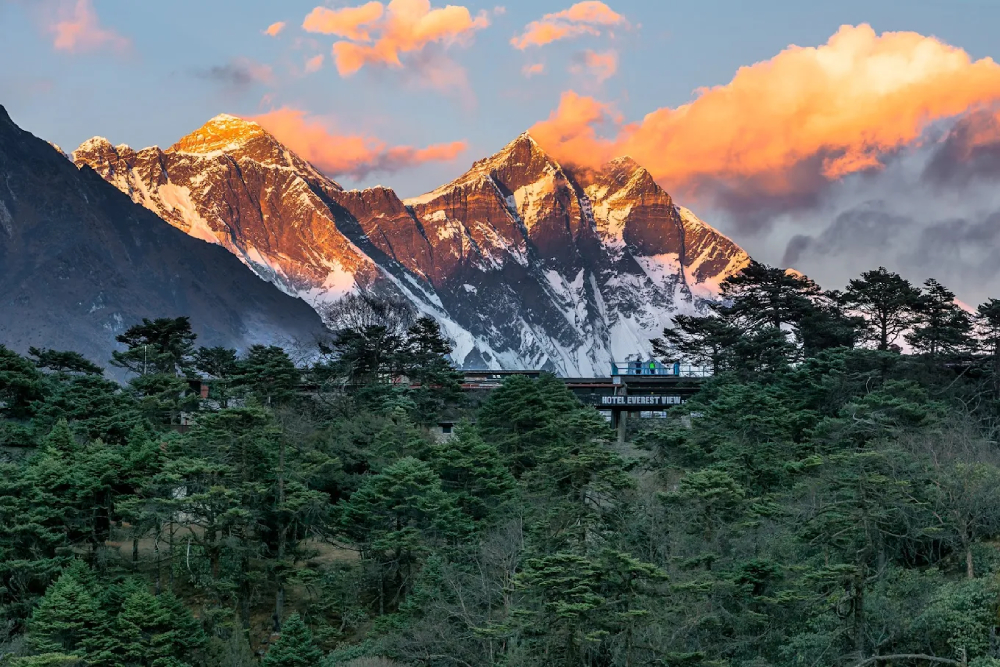
I know what it sounds like: a hotel named after its view. But Hotel Everest View, sitting above Namche Bazaar at 3,880 metres, consistently produces one of the most affecting Everest experiences I've seen clients have — and they're doing it from a heated room with a glass of Nepali wine.
The reason is the angle. From the hotel's terrace, Everest, Lhotse, and Ama Dablam are arranged in a line that feels almost staged. At sunset, when the light goes gold and then pink on the upper ridges, you're looking at something that doesn't require any effort to understand. It just lands.
This is where we bring clients who are doing our Everest Helicopter Tour — fly in from Kathmandu, land at the hotel, have breakfast with that view, then continue into the Khumbu. It's a two-day itinerary that works for people who have one window in their schedule and want to use it properly.
6. Kongde (4,250 m) — The Hidden One
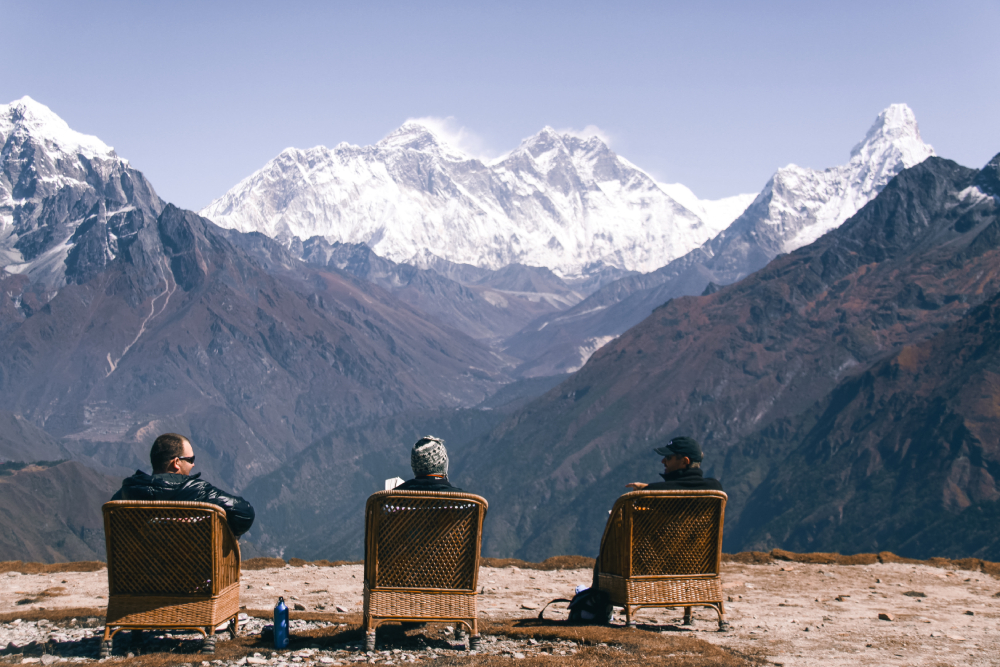
Kongde sits directly across the Dudh Koshi River from Namche. From the ridge, you see a panorama that takes in Everest, Thamserku, Kangtega, and Ama Dablam simultaneously — and you see it almost alone, because almost nobody comes here.
The Kongde Lodge is remote in the real sense. No trail of trekking poles heading toward you. No queue for the viewpoint. Just the mountain, the wind, and whatever you brought with you.
I access Kongde by helicopter for most ELH clients — it's too far out of the way for a standard trekking itinerary, but it makes a remarkable addition to a broader Everest region stay. If you're spending five or more days in the Khumbu, I'd give one of them to Kongde.
Everest Without Trekking: Flights and Helicopter Tours
Not every extraordinary Everest experience requires walking. For clients who are time-limited, physically restricted, or simply want a different lens, the air delivers something the trail can't.
The Everest Helicopter Tour (My Recommended Option)
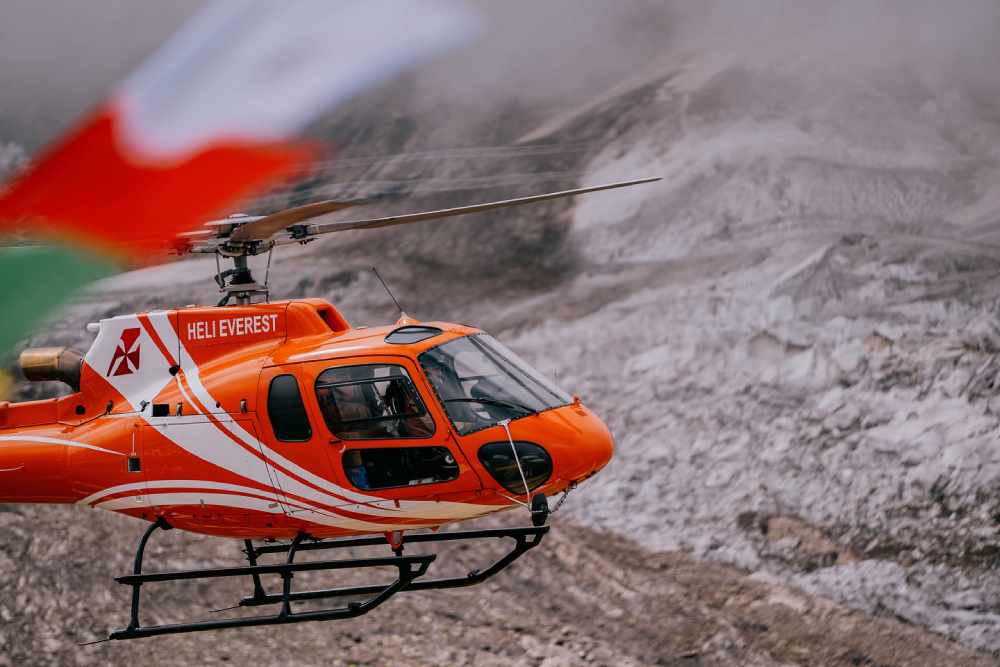
This is the itinerary I've refined over years of client feedback, and it's the one I stand behind most confidently for non-trekkers.
You fly private from Kathmandu into the Khumbu, passing over the Dudh Koshi Valley as the landscape below shifts from terraced farmland to moraine to glacier. The flight itself takes around 45 minutes. You land at either Hotel Everest View or Kongde — depending on conditions and preference — for breakfast with Everest directly in front of you.
What clients consistently tell me afterwards: they expected the view. They didn't expect to feel so inside it. That's what the helicopter delivers. You're not looking at a postcard. You're sitting 300 metres from a 6,000-metre wall of ice with a cup of coffee in your hand.
Book the Everest Helicopter Tour →
Mountain Flights from Kathmandu
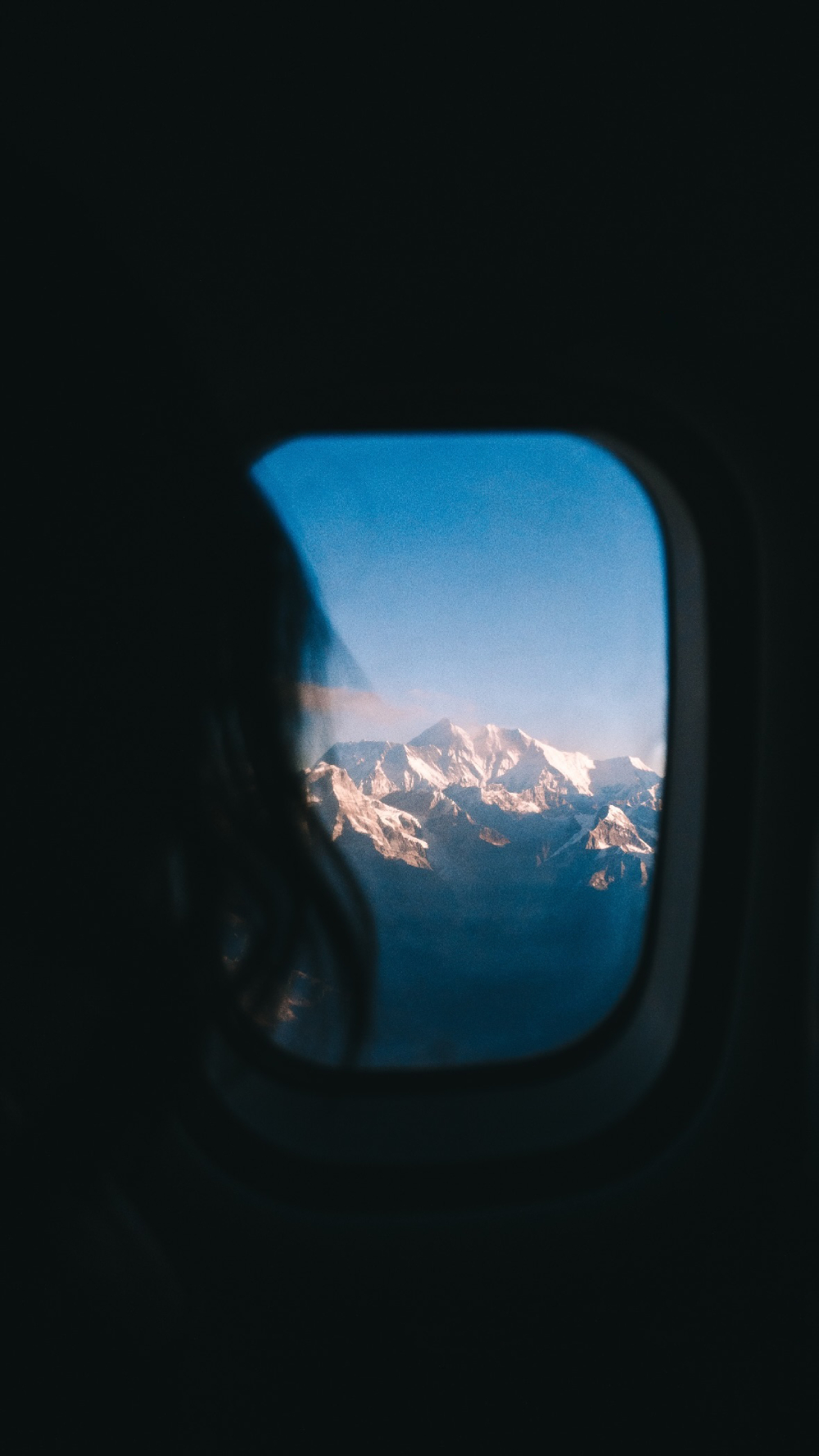
If a full helicopter tour isn't possible, mountain flights from Tribhuvan Airport offer a genuine alternative. The route takes you east along the Himalayan chain — Ganesh Himal, Langtang, Jugal, and then the high peaks: Everest, Lhotse, Makalu. Every passenger gets a window seat. The flight is roughly 55 minutes.
I'm honest with clients about what this is: it's a flyby, not an immersion. But it's a flyby at 35,000 feet with the highest mountain on earth filling the window, and there is nothing ordinary about that. For clients adding Everest to a broader Nepal itinerary, this works well as a standalone morning.
Luxury Trekking Routes with Everest Views
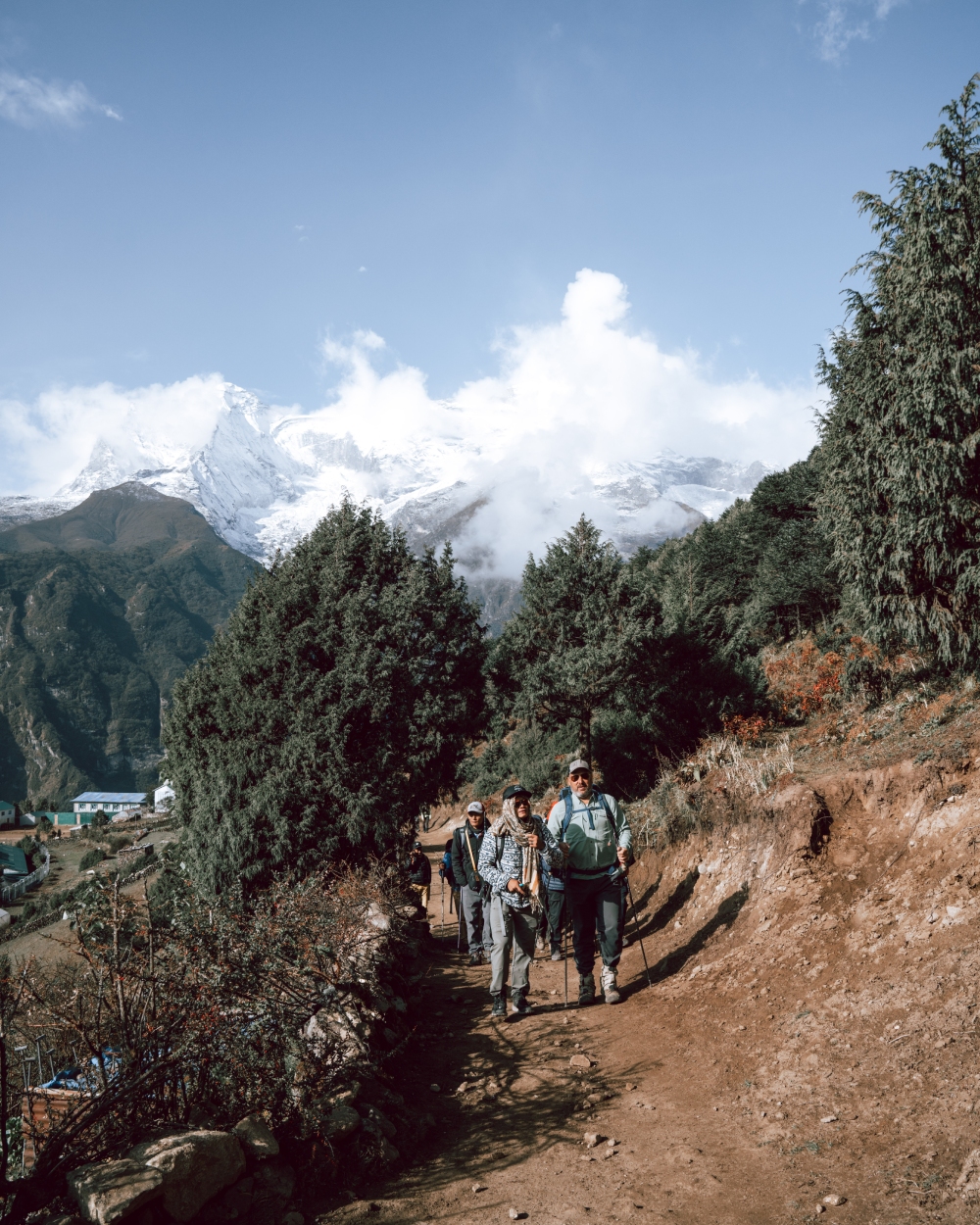
If you have the time and the physical readiness, nothing replaces being on the ground. The Khumbu at walking pace — the smell of juniper smoke in the morning, the sound of prayer flags, the way the trail shifts underfoot from stone to ice — is an experience that can't be compressed or replicated.
Luxury Everest Base Camp Trek
The full trek to Base Camp, done properly, takes 10 to 14 days from Lukla. Done in the ELH way — lodge-to-lodge with pre-briefed private guides, acclimatisation days built around experience rather than just rest, and a helicopter return from Gorakshep — it's the most complete Everest encounter available to someone not wearing crampons.
What makes it luxury isn't the lodges, though those matter. It's the quality of attention. A guide who knows on Day 4 that you prefer slow mornings. Who has already arranged for the kitchen at Dingboche to hold dinner until 8 pm because you like to walk until the light is gone. Those are the things clients remember ten years later.
Everest Sherpa Heritage Trail
For clients who want Everest views without the altitude commitment, this is my go-to. The route stays below 3,900 metres, moves through Namche Bazaar and Khumjung, and delivers the full cultural experience of the Sherpa heartland — monastery visits, local homes, the texture of daily life in the shadow of the mountain — without requiring acclimatisation beyond the first two days.
The views of Everest from Khumjung's ridge, on a clear morning, are no less than Kala Patthar. They're just different. Quieter. More intimate. The mountain is further away but somehow more approachable.
Explore the Everest Sherpa Heritage Trail →
When to Go: The Honest Answer
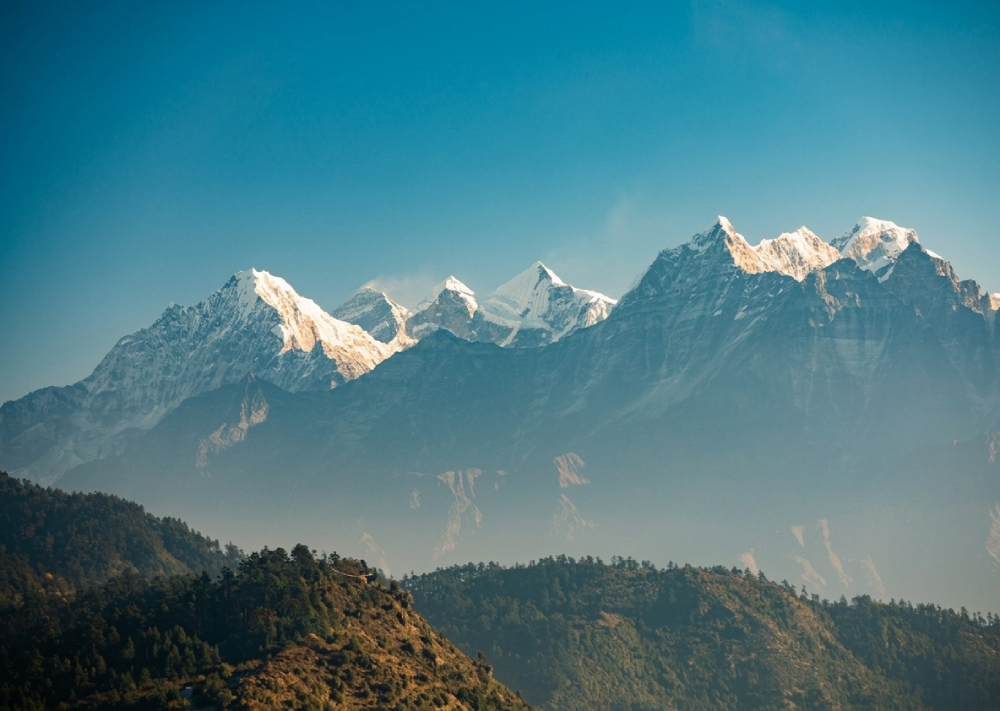
The standard advice is correct — October/November and March/May are the primary windows. But the honest nuance is this:
October is the single best month for views. The post-monsoon air is clean, the sky holds blue longer, and the light in the afternoon is extraordinary. The trails are busy, but above Namche the crowd thins quickly.
November is underrated. Colder, yes. But emptier, and the skies are consistently clear. For helicopter tours and mountain flights, November delivers the highest success rate of any month I've tracked.
March and April are for the trek itself — rhododendron forests in bloom, warmer temperatures, good views. But clouds build faster in the afternoon than in autumn.
Winter (December–February): Helicopter tours and mountain flights work brilliantly. Cold at altitude. Not ideal for the full EBC trek unless you're experienced with winter camping conditions.
Avoid June through early September. The monsoon isn't just rain — it's persistent cloud cover that will sit on the peaks for days at a time. Everest simply disappears.
A Few Things I Tell Every Client Before They Go
Go up slowly. This is not about safety advice — you'll get that in the briefing. It's about experience. The Khumbu reveals itself on foot, in the mornings, before the day starts. Rushing it means arriving at viewpoints before you've had time to develop any relationship with the place you're looking at.
The best Everest view you'll have is the one you weren't expecting. Twice in my career, I've had clients see the summit pyramid for the first time through a gap in the clouds from a tea house window, mid-morning, mid-trek. Not at a designated viewpoint. Not at sunrise. Just: there it was. That's what this region does when you slow down enough to let it.
Don't optimise for the photograph. I've watched people spend their entire sunrise at Kala Patthar looking at a screen. The mountain will not remember you were there. But you will remember, if you look up.
Frequently Asked Questions
What is the best viewpoint to see Mount Everest without trekking?
Hotel Everest View (3,880 m) is the most accessible, reachable by helicopter from Kathmandu in under an hour. Renjo La Pass and Kongde Ridge offer more dramatic panoramas for those willing to walk a day.
Can I see Mount Everest from Kathmandu?
On very clear days in winter, you can see a thin white ridge on the distant horizon from Nagarkot or Chandragiri hills. It's identifiable but distant. It's enough to feel the pull, not enough to satisfy it.
What is the best month to see Everest clearly?
October is the most reliable month for clear views from the ground and air. November is the best-kept secret — emptier trails, cleaner air, exceptional helicopter flying conditions.
Is the Everest helicopter tour worth it?
For clients who want a genuine Everest encounter within 2 days, yes — without reservation. The landing at Hotel Everest View or Kongde for breakfast with the mountain directly in front of you is one of the most reliably moving experiences I offer.
How long does it take to trek to the best Everest viewpoints?
Kala Patthar takes 8–10 days from Lukla (including acclimatisation). The Everest Sherpa Heritage Trail reaches Khumjung-level views in 6–7 days and stays below 3,900 metres.
Is Pikey Peak good for seeing Everest?
Pikey Peak gives one of the widest, most complete views of Everest available below 5,000 metres. It's less visited, lower altitude, and — in my opinion — more emotionally affecting than many of the higher viewpoints. Sir Edmund Hillary agreed.
Plan Your Everest Experience With Me
Every client I work with gets an itinerary built around one question: what do you want to feel when you leave Nepal?
If the answer involves Everest — whether from the air, from a ridge, from a quiet lodge terrace at dusk — I'll design the approach that earns that.
Get in touch to plan your Everest experience →
Or if you're already considering a full Nepal journey, start with our Signature Nepal Tour — which can be extended and customised around any of the viewpoints above.