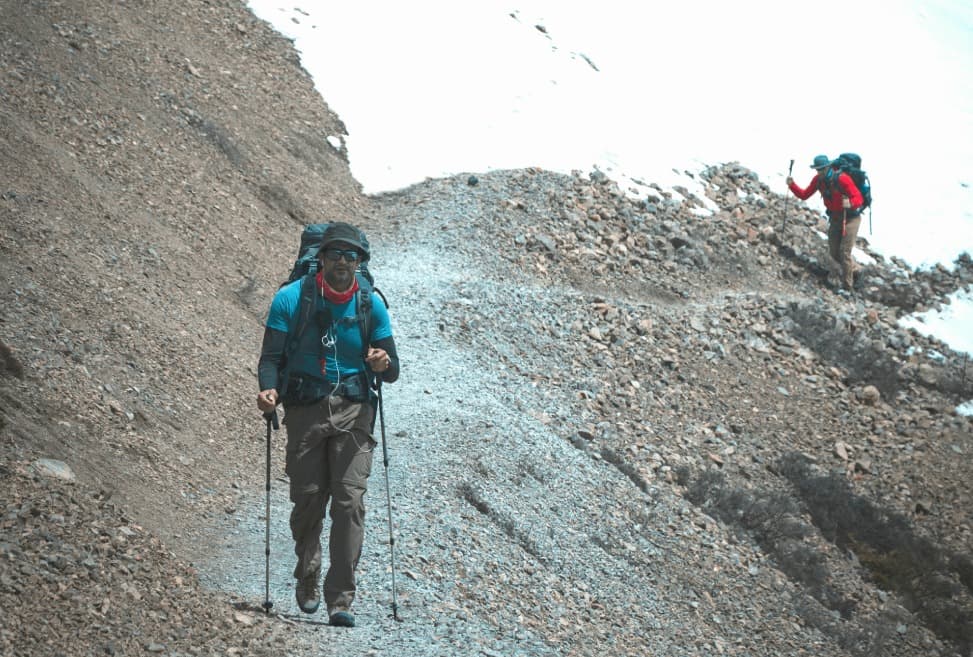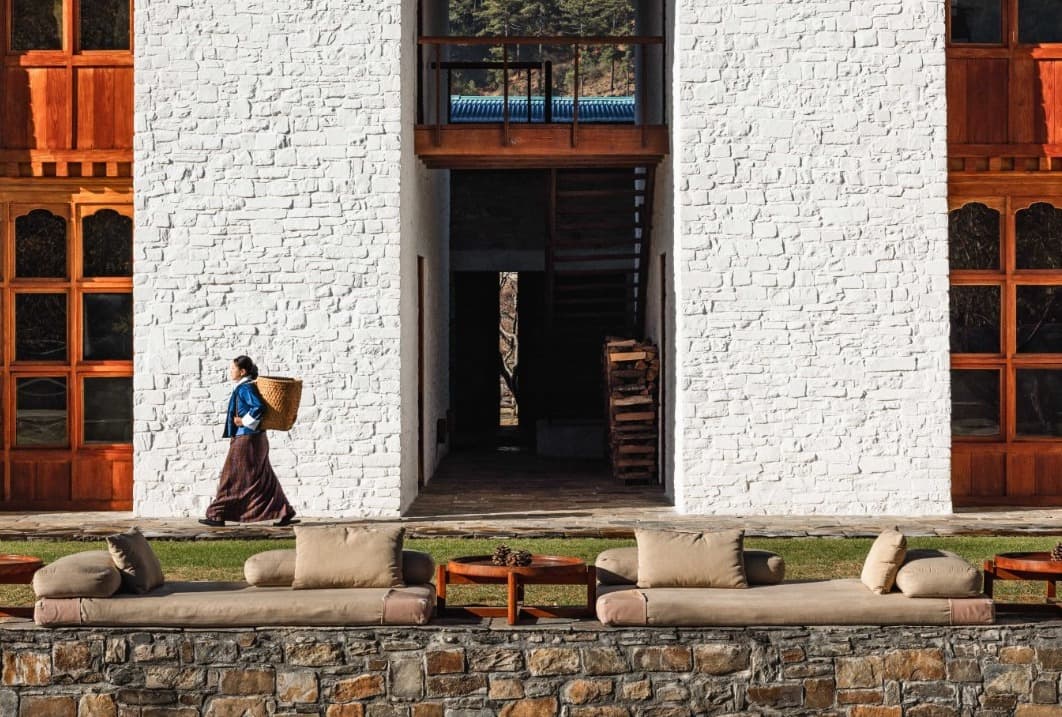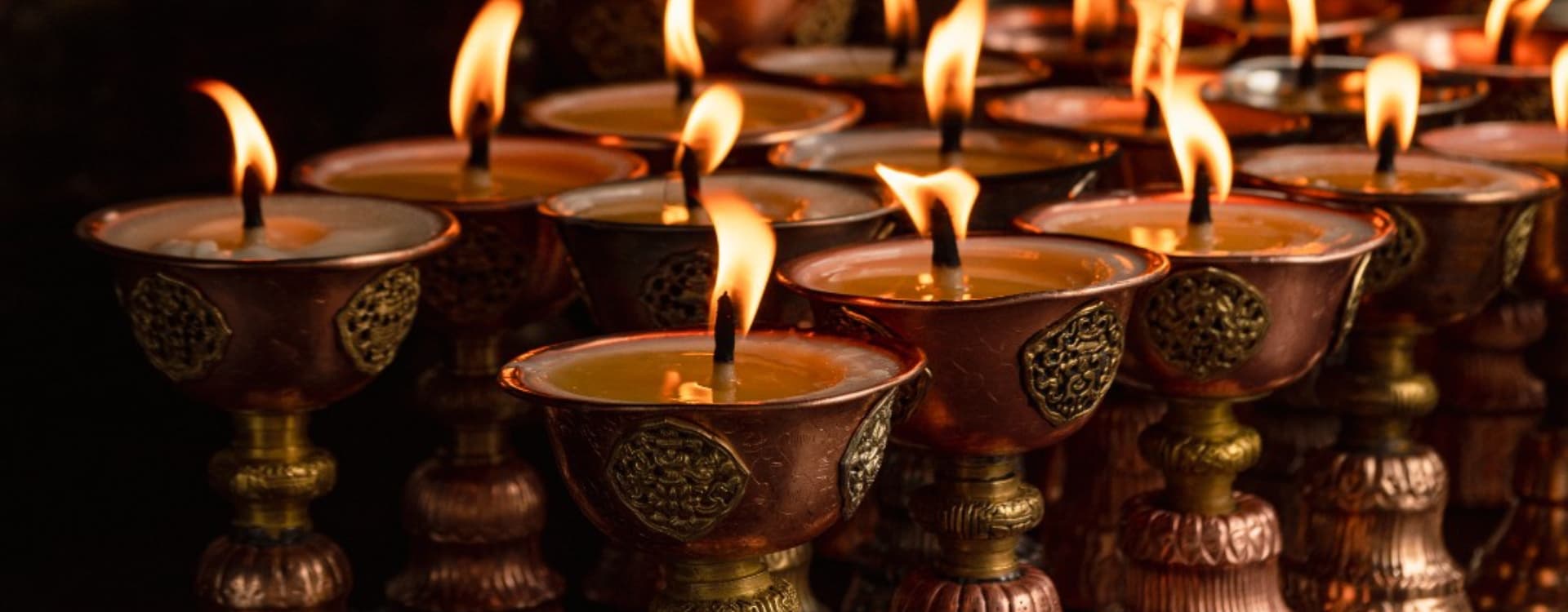
Wellness in Bhutan isn't a retreat concept. It's how people live.
I've sat in a farmhouse kitchen in Phobjikha Valley at 6 AM, watching a mother prepare breakfast while her children played in the courtyard. No one called it "wellness." She was simply living in alignment with the season, the land, and what her body needed that morning. That's what wellness looks like when it hasn't been packaged.
The problem with most wellness retreats globally is that they extract you from the world to heal you. Bhutan's system does the opposite. It places you inside a functioning culture that's been practising sustainable living for centuries. You're not learning wellness from a manual. You're observing it—and absorbing it—from the people around you.
When someone books a wellness retreat with us, they're not signing up for a spa menu and a meditation schedule. They're committing to slowness. To be in a place where the rhythm of life hasn't been disrupted by mass tourism. Where a guide doesn't rush you through a monastery because there's another group waiting. Where meals are prepared from what's in season, not what fits a wellness brand's aesthetic.
That's the difference. And it's why Bhutan's approach to wellness—backed by the country's $100 Sustainable Development Fee and mandatory guide system—actually works.
The Three Retreat Archetypes (Not Just Packages)
I'm restructuring these around who they're actually for and what transformation happens, not just features.
For the Traveller Who Needs Permission to Stop: Bhutan Spirit Sanctuary, Paro (3–4 Days)
Most guests who arrive at Bhutan Spirit Sanctuary are running from something. A career pause. A relationship ending. A decade of not sleeping well. They come thinking they'll "do" wellness—yoga at 6 AM, treatments at 10 AM, meditation at 4 PM. A schedule. Control.
What actually happens is simpler.
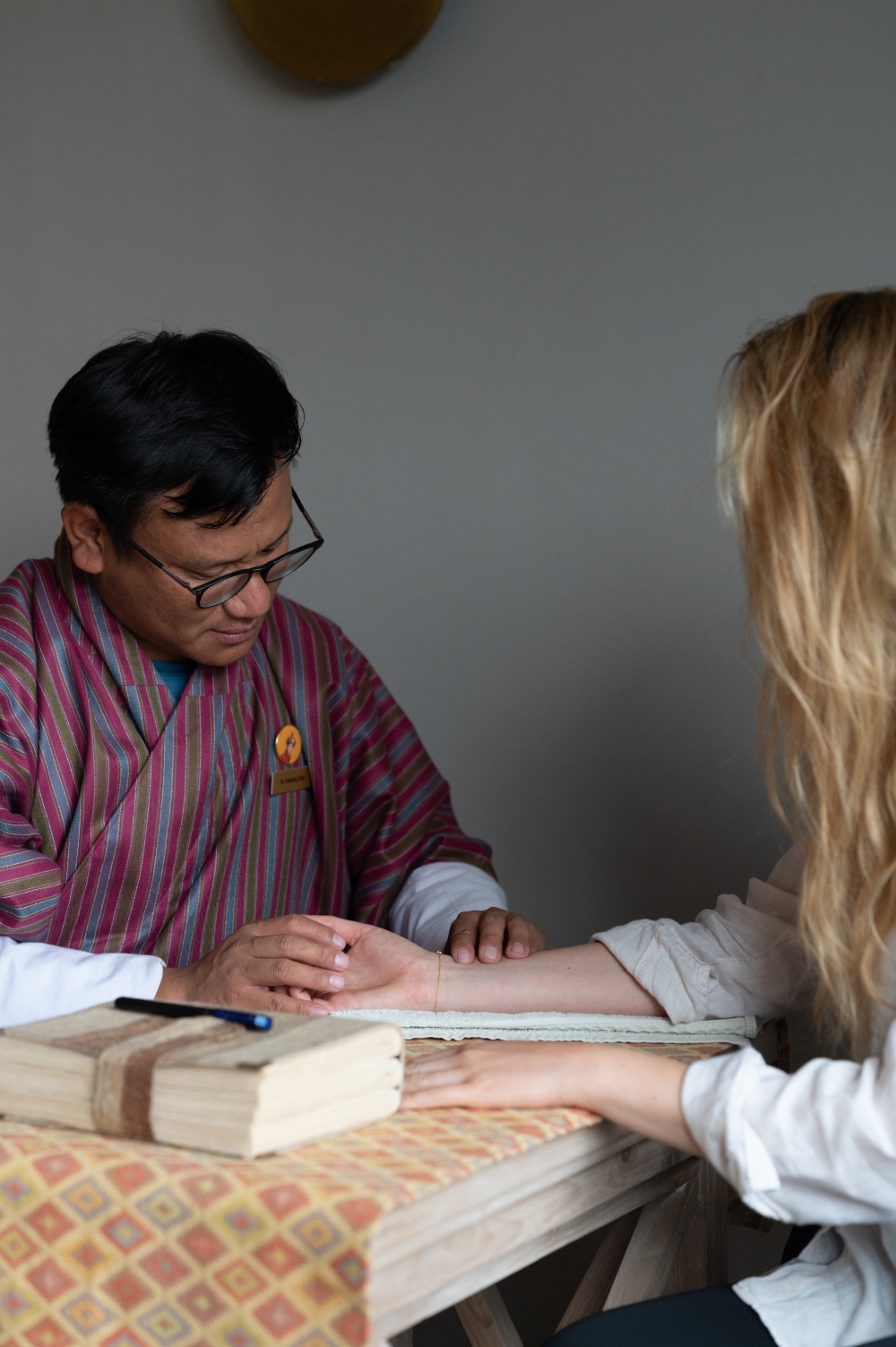
You meet with a wellness doctor trained in traditional Bhutanese medicine on day one. Not a questionnaire. A conversation. They observe how you move, listen to how you breathe, and ask about your digestion and sleep. This isn't diagnostic—it's relational. They're reading you, not a checklist.
From there, one treatment daily. But the real medicine is the pace. You walk to a monastery near Paro without a cultural lecture waiting for you. You sit. You observe. A monk might join you for tea. Might not. The point is the option to simply be somewhere sacred without performing gratitude.
Meals are seasonal—whatever was harvested this week. In March, it's fresh greens and spring vegetables. In autumn, mushrooms and squash. Your body recognises this. It settles.
By day three, most guests stop checking their phones. Not because they've had a breakthrough, but because the rhythm has changed their nervous system. That's wellness that lasts beyond the retreat.
Duration: 3–4 days
Best for: First-time wellness travellers, those recovering from burnout, and anyone who needs permission to do nothing
What you'll actually do: Walk slowly, sit in monasteries, receive one treatment daily, eat seasonal food, sleep deeply
For the Traveller Who Wants to See Bhutan Without Rushing: Amankora Wellness Journey (7–15 Days)
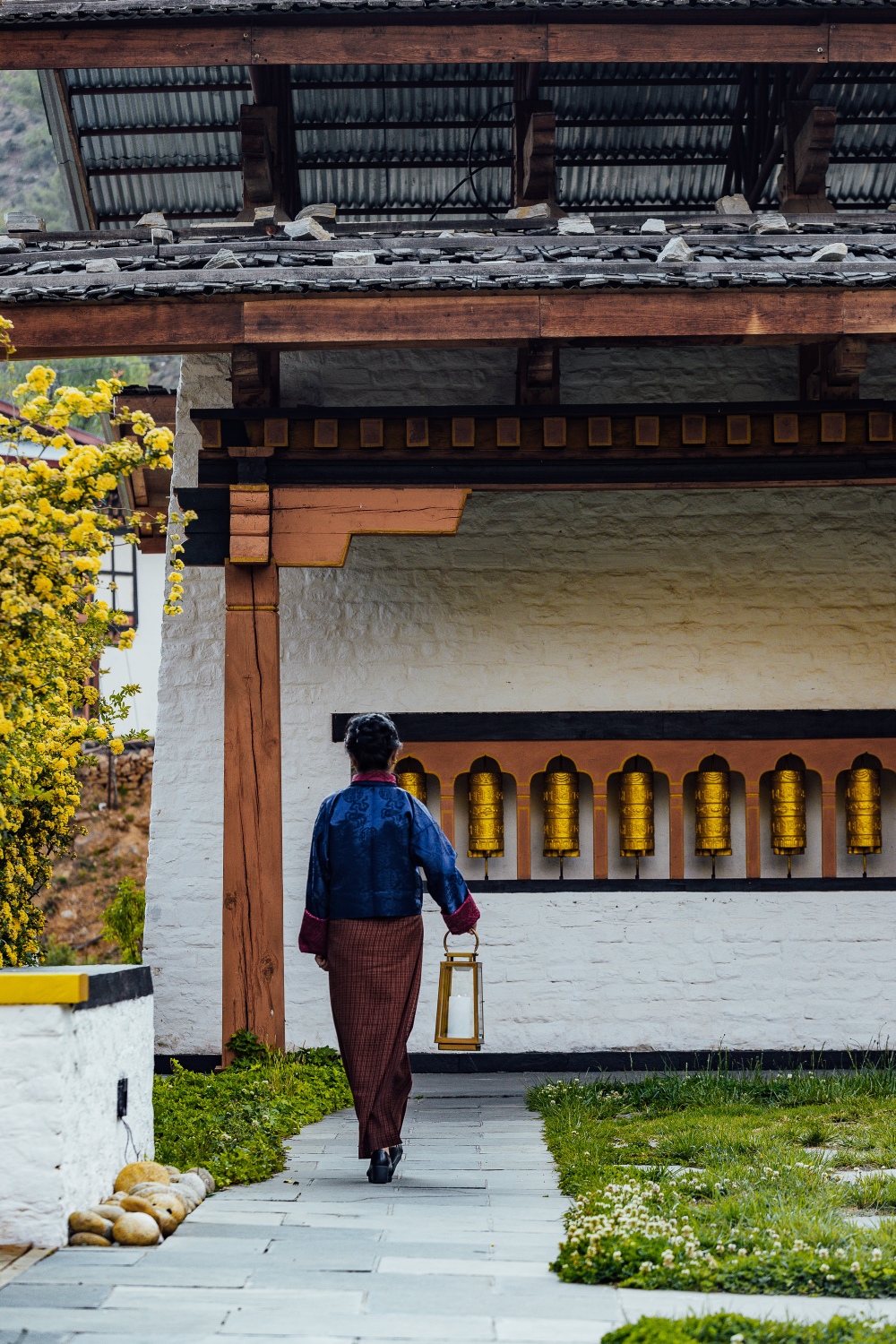
Amankora's model is different. You're not staying in one valley. You're moving through five—Thimphu, Punakha, Gangtey, Bumthang, Paro—staying 2–3 nights in each, travelling between them by private car on roads that are slow enough to actually see the landscape.
This works because Bhutan's geography is part of the wellness. You're not just receiving treatments. You're moving through different altitudes, different climates, different cultural centres. Each valley has its own healing tradition.
In Punakha, you might take a forest walk along the Mo Chhu River at sunrise. The sound of water and birds is the treatment. In Bumthang, you'll visit Jambay Lhakhang monastery, one of the oldest in Bhutan, and sit in a space where people have been meditating for 1,400 years. That changes something in your body.
We handle the logistics invisibly. You never think about transport, meals or bookings. That's intentional—so your only job is to notice. To absorb. To move at the pace Bhutan demands.
Daily wellness services continue throughout: yoga, hot stone therapy, and herbal treatments. But they're not the main event. The main event is waking up in a new valley and realising you have no schedule except to explore it.
I've seen guests who've travelled to 40 countries sit in a Bumthang courtyard and weep. Not because of the treatment they received that morning, but because they'd forgotten what it felt like to be unhurried.
Duration: 7–15 days
Best for: Travellers with time, those who want to see Bhutan while healing, people who get restless in one location
What you'll actually do: Move through five valleys, receive daily wellness treatments, hike to sacred sites, sit in ancient monasteries, experience how the landscape changes your nervous system
For the Traveller Who Needs Movement Alongside Stillness: Fly Fishing & Wellness Retreat (10–12 Days)
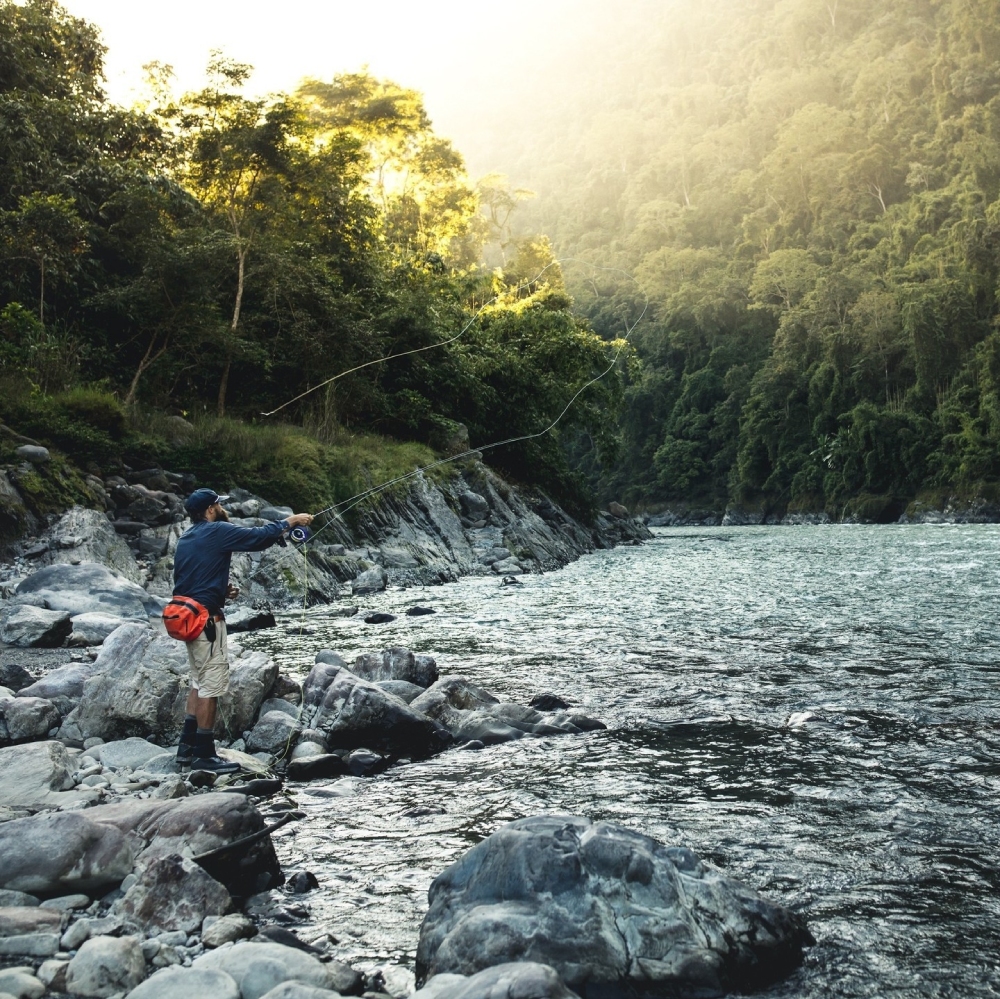
Some people can't sit still, not out of restlessness, but out of how their nervous system is built. For them, wellness isn't meditation. It's being in clean water, moving with intention, and being present in a moment that requires full attention.
This retreat combines fly fishing in Bhutan's pristine rivers with the slower rhythm that makes wellness actually land. You're not "doing adventure." You're participating in something ancient—fishing as a way to be fully present.
We run this across three regions: starting near Punakha on the Mo Chhu river, then moving to Panbang in southern Bhutan, where the Royal Manas National Park borders the landscape. The rivers here are clean because Bhutan protects them. You'll fish with local guides who know these waters like a farmer knows their fields.
Accommodations shift with the journey—from Bhutan Spirit Sanctuary to riverside lodges to a luxury tented camp in Royal Manas. Helicopter transfers connect some sections, avoiding long road days and giving you access to remote fishing areas.
But here's what makes this a wellness retreat and not just an adventure trip: the pace. You're fishing for 2–3 hours, not eight. Afternoons include hot stone therapy or herbal treatments in your room. Evenings, you sit with the river. Meals are still seasonal. Rest is still prioritised.
I've seen high-performing clients—CEOs, surgeons, traders—arrive thinking they need adrenaline. What they actually needed was permission to focus on one thing. A river. A fly. The next breath. That's where the healing happens.
Duration: 10–12 days
Best for: Active travellers, people who heal through movement, and anyone who thinks wellness means "doing nothing"
What you'll actually do: Fly fish in clean Himalayan rivers, take forest walks and light hikes, receive daily wellness treatments, experience southern Bhutan's wildlife zones, and move deliberately rather than frantically
Why Bhutan's System Actually Works (The Defence)
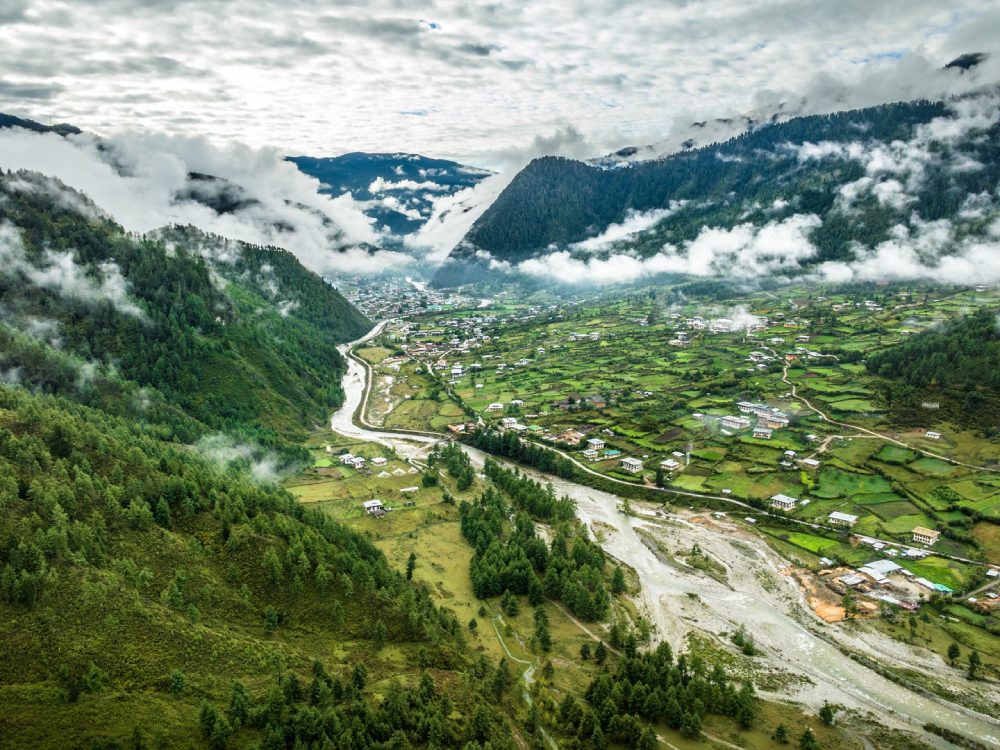
Most travellers encounter Bhutan's restrictions and see them as limitations. The $100 Sustainable Development Fee. Mandatory guides. Limited hotel capacity. Visa requirements. They read "exclusive" and think "expensive gatekeeping."
I think they're reading it wrong.
Those restrictions are why Bhutan's wellness works. They're not bugs—they're features.
The $100 daily SDF funds healthcare, education, and environmental protection across the country. When you're eating seasonal food prepared by a local chef, that chef has access to preventive healthcare because of that fee. When your guide speaks thoughtfully about conservation, it's because Bhutan invests in education. When the rivers are clean enough to fish in, it's because the country banned plastic bags in 1999 and limited development.
You're not paying more to be exclusive. You're participating in a system that works.
The mandatory guide requirement serves the same logic. Yes, you can't hike solo or wander villages alone. That's not control—that's employment. Your guide is trained, educated, and supported by a regulated industry. They're not struggling. They have dignity.
I've worked with guides across Nepal, Tibet, and Bhutan. Bhutan's system produces guides who are present. Karma, one of our senior guides in ELH, has been leading wellness retreats in Bhutan for eight years. He doesn't rush you through a monastery because the system doesn't incentivise rushing. He's paid fairly for his time, not for volume.
When your guide isn't desperate, when they're not competing with ten other guides for your tip, they can actually attend to you. That's the difference between a good retreat and a transformative one.
How ELH Approaches Bhutanese Wellness
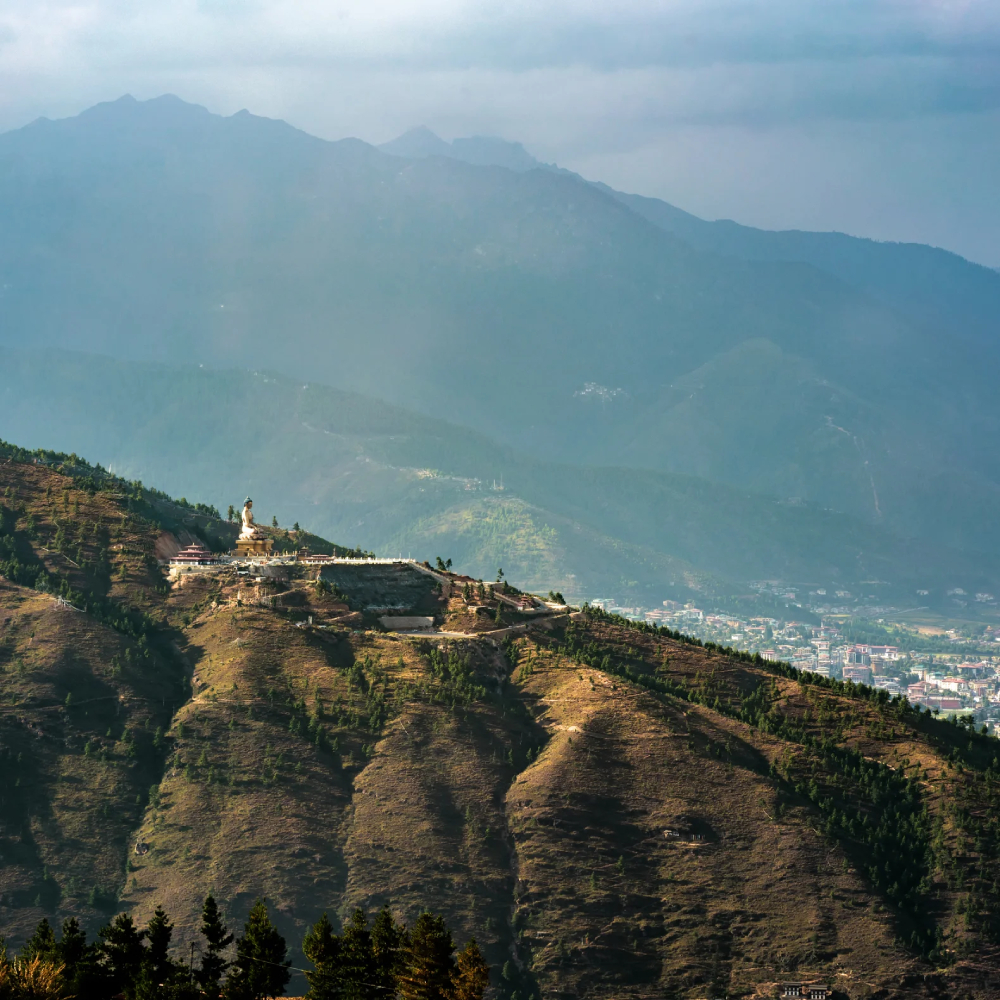
We don't design wellness retreats. We design experiences that happen to heal.
That distinction matters.
Most operators ask: "What wellness treatments should we include?" We ask: "What does a traveller actually need to feel different after this?"
That's led us to three operating principles:
1. No Manufactured Experiences
We don't arrange "authentic cultural moments." That's oxymoronic. Instead, we place you in locations where authentic culture still exists—Phobjikha Valley, Haa Valley, Bumthang—and trust that presence creates connection. Your guide knows the village. Knows which monastery welcomes visitors. Knows which farmer might invite you for tea. But they're not calling ahead to stage it. The moment is real because it hasn't been choreographed.
This is why we limit group sizes to 2–4 people maximum on wellness journeys. Larger groups require logistics that prevent spontaneity. Smaller groups allow your guide to read the moment and adjust. If you're moved by a monastery, you stay longer. If you need quiet, you walk alone while your guide waits nearby.
2. Guides as Interpreters, Not Lecturers
A guide's job isn't to tell you about Bhutan. It's to help you read it.
Kinley, who leads many of our wellness retreats, speaks Spanish and English fluently. But her real skill is knowing when to talk and when to stay silent. She'll notice you watching an elderly woman churn butter in a farmyard. Instead of launching into an explanation of Bhutanese dairy practices, she might simply sit next to you. Let you ask questions. Sometimes the deepest learning comes from what isn't explained.
This requires guides who are trained in emotional intelligence, not just cultural knowledge. Bhutan's guide system supports this. Your guide isn't juggling five groups. They're present to you.
Why the guide in Bhutan is not a logistics function — it's a cultural one.
3. Wellness Treatments Support the Experience, Not Replace It
The hot stone baths, herbal therapies, and yoga sessions aren't the retreat. They're the infrastructure that allows the real retreat to happen. They help your body settle enough to notice things. To sleep deeply. To be present in a monastery without your back hurting.
We source treatments from practitioners trained in traditional Bhutanese medicine—not Western spa aesthetics applied to Bhutanese names. The difference is subtle but real. A Bhutanese massage doesn't aim for relaxation first. It aims to balance your constitution. The relaxation follows.
How Wellness in Nepal & Bhutan Connects
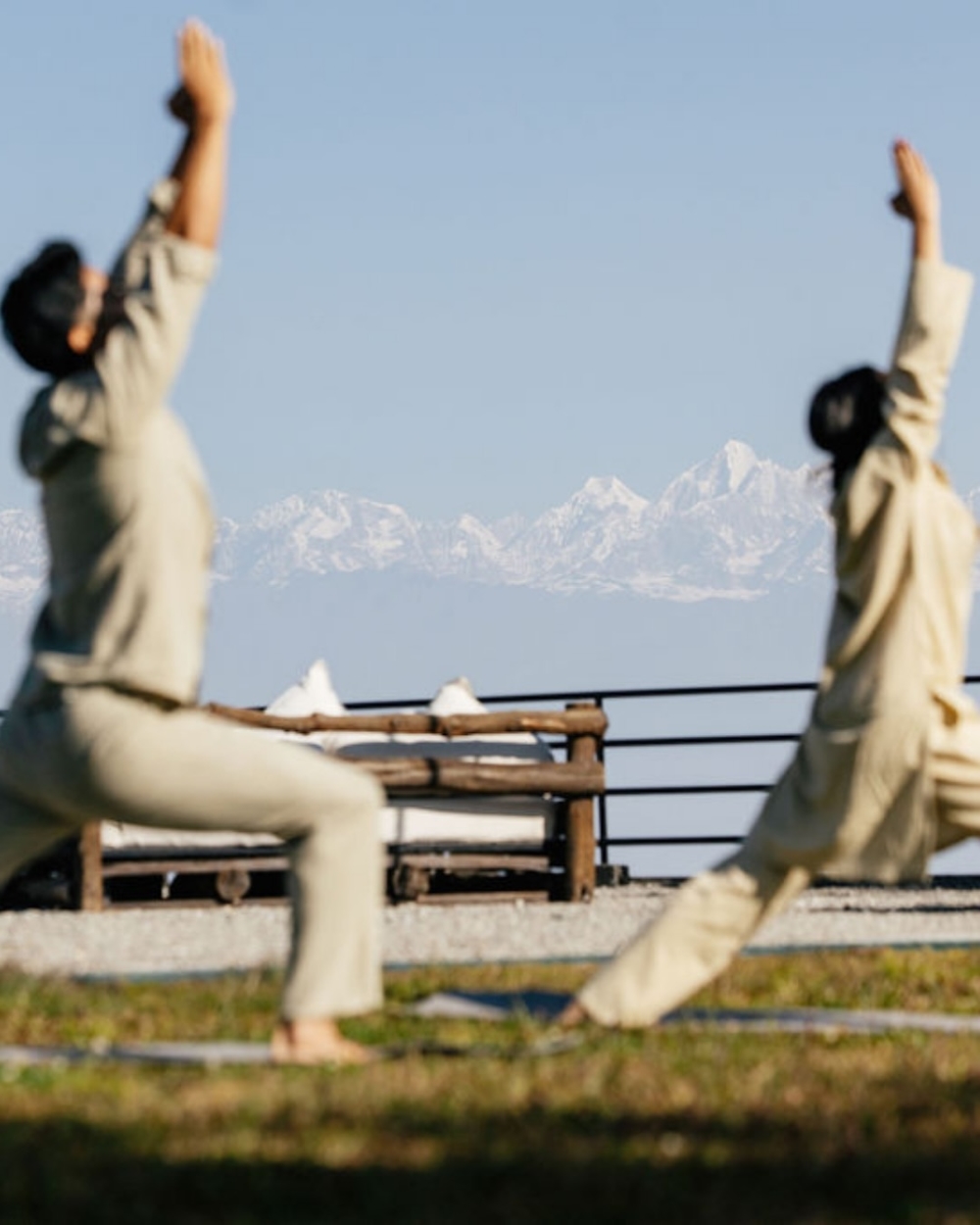
If you've experienced our Timeless Way of Wellness in Annapurna, you already understand the ELH wellness philosophy: immersion over isolation, people over amenities, meaning over schedules.
Bhutan takes that foundation and shows you what it looks like when an entire country operates on those principles.
In Annapurna, you're learning wellness from individuals—a Mustang family teaching you about altitude adaptation, a local healer explaining seasonal eating, villagers sharing daily rhythms that have sustained them for generations. That's personal wellness rooted in community.
In Bhutan, you're experiencing wellness as policy. The $100 SDF funds healthcare and education. The guide system that ensures employment and dignity. The conservation laws that keep rivers fishable and the air breathable. You're not just learning from people—you're participating in a system designed for wellbeing.
Many of our clients do both. They'll trek Annapurna first—to understand wellness through connection to people. Then they'll journey through Bhutan to see how that same philosophy scales into governance and culture.
Together, they tell a complete story: wellness isn't something you receive at a retreat. It's something you practice by being in places and with people who've made it non-negotiable.
Planning Your Wellness Retreat in Bhutan
Best Time to Travel
March to May and September to November. Spring brings clear skies, blooming rhododendrons, and temperatures between 55-70°F. Autumn is crisp, with visibility that lets you see across entire valleys. Both seasons offer the best monastery access and hiking conditions.
Summer (June–August) brings heavy rain. Winter (December–February) is possible but cold at higher elevations, and some mountain passes close.
What to Bring (Practical Packing)
Layers. Bhutan's valleys can shift 20°F between morning and afternoon. Comfortable walking shoes—not hiking boots, but something that handles uneven terrain. A journal (most guests start writing in Bhutan; the slowness invites reflection). Sunscreen and a hat. Modest clothing for monastery visits (shoulders and knees covered). And honestly, leave most of your luggage behind. The less you carry, the more you notice.
No Previous Wellness Experience Needed
You don't need to meditate. You don't need to be flexible. You don't need to have done yoga or attended a retreat. Wellness in Bhutan isn't about performance. It's about presence. If you can sit quietly and notice what's around you, you can do this.
How We Handle the Logistics
All transfers are private—by car or helicopter, depending on the itinerary. You won't share transport unless you choose to. All meals are included and prepared in-house using seasonal, local ingredients. Accommodations are booked at lodges we've vetted for both comfort and location integrity. Your wellness treatments are arranged on arrival based on a consultation with a Bhutanese wellness doctor. Nothing is pre-scripted. Everything adjusts to how you're actually feeling.
The Sustainable Development Fee Explained
$100 per day. Nonnegotiable. It funds:
- Healthcare and education across all 20 districts
- Environmental protection and conservation
- Rural development and infrastructure
- Support for guides, lodge staff, and local businesses
You're not paying extra for exclusivity. You're participating in a country's commitment to sustainable development. That fee is why your guide is trained and fairly paid. Why are the rivers clean? Why hasn't the culture been eroded by mass tourism?
Single Travelers
Bhutan welcomes solo travellers. You'll be paired with a guide (mandatory, and actually an asset—they're trained to support solo reflection). Many of our wellness guests travel alone and find it more transformative than travelling with others.
Group vs. Private
We run private wellness retreats only. No group departures. This isn't about exclusivity pricing—it's about pace. A private group of 2–4 people allows your guide to read the moment and adjust. That's the difference between a good retreat and a life-altering one.
Frequently Asked Questions
Is this spiritual or religious?
Not inherently. Bhutan is Buddhist, and Buddhism shapes the culture—monasteries, prayer flags, meditation practices are visible everywhere. But you don't need to be Buddhist or spiritual to benefit from this retreat. You're not converting. You're observing a culture that has integrated stillness and reflection into daily life. Some guests describe it as spiritual. Others describe it as deeply restful. Both are accurate.
What's the difference between this and a spa resort?
A spa resort extracts you from the world and applies treatments to you. A Bhutan wellness retreat places you inside a functioning culture and lets that culture be the treatment. You're not in a spa building—you're in a valley. Your "treatment" includes walking through a village, sitting in a monastery, and eating food prepared for your constitution. The healing is contextual, not clinical.
Will I be forced into group activities?
No. Your itinerary is flexible. If you want to spend a morning alone, you do. If you want to skip a treatment and hike instead, you hike. Your guide is there to support your needs, not enforce a schedule. Many guests arrive thinking they want full days booked, then realise halfway through they'd rather have empty afternoons.
Can I do this with my partner or friend?
Absolutely. We actually recommend it for couples or close friends. Shared silence and shared observation deepen connection. But we keep groups small (2–4 max) so that you're not managing other people's needs.
Is this expensive?
Yes. Luxury experiences in Bhutan are priced accordingly—flights are long, infrastructure is limited, guides are well-trained (and well-paid, as they should be). But you're not paying for opulence. You're paying for access, time, expertise, and a country that's chosen to limit tourism. If you're comparing this to a Caribbean spa resort, it's not the same product.
What if I get sick or have mobility issues?
Bhutan's infrastructure is developing rapidly, but it's not equivalent to North American or European standards. Medical facilities exist in major towns. If you have serious health concerns, you should consult your doctor before booking. That said, we've accommodated guests with minor injuries, arthritis, and other mobility limitations by adjusting itineraries and selecting lower-altitude locations. Communicate your needs upfront.
Can I extend my stay?
Yes. Most wellness retreats are 3–15 days, but we can customise longer journeys. Many guests add time to visit Nepal after Bhutan, creating a two-country wellness experience.
How many people will I see from other tour groups?
Very few. Bhutan limits daily visitor arrivals. Your guide will navigate popular sites (monasteries, scenic points) with knowledge of quieter times. But you're not isolated—you might pass other travellers. The difference is that you won't be competing for space or rushing through locations.
How to Start Your Wellness Journey
Step 1: Clarify What You're Looking For
Are you seeking stillness (Bhutan Spirit Sanctuary)? Do you want to see the whole country slowly (Amankora)? Do you need movement alongside healing (fly fishing retreat)? Or are you drawn to Nepal's people-centred wellness (Annapurna)?
Step 2: Customise Your Itinerary
We don't run departures. Every retreat is private and built for you. That means we can adjust duration, focus, activities, and pace to match your actual needs—not a preset package.
Step 3: Connect with Our Team
Enquire about Bhutan wellness retreats →
One of our team members will schedule a conversation (not a sales call—an actual conversation) to understand what you're seeking, answer logistical questions, and build an itinerary that makes sense for you.
If you're not sure between Nepal and Bhutan wellness, we can help you think through the difference. If you want to do both, we can sequence them so each deepens the other.
Conclusion
Wellness retreats have become a commodity. Book a week at a resort, receive six treatments, attend guided meditations, and leave feeling like you've done wellness. The memory fades within a month.
What we've learned—working across Nepal and Bhutan for nearly two decades—is that real wellness doesn't come from what you receive. It comes from where you are and who's around you.
Bhutan is one of the few places on Earth where an entire nation has committed to this principle. Where the government has chosen happiness over GDP. Where guides are treated with dignity. Where rivers are protected. Where culture hasn't been flattened by mass tourism.
That's not marketing language. It's an observable fact.
When you spend two weeks in a place like that—moving slowly, eating seasonally, sitting in 1,400-year-old monasteries, fishing in clean rivers, walking through villages where daily life continues without performing for tourists—something shifts. Not because you're trying to heal. But because you're participating in a system that supports healing.
That's what we're inviting you into.
Read About Amankora Bhutan Journeys →