You've been researching luxury Bhutan tours for weeks. You've seen stunning Instagram photos of Tiger's Nest, read generic lodge descriptions, and compared prices across seven websites. But you're still unsure:
- Will you actually connect with Bhutan, or will you feel like a tourist checking boxes?
- Is a luxury lodge a shelter from the experience or a base for deeper immersion?
- Are you paying for a brand name or for something that actually transforms your travel?
- How do you know the itinerary won't feel rushed, or the guide won't be distracted by ten other guests?
Not every operator sells Amankora Bhutan. That creates a vacuum of real information.
This guide is built from 4+ years of designing Bhutan journeys and 13+ years living in the Himalayan region. I've designed over 70 Amankora circuits personally. I've walked every valley. I've sat with monks in Bumthang, eaten tsampa with farmers in Gangtey, and watched black-necked cranes at dawn in Phobjikha. I know where tourists go and where travellers actually go.
Here's what you'll learn:
- The honest truth about Amankora — why it works, and when it doesn't
- Real 2026 pricing with nothing hidden
- Three proven itineraries (7-night, 5-night, 9-night family)
- What actually changes inside a traveler on Amankora — backed by guest experiences
- How to avoid the mistakes that waste 3 days of your journey
Let me start with the moment that shifted how I understand luxury travel in Bhutan.
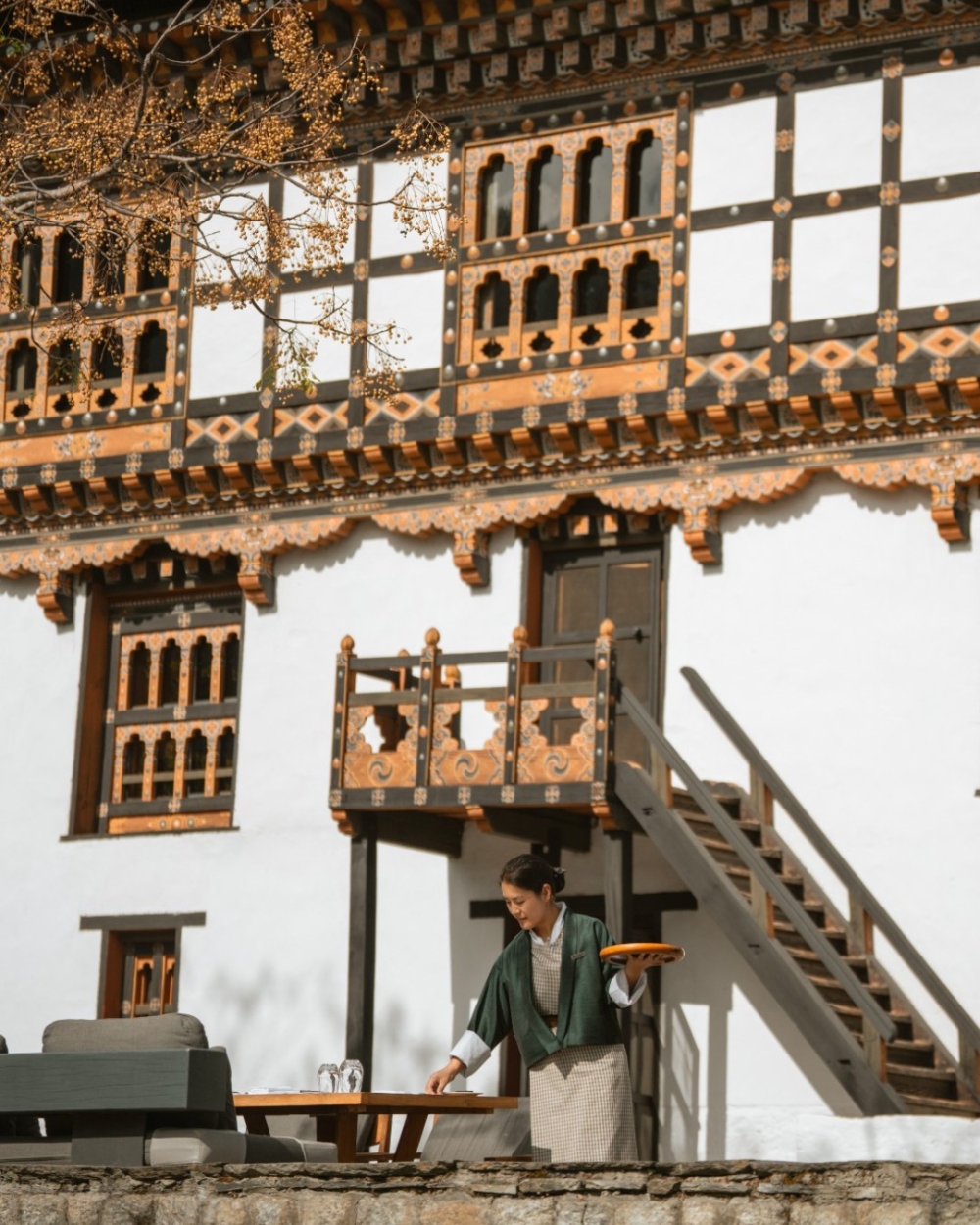
My First Hour at Amankora Paro: Why This Matters
October 2022. I stepped into Amankora Paro expecting minimalist design and perfect service. What I found was different.
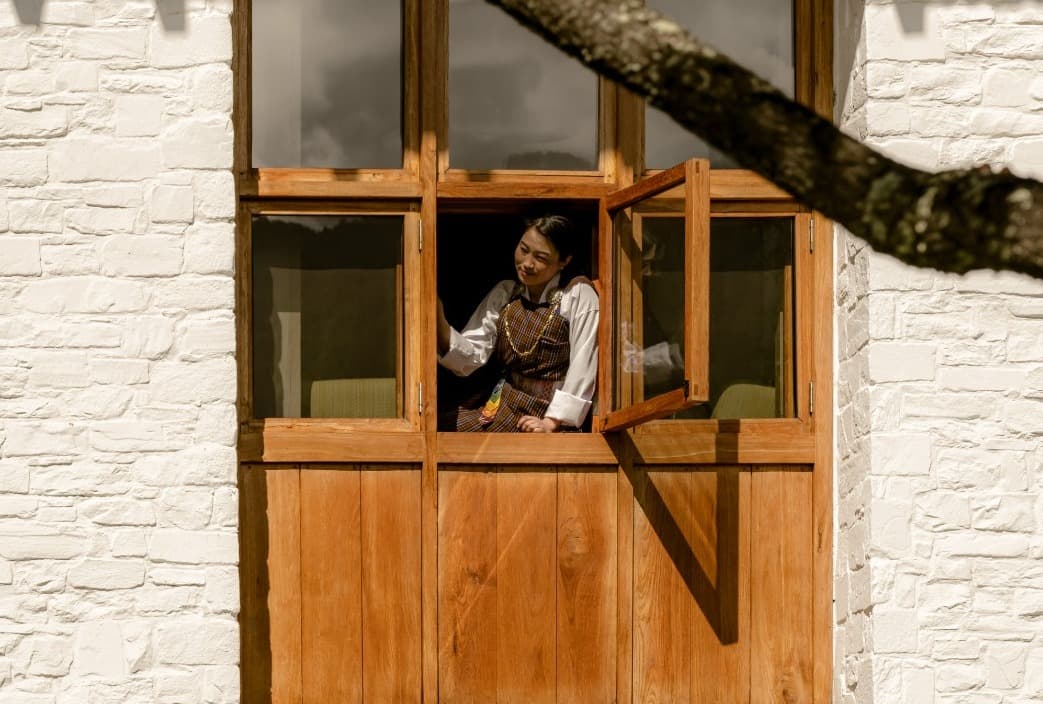
A staff member—whose name I'll never forget—was sitting in the main room reading. Not waiting. Reading. She looked up when I arrived, put the book down, and called me by my first name without anyone introducing me. She knew I was arriving at that exact hour because the lodge operated that way.
The room was warm. Not air-conditioned cold, but fire-warmed. Pine trees pressed close outside. The air smelled like something I couldn't name—clear, high-altitude, like altitude had a scent.
I spent my first 30 minutes not admiring the lodge, but sitting still.
That moment taught me something about Amankora that marketing can't sell: The lodge removes obstacles to experience, then gets out of the way.
I then travelled across all five Amankora valleys over that month—Paro, Thimphu, Punakha, Gangtey, Bumthang. Each different. Each the same style. The circuit felt slow, not because of pacing, but because the lodges didn't compete with the country.
I've now designed 70+ Amankora journeys for guests. That's 4,000+ nights across the circuit. I've watched what changes in people between day 1 and day 7. Spoiler: The lodge background noise disappears, and Bhutan comes into focus.
See why I sequence Nepal before Bhutan on every combined trip.
What Amankora Actually Is (And What It Isn't)
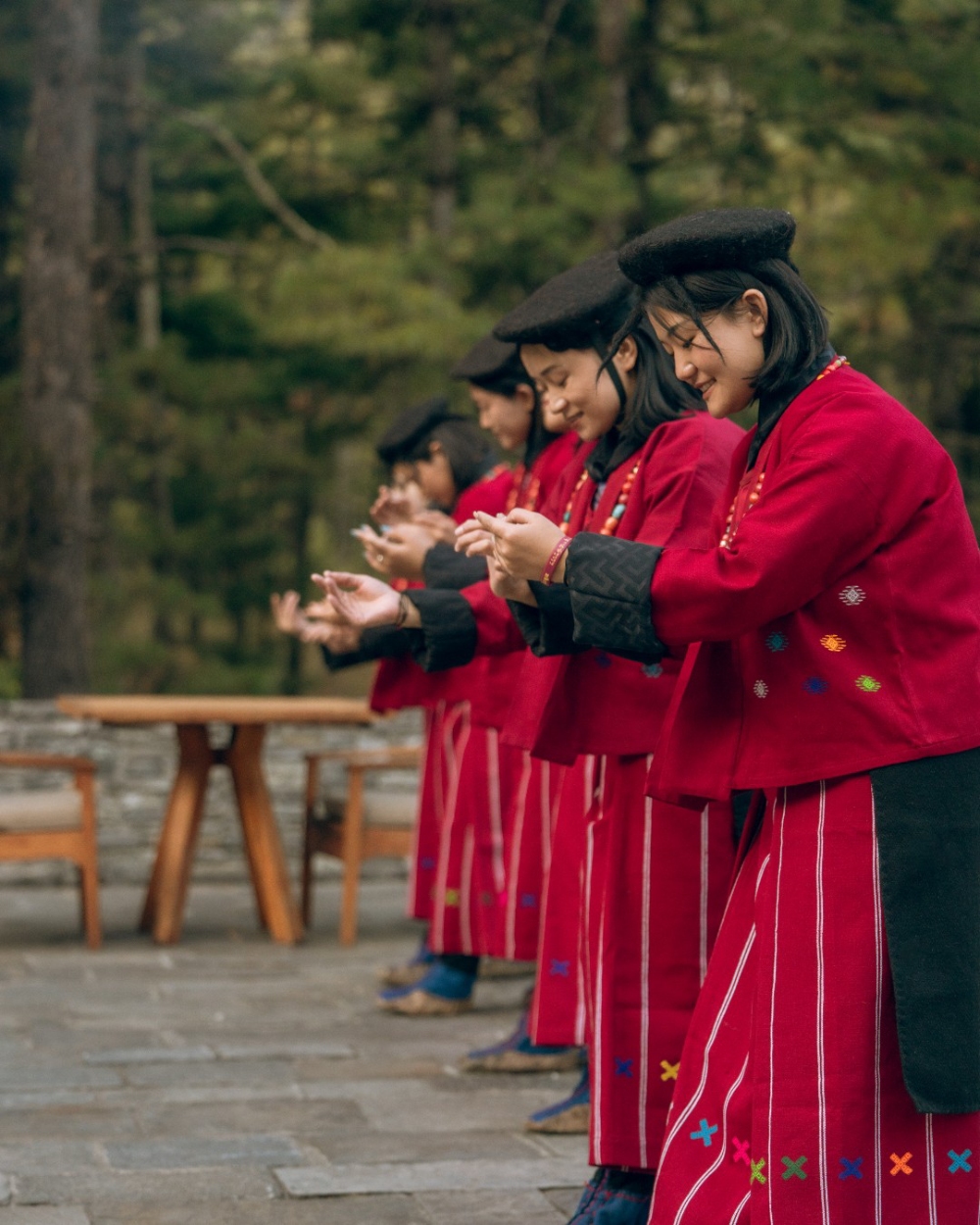
Amankora isn't a hotel brand trying to create luxury in Bhutan.
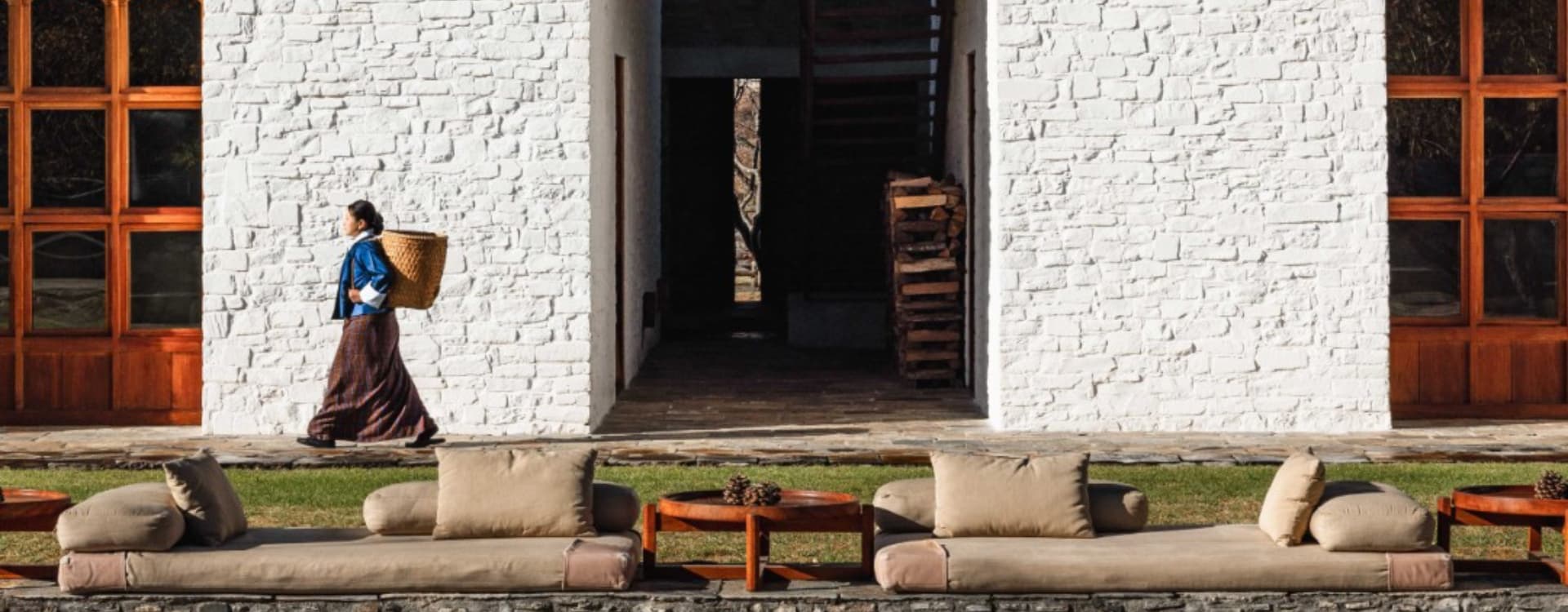
Amankora is five lodges positioned inside five different valleys, connected by private road transport, staffed by the same service philosophy, designed to feel like a slow-travel circuit—not a hotel hopping experience.
Here's what makes this specific:
| Factor | What Amankora Does | What Other Luxury Hotels Do |
|---|---|---|
| Lodge Style | Design complements the valley. Warm, wooden, simple. | Design tries to stand out from the valley. |
| Service Model | Consistent across all five valleys. Same level everywhere. | Varies lodge-to-lodge. Quality inconsistent. |
| Cultural Access | Curated through lodge guides who know the valley intimately. Private experiences. | Sold as activities. Transactional. |
| Meal Philosophy | Local, seasonal, valley-specific. | "International standards" with local options. |
| Guest Ratio | Small groups (6-8). Rarely feels crowded. | Mixed sizes. It can feel like a resort. |
| Pace | Built-in quiet time between valleys. Rest happens naturally. | Tight itineraries. You're always moving. |
What Amankora isn't:
- Not the cheapest option
- Not a resort with a spa menu (though spas exist)
- Not for travellers who want maximum attractions per day
- Not a place where you can "wing it" without planning (it's protected tourism)
What Amankora is:
- The most consistent luxury circuit in Bhutan
- Run by a team that understands immersion, not just comfort
- A five-lodge experience that feels like one long journey, not five separate hotels
- Built for travellers who've done Bali, the Maldives, and Europe—and want something different
How Six Senses compares on isolation and site discipline, learn more.
The Five Valleys of Bhutan: What Happens in Each Amankora
I'm going to walk you through each Amankora lodge the way I experience them—not as a tourist checklist, but as a traveler who stays present.
Paro Lodge: The Entry Point (Where Readiness Happens)
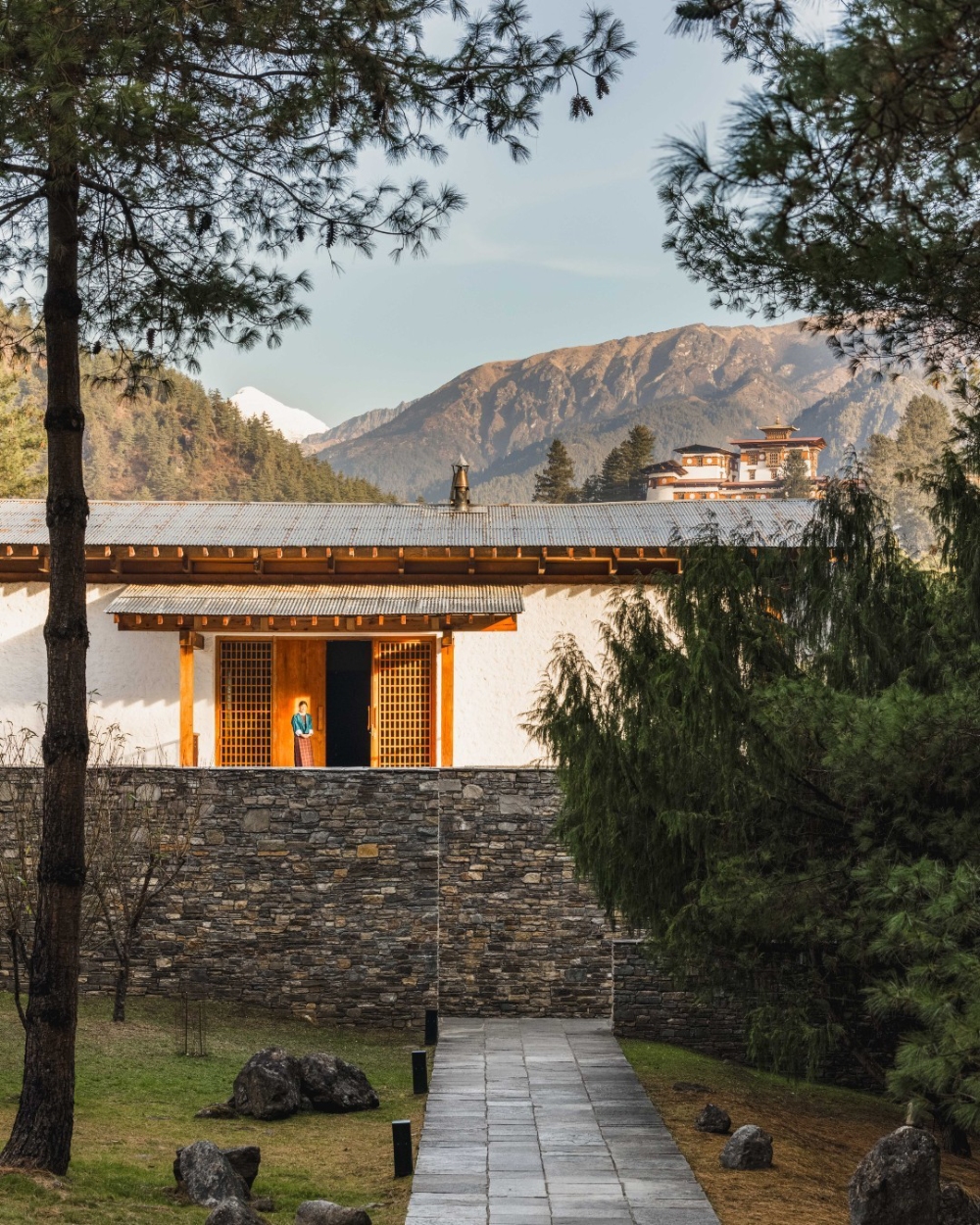
Paro gets the reputation of being "the Tiger's Nest valley." That's half-true and half-missed.
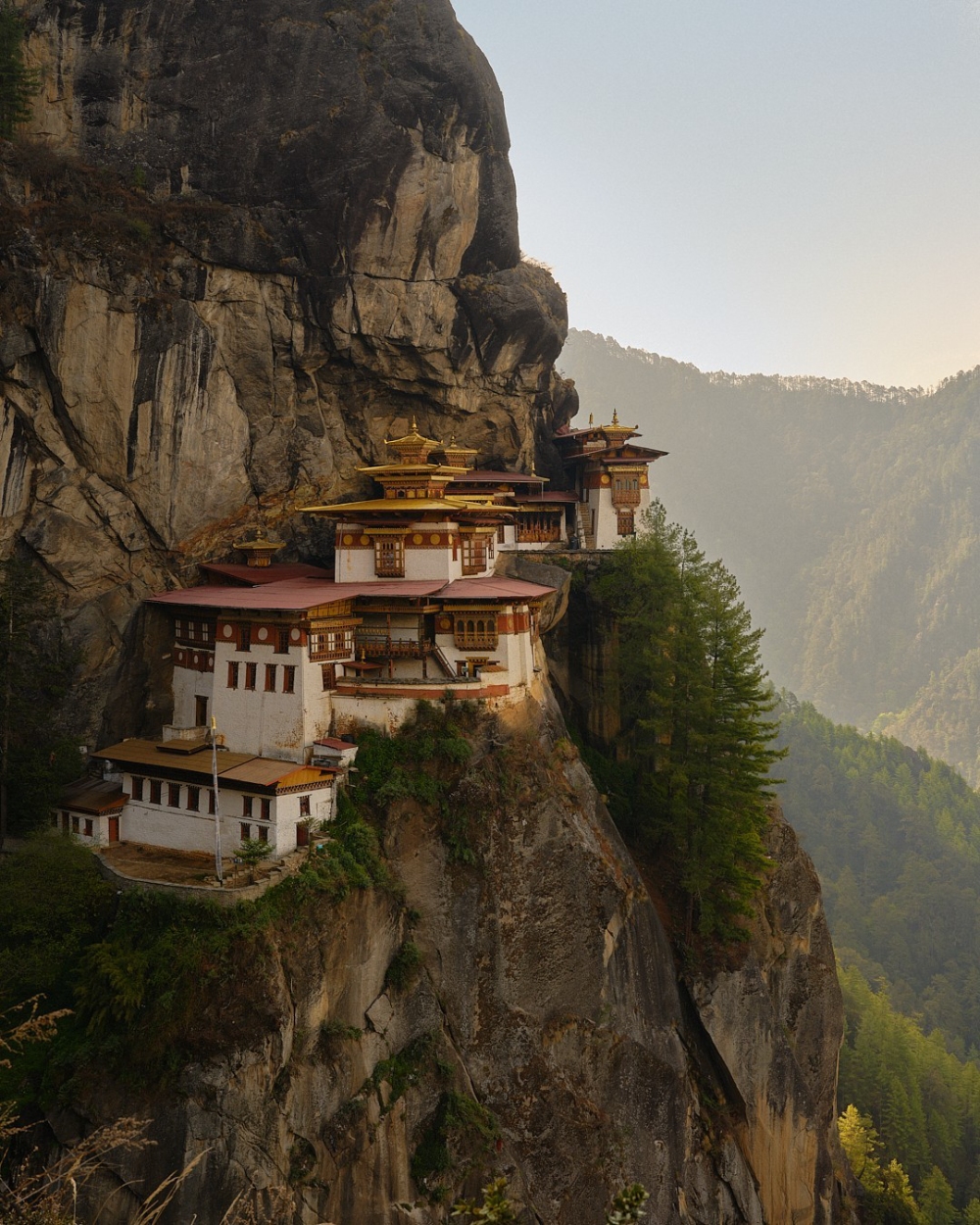
Yes, Tiger's Nest is here—perched 3,000 feet above the valley floor on a cliff face, accessible only by foot. Most travellers go at 9 AM with 200 others and spend 15 minutes taking photos. That's the tourist version.
Here's the traveller version: I woke at 5 AM, walked in darkness to the monastery, and arrived as light broke over the valley. The prayer flags caught first light. The Paro River below was mist. I heard wind chimes from inside the monastery, monks chanting the morning prayers.
I was alone with the mountain.
Amankora Paro sits back from the town, surrounded by pine forest and wheat fields. The lodge is built with local stone and massive timber. Rooms open onto views of Drukgyel Dzong—the fortress across the valley—and Ta Dzong, the watchtower.
What you actually do in Paro:
- Day 1: Arrive, settle, explore the town. One night here is enough.
- Day 2: Tiger's Nest at dawn. Paro Dzong in the afternoon. Evening walk through farmland.
- Optional: If staying two nights, a second-day monastery blessing or craft workshop.
The Amankora difference: Your guide meets you alone. Private cultural broker, not a group tour.
Why you stay here: Paro acclimatises you—physically and psychologically—to Bhutanese time, culture, and landscape. It's the threshold experience.
Thimphu Lodge: The Capital That Isn't What You Think
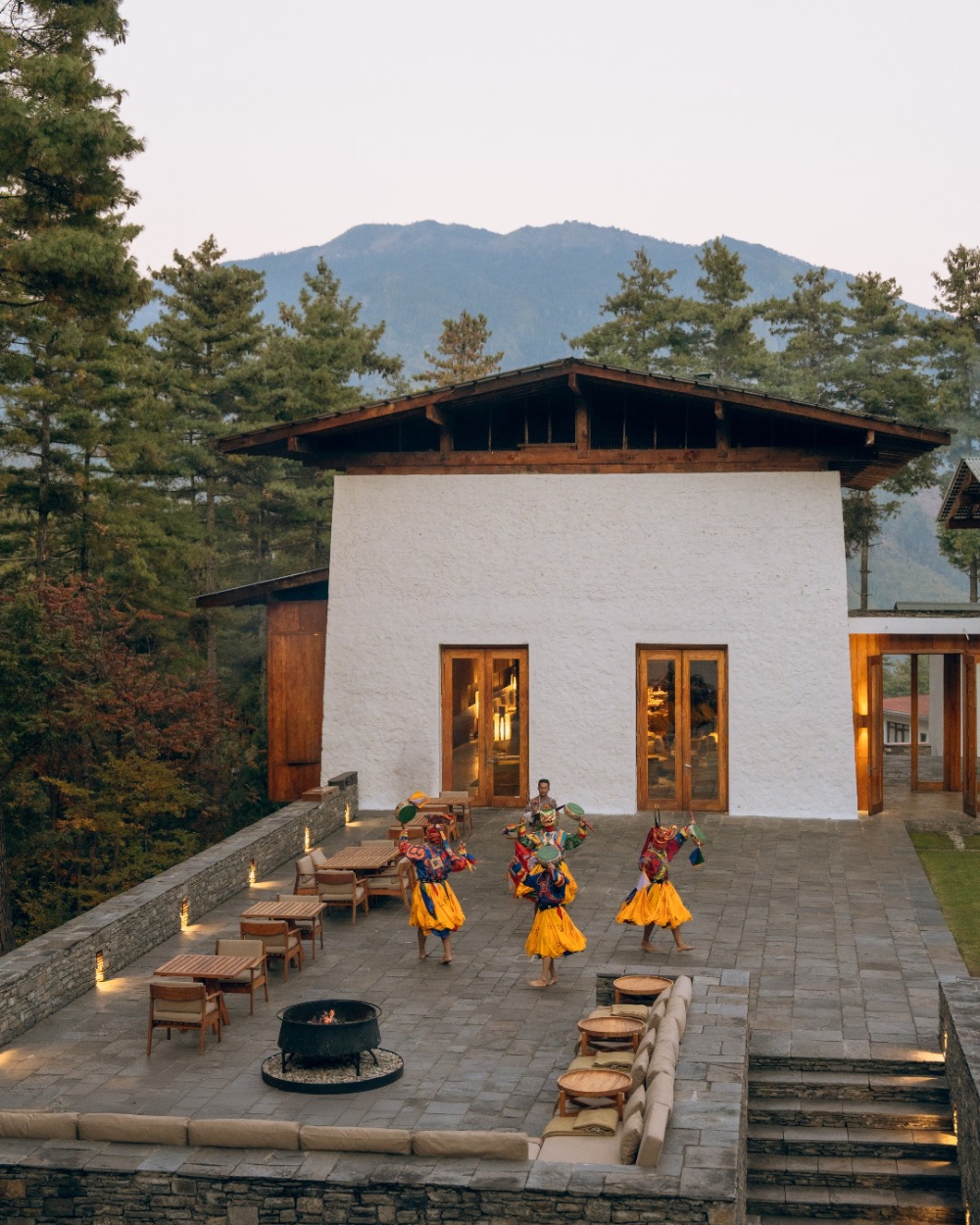
Thimphu has a reputation for being boring. "Just a stopover," people say. That's a mistake.
Thimphu is the spiritual and political centre of Bhutan, but it's a small capital. 100,000 people. No traffic lights (famously). Bhutan's entire government, art scene, and modernization are here—but it's still a mountain town.
What most tourists see: Tashichho Dzong (the government complex), the National Memorial Chorten, a few shops, and then they leave.
What's actually here: Artisan workshops where painters spend three years learning a single thangka technique. Small courtyards where traditional wood carvers chisel for eight hours a day. Markets where farmers sell vegetables, and the government announces policies on the radio. A city that is both medieval and intentionally modernising.
Amankora Thimphu is slightly away from the centre of the city, but not so far, either, a renovated traditional manor house with private gardens. The lodge is where I understand Bhutanese values—happiness over GDP, tradition over trend, intentionality over growth.
What you actually do in Thimphu:
- Morning: National Memorial Chorten. Walk around it clockwise (it's not a tourist photo op, it's a local practice).
- Mid-morning: National Library. See traditional manuscripts. Usually empty.
- Afternoon: Artisan workshops—woodcarvers, painters, weavers. Spend an hour with one craftsperson.
- Evening: Lodge cuisine. Amankora chef sources from local markets. Dinner is a meal, not a spectacle.
The Amankora difference: No museum tours. You're placed inside working spaces with permission and a quiet introduction.
Why you stay here: Thimphu explains Bhutan's philosophy. Architecture, policy, art—everything reflects one idea: happiness comes from purpose, not consumption.
Punakha Lodge: The Rivers & The Orange Groves
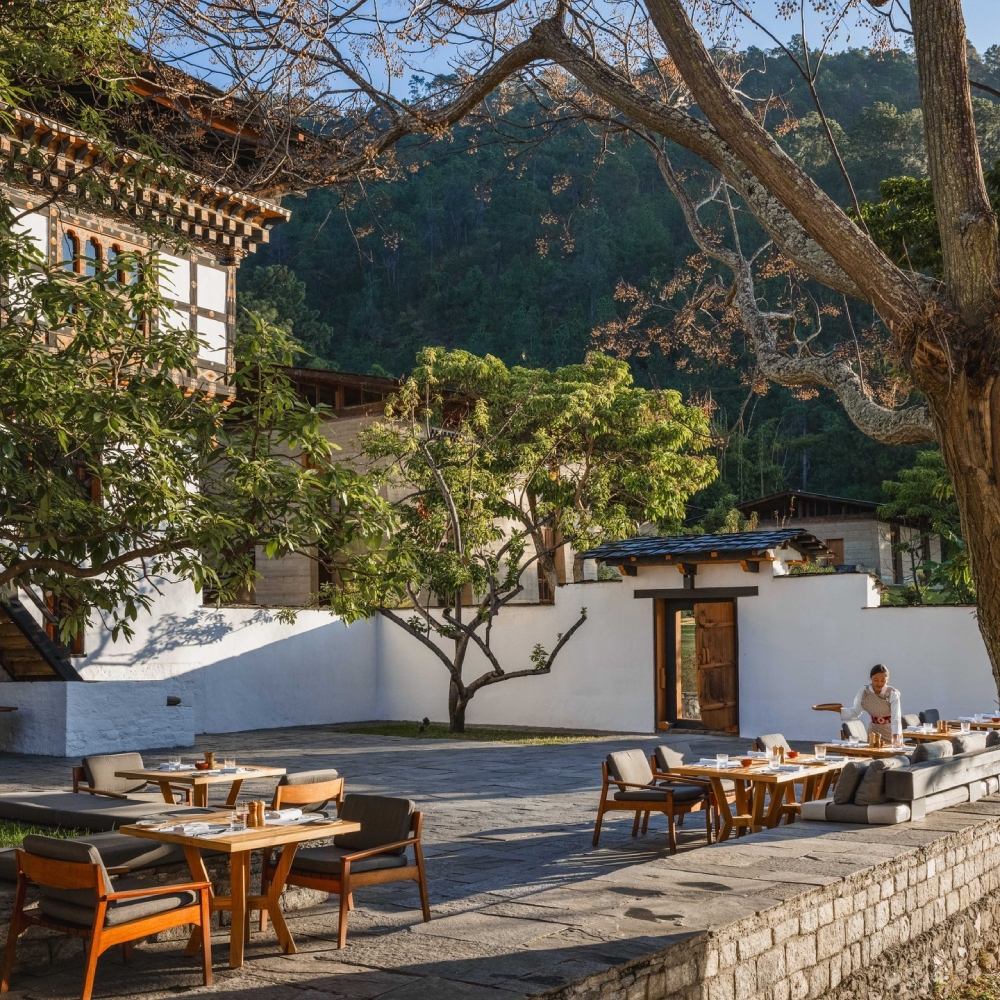
Punakha sits between two rivers—the Pho Chhu (Male River) and the Mo Chhu (Female River). The dzong sits at its confluence, reflected perfectly on the water in certain light.
Punakha is Bhutan's old capital, still its most sacred valley.
Most people: Hike to the dzong, take photos on the bridge, leave.
The reality is deeper: Walk through the rice paddies, and you'll see farmers who've worked the same land for 30 years. Cross the suspension bridge at dawn, and you'll hear monks chanting inside the dzong without seeing anyone. Stay in a farmhouse village, and a family will invite you to dinner because your guide knows them personally.
Amankora Punakha is built like a traditional manor opening onto rice paddies. Rooms are built around a central courtyard. On cool evenings, fires burn in stone hearths.
What you actually do in Punakha:
- Day 1: Punakha Dzong at sunrise. Walk the suspension bridge alone. Explore the town.
- Day 2: Full day in the rice paddies—walk through working farms, visit a farmhouse (not staged), lunch with a local family if they invite you. Optional: White-water rafting on the Mo Chhu.
- Day 3: Optional orange grove walk. Learn how Punakha oranges are different (smaller, sweeter, seasonal). Visit a farmer's market.
The Amankora difference: Your guide doesn't "take you" to experiences. They introduce you to people and places they know. Conversations happen naturally because there's no script.
Why do you stay here: Punakha is where you stop rushing. The rivers slow you down. The rice fields make time irrelevant.
Gangtey Lodge: The Cranes & The Silence
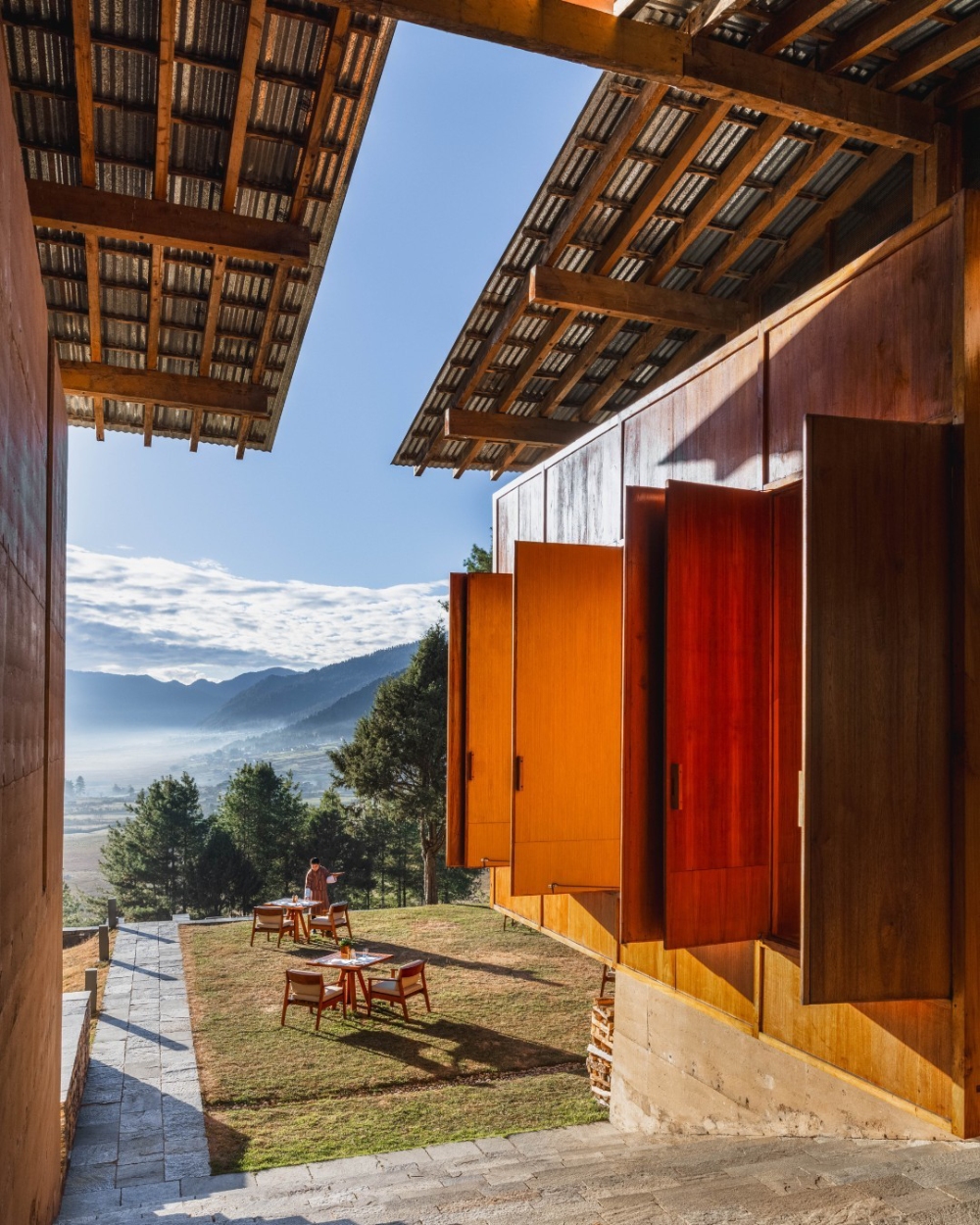
Phobjikha Valley is Bhutan's most beautiful flat space—a wide glacial basin surrounded by mountains, filled with rice fields and small wooden villages, and (from November–March) dotted with black-necked cranes.
Gangtey sits above the valley, overlooking everything.
Most tourists: See the cranes on a guided walk, check the box, leave.
What I do: I wake before dawn, walk into the valley as light breaks, sit in silence, and watch the cranes wake. They make a sound—a low, resonant call—that carries across the valley. There's nothing else like it.
Amankora Gangtey is perched to frame the valley completely. Windows are deliberately positioned. The lodge is not the star; the view is.
What you actually do in Gangtey:
- Day 1: Arrive in the afternoon. Evening walk through rice fields.
- Day 2: Pre-dawn crane spotting with a naturalist guide (not a group tour). Silent observation for 2+ hours. Village walk in the afternoon.
- Day 3: Optional monastery hike, or simply sit in the lodge and read while the valley moves below you.
The Amankora difference: The lodge is designed for stillness. There's no activity menu because being present is the activity.
Why you stay here: Gangtey teaches you that luxury isn't about doing more. It's doing less, deeply.
Bumthang Lodge: The Spiritual Heart
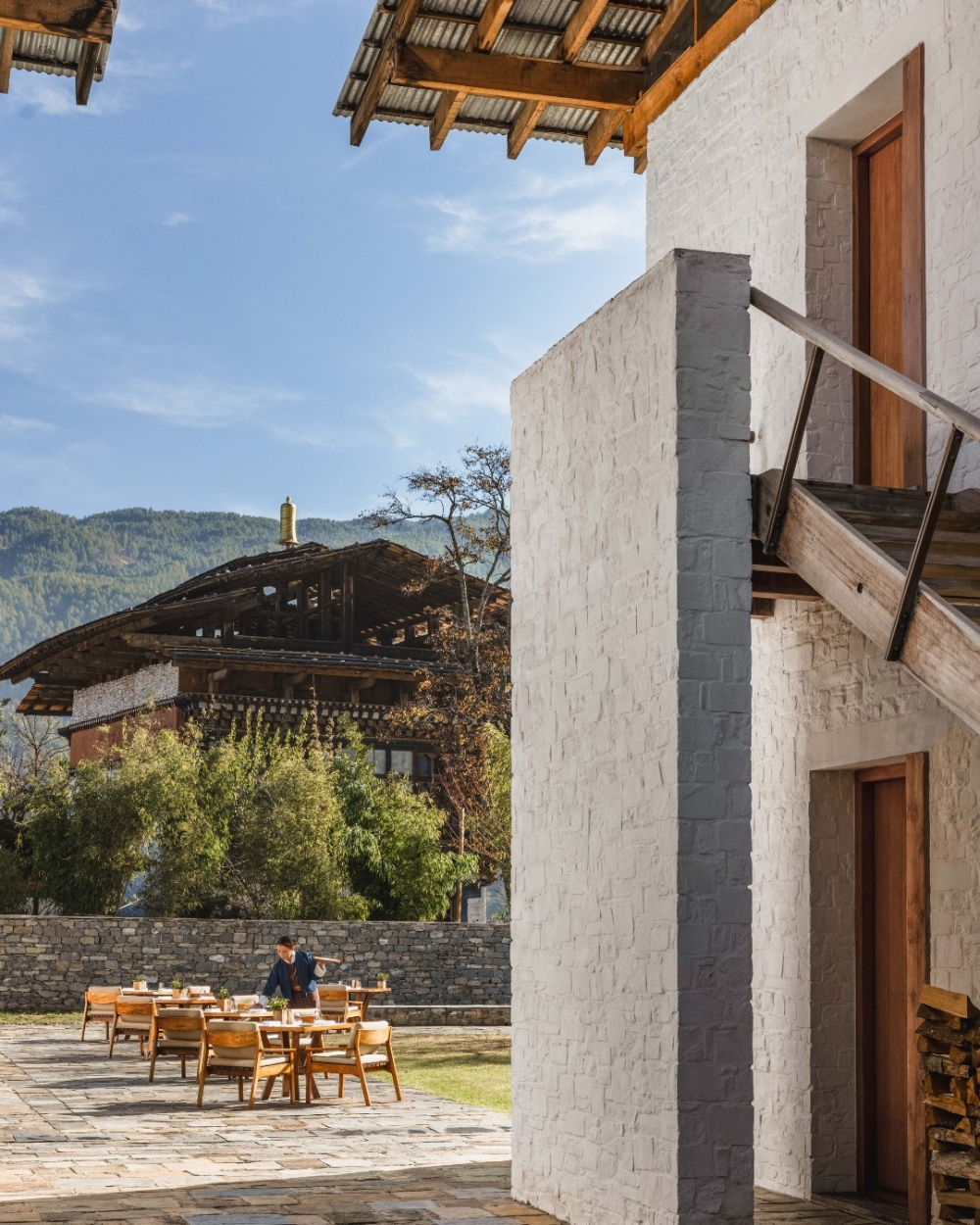
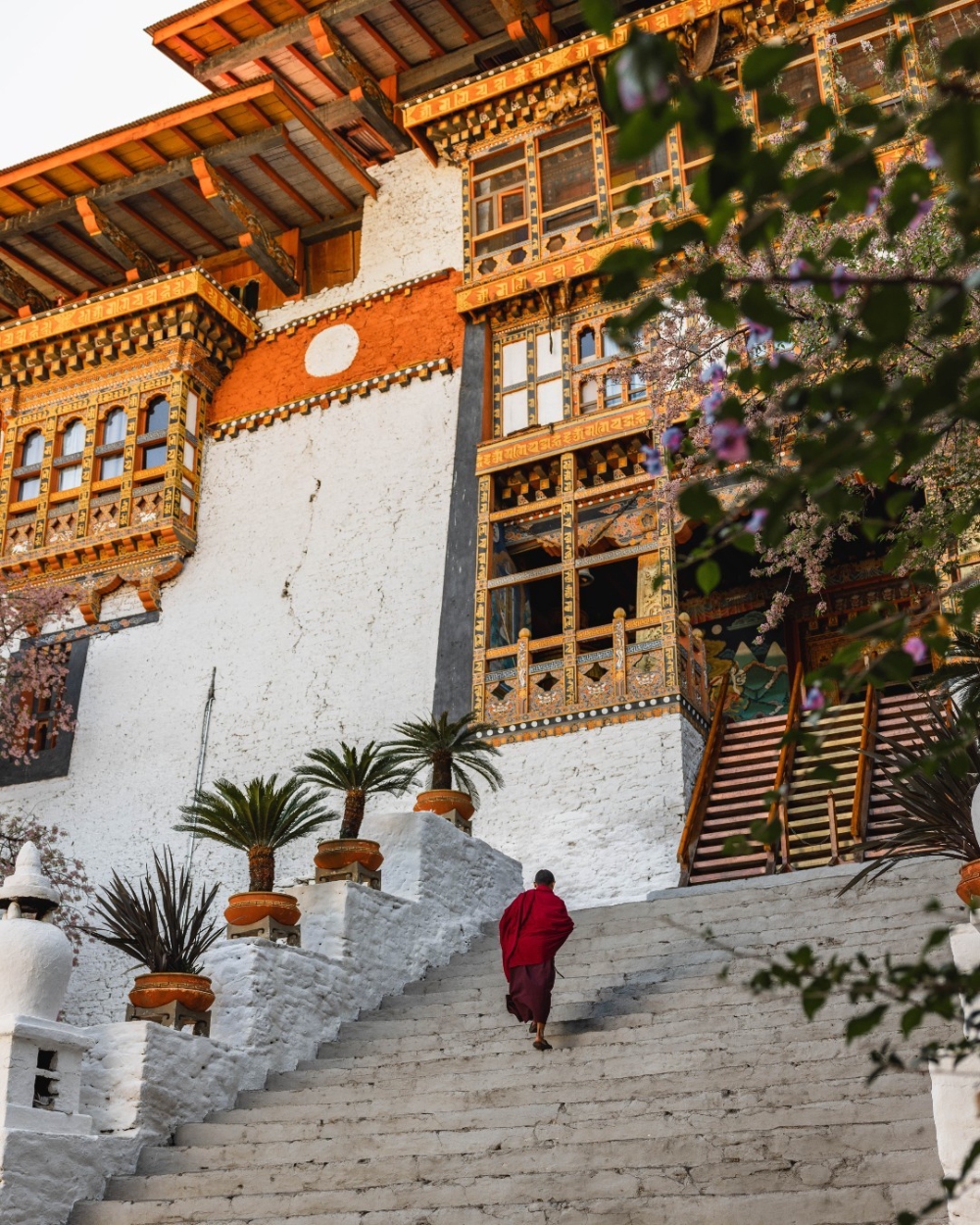
Bumthang is Bhutan's spiritual center. Centuries-old temples, Buddhist pilgrimage sites, the valley where Bhutan's most important religious events happen.
Most tourists rush through the main temples, follow a guide's script, and move on.
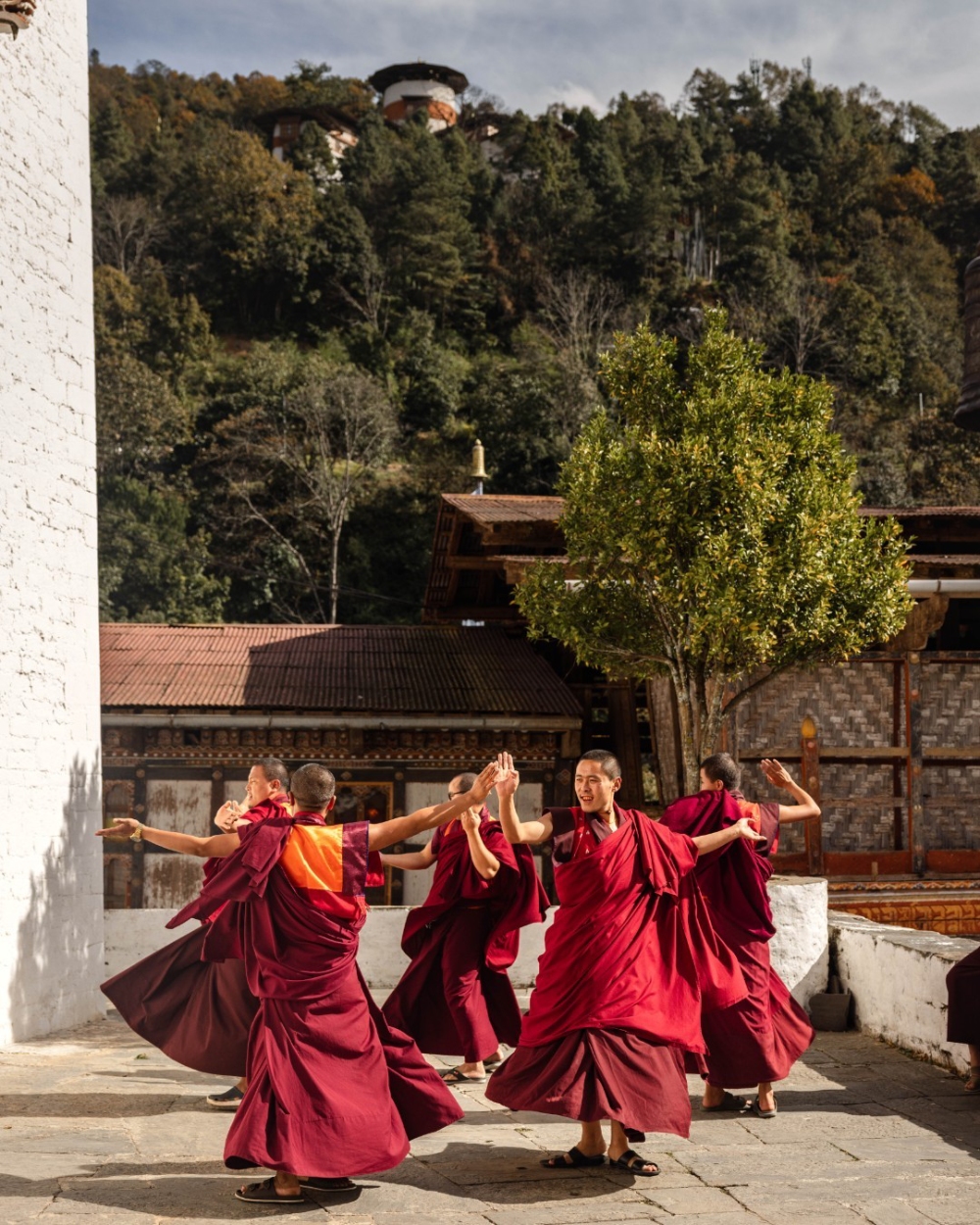
What I do: I sit in monastery courtyards and listen to monks chant. I cycle quiet roads and stop to talk with villagers. I watch a prayer ceremony unfold not as a tourist, but as a guest in sacred space.
Bumthang isn't famous for sightseeing. It's famous for spiritual depth. There's a difference.
Amankora Bumthang is the most remote of the five lodges—a full day's drive from Paro. That remoteness is intentional. It slows you down further.
What you actually do in Bumthang:
- Day 1: Arrive. Settle. Temple walk at golden hour.
- Day 2: Full day—cycle quiet roads, visit villages, sit in a monastery courtyard, have tea with locals. No checklist.
- Day 3: Craft workshops (weaving, wood carving). Farm visits. Another monastery visit if called to it.
The Amankora difference: Bumthang is where the lodge staff know all the monks. Where your guide is from the valley. Where tourism hasn't changed the rhythm.
Why you stay here: Bumthang is where you understand why you came to Bhutan. It's the why, not the what.
The Three Proven Amankora Itineraries (2026)
Your journey depends on three things:
- How much time do you have
- What season are you travelling in
- Whether you want culture-deep or culture-light
Here are the three architectures that work.
The Classic 7-Night Amankora Circuit (Most Requested)
Best for: Travelers who want a complete Amankora experience without feeling rushed
Flow: Thimphu → Punakha → Gangtey → Paro (Tiger's Nest on return)
What you get:
- All five lodges (2 nights in Thimphu + Gangtey for depth)
- Every major valley experience
- Time to sit and absorb (not just check boxes)
- Private guide and driver throughout
- Cultural experiences that feel organic, not scheduled
Daily Breakdown:
| Day | Location | Experience |
|---|---|---|
| Day 1 | Arrive Paro. Drive to Thimphu (1 hour). | Settle into the lodge. Evening town walk. Cup of butter tea. |
| Day 2 | Thimphu | Tashichho Dzong, artisan workshops, and National Memorial Chorten. One day here is enough—anymore and it feels like a capital city. |
| Day 3 | Thimphu → Punakha (3 hours via Dochu La Pass) | Dochu La viewpoint. Punakha Dzong at sunset. River walk. |
| Day 4 | Punakha | Rice paddies. Farm visit. Optional rafting. Evening by the fire. |
| Day 5 | Punakha → Gangtey (3 hours) | Scenic drive. Gangtey monastery. Valley orientation. |
| Day 6 | Gangtey | Pre-dawn crane spotting. Village walk. Afternoon rest or optional hike. |
| Day 7 | Gangtey → Paro (5 hours) | Scenic drive. Paro lodge arrival. Evening local textile workshop. |
| Day 8 | Paro | Tiger's Nest at dawn. Paro Dzong in the afternoon. Farewell dinner. |
Why this works:
- No feeling of rushing
- Two-night stays allow real settling
- Tiger's Nest (the iconic site) comes at the end—you're ready for it emotionally
- Proper pacing for acclimatisation
- Cultural depth without exhaustion
Best seasons: March–May (spring), September–November (autumn)
Price per person (USD): $1,200–$1,500/night (private), $850–$1,200/night (group-joining) Price per person (GBP): £910–£1,150/night (private), £645–£910/night (group-joining)
Includes: Lodge + meals + private guide + transfers + Bhutan SDF + visa
The Fast Track 5-Night Amankora (For Time-Constrained Travellers)
Best for: Executives, travellers on business trips, first-timers wanting high impact
Flow: Thimphu → Punakha → Paro
What you get:
- Three valleys (eliminates Gangtey and Bumthang—the slower, deeper experiences)
- All essential sites (Tiger's Nest, dzongs, village experiences)
- No feeling of rushing despite shorter duration
- Compressed but intentional
Daily Breakdown:
| Day | Location | Experience |
|---|---|---|
| Day 1 | Arrive Paro. Drive to Thimphu. | Lodge arrival, city walk, memorial chorten, dinner. |
| Day 2 | Thimphu | Quick government dzong visit, artisan workshop, market walk. Leave midday for Punakha. |
| Day 3 | Thimphu → Punakha | Dochu La pass. Punakha Dzong. Rice paddy walk. Rafting optional. |
| Day 4 | Punakha → Paro (6 hours via scenic route) | Optional stop at Wangdue Phodrang. Paro lodge at sunset. |
| Day 5 | Paro | Tiger's Nest sunrise. Paro Dzong. Farewell. |
Why this works:
- No downtime (but no exhaustion)
- Captures Bhutan's essence in a tight timeframe
- Good option for business travellers who can only spare a week
- Still feels like Amankora quality (not a rushing tour)
Best seasons: March–May, September–November
Price per person (USD): $1,200–$1,500/night (private) Price per person (GBP): £910–£1,150/night (private)
Includes: Same as 7-night
The Slow 9-Night Family Journey (Multi-Generational Depth)
Best for: Families, grandparents + kids, travelers wanting zero stress
Flow: Thimphu → Punakha → Gangtey → Bumthang → Paro
What you get:
- All five lodges
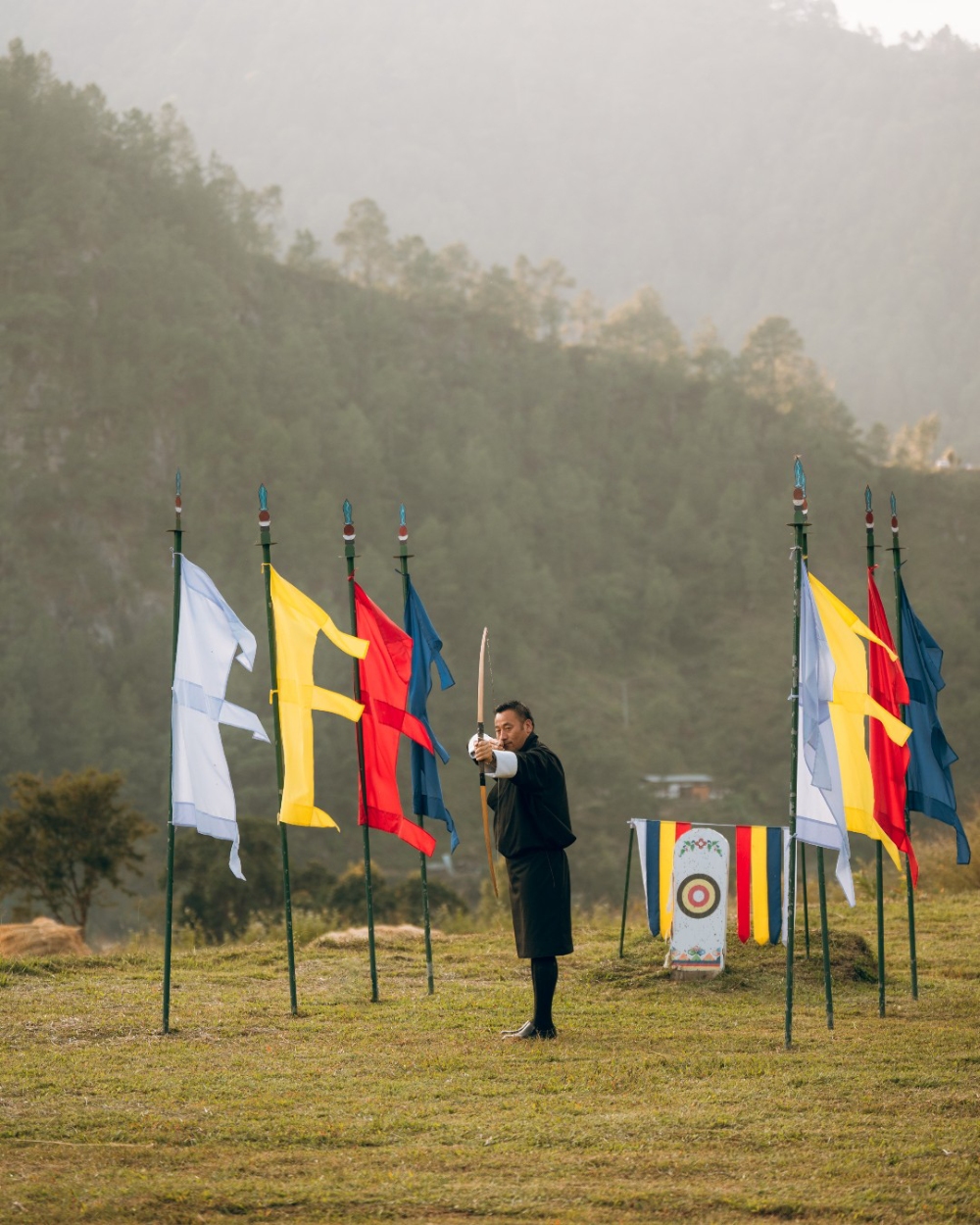
- Family-friendly activities (no risk, high experience)
- Educational moments kids actually remember
- Two-night stays everywhere (no rushing)
- Cultural access that parents and children experience together
Daily Breakdown:
| Day | Location | Experience |
|---|---|---|
| Day 1 | Arrive Paro. Drive to Thimphu. | Lodge settles in. Kids explore the courtyard. Family dinner. |
| Day 2 | Thimphu | Gentle chorten walk. Craft workshop (kids love this—hands-on painting or weaving). Market exploration. |
| Day 3 | Thimphu → Punakha | Dochu La. Punakha dzong. Family rafting (ages 8+). |
| Day 4 | Punakha | Rice paddy walk. Farm lunch with a local family. Cooking demo optional. |
| Day 5 | Punakha → Gangtey | Scenic drive. Valley arrival. Evening walk. |
| Day 6 | Gangtey | Crane spotting (pre-dawn, quiet, magical). Village game time (locals teach kids games). |
| Day 7 | Gangtey → Bumthang | Full-day drive (long). Lodge arrival. Rest day. |
| Day 8 | Bumthang | Temple visit. Cycling on quiet roads. Village tea stops. Craft workshop. |
| Day 9 | Bumthang → Paro (fly or drive) | Paro arrival. Tiger's Nest at golden hour (families prefer afternoon hike). Prayer flag printing workshop. |
| Day 10 | Paro | Dzong exploration. Farewell lunch. Departure. |
Why this works:
- Kids don't feel bored or rushed
- Parents get culture and ease
- Real memories (not just photo ops)
- Grandparents can participate fully
- Educational without feeling like school
Best seasons: March–May, September–November (October especially for clear skies)
Price per person (USD): $1,200–$1,500/night (private family rate—usually 10% discount for 2+ children) Price per person (GBP): £910–£1,150/night (private)
Includes: Family-friendly guides, meals adjusted for kids, activities with flexibility
Real Amankora Pricing for 2026 (What You Actually Pay)
Let's be direct. Pricing is where most luxury Bhutan operators get vague.
Here's what I'll tell you honestly:
What's Included (All Prices):
- ✓ Lodge accommodation (twin or single supplement)
- ✓ All meals (breakfast, lunch, dinner, tea, snacks)
- ✓ Private guide (or group guide if group-joining)
- ✓ Private transfers or shared transfers
- ✓ Bhutan Sustainable Development Fee ($100/night USD, paid to the government)
- ✓ Bhutan visa processing
- ✓ Internal flights (if needed: Paro-Bumthang)
- ✓ Cultural experiences (monastery visits, village walks, craft workshops)
- ✓ All entry permits
What's NOT Included:
- ✗ International flights to Paro
- ✗ Travel insurance
- ✗ Spa treatments (though available)
- ✗ Alcoholic beverages (available, charged separately)
- ✗ Tips/gratuities
2026 Price Matrix:
| Journey Type | Per Night (USD) | Per Night (GBP) | 7-Night Total (USD) | Total (GBP) |
|---|---|---|---|---|
| Private Journey (2 people) | $1,200–$1,500 | £910–£1,150 | $8,400–$10,500 | £6,370–£8,050 |
| Private Journey (4+ people) | $1,100–$1,400 | £835–£1,065 | $7,700–$9,800 | £5,845–£7,455 |
| Group-Joining (2–6 people) | $850–$1,200 | £645–£910 | $5,950–$8,400 | £4,515–£6,370 |
Why the variation?
- Season: March–May and September–November are peak; prices are higher
- Group size: Couples pay a single supplement; groups of 4+ get a per-person reduction
- Lodge availability: Bumthang and Gangtey (more remote) may add a $100–200/night premium in peak season
- Itinerary: 9-night journeys total ~$11,000–$15,000 per person; 5-night runs $6,000–$8,000
Hidden Costs You Should Know:
- SDF (Sustainable Development Fee): $100/night USD—non-negotiable, goes to the Bhutan government
- Visa: $20 USD (we handle it)
- Guide gratuity: Budget $150–200 for the entire journey (not required, deeply appreciated)
- Personal activities: Spa, additional meals, alcohol, shopping—budget $500–$1,000 extra
Why Amankora Costs What It Does:
- Consistency: Same service standard across all five lodges (not easy to execute)
- Exclusivity: Small groups, private experiences, not mass-market
- Access: Private guides, monastery relationships, village introductions cost time + relationships
- Location: Remote valleys = high logistics cost (staff, supply chains, road maintenance)
- Sustainability: Bhutan's "high value, low impact" philosophy isn't cheap to operate
How ELH Designs Your Amankora Journey Differently
Here's what happens when you book an Amankora journey with Everest Luxury Holidays:
Phase 1: Deep Understanding (2–3 weeks before departure)
We don't send you an itinerary template. We ask questions:
- What time of year matters for your schedule?
- Have you trekked at altitude before?
- Are you a "see everything" traveller or a "sit quietly" traveller?
- What did you love about previous trips?
- What exhausted you?
- Are you travelling solo, as a couple, or with family?
Your answers shape the itinerary. Not templates. Not "recommended packages."
Your specific journey.
Phase 2: Cultural Briefing (1 week before departure)
This is where we differentiate from every other operator.
Your guide—who will spend 7–9 days with you—receives a detailed brief:
- Your name, profession, interests, and travel history
- Your physical fitness level and pacing preference
- Activities you're excited about; activities to skip
- Dietary preferences, allergies, and sleep schedule
- What kind of conversations matter to you
- Whether you prefer morning walks or afternoon exploration
Your guide then plans each day around you—not a script.
This takes 4–6 hours of guide preparation per guest. Most operators don't do this.
Phase 3: Real-Time Adjustment During the Journey
You wake up on day 3 and realise:
- The early mornings aren't working for you
- You've fallen in love with the Gangtey valley and want to stay longer
- The monastery experience made you want to skip other sites
- You want two hours of complete quiet—no guides, no schedule
We adjust. That's the luxury of private journeys.
Phase 4: Post-Journey Debrief (1 week after return)
We don't just collect a review and disappear.
We ask:
- What shifted in you during this journey?
- What moment will you remember in 10 years?
- What surprised you about Bhutan?
- What about ELH worked? What could we improve?
Your feedback feeds into the next 200 journeys.
The Result:
Guests don't just take a trip. They experience a curated, personalised encounter with Bhutan—exactly the opposite of mass-market tourism.
That calm, that consistency — it doesn't happen by accident. Bhutan is one of the few countries that has deliberately designed its entire tourism system to protect the experience you're having. Visitor numbers are capped. Guides are licensed by law. A daily fee funds the infrastructure that keeps the country intact.
We wrote about why that model matters — and what it means for every traveller who chooses Bhutan.
What Separates ELH From Every Other Amankora Operator
Here's a truth: Many operators sell Amankora. The lodges, pricing, and itineraries are nearly identical.
What's different is who you work with before, during, and after the journey.
Before Departure:
- Most operators: Send an itinerary PDF. Confirm dates. Take payment.
- ELH: Four weeks of conversation. Guide briefing. Pre-journey materials. Phone prep.
During the Journey:
- Most operators: Guide does the job. You're one of six groups they manage.
- ELH: Your guide's only job is your journey. 24/7 Naresh backup (my personal number) if anything shifts.
After the Journey:
- Most operators: Silence. Maybe a "thank you" email.
- ELH: Detailed debrief. Feedback integration. Relationship maintained for future trips.
This difference compounds over seven days.
Your Amankora Journey Starts Here
Luxury Bhutan tourism is at an inflexion point.
Fifteen years ago, Bhutan was invisible to luxury travellers. Now it's Instagram-famous, which means it's filling with tourist buses and rushed itineraries.
Amankora exists in the gap between invisibility and mass tourism. It's still possible to have a real Bhutan journey, but it requires:
- Intention (not impulse)
- Patience (not speed)
- Trust (in the guide, the country, the process)
- Investment (in your own experience, not in being seen doing it)
If you're that kind of traveller, Amankora Bhutan—designed with the rigour that Everest Luxury Holidays brings to every journey—will change how you think about luxury travel.
You don't need luxury hotels. You need luxury experiences.
Amankora is built for that.
Ready to Plan Your Amankora Journey?
Next Step:
- Request Your Amankora Quote (2026 Dates)
- Book a Planning Consultation with Naresh
- Read Guest Testimonials from 70+ Amankora Journeys
- Learn about the sustainable tourism in Bhutan
Or, if you want to learn how ELH designs Amankora journeys differently, read: How Everest Luxury Holidays Curates an Amankora Journey