Understanding where the money goes—and why two itineraries in the same country cost so differently.
The Pricing Paradox
You find two luxury Nepal tour companies. Both offer 10-day Nepal tours. Both promise experienced guides, comfortable lodges, and excellent food.
But one is Everest-focused (Kathmandu → Everest trek → return).
The other is integrated Nepal (Kathmandu Valley temples → Chitwan wildlife → Annapurna trekking → Pokhara lakes) or add Everest as a plus experience.
One costs $5,200 per person. The other costs $11,500+ per person.
Both say they're luxury. Both promise authentic experiences. On the surface, they look comparable. So why does one cost more than double?
The answer isn't luxury. It's operational structure, regional complexity, and itinerary depth.
Understanding this difference—what costs money, why operators charge differently, what you actually get for the higher price—is essential when choosing a luxury Nepal tour. Because the choice isn't between "good" and "better." It's between two completely different operating models and fundamentally different itineraries.
The Problem: Everyone Defaults to Mountain-Only Pricing
Here's why the market is confused about pricing:
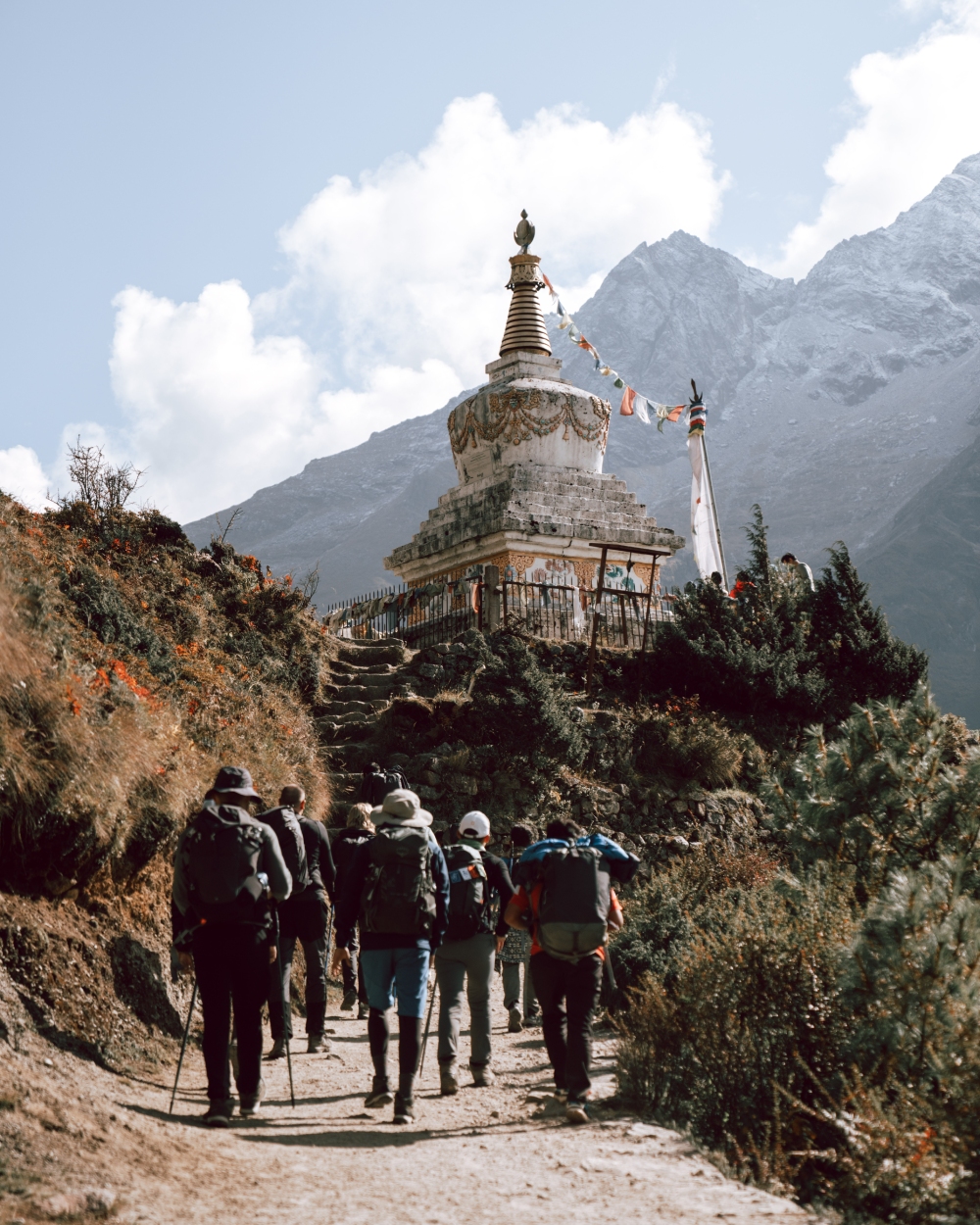
Most luxury tour operators focus on trekking itineraries. Everest Base Camp. Annapurna Circuit. These are repeatable, predictable, and easy to market. The cost structure is: lodge upgrades, guide fees, and helicopter optional. Everyone knows this pricing model.
But Nepal isn't a mountain destination that happens to have culture. It's a country of layered regions, each requiring different expertise, logistics, and guide training.
When you price a Signature Nepal Tour (Kathmandu → Chitwan → Annapurna → Pokhara), you're not pricing a single-region trek. You're pricing:
-
Kathmandu Valley expertise (temple knowledge, Newari culture, urban logistics)
-
Chitwan expertise (wildlife + Tharu community knowledge)
-
Trekking expertise (mountains + heritage villages)
-
Regional transitions (managing guide changes, different accommodations, different environments)
-
Integrated wellness (stillness in chaos, cultural presence, landscape connection)
-
Everest (either a private helicopter journey for a day-trip or a few days of boutique hiking)
This is more complex and more expensive than booking the Everest Base Camp for 10 days.
The Low-End Luxury Model ($4,500-$7,000)
The Typical Structure: Single-Region Focus
A luxury trek at this price point typically focuses on one region—usually Everest, Annapurna, or Langtang. The logic is simple: master one route, hire seasonal guides, optimise logistics for that corridor.
What Gets Included
-
Lodging: Private rooms with ensuite bathrooms at established lodges
-
Food: Breakfast and dinner in the lodge (lunch often "own expense")
-
Guides: One primary guide for the group, possibly a co-guide for large groups
-
Porters: Shared porter support (1 porter per 2-3 trekkers)
-
Logistics: Transport to/from trailheads, internal flights between major cities
-
Support: Basic medical kit, altitude education
The Operating Structure
Operators at this tier optimise for efficiency and scale. Here's how they work:
Staffing: One guide leads the group. Guides are seasonal contractors, available for multiple operators. Porters are collected trek-by-trek and share duties across groups. A typical 8-person group might have 1 guide, 1 assistant, and 4-5 porters.
Logistics: Equipment is transported by standard porter chains—supplies gradually move up the mountain. No helicopter pre-positioning. No resource redundancy. The pace and supply lines are established and fixed.
Lodging: The operator books at established lodges but doesn't secure exclusive rooms far in advance. If a lodge fills up, the group might split into multiple hotels in the same town. Rooms are private but basic.
Food: Meals follow the lodge kitchens' standard offerings. Vegetarian options exist. Dietary requirements are accommodated but not anticipated.
Regional Knowledge: Guides are trained in mountain logistics and safety. Cultural knowledge is secondary. The focus is on getting safely from Point A to Point B.
Flexibility: The itinerary is fixed. If weather delays the trek, schedules shift. If altitude adjustment is needed, the group slows down. But the lodge sequence remains the same.
The Cost Structure at This Tier
-
Lodging & Meals: $35-50 per night per person (lodge cost + food)
-
Guide Salary: $40-60 per day
-
Porter Costs: $25-40 per day (shared, so $8-15 per person)
-
Transport & Logistics: $400-600 total per person
-
Operations/Profit: 20-30% margin
Total Base Cost: $2,800-$3,500 per person
Selling Price: $4,500-$7,000 (40-50% markup)
What This Means for Your Experience
Strengths:
-
You get genuine comfort and safety
-
Guides are experienced and trained
-
The trek is well-established and reliable
-
You're not paying for unnecessary extras
Tradeoffs:
-
Limited customisation on meals, pace, or experiences
-
Regional guides aren't specialists—they're multi-purpose logistics providers
-
No contingency buffer if the weather extends the trek
-
Acclimatisation is managed by schedule, not individual need
-
Cultural integration is basic (standard village visits, not relationships)
-
If you want a multi-region itinerary (Kathmandu + Chitwan + Trekking), you're paying extra or dealing with gaps in expertise
The Multi-Region Complexity Problem
Here's something important that most operators don't price well:
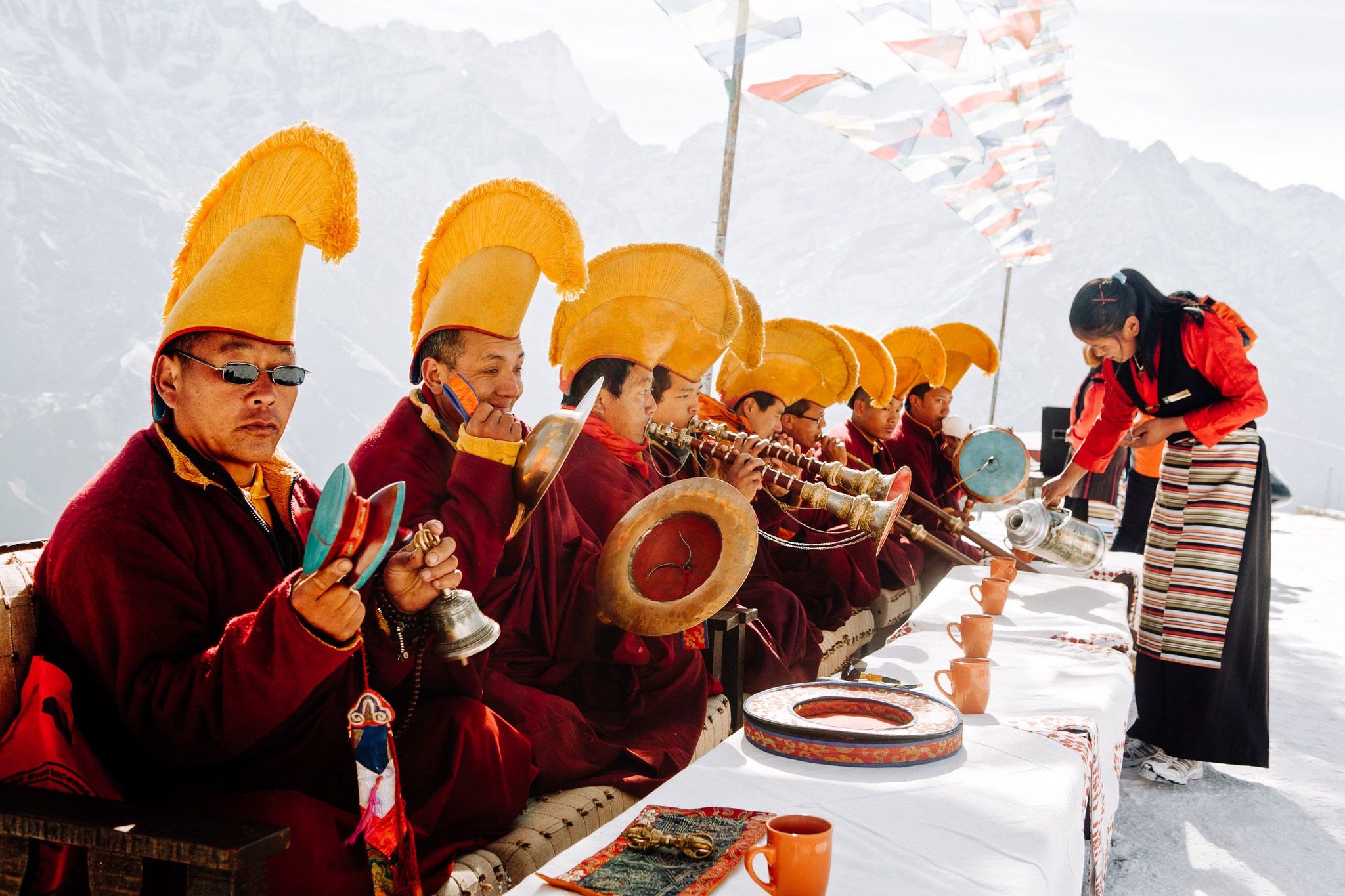
If you want to do a Signature Nepal Tour—moving from Kathmandu temples to Chitwan wildlife to Annapurna/Everest trekking and ending in the Pokhara lakes—you need different guides for each region.
A mountain guide doesn't have expertise in Newari architecture or Tharu culture. A cultural guide isn't trained for alpine trekking. You need specialists for each.
Low-cost operators either:
-
Use one generalist guide for everything (resulting in shallow experiences across all regions)
-
Don't offer multi-region itineraries (so you don't see the real Nepal)
-
Price multi-region tours the same as single-region (and cut corners on guides/logistics)
This is why single-region treks are cheaper. They're simpler to operate.
The High-End Luxury Model ($9,000-$13,000+)
The Structure: Integrated Regional Expertise
A luxury tour at this price point is built on a different framework. The operator has invested in guides for multiple regions, pre-positioned resources, and customised itineraries that weave together Nepal's complexity.
What Gets Included
-
Lodging: Pre-secured rooms at premium boutique lodges (same locations, but specific rooms reserved)
-
Food: All meals included, with customised menus and sourced premium ingredients
-
Guides: Dedicated regional specialists (mountain guide for trekking, cultural guide for Kathmandu/Chitwan, wellness guide if needed)
-
Porters: Dedicated porter support (1 per person or close)
-
Logistics: Private helicopter backup, weather contingency flights, pre-positioned equipment
-
Support: Medical oversight, altitude training, wellness integration, cultural facilitation
The Operating Structure
Operators at this tier optimise for control, expertise, and customisation:
Staffing:
-
Guides work with the operator for years, not seasons
-
Each region has specialised guides (Everest specialists, Annapurna heritage specialists, Kathmandu Valley specialists, Chitwan ecosystem naturalists)
-
Guides are assigned based on your interests and the region
-
Porters are dedicated to your group and travel at your pace
-
Reserve staff sit in key locations (Namche, Chitwan lodges, Kathmandu base), ready for emergencies
Logistics:
-
Equipment is pre-positioned via helicopter before the season
-
Supplies are managed proactively, not reactively
-
Multi-region transitions are seamless—different guides have relationships at each location
Lodging:
-
Premium lodges are booked months in advance with specific room preferences
-
Same lodge, different experiences depending on your needs
-
Continuity across regions—each lodge is chosen for both comfort and cultural positioning
Food:
-
Menus customised before departure based on your preferences
-
Dietary needs are anticipated, not accommodated as exceptions
-
Meals reflect regional cuisine (Newari in Kathmandu, Thakali in Mustang, Sherpa in the mountains)
-
Sometimes meals are with families or in special settings—not just lodge dining
Regional Knowledge:
-
Guides are cultural translators and local connectors
-
A Kathmandu guide knows Newari families, artisans, and lesser-known temples
-
Chitwan guide has relationships with Tharu communities, understands human-wildlife ecosystems
-
Trekking guides have meditated in monasteries, hiked with communities, and understand the spiritual and cultural significance
-
Guides don't just move you through places—they place you inside understanding
Flexibility:
-
The itinerary adjusts based on weather, group pace, and individual needs
-
If you need an extra day in Chitwan to sit with a Tharu family, the schedule absorbs it
-
If acclimatisation needs more time, guides extend without cost implications
-
Guides have the authority to make decisions—they don't consult base operations
The Cost Structure at This Tier
-
Premium Lodging & Meals: $250-350 per night per person (pre-secured rooms, premium sourcing, customised menus)
-
Guide Salary & Management: $100-150 per day (higher pay, year-round employment, training investment)
-
Dedicated Porter Costs: $50-70 per day total ($10-15 per person, genuinely dedicated)
-
Helicopter & Contingency: $800-1,500 per person (high-end and private transfers)
-
Wellness/Logistics Oversight: $200-400 per person (dedicated coordination, cultural facilitation)
-
Multi-Region Expertise: $300-500 per person (specialised guide training, regional knowledge investment)
-
Operations/Profit: 25-35% margin
Total Base Cost: $6,500-$9,500 per person
Selling Price: $9,000-$13,000+ (varies by group size, season, customisation)
What This Means for Your Experience
Strengths:
-
Integrated itineraries showing multiple Nepals (temples, wildlife, trekking, wellness, culture)
-
Guides are specialists in their regions AND cultural translators
-
Flexibility to adjust pace, timing, and meals without added costs
-
Pre-positioned logistics remove bottlenecks
-
All meals included with customised options
-
Contingency access (helicopter) gives peace of mind
-
Attention to individual acclimatisation and wellness needs
-
Authentic cultural integration (relationships, not performances)
Tradeoffs:
-
Higher price reflects genuine cost increases (staffing, logistics, expertise)
-
Less spontaneity in meal planning (menus are pre-arranged)
-
Not cheaper is not "better"—it's different (you're buying integration, depth, and control)
Where the Extra $4,000-$8,000 Actually Goes
Staffing Costs: The Regional Specialist Investment
Low-end model: One guide for 8 people = $5-7.50 per person per day
High-end model: Dedicated guides for each region + base staff = $40-50 per person per day
But this isn't just about numbers. It's about expertise.
When you move from Kathmandu to Chitwan, a multi-region operator provides a different guide—one trained in Tharu culture and jungle ecosystems. A single-guide operator sends the same mountain guide, who treats Chitwan as a "different section" of the same itinerary.
The difference is depth. A Chitwan specialist guide knows:
-
Tharu village families (not tourist demonstrations)
-
The actual ecology of human-wildlife coexistence
-
Where locals eat, not where tourists are directed
-
How to facilitate community connection, not observation
This guide costs more because they're full-time employed (not seasonal) and highly specialised.
Logistics and Pre-Positioning: The Flexibility Investment
Low-end model: Supplies move with porter chains, and pace is established
High-end model: Critical supplies transferred to key points before the season starts
Why does this cost $800-1,500 per person?
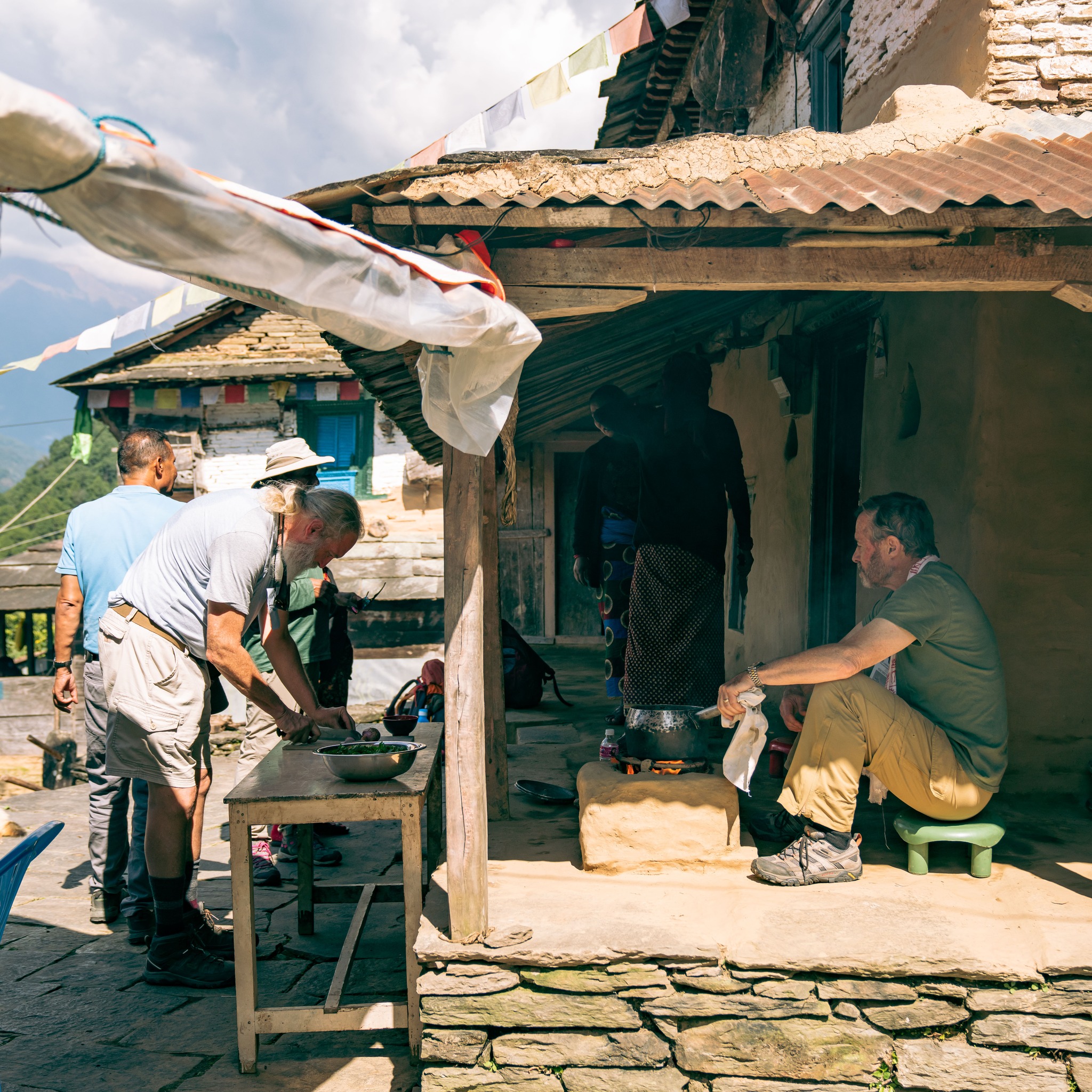
Because it creates flexibility that wouldn't exist otherwise. If you need an extra day in Chitwan, supplies are already positioned for you. If you want to meditate at a monastery for an afternoon instead of trekking, the next camp is prepared. If weather delays a flight, you're not scrambling for supplies—they're waiting.
This pre-positioning requires advance planning, helicopter costs, storage, and logistics coordination. But it enables the customised, flexible experience that defines high-end service.
Regional Lodging Quality and Sourcing
Standard lodges: $35-50/night, local ingredients, standard menu
Premium lodges: $250-350/night, curated ingredients, customised menus
In Kathmandu, the difference between a 4-star hotel and a heritage boutique is $150-300/night. In Chitwan, premium lodges (with Tharu cultural integration) cost $500-800/night vs $30-40 for standard. In Mustang, a place like Shinta Mani Mustang costs $1800+/night vs. $50-80 for standard lodges.
But pricing isn't just about room quality. It's about:
-
Intentional positioning (lodges chosen for cultural integration, not just comfort)
-
Kitchen quality (affects meal quality across the journey)
-
Staff training (hospitality is taught, not improvised)
Guide Training and Selection
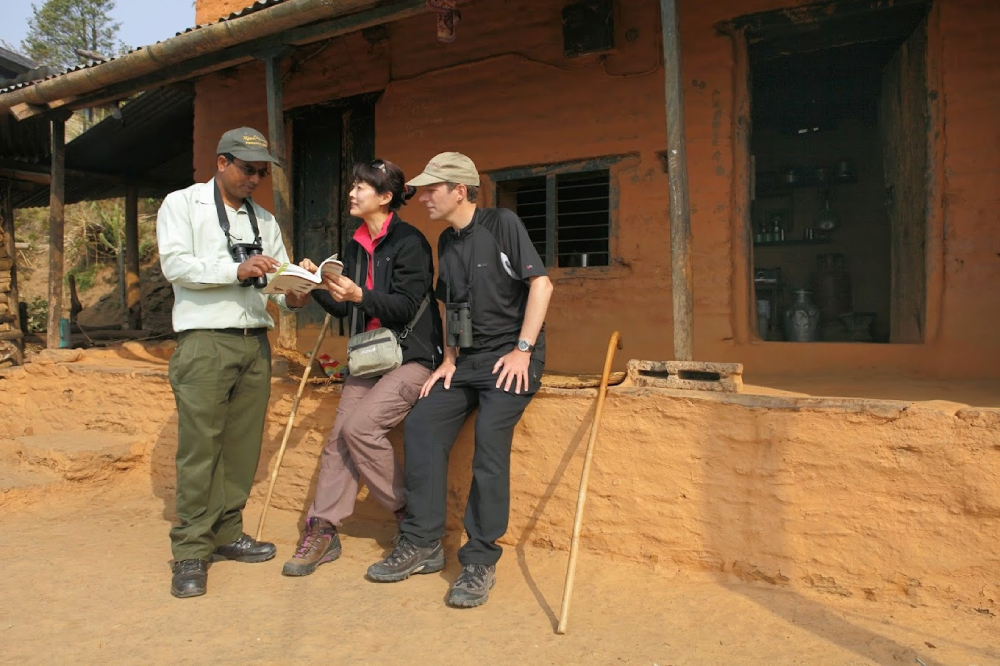
High-end operators invest significantly in guide training:
-
Altitude psychology (understanding emotional responses to altitude, not just physiology)
-
Cultural facilitation (how to enable authentic connection without exploitation)
-
Communication skills (explaining decisions in a way that settles anxiety)
-
Wellness integration (noticing when someone needs rest, meditation, or social space)
-
Regional expertise (Newari history, Tharu culture, spiritual significance of places)
This training doesn't show up in itineraries. But it changes how guides respond to challenges. A trained guide notices altitude-related emotional fatigue before it becomes a crisis. A trained guide knows how to facilitate authentic cultural exchange.
Low-cost operators skip this. Guides are assumed to "know" based on experience.
Contingency Systems
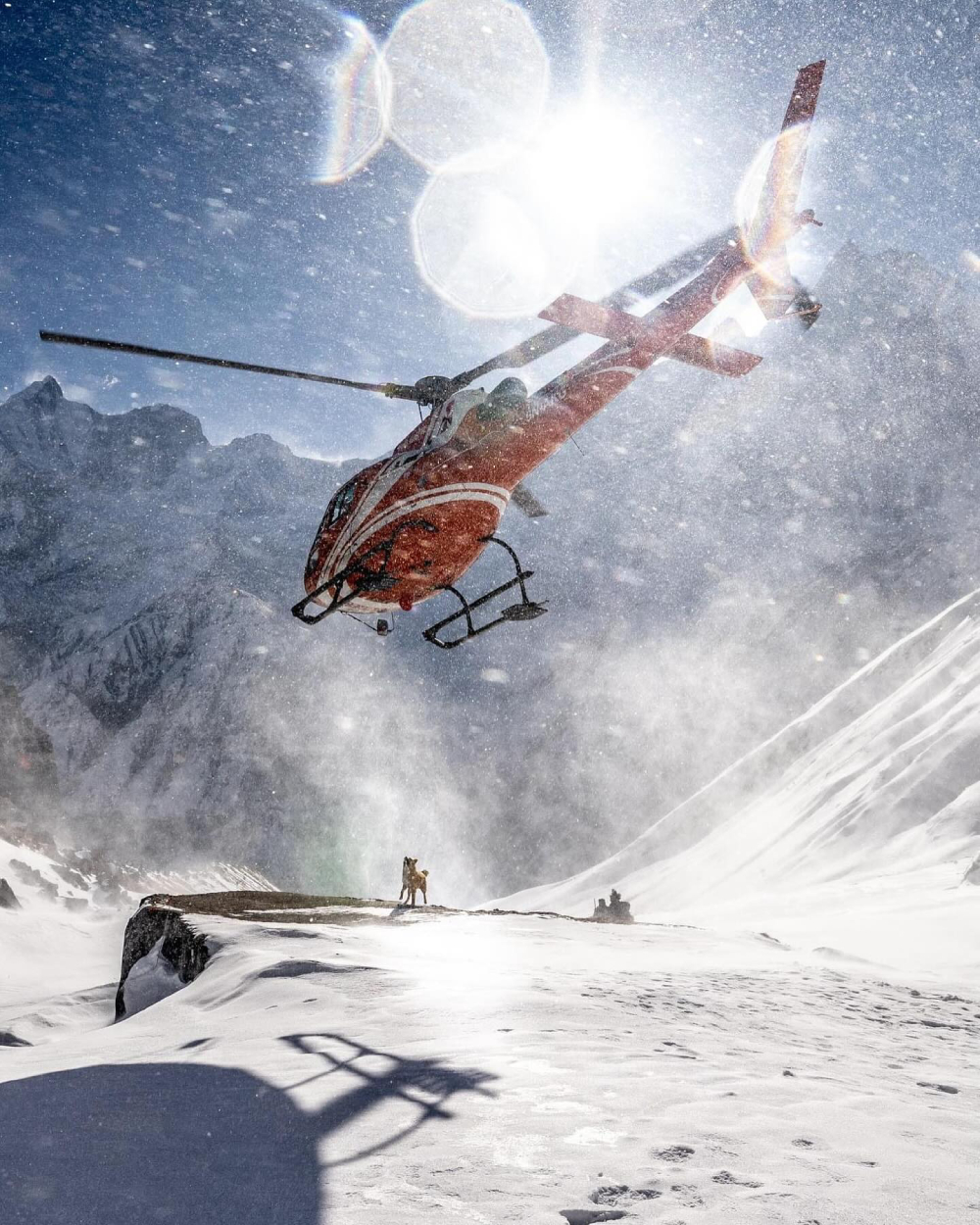
High-end operators build in:
-
Helicopter access ($800-1,200 or more, depending on situation and location per person)
-
Medical standby (satellite phone, medical protocols, doctor contacts)
-
Weather contingency (extra nights planned in case of delays)
-
Reserve staff (backup guides/porters for emergencies)
These systems rarely need activation. But if altitude sickness requires urgent descent, or weather extends the trek by 2 days, these systems activate seamlessly.
Low-cost operators manage these situations as they happen—often resulting in split groups, improvised alternatives, and extra costs for the client.
Meal Quality and Customisation
Low-end: Lodges serve set menus. Vegetarian? Yes. Gluten-free? We'll try.
High-end: Menus customised before trek. Ingredients sourced in advance. Dietary needs are built into planning.
This requires:
-
Pre-trek communication with clients
-
Direct coordination with lodge kitchens
-
Sometimes, pre-positioning speciality ingredients
-
More preparation, more communication, more planning
For integrated itineraries like the Signature Nepal Tour, this means:
-
Newari cuisine in Kathmandu (prepared by someone who knows it)
-
Thakali meals in Mustang (with regional context, not generic "local food")
-
Sherpa meals in the Everest region (not compromises, but authentic recipes)
-
Wellness meals in Annapurna (supporting your body at altitude)
Each region has different culinary traditions. High-end operators integrate this. Low-cost operators serve "lodge food."
Multi-Region Expertise Costs
Here's something no one talks about: Multi-region itineraries cost more to operate than single-region itineraries.
When you book Everest Base Camp with a low-cost operator, they use the same guide, the same lodge chain, and the same logistics throughout. Efficient, repeatable, cheap.
When you book a Signature Nepal Tour (Kathmandu → Chitwan → Annapurna → Pokhara), you need:
-
Different guides for each region
-
Different lodge relationships
-
Different logistics (flights, vehicle changes, guide transitions)
-
Different supply chains (what's available in Kathmandu isn't available in Mustang)
This complexity adds cost—roughly $300-500 per person for the additional guide coordination, logistics transitions, and regional expertise.
Hidden Costs in Low-Priced Luxury Treks
Lower-priced luxury Nepal treks include extra costs not always shown:
-
Meals in cities: "Own expense" lunches, drinks, snacks = $50-100 per person
-
Extra porter/guide support: $10-20/day if needed
-
Helicopter access: Usually shared, costs extra = $800-2,000+
-
Medical support: Basic kit included, serious evacuation costs extra
-
Weather contingency: Extra nights not planned = $100-150/night
-
Tips for guides/porters: $200-400 expected (sometimes "16% gratuity" added)
Total hidden costs: $400-1,000+ not in the quoted price
High-end operators include everything. The quoted price is the actual price.
The Signature Nepal Tour Example: Why Integrated Costs More
Here's a concrete breakdown comparing a low-end single-region trek to a high-end multi-region trek:
Low-End: Everest Base Camp Trek ($5,500/person)
-
10 days, the Everest region only
-
One guide (seasonal contractor), shared porters
-
Standard lodges
-
Breakfast/dinner only (lunch on your own expense)
-
Fixed itinerary
-
Estimated hidden costs: $300-500
High-End: Signature Nepal Tour ($9,800/person)
-
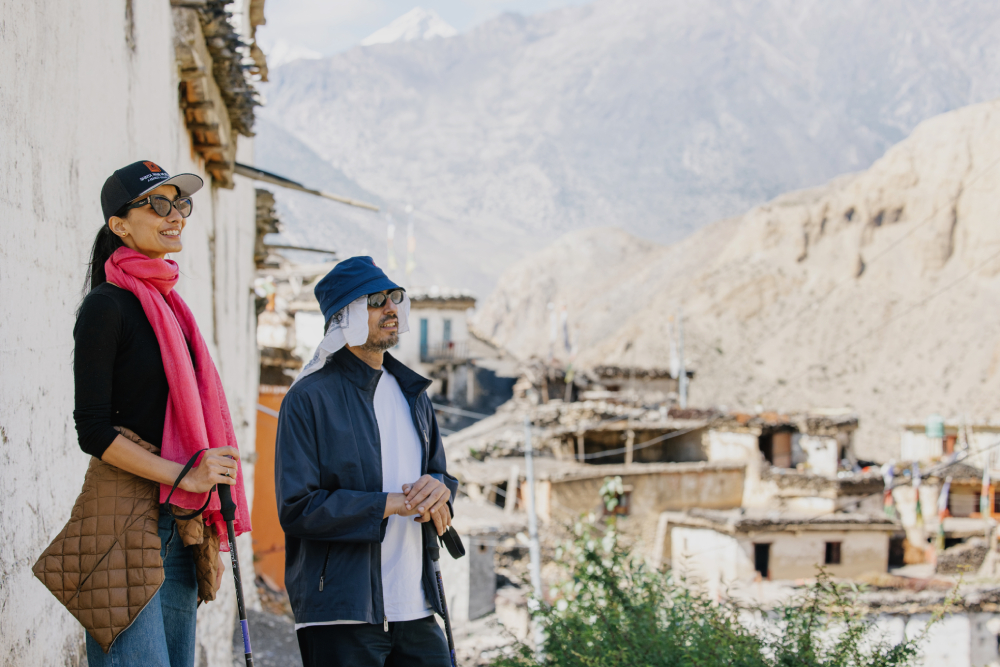
9 days, 4 regions (Kathmandu + Everest + Chitwan + Annapurna + Pokhara)
-
Multiple specialised guides (rotating by region)
-
Premium boutique lodges (handpicked)
-
All meals (customised by region and preference)
-
Flexible itinerary
-
Integrated wellness
-
All-inclusive pricing
The difference isn't just price. It's itinerary scope, guide expertise, logistical complexity, and cultural depth.
A single-region $5,500 trek and a four-region $9,800 tour aren't comparable. You're not paying double for the same thing. You're paying more because the scope is completely different.
You might ask, these are completely two different itineraries, why would we present them that way? The answer is: you come to Nepal, maybe several times, or maybe never after once, because you don't have enough time. And we use that philosophy, you come here once, you live it to the fullest that no regret is left.
Which Pricing Model Is Right for You?
The question isn't "which price is best." It's "What scope of Nepal experience do you want?"
If you want:
-
Deep trekking experience (one region, focused on mountains, acclimatisation) → $5,000-$7,000 range works
-
Nepal literacy (multiple regions, cultural integration, trekking + wellness) → $9,000-$13,000 range
If you need:
-
Flexibility (pace adjustments, extra days, customised meals) → Premium tier
-
Contingency planning (backup systems, helicopter access) → Premium tier
-
Cultural depth (guides who are translators, authentic community access) → Premium tier
If you're:
-
Time-limited travellers (fixed schedule, must be predictable) → Both tiers can work
-
First-time high-altitude trekkers (need reassurance, steady pacing) → Premium tier preferable
-
Experienced travellers seeking depth over summits → Premium tier essential
Everest Luxury Holidays' Approach to Pricing
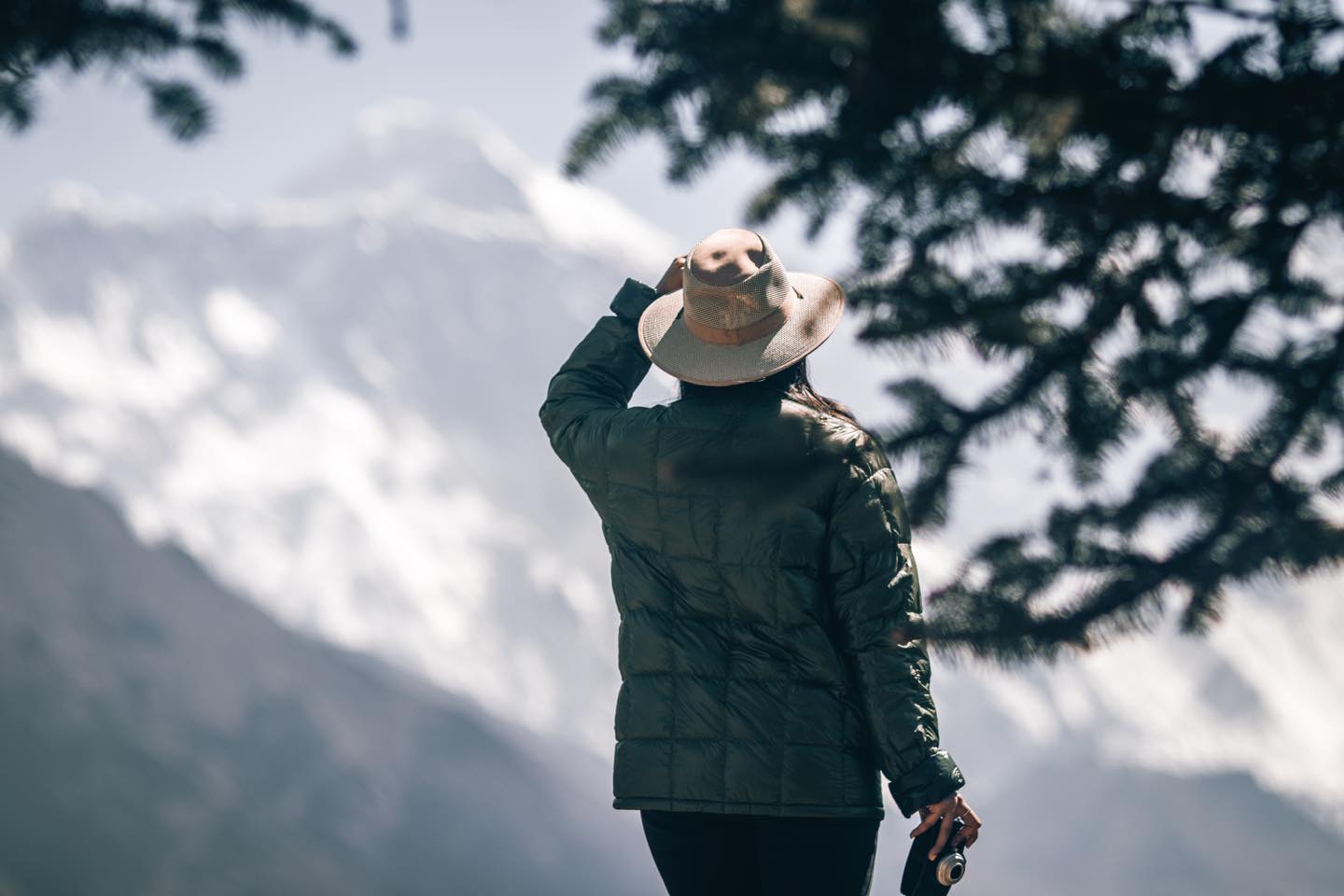
We operate across both tiers because different travellers need different things:
Our Single-Region Treks ($5,500-$8,000)
-
Everest Base Camp luxury trek
-
Annapurna Heritage Trail
These are deep, focused experiences in one region
Our Multi-Region Integrated Tours ($9,000-$13,000+)
-
Signature Nepal Tour (Kathmandu + Chitwan + Annapurna + Pokhara)
-
Wellness in Annapurna (cultural + mountain + healing)
-
Upper Mustang (culture + landscape + mysticism)
In both cases, our pricing reflects:
-
Guide expertise and continuity (not seasonal contractors)
-
Pre-planned logistics (not managed as-you-go)
-
All-inclusive structure (no hidden costs)
-
Wellness integration (not optional add-ons)
-
Regional specialist guides (not generalists)
-
Contingency planning (built-in safety buffers)
We don't compete on being cheap. We compete on being thoughtfully designed for the specific scope you want.
Ready to Understand Your Investment?
Pricing transparency matters. That's why we publish our structure openly: Learn how we price our signature experiences and why the structure reflects operational depth.
Want to compare what's included in different tiers? Request your personalised quote, and we'll break down exactly what you're paying for and why.