You're looking at destinations. That's the right instinct. But here's what most family travel guides don't tell you: the destination doesn't matter if you choose it wrong.
I've guided over 500+ families through Nepal. Every single one came for different reasons. Some wanted to disconnect their kids from screens. Some needed to rebuild trust with teenagers. Some came because three generations were living under one roof, and nobody was talking.
The destination list is the same for everyone: Kathmandu, Pokhara, Everest, Chitwan, Annapurna, Mustang, and Dhulikhel.
But the right destination for your family? That's different.
This guide shows you the seven places. But more importantly, it shows you how to match your family's actual problem to the place that solves it. Because a beautiful destination is worthless if it's the wrong one for what you're carrying.
I'm Naresh. I've run family treks in Nepal for 3+ years. This is what I've learned about where families should actually go.
The Real Question Before Destinations
Before I show you where to go, answer this honestly:
What's actually broken at home?
- Your kids live behind screens, and you want that to change?
- You're disconnected from your teenagers and don't know how to fix it?
- Three generations under one roof, and the tension is constant?
- You're so exhausted that you need rest more than adventure?
Your family is drifting, and you need proof that connection is possible.
Write that down. Keep it in mind as you read this guide.
Because I'm about to show you seven places. But only one of them is actually right for you. And it's not the one you think.
Interested in more Nepal tours? Read more.
DESTINATION 1: KATHMANDU VALLEY – When You Need the Gentle Start
Kathmandu isn't your final destination. It's your entry point. And how you enter matters.
The Destination
Kathmandu isn't your final destination. It's your entry point. And how you enter matters.
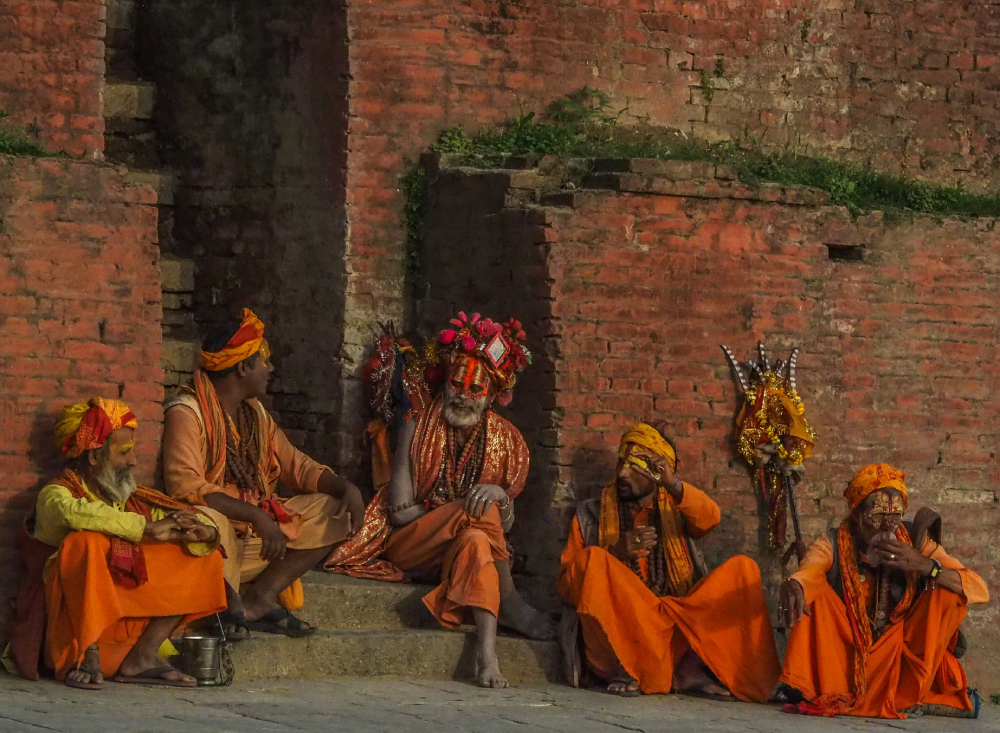
Kathmandu Valley isn't a mountain. It's a maze of temples, markets, neighbourhoods, and centuries of history compressed into 24 square kilometres. UNESCO sites sit next to street food vendors. Ancient courtyards open onto modern cafés. The rhythm is chaotic but somehow calming.
Why Families Come Here
Most families arrive in Kathmandu on Day 1 because it's where the flights land. But smart families stay here intentionally. For 3–4 days. Not rushing to the mountains.
The Real Reason to Choose This
If your family's problem is: Multigenerational travel where nobody feels equal
Kathmandu solves this because the pace is urban (grandparents can walk for 2 hours), the culture is visible (not requiring altitude or hiking), and the expertise shifts. Suddenly, your grandfather knows the temples better than the guide. Your grandmother recognises Newari architecture because her grandmother did. Your kids become students, not drag-alongs.
I've watched grandparents transform in Kathmandu. They go from feeling like they're slowing the trip down to feeling like they're leading it.
What Actually Happens Here
Day 1–2: Urban Acclimatisation
You're not trekking. You're walking through temples, markets, and UNESCO sites. Jet lag works in your favour—nobody has energy for drama. Your guide (trained to read families, not just recite history) is noticing who engages with what.
The Moment That Matters
I guided a family to Pashupatinath (a sacred Hindu site) where they watched cremation ceremonies on the Bagmati River. The 14-year-old who hadn't spoken to his father in months asked, "What does that mean?" His father answered. They talked for 20 minutes. Real questions. Not forced.
That happened because Kathmandu slows you down enough to notice each other.
Day 3: The Choice
- Cooking class (families cook Nepali food together—kids are engaged, parents relax)
- Pottery class (all ages, all abilities, nobody feels left behind)
- Durbar Square exploration (history becomes a conversation, not a lecture)
- Local neighbourhood walks (no guide required; just wandering)
- The difference between a tour and an experience: A tour is scheduled. An experience is discovered. Kathmandu has both. You choose which.
Best For
- Multigenerational trips (grandparents + kids + parents)
- Families with anxiety (low altitude, no hiking, easy logistics)
- Families that need rest disguised as activity
- Families whose kids are aged 8–16 (the sweet spot for engagement)
When to Go
- October–November (clear skies, mild weather, Dashain festival if timing works)
- March–April (spring flowers, perfect temperature)
Avoid: June–August (monsoon, oppressive heat), January (cold, hazy)
How Long?
3–4 days minimum. Less than that and you're just landing. More than 5, and Kathmandu starts to feel repetitive (it's dense, not sprawling).
The Logistics
- Direct flights from most major cities
- No altitude sickness risk
- Easy walking (mostly flat, short distances)
- Food is familiar enough for kids; authentic enough for adults
One Thing Most Guides Miss
They treat Kathmandu as a stopover. I treat it as a foundation.
Why? Because how your family feels on Day 3 (after Kathmandu) determines how the rest of the trip goes. If you're still tense, no mountain will fix it. If you've started talking again, even a challenging trek becomes bonding.
Ready to design a Kathmandu start? Let's talk →
DESTINATION 2: DHULIKHEL & PANAUTI – When Slow is the Point
Once you've settled into the valley's rhythm, it's time to leave the city. But not too far. Not yet.
The Destination
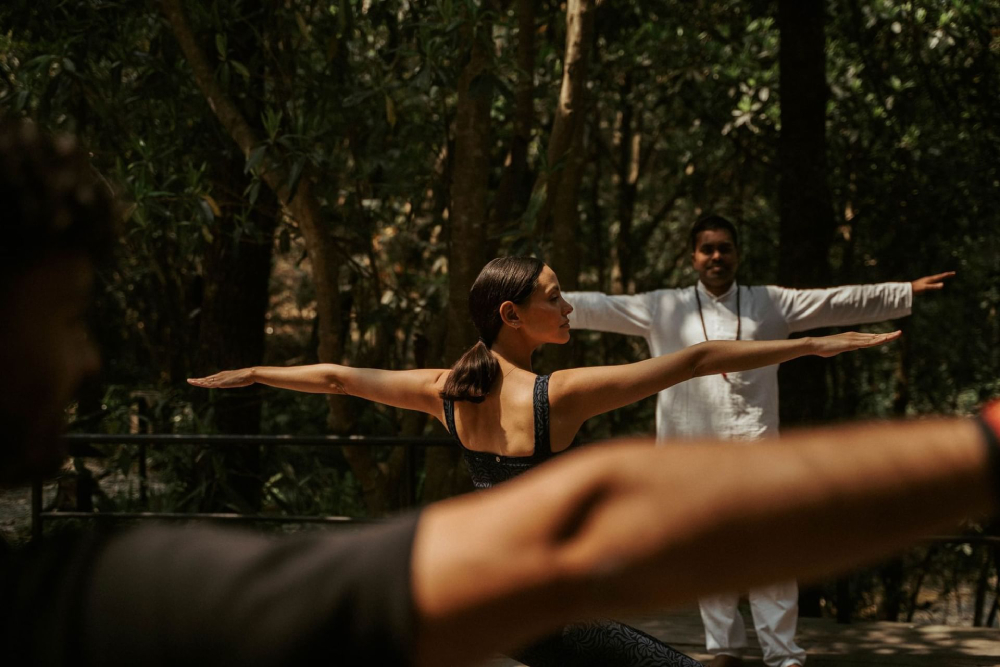
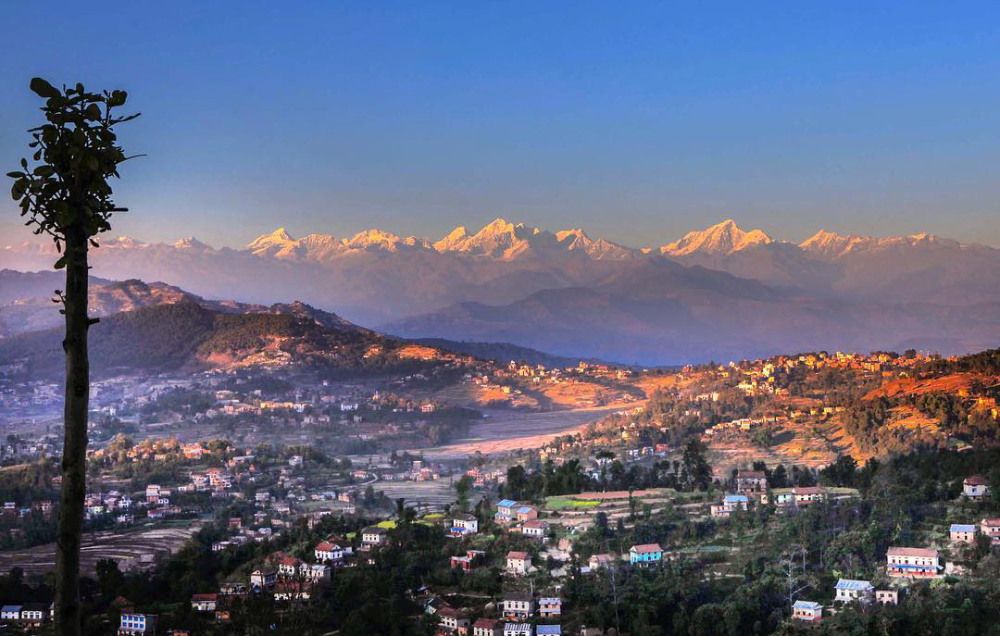
One hour from Kathmandu, the world changes. Dhulikhel and Panauti are Newari villages that survived modernisation. The architecture is centuries old. The pace is pre-industrial. The rhythm is actually slow—not Instagram-slow, but genuinely slow.
Why Families Come Here
To escape Kathmandu's chaos while staying close enough to feel safe. To experience village life without committing to a trek. To find space between activities.
The Real Reason to Choose This
If your family's problem is: Too much digital dependency + kids who've never experienced genuine boredom
Dhulikhel and Panauti solve this because there's nothing to scroll. No WiFi pressure. No scheduled activities creating urgency. Just villages being villages.
I've watched kids literally sit and watch pottery being made. Not as a "cultural experience." As something genuinely interesting. Because there's nothing faster competing for their attention.
What Actually Happens Here
Day 1: Arrival & Disorientation
You're in a village where the rhythm is different.
No car horns (Kathmandu constant). No chaos. No WiFi asking for attention.
First 4 hours: Kids might complain. This is normal. Stick with it.
Day 2: The Shift
Pottery class: Your 11-year-old is learning wheel-throwing from a Newari master who's been doing this for 40 years.
They're not learning about pottery. They're learning that skill takes time. That something made slowly is different from something made fast.
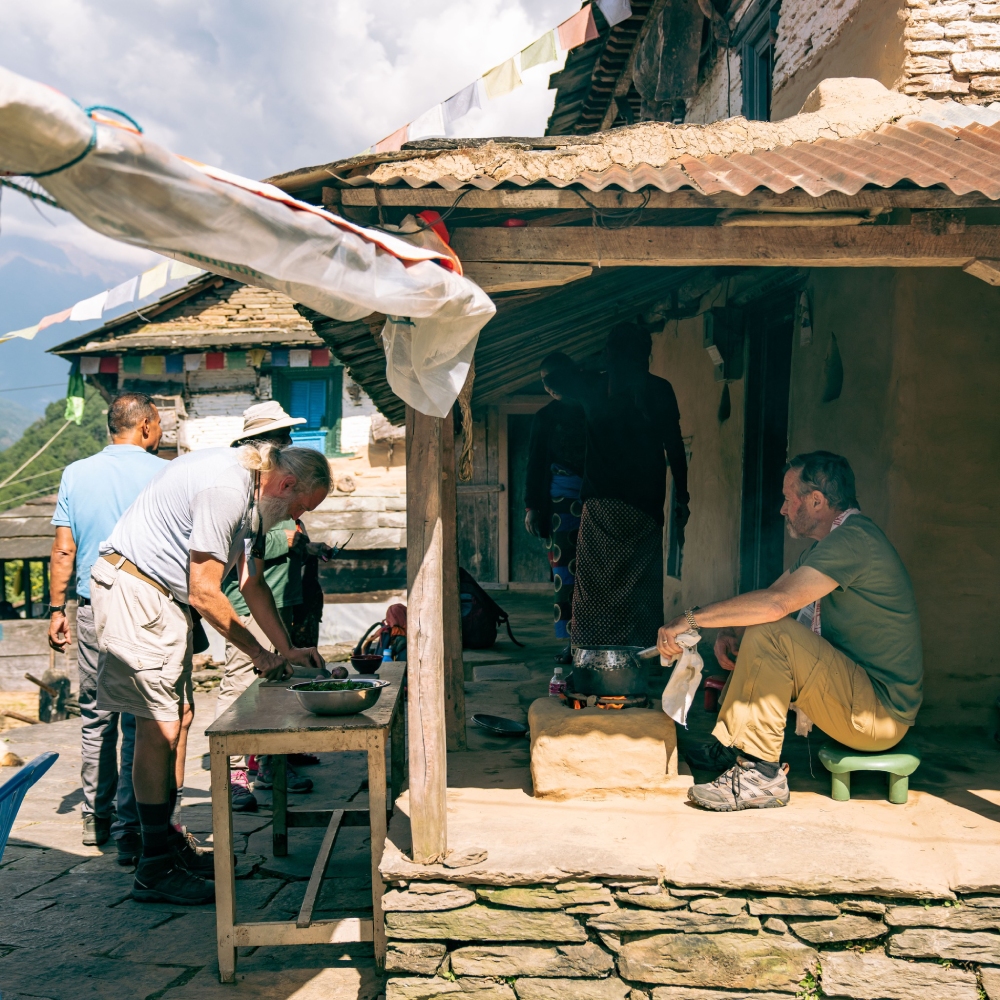
Lunch: You cook Newari food together in a local kitchen.
The 8-year-old's hands are in dough. Your teenager is tasting food they've never eaten. Your partner is watching without their phone.
The Moment That Matters
I brought a family here from San Francisco (tech workers, high stress, screens everywhere). On Day 2 afternoon, the mother sat on a rooftop overlooking rice fields. She cried. Not sad. Relieved. She told me later: "I forgot what quiet felt like."
That's what Dhulikhel gives you: Permission to stop moving.
Day 3: Integration
Short village walk (30 minutes, flat, no hiking).
Visit a local family's home (not a "homestay experience"—an actual neighbour's house).
Sit with elders, have tea, listen to stories.
Kids see that grandparents exist in other places, too. That wisdom isn't just their grandmother—it's everywhere.
Best For
Families needing decompression (between Kathmandu and higher altitude)
Kids aged 8–14 (old enough to appreciate silence, young enough to engage with village life)
Families whose teenagers need to experience that boredom is survivable
Multigenerational trips where slow pace is an asset, not a compromise
When to Go
- October–November (perfect weather, no rain)
- March–April (spring, wildflowers, gentle temperatures)
Avoid: Monsoon season (June–August), peak winter cold (January)
How Long?
2–3 days. Anything shorter feels rushed. Anything longer and you've absorbed the rhythm; might as well commit to the mountains.
The Logistics
- 1-hour drive from Kathmandu (scenic, easy)
- No altitude
- Very walkable
- Food is simple; your guide helps if anyone gets squeamish
- Homestays are basic but clean (not luxury, not uncomfortable)
One Thing Most Guides Miss
They rush through Dhulikhel as a "stopover destination." I use it as a transition point where families actually reset their nervous system.
The mountains will challenge you. Dhulikhel prepares you for that by slowing you down first.
[Design a slow reset? Let's plan Dhulikhel for you →]
DESTINATION 3: POKHARA – When Rest is Active
From the villages, you're ready for transition. Pokhara isn't rest or adventure—it's the bridge between them.
The Destination
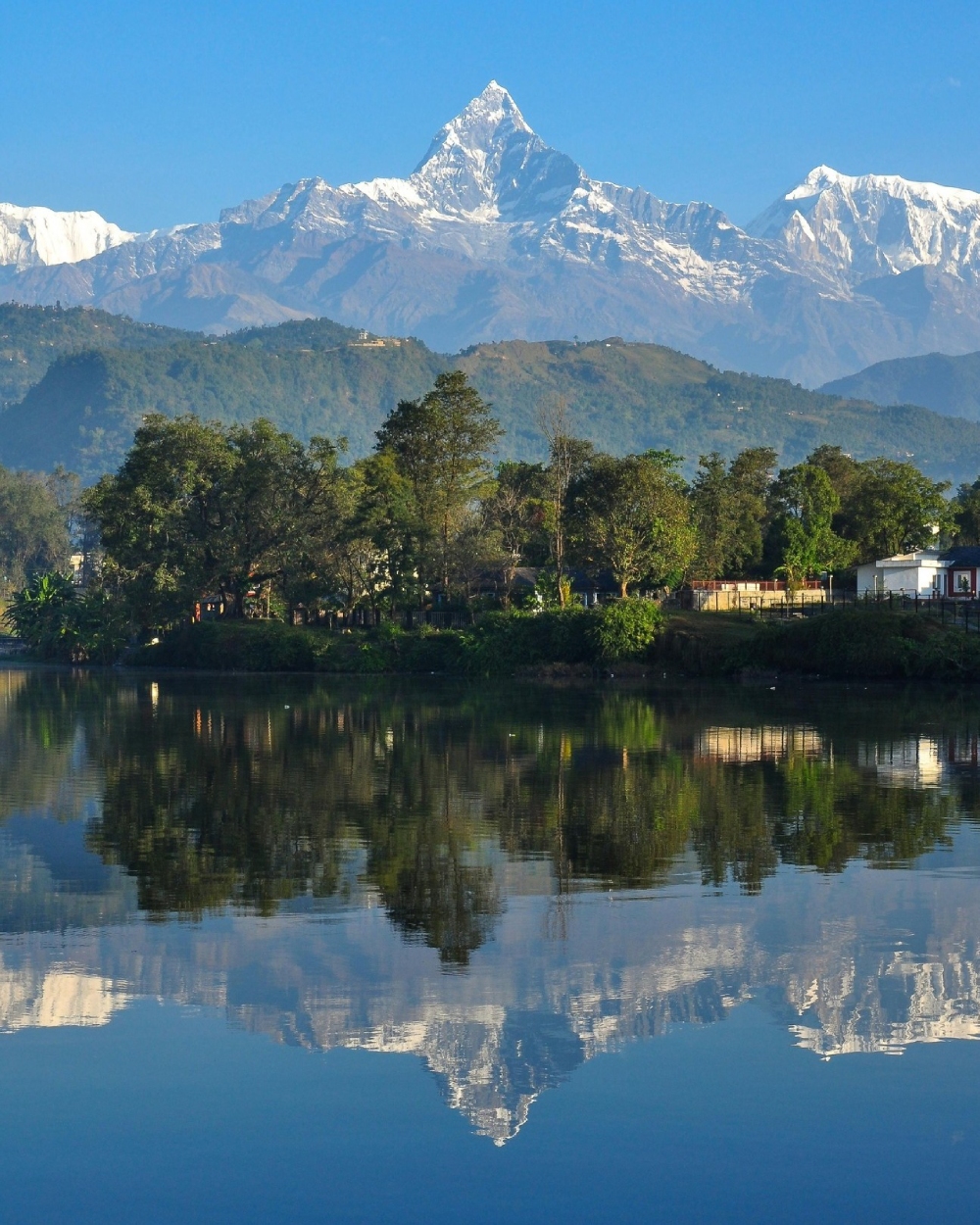
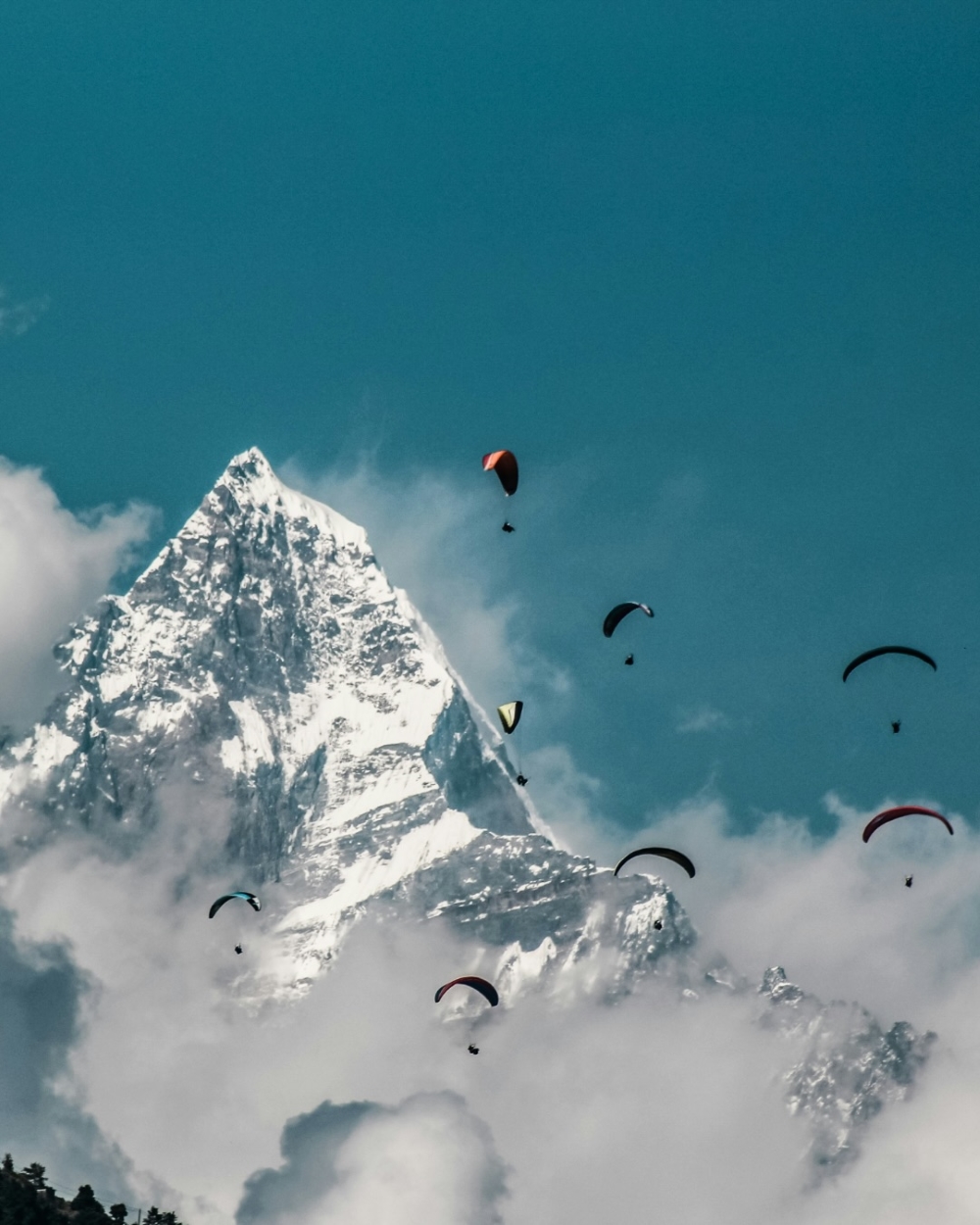
Pokhara is a lakeside town 25 minutes by plane from Kathmandu. Phewa Lake mirrors the Himalayas. The weather is mild. The pace is resort-calm but without feeling fake. It's a rare place where you can rest and feel like you're experiencing something.
Why Families Come Here
Because after Kathmandu's intensity and Dhulikhel's slowness, they need a transition that feels like a real destination. Pokhara delivers that.
The Real Reason to Choose This
If your family's problem is: You need a connection without forced activity
Pokhara works because there's nothing you have to do. But there's plenty you could do. The difference is massive.
I've watched families sit by Phewa Lake for hours. Talking. Reading. Watching the water. Not because they booked a "relaxation package." Because there was nothing demanding their attention.
What Actually Happens Here
Day 1: Arrival & Settling
Lake views. Soft light. No pressure.
A boat ride on Phewa Lake (not as an activity; as transport + experience).
Dinner by the water.
Your teenager might actually sit at dinner without checking their phone.
The Moment That Matters
A year ago, I operated a family from London here—the father was a workaholic, the mother was exhausted, the kids were resentful. On Day 2 morning, the father and 16-year-old daughter went for a walk. Alone. No guide. No obligation.
They came back and sat by the lake for two hours. Not talking. Just sitting.
The mother asked what they had discussed. The daughter said, "Nothing. We just walked."
But something had shifted. They were in the same space without tension.
That's what Pokhara creates: Space for being rather than doing.
Day 2–3: Optional Adventures
-
Cable car to Sarangkot for sunrise (if you want movement)
-
Paragliding (for adventurous teens)
-
Davis Falls and Mahendra Cave (if you want to tick boxes)
-
Or: Stay by the lake. Read. Talk. Rest.
The key: Nothing is mandatory. Your family decides the pace.
Best For
-
Disconnected families who need slowness + presence
-
High-stress parents who need actual rest (not "wellness retreat" rest)
-
Families with young kids (easy pace, no altitude, short walks)
-
Teenagers who need permission to be bored (because boredom leads to presence)
When to Go
October–November (clearest Himalayan views, perfect weather)
February–April (mild, reliable, less crowded than October)
Avoid: June–September (monsoon, obscured views), January (possible haze)
How Long?
3–4 days. Less and you're still settling. More and the ease starts to feel aimless.
The Logistics
-
25-minute flight from Kathmandu (or 6-hour scenic drive if you prefer)
-
No altitude
-
Very walkable, flat terrain
-
Excellent restaurants (local + international)
-
Good hotels at all price points
One Thing Most Guides Miss
They sell Pokhara as an "activity destination"—paragliding, boating, hiking. True. But the real value is permission to rest while still feeling like you're travelling.
Most families don't know they need this. They think more activity = better trip. Pokhara teaches them differently.
Book a Pokhara reset? Let's design your days →
DESTINATION 4: ANNAPURNA FOOTHILLS – When You Want Hiking Without the Hardcore
By now, your family has learned to slow down. Time to test if they can move again.
The Destination
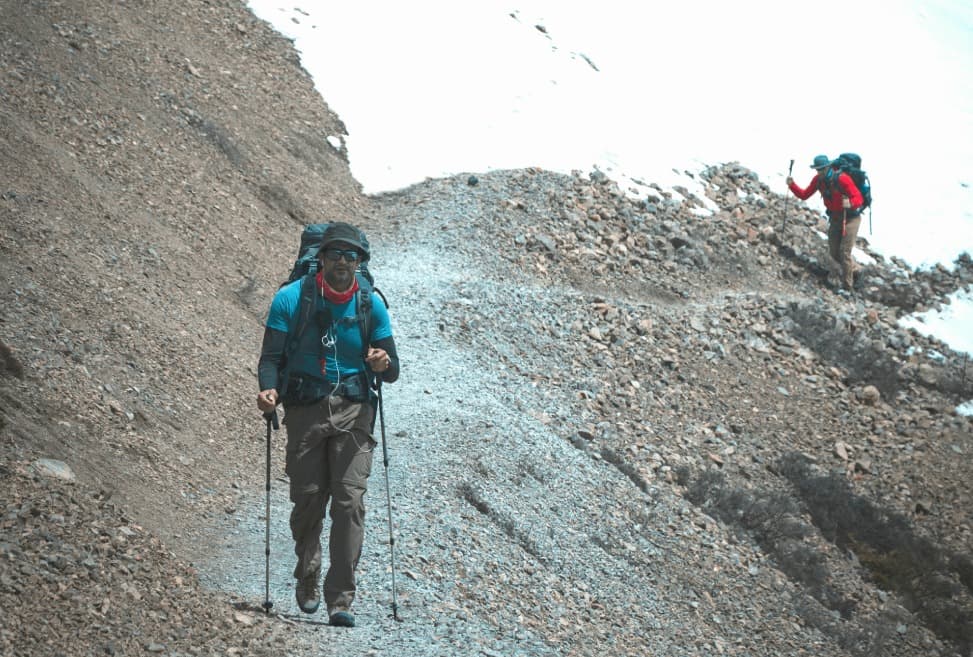
The Annapurna Foothills are where mountains start, but the altitude is forgiving. Villages like Ghandruk, Landruk, and Dhampus sit at 1,500–2,000 meters. You can see 8,000-meter peaks. You can hike 4–5 hours a day without misery. It's real hiking, but not survival hiking.
Why Families Come Here
Because they want their kids to experience mountains without fearing altitude sickness. They want to walk through villages, not just see them from a distance.
The Real Reason to Choose This
If your family's problem is: Adventure-seeking kids + parents who need sustainability
The Annapurna Foothills solve this because nobody's pushing themselves to the breaking point. Kids get a genuine mountain experience. Parents get rest that actually feels earned.
What Actually Happens Here
Day 1: Drive to Pokhara, then to the Foothills
-
Acclimatisation hike (30 minutes, easy, just to settle in)
-
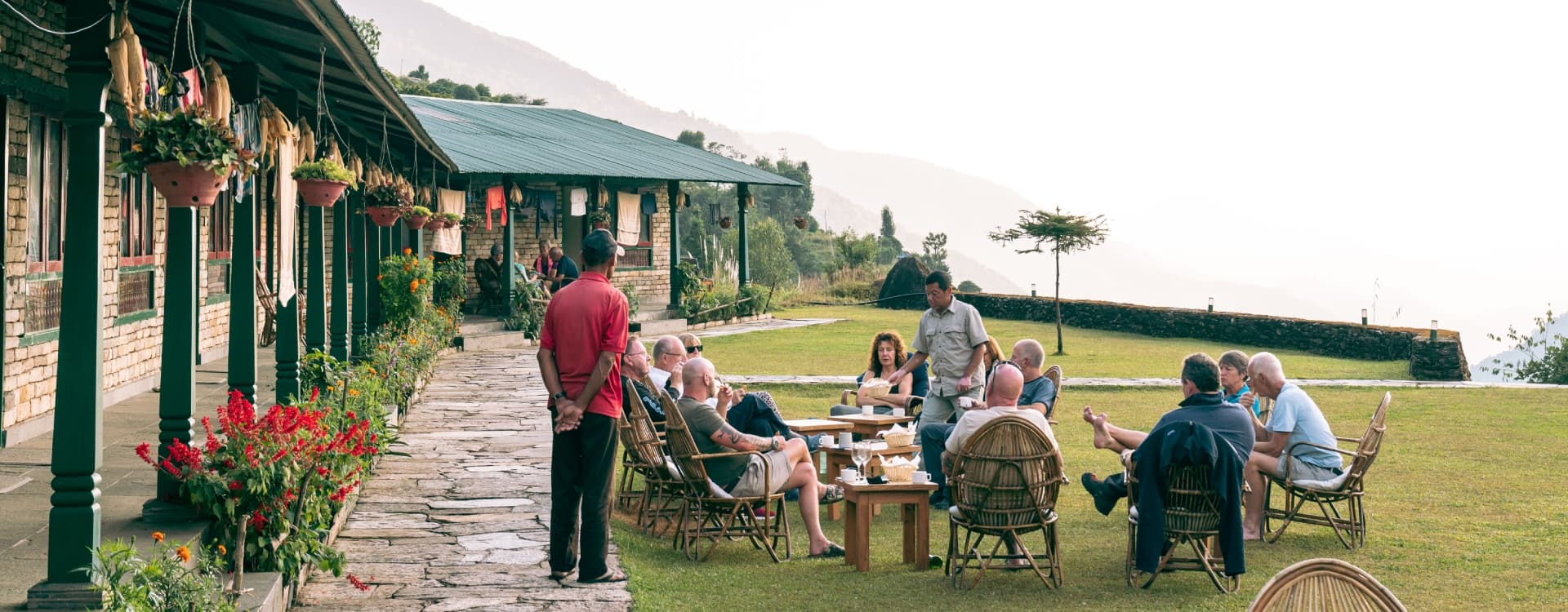
Overnight in a mountain lodge (good food, comfortable beds)
-
Views of Annapurna and Dhaulagiri from your room
Day 2: The Real Trek Begins
Walk from Ghandruk to Landruk (4 hours, downhill-ish, through villages)
You're walking through actual life: Kids going to school, farmers working fields, locals living their day
Lunch in a village teahouse (local food, simple, real)
Afternoon: Village exploration. No guide-led "cultural experiences." Just wandering.
The Moment That Matters
I took a family here where the 12-year-old daughter had social anxiety. She hated being around people. On Day 2, she got bored sitting in the lodge and walked to a local shop.
The shopkeeper's daughter was her age. They didn't share a language. But they sat together for an hour. Drawing. Sharing snacks.
The mother watched from a distance. By Day 3, the girls were hiking together.
Sometimes the breakthrough isn't scheduled. It's accidental.
Day 3–4: Choice
-
Steeper hike to Australian Camp (more challenging, bigger views)
-
Or: Gentle loops around villages (same experience, less effort)
-
Or: Rest day at the lodge (reading, sitting, integrating)
My framework: I design the itinerary, but I tell families upfront—we'll adjust based on how you're feeling, not the schedule.
Best For
-
Families with kids aged 10–16 (the hiking-friendly window)
-
Families wanting "real" experience without extreme challenge
-
Active families who like moving but also like resting
-
Teenagers who think mountains will be boring until they actually walk one
When to Go
October–November (clear skies, perfect weather, not crowded yet)
March–April (spring wildflowers, mild temperatures)
Avoid: June–August (monsoon, clouds, leeches), January (cold, hazy)
How Long?
4–5 days total (including drives). Less and you're rushing. More and more villages start to feel repetitive.
The Logistics
-
Flight to Pokhara, then a 2-hour drive to the foothills
-
Moderate altitude (no serious sickness risk if you're reasonably fit)
-
4–5 hours hiking per day (manageable for kids 10+)
-
Comfortable lodges (not luxury, but clean, warm, good food)
-
Porters can carry gear, so kids carry light loads
One Thing Most Guides Miss
They treat the Annapurna Foothills as a "lighter version" of the full Annapurna Circuit. It's not. It's a completely different experience.
The Circuit is about accomplishment. The Foothills are about presence. The Foothills are where families learn that hiking isn't about reaching a peak—it's about what happens while you're walking.
Ready to hike the Annapurna? Learn more →
DESTINATION 5: CHITWAN – When Kids Need to Disconnect (Really)
From mountain villages to the jungle. The shift is jarring. That's intentional.
The Destination
Chitwan National Park is 932 square kilometres of subtropical jungle in southern Nepal. Rhinos, tigers, wild elephants, and hundreds of bird species. The Rapti River runs through it. Tharu people (indigenous, jungle-wise, warm) live on the edges and work with lodges.
It's not a safari park. It's an actual wilderness that happens to be accessible.
Why Families Come Here
Because the jungle is genuinely more interesting than their phone. Because their kids need proof that real things are more compelling than digital things.
The Real Reason to Choose This
If your family's problem is Screen dependency, you need to break it immediately
Chitwan forces a reset because you literally cannot check email in a canoe. WiFi is non-existent. The animal you're watching is more interesting than any notification.
I've watched teenagers put phones down in Chitwan within 24 hours. Not because they were forced. Because rhinos matter more than Instagram.
What Actually Happens Here
Day 1: Arrival & Disorientation
You land in Chitwan and immediately feel the jungle around you.
Air is different. Sound is different. Silence is different.
First night: You might hear animal sounds. This is real. Kids remember this.
Day 2: The Safari Shift
-
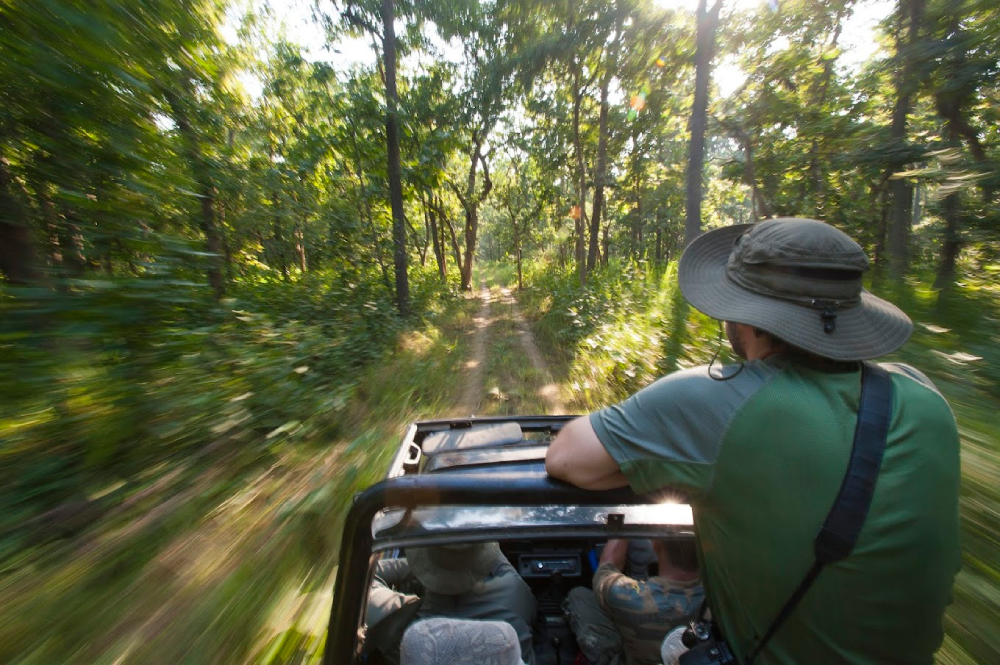
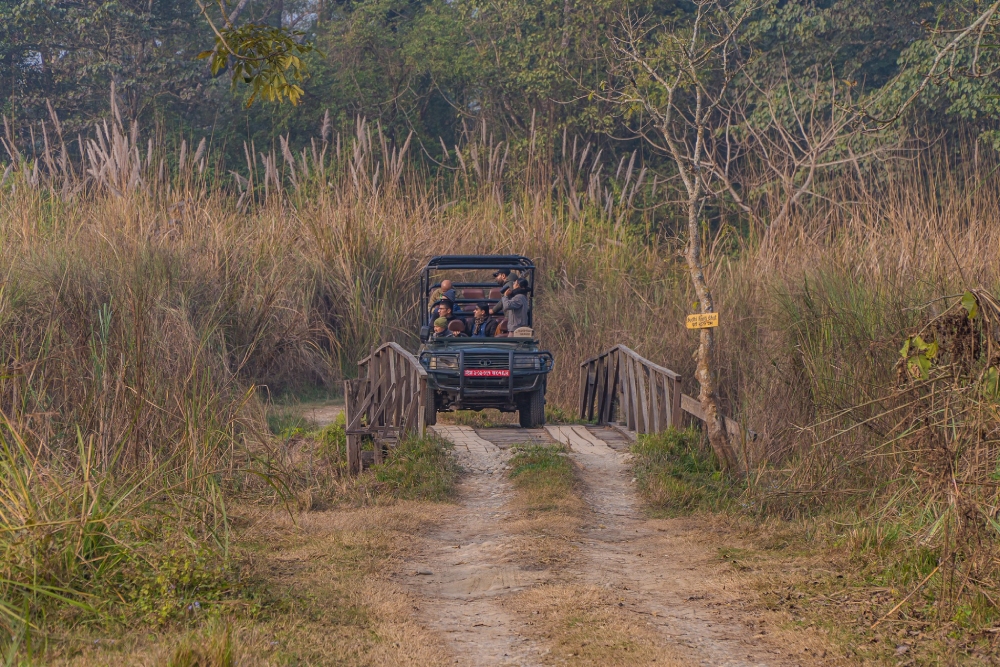
Early morning jeep safari (5:30 AM, you spot animals before tourists)
-
Your 11-year-old becomes a tracker, not a tourist. They're looking for rhino tracks. Bird calls. Signs.
-
Breakfast
-
Afternoon canoeing on Rapti River (you're paddling, not just riding)
-
Night walk (jungle sounds, no phones, actual fear—the healthy kind)
The Moment That Matters
I guided a family from Mumbai here. The kids had 7+ hours of screen time daily. Parents were guilty. Kids were dependent.
Day 2 morning: The 14-year-old spotted a one-horned rhino. First time. She literally shouted. Forgot her phone existed.
By Day 3: Screen time wasn't the issue. She was invested in the animals. She wanted to know more. She asked her guide real questions.
When they left, the guide sent photos. The girl posted one Instagram story. Not as documentation. As genuine excitement to share something real.
Day 3: Tharu Culture Integration
-
Cooking with a Tharu family (you're not observing; you're participating)
-
Elephant interaction (feeding, observation—NOT riding; we protect animals)
-
Village walk with a local guide
-
Tharu cultural dance and meal together
Day 4: Stillness & Reflection
-
Optional: Another safari
-
More likely: Sitting by the river, processing what you've seen
-
Kids start talking about what they observed (without being prompted)
Best For
-
Families with high screen-time concerns (8+ hours/day)
-
Kids aged 9–16 (old enough for multi-hour safaris, young enough to be amazed)
-
Families that need a dramatic shift (not incremental)
-
Adventurous kids who think nature is boring (until they see actual danger)
When to Go
October–November (cool, dry, animals more visible, comfortable hiking)
February–March (spring, birds active, warm days)
Avoid: June–September (monsoon, leeches, oppressive humidity), April–May (too hot)
How Long?
3–4 days. Less and you're just arriving. More and the novelty wears off.
The Logistics
-
Flight from Kathmandu to Chitwan (1 hour) or a 6-hour scenic drive
-
No altitude
-
Jeep safaris + canoeing + walking (moderate activity)
-
Riverside lodges (tasty, good food, community feel)
-
Tharu guides who actually know the jungle (not just guides who work in it)
One Thing Most Guides Miss
They treat Chitwan as a "wildlife viewing experience." I treat it as a dependency reset button.
The real value isn't the animals you see. It's that your family discovers something more compelling than screens.
When you come home, that shift doesn't disappear. Your kids remember that real > digital.
Break the screen cycle? Let's read more Chitwan Safaries →
DESTINATION 6: MOUNT EVEREST REGION – When You Want "Real" Himalayan Experience
Some families stop here. Some families push higher. The mountains decide.
The Destination
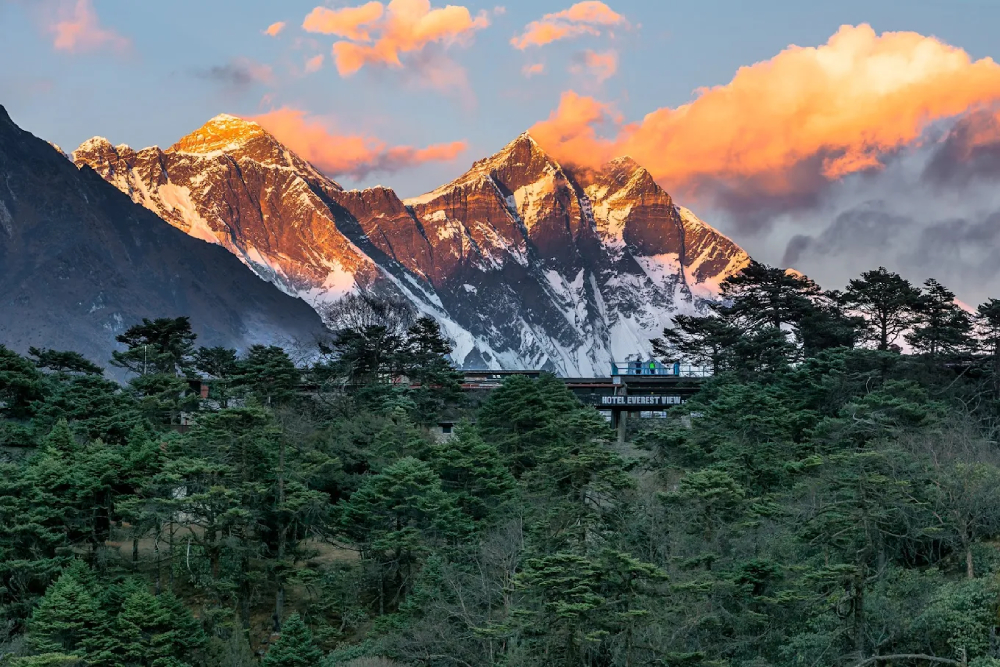
The Everest Region starts at Lukla (2,600m) and goes up to Everest Base Camp (5,364m) if you're committed. But for families, the magic happens between 2,600m and 3,880m: Namche Bazaar, Khumjung, Tengboche, and the Sherpa villages.
This is where Sherpa culture is lived, not performed. Where the mountains are genuinely sacred, not Instagram-sacred. Where altitude is real but manageable.
Why Families Come Here
Because Everest is THE iconic mountain. Because their kids want to say, "I hiked in the shadow of Mount Everest." Because the Sherpa culture is unlike anywhere else on Earth.
The Real Reason to Choose This
If your family's problem is: Existential pressure + need for perspective
The Everest Region works because the mountains are so big that your problems feel appropriately small. Because Sherpa wisdom about life, death, and community teaches something school doesn't.
I've watched corporate executives break down in Tengboche (a Buddhist monastery at 3,880m). Not from exhaustion. From the weight of really seeing mountains.
What Actually Happens Here
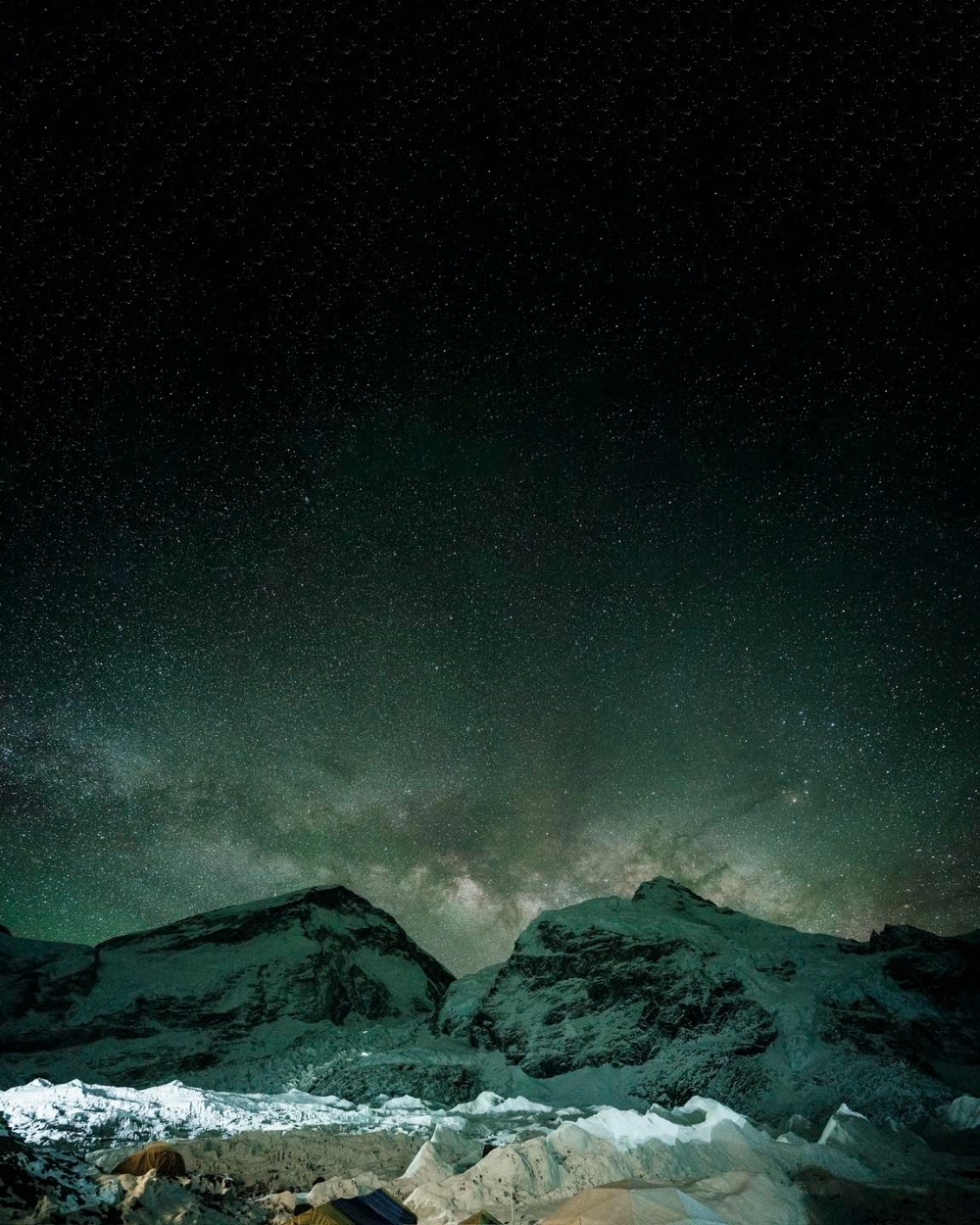
Day 1–2: Acclimatisation in Kathmandu + Drive to Lukla
-
Rest day in Kathmandu
-
Flight to Lukla (short, scenic, sometimes turbulent—this is real)
-
Settle in at Lukla (2,600m)
Day 3: Lukla to Namche Bazaar
5–6 hour hike (moderate, uphill-ish, through villages)
You're ascending gradually—not shocking your body
Namche is the main Sherpa town: Markets, monasteries, lodges, restaurants
Overnight: You can see Everest from here (if the weather cooperates)
Day 4: Acclimatisation Day in Namche
No hiking to altitude
Option 1: Explore Namche (town, museums, monasteries)
Option 2: Hike to Everest View Hotel (higher for acclimatisation, return for sleep)
Kids see how altitude actually affects them (shortness of breath, slightly harder walking)
The Moment That Matters
I brought a family here where the parents were burned-out executives. They came thinking they'd hike and feel better.
On Day 4, sitting in a Namche teahouse at 3,440m, watching Everest emerge from clouds, the father said to his wife: "I can't fix this at work." Meaning: The scale of the mountains made his office problems feel appropriately small.
By Day 5, they were talking about what they wanted to actually change at home. Not fixing problems with a vacation. Actually designing their life differently.
Sometimes Everest isn't about the mountain. It's about perspective.
Day 5–7: Choice (Based on Family Fitness)
For families wanting a challenge:
-
Trek to Tengboche (3,880m) and stay at the monastery
-
See sunrise over Everest
-
Understand Sherpa Buddhism through actual living (not tourism)
For families wanting comfort:
-
Stay in Namche
-
Gentle village hikes
-
Explore culture without high altitude
For families wanting a combination:
-
Helicopter tour from Kathmandu to Everest Base Camp, land at Hotel Everest View (3,880m), breakfast, return
-
Get Everest without the trek
Best For
-
Teenagers aged 13+ who can handle 4–5 hour hikes
-
Families wanting authentic Himalayan culture (not commercialised)
-
Kids fascinated by mountains, Sherpa culture, Buddhism
-
Families that can handle some altitude (but not extreme altitude)
When to Go
October–November (clearest skies, best weather, crowded but worth it)
March–April (spring, fewer trekkers, still clear)
Avoid: June–August (monsoon, clouds, muddy), January (cold, hazy)
How Long?
7–10 days total (including Kathmandu acclimatisation). Less and you're rushing. More and you can go higher (but families usually hit their limit around 3,880m).
The Logistics
-
Flight from Kathmandu to Lukla (thrilling, sometimes cancelled due to weather)
-
Or: Helicopter from Kathmandu (more expensive, no weather delays, faster)
-
Altitude: 2,600m–3,880m (manageable for most, mild sickness possible but handled)
-
5–6 hour hiking days (manageable for fit teenagers)
-
Teahouse lodges (basic but warm, good food, community feel)
-
Sherpa guides who actually grew up here (not just trained to guide)
One Thing Most Guides Miss
They sell Everest as "adventure" or "accomplishment." I sell it as perspective.
The real Everest experience isn't reaching Base Camp. It's sitting in a monastery at 3,880m, watching prayer flags blow in the wind, understanding that Sherpa people have lived this relationship with mountains for centuries while you've been at your desk.
Ready for the Everest perspective? Let's design your trek →
DESTINATION 7: MUSTANG – When You Need a Complete Reset
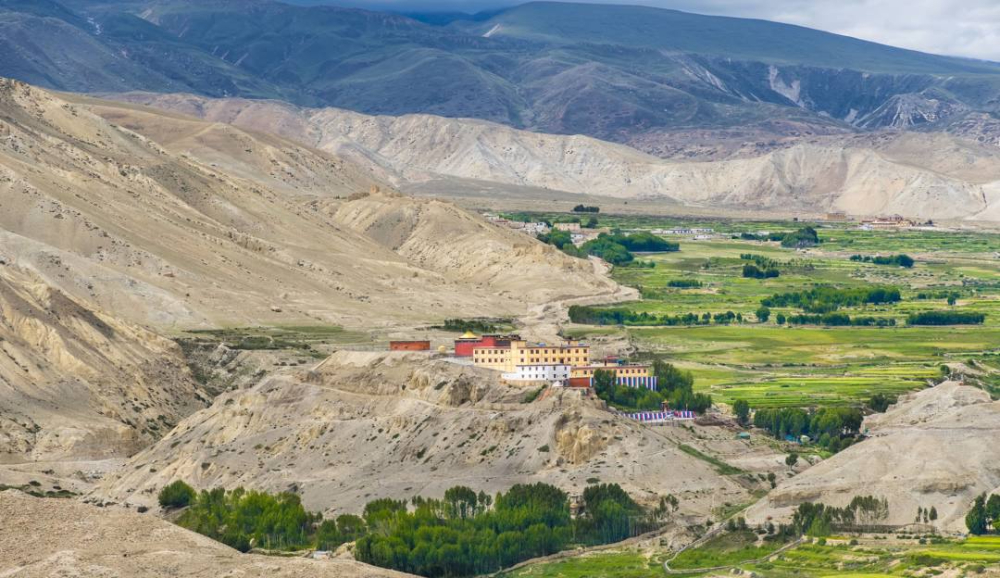
If you've made it this far, you're ready for something few families ever experience.
The Destination
Mustang is Nepal's most remote region. It feels like another planet. Desert landscape. Tibetan culture. Minimal Western influence. The air is clear. The sky is huge. The pace is truly slow (not Instagrammed slow, but actually slow).
You can reach Upper Mustang by jeep (easier) or trek (more immersive). Either way, you're in a place where time works differently.
Why Families Come Here
Because it's genuinely different. Because Instagram hasn't ruined it yet. Because the scale of the landscape matches the scale of what they need to process.
The Real Reason to Choose This
If your family's problem is: Deep disconnection + need for profound reset
Mustang works because there's nowhere to go in your head. No WiFi to escape into. No notifications to answer. No entertainment competing with presence.
The landscape is so vast and strange that your family becomes your only reference point.
I've watched families come to Mustang broken and leave differently—not "fixed," but aware of what matters.
What Actually Happens Here
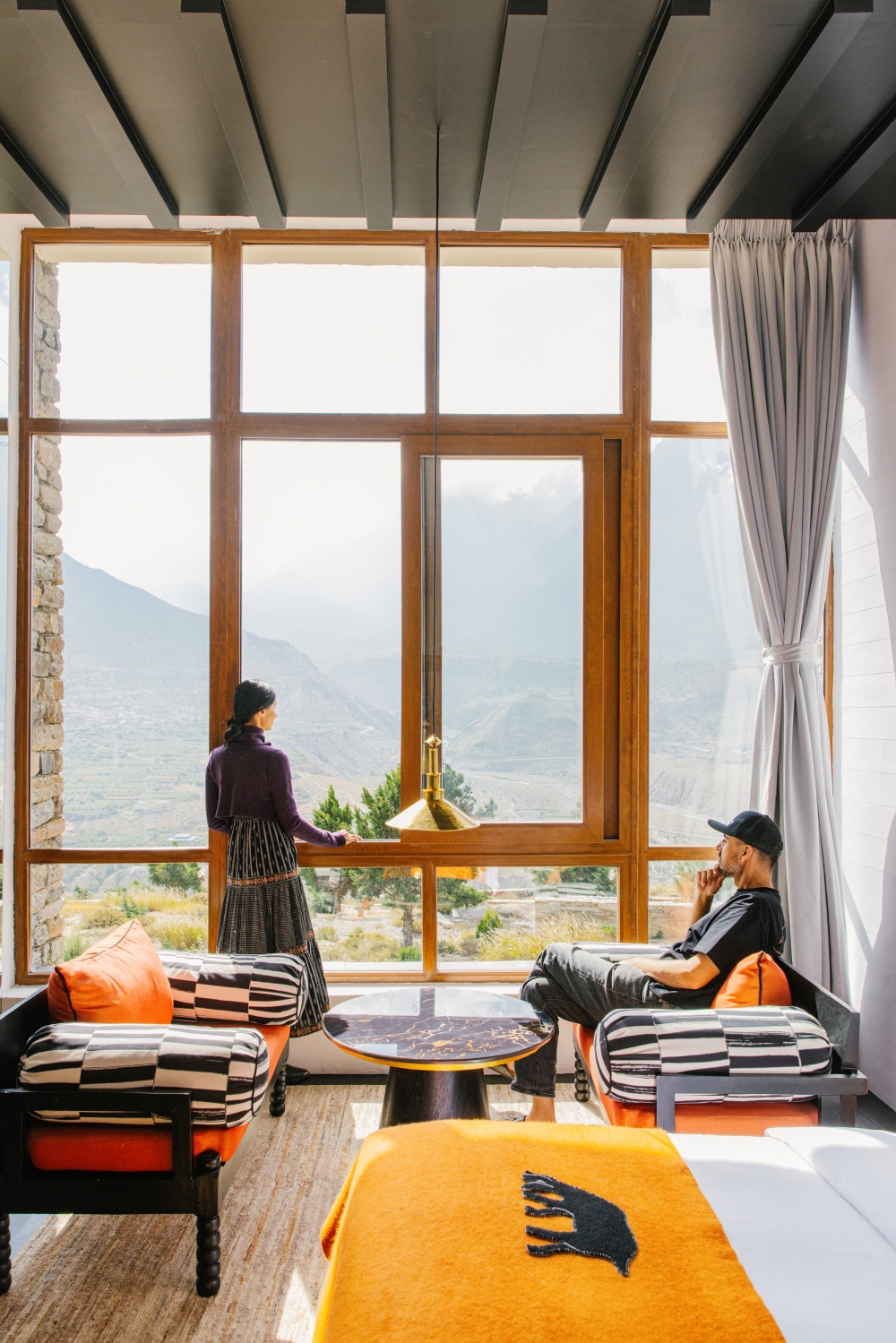
Pre-Trip
-
Mustang requires permits and restrictions (protective, intentional)
-
Solo travellers now allowed (as of January 2026) with licensed guide + $50/day RAP
-
Limited tourist numbers (this is by design)
Day 1–2: Drive to Mustang (via Jomsom or Pokhara)
-
Long drive (6–8 hours) through increasingly remote landscape
-
With each kilometre, you're leaving "normal Nepal" behind
-
Overnight in Marpha or Jomsom (Thakali villages, apple orchards, quiet)
Day 3: Apple Picking & Acclimatisation
-
If the season is right, pick apples with local families
-
Kids understand that food comes from somewhere
-
Hike to local villages (1–2 hours, flat)
-
Altitude is manageable (2,700–3,000m)
Day 4: Enter Upper Mustang
-
Landscape becomes Mars-like: Red cliffs, desert, open sky
-
4–5 hour jeep ride through the most alien landscape you've ever seen
-
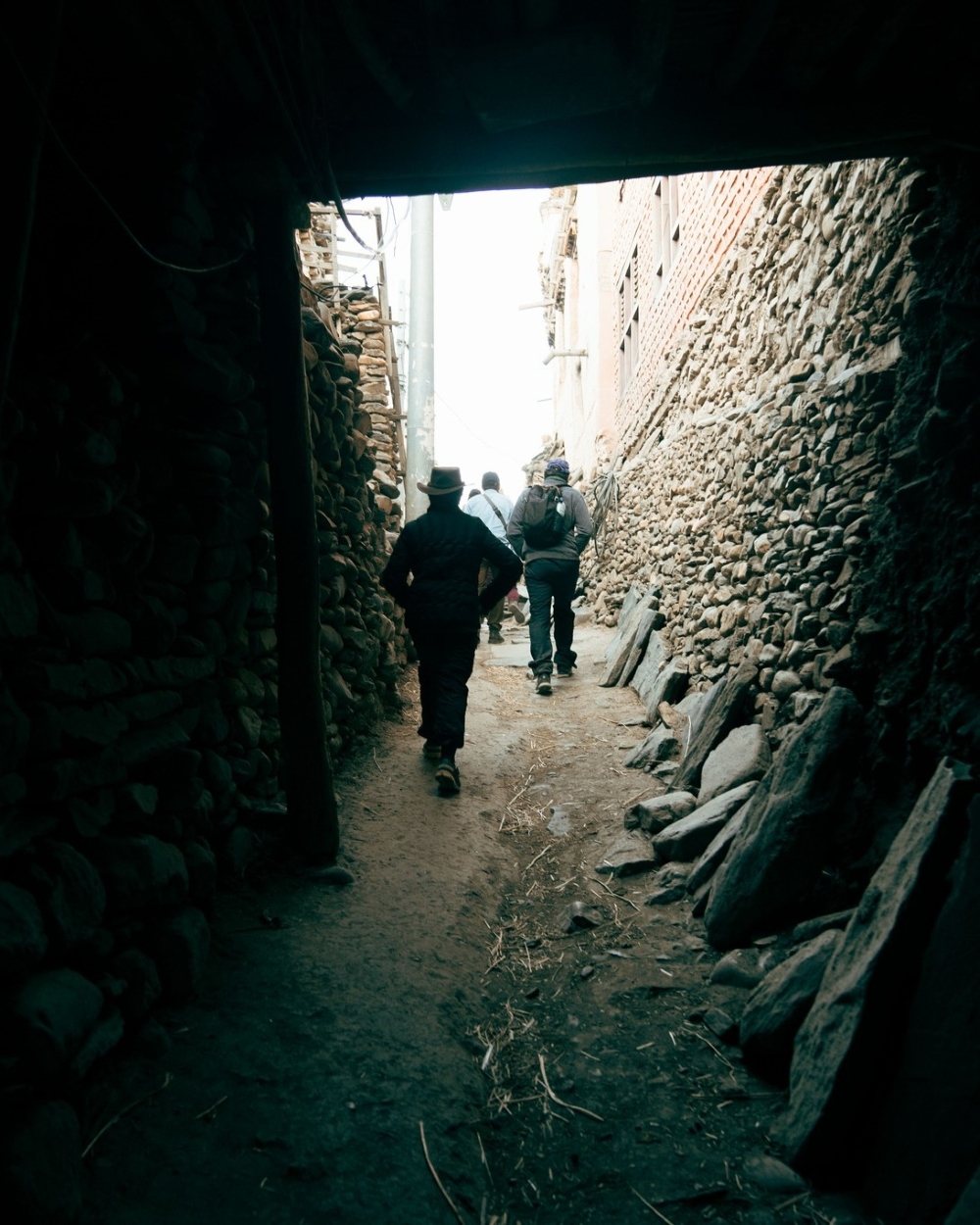
Overnight in Lo Manthang (the capital—a walled city that feels medieval)
The Moment That Matters
I took a family here where the 16-year-old was depressed. Not clinical—just empty. No passion. No engagement. His parents were worried.
On Day 4, driving through Mustang, watching the landscape get bigger and weirder, he literally stopped existing in his head for the first time in months.
He asked his guide: "How do people live here?" Genuine question. Not performance.
By the end, he didn't have answers. But he had questions that mattered.
Day 5–6: Upper Mustang Exploration
-
Visit cave monasteries (1,500+ year old Buddhist caves)
-
Explore Lo Manthang (walk the medieval streets)
-
Sit with local monks (real conversations, not tourism)
-
Ride horses through the desert (if season/fitness allows)
-
Watch the sunset over the Tibetan plateau
Day 7: The Quiet Day
Most trekkers are rushing. I built in a "nothing day."
No activities. Just presence in this landscape.
This is where integration happens.
Best For
-
Teenagers aged 13+ who can handle altitude + long days
-
Families needing a profound reset (not incremental)
-
Kids fascinated by Buddhism, Tibetan culture, and remote places
-
Parents who can embrace discomfort as growth
-
Families ready to be challenged by vastness
When to Go
September–October (clear, dry, ideal weather)
April–May (spring, before too hot)
Avoid: November–March (snow, roads blocked, extreme cold), June–August (monsoon)
How Long?
8–10 days total. Less, and you're not experiencing the real reset. More and you're probably done.
The Logistics
-
Flight from Kathmandu to Jomsom (or scenic drive)
-
Altitude: 2,700m–3,800m (manageable but real)
-
Jeep + walking combination (no extreme hiking)
-
Important: Solo travellers now allowed with licensed guide + $50/day RAP (changed January 2026)
-
Thakali + Tibetan guides (mountain wisdom + cultural knowledge)
-
Basic lodges (clean, warm, good food, community kitchens)
One Thing Most Guides Miss
Mustang isn't a destination. It's a perspective shift.
The real value isn't the monasteries or Lo Manthang. It's standing in a landscape so vast that your anxiety becomes proportionally small.
When you come home, you remember: That's what scale feels like.
Let's explore more deeply in Mustang.
HOW TO CHOOSE THE RIGHT DESTINATION FOR YOUR FAMILY
You've read all seven places.
Now the real question: Which one is actually right for you?
Here's the decision matrix I use:
Choose KATHMANDU if:
-
Multigenerational (grandparents + kids + parents)
-
Low altitude is non-negotiable
-
You need culture without challenge
-
First trip to Nepal
Choose DHULIKHEL & PANAUTI if:
-
You need rest disguised as travel
-
Digital reset is essential
-
Screen time is the #1 problem
-
You want "between Kathmandu and the mountains"
Choose POKHARA if:
-
You need genuine rest without guilt
-
Your family is exhausted (not just busy)
-
Kids are young (8–12)
-
Connection matters more than challenge
Choose ANNAPURNA FOOTHILLS if:
-
You want hiking without hardcore
-
Kids are active and love moving
-
You want village culture + mountain views
-
Ages 10–16 are your sweet spot
Choose CHITWAN if:
-
Screen dependency is your #1 enemy
-
You need a dramatic, immediate reset
-
Kids are 9–16 and actually adventurous
-
"Real experience" matters more than comfort
Choose MOUNT EVEREST if:
-
You want an iconic Himalayan experience
-
Sherpa culture fascinates you
-
Teenagers can handle 4–5-hour hikes
-
Perspective shift is what you need
Choose MUSTANG if:
-
You're ready for a profound reset
-
Landscape as metaphor matters to you
-
Your family is open to genuinely uncomfortable
-
Deep disconnection needs deep medicine
Read more about a family holiday in Nepal.
THE REAL DECISION
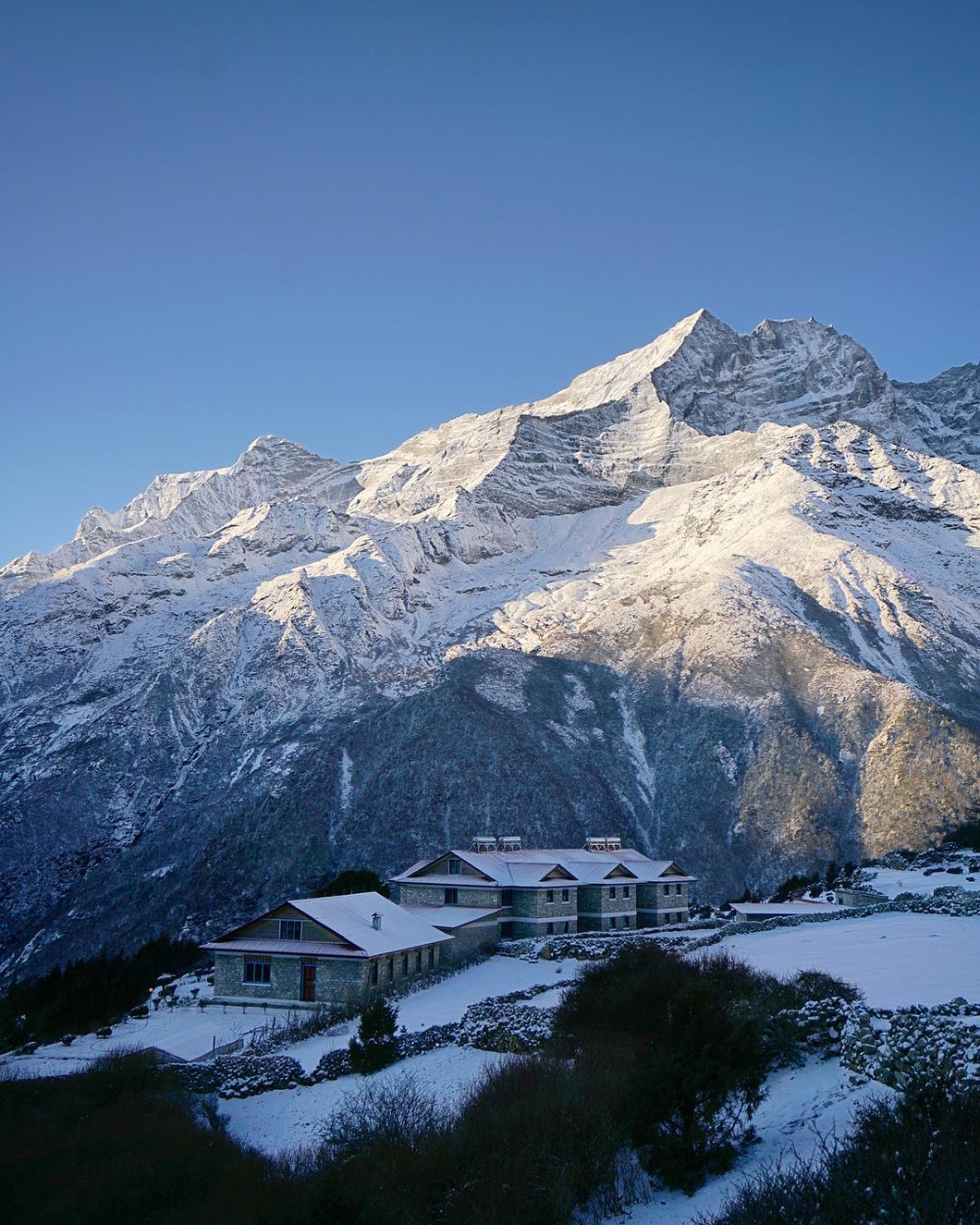
If you're honest with yourself, one of these destinations just landed.
That's the one.
Not because it has the best views or the best lodges. But because it solves the actual problem you came for.
The rest is logistics.
QUICK QUESTIONS ANSWERED
How far in advance should we book?
6–8 weeks. Gives me time for pre-trip family interviews and custom design based on what your kids actually want, not templates.
What's the best season?
October–November (clearest Everest views, festivals happening). March–April works too. Avoid June–August.
How long should the trip be?
10–14 days. Less and you're fixing jet lag on the plane home.
Will kids get altitude sickness?
Not if we pace right. I've guided 1,000+ families—it's preventable. Medical protocol is written out before you leave.
Minimum age for trekking?
Depends on the destination.
-
Kathmandu/Pokhara: Any age
-
Annapurna Foothills: 10+
-
Everest/Mustang: 13+
Can we change the itinerary mid-trip?
Yes. I design flexibility in. If your family needs more rest or wants to push harder, we adjust on the fly.
What about WiFi and screens?
Kathmandu/Pokhara have it. Mountains don't. If you're coming to break screen dependency, we go remote. If you need connection, we stay in towns.
Will this actually fix family disconnection?
No. But it removes distractions (work, screens, routine) for 10–14 days. What happens in that space is up to you. I'm the catalyst. You do the work.
Why $12k–$25k?
Most operators charge $3k–$5k for lodges + guide. I charge this because I'm designing for your family's psychology, not just routing a trek. Pre-interviews, custom itinerary, guide briefing, and post-trip integration.
What's actually included?
Nepal flights, lodging, meals, guides, permits.
Not: international flights, travel insurance.
How do we start?
Free 45-minute call with me. You tell me what's broken. I ask the real questions. We map your family to the right destination. No upsell.
WHAT HAPPENS NEXT
You've read this guide. You know the destinations. You might even know which one resonates.
But here's what I've learned from 20 years of operations: Knowing the destination and choosing it for the right reason are different things.
Most families choose based on:
-
"It looks beautiful" (wrong reason)
-
"It's famous" (wrong reason)
-
"My friend went there" (wrong reason)
The right reason is: "This destination solves what's actually broken at home."
So before you book anything, let's talk.
Contact us.