In 1974, a Himalayan kingdom made a decision that most countries would consider economic suicide.
Bhutan closed its borders to tourism.
Not forever. But for two decades, the country allowed fewer than 1,000 foreign visitors per year. When it finally opened tourism more broadly in the 1990s, it didn't do what every neighbouring country did: maximise visitor numbers and profit margins.
Instead, it invented a system. A daily mandatory fee. A policy requiring licensed guides. A cap on visitor numbers. A law mandating that traditional architecture be preserved and modern development be limited.
What Bhutan did was choose culture over commerce.
Today, that choice defines every authentic luxury Bhutan tour worth taking.
The Tourism Trap: What Happened to Nepal, Thailand, and Everywhere Else
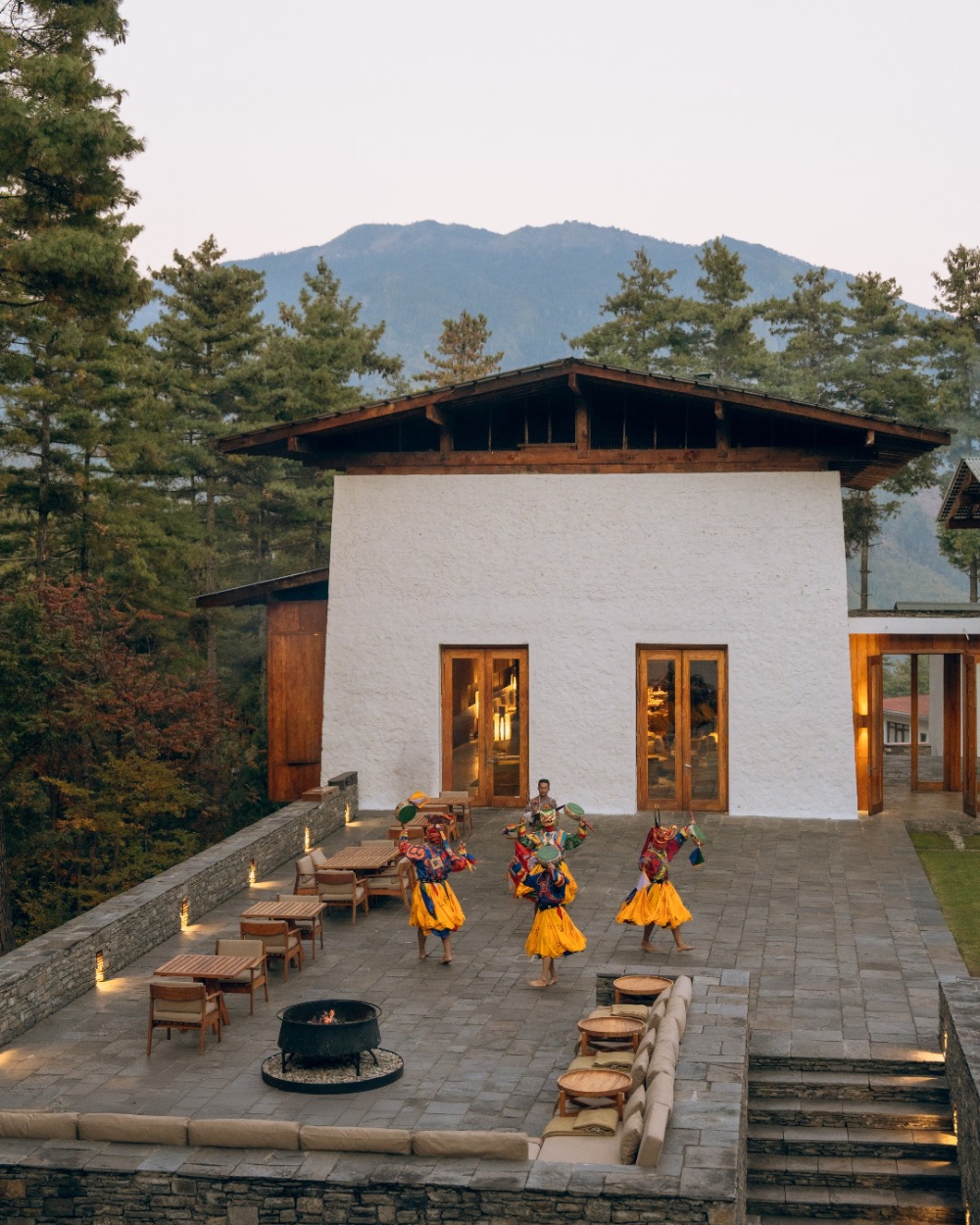
If you've been to Kathmandu in the last decade, you've seen it. The once-charming alleyways of Thamel are now tourist-clogged bazaars where every shop sells the same knock-off prayer flags and every restaurant serves "fusion" momos to appease foreign palates. Local families have moved to the outskirts. Authentic culture is performed for cameras. Sacred sites are selfie backdrops.
The same happened in Thailand, Vietnam, Bali, and Morocco. The story is identical:
- Tourism starts small and authentic
- Operators discover they can make money
- Numbers increase exponentially
- Competition drives down prices
- Quality drops, culture degrades
- By the time anyone notices, it's too late
The math is straightforward: If tourism is your primary revenue source, you maximise numbers. If you maximise numbers, culture becomes a commodity. If culture becomes a commodity, it stops being authentic. And the moment it stops being authentic, the thing that attracted tourists in the first place vanishes.
It's called the tourism paradox.
Bhutan looked at this across its borders and asked a simple question: What if we didn't play this game?
How Bhutan Chose Intentional Tourism Over Mass Tourism
Bhutan's approach isn't complicated. It's just unusual.
The core principle: Tourism should serve the country, not the other way around.
This manifests in four policies:
1. The Sustainable Development Fee ($100/day, every visitor)
Every person who enters Bhutan pays $100 per day. Period. Non-negotiable. This fee does not make the country's fund rich. Rather, it serves free education, free healthcare, and conservation & development of the ecosystem and culture.
The key point: every visitor pays the same amount. A backpacker and a billionaire both pay $100 /day. This isn't about tiered pricing. It's about ensuring that tourism funds development equitably and that only travellers genuinely committed to the experience come.
Why this matters: A low-cost tourism model attracts high volume. High volume degrades culture. The $100 fee is a filter. It says: This isn't a budget destination. It's a destination for people who understand the value of what they're seeing and will respect it accordingly.
2. The Licensed Guide Requirement
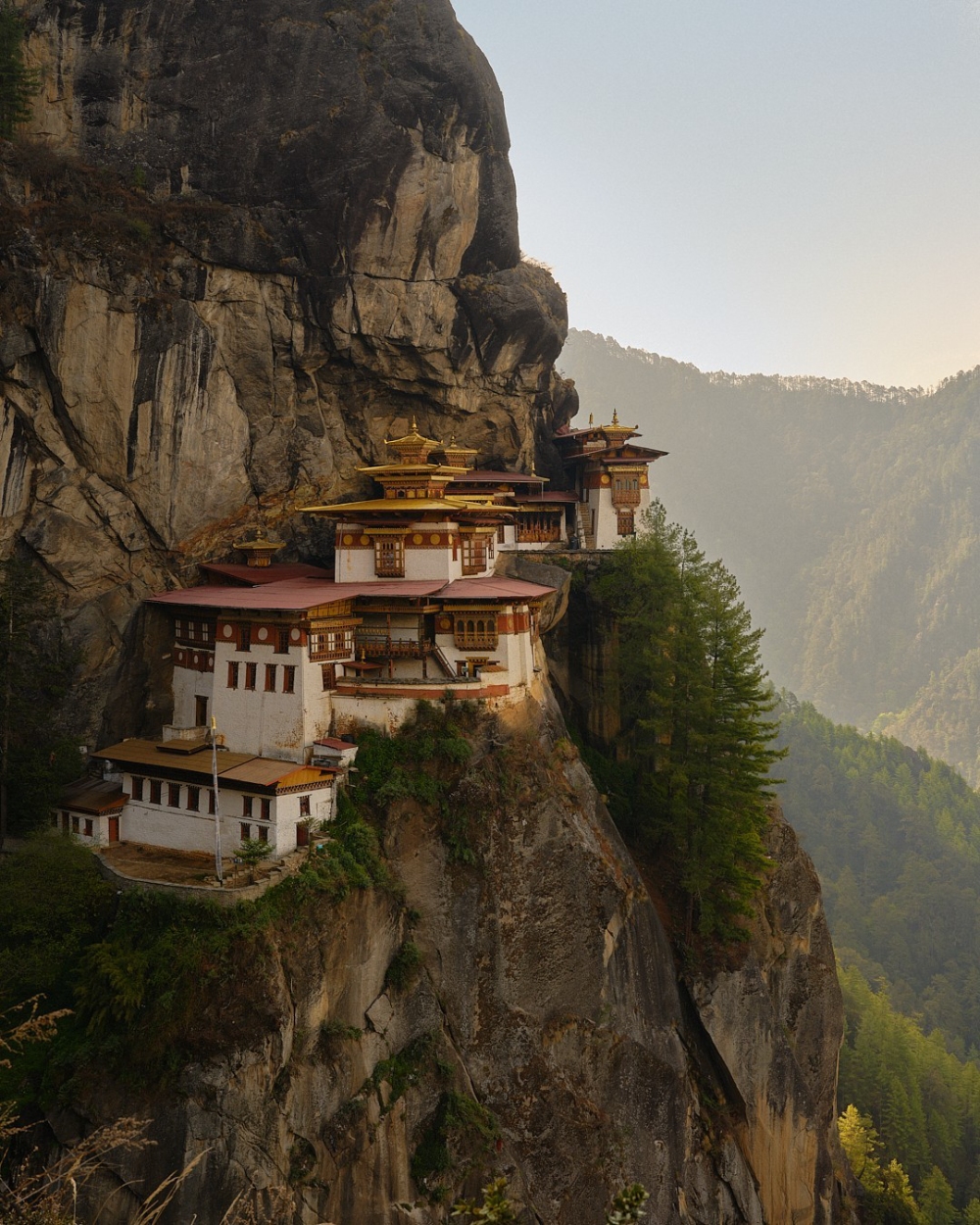
All tourists must travel with licensed guides. Full stop. No independent tours. No solo exploration. No hiring unlicensed "guides" for cheaper rates.
This looks restrictive from the outside. It's actually protective:
- Guides control the narrative. You don't wander into sacred sites or interrupt monks.
- Guides ensure authenticity. They know families, monasteries, and villages personally. They're not reading from scripts.
- Guides earn fair wages. The tourism mandate ensures your guide makes at least $30-40/day (vs $8-12 in neighbouring countries).
- Guides work with dignity. They're not competing in a race-to-the-bottom pricing market.
This is how Bhutan ensures that tourism dollars reach local people, not just hotel corporations.
3. A Cap on Visitor Numbers
Bhutan limits annual tourist arrivals. The exact number fluctuates, but the principle doesn't: fewer visitors = deeper experiences + cultural protection.
In 2023, Bhutan received ~315,000 tourists (a post-COVID recovery year). Nepal, with similar geography and culture, received 1+ million. The difference in cultural degradation is stark.
Fewer visitors means:
- You don't stand in queues at sacred sites
- Guides can spend time with families and monks, not rush between checkpoints
- Villages aren't overrun with foreigners daily
- Landscapes remain pristine, not trampled
4. Preservation Laws
Architecture must follow traditional designs. Hotels can't be cookie-cutter concrete. Development is regulated. Forests are protected. Sacred sites are protected.
These laws sound simple. They're revolutionary in a world where "development" usually means "Western-style buildings and roads."
THE FINANCIAL BREAKDOWN: WHERE YOUR $100/DAY ACTUALLY GOES
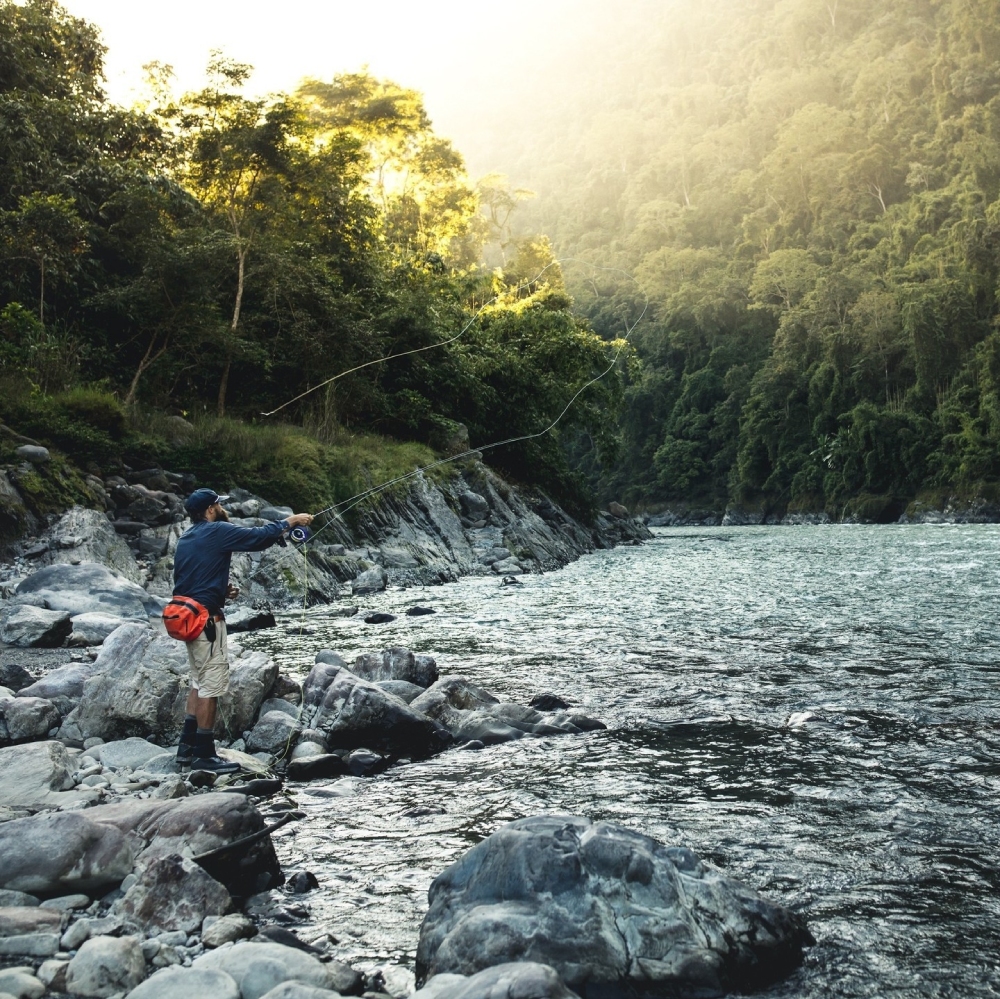
The Financial Breakdown: Where Your $100/Day SDF Actually Goes
When potential clients see a Bhutan luxury tour price, the first objection is often about the daily fee. We understand. But here's what most travellers don't realise: the $100 Sustainable Development Fee (SDF) isn't paying for your lodge, your meals, or your guide's wages. It's something entirely different.
The SDF funds Bhutan's public services. Full stop.
Here's what the $100/day SDF actually covers:
What the SDF Funds:
- Free education for all Bhutanese citizens
- Free healthcare for all Bhutanese citizens
- Infrastructure development in rural villages
- Conservation and environmental protection
- Government administration and services
This is the critical distinction. Your lodge isn't subsidised by the SDF. Your meals aren't subsidised by the SDF. Your guide's wages aren't subsidised by the SDF.
The SDF is a direct contribution to Bhutanese public welfare. It's saying: By visiting Bhutan, you're funding the infrastructure that keeps this country functioning—the schools that educate children in remote valleys, the clinics that provide free healthcare to families who'd otherwise have no access to medicine, the roads that connect isolated communities.
Why this matters: When you book a Bhutan sustainable tourism package with us, you know exactly where that $100/day goes. It doesn't go to tour operators or hotel corporations. It goes directly to the Bhutanese government to fund the services that make Bhutan different from every other country.
Compare this to a $2,000/day all-inclusive luxury tour in Thailand, where most money flows to international hotel chains and travel companies in Bangkok. In Bhutan, your money funds the public good—literally the foundation of why Bhutanese people can focus on Gross National Happiness instead of economic desperation.
That's the system. That's the difference.
Gross National Happiness: Why Bhutan Measures Success Differently
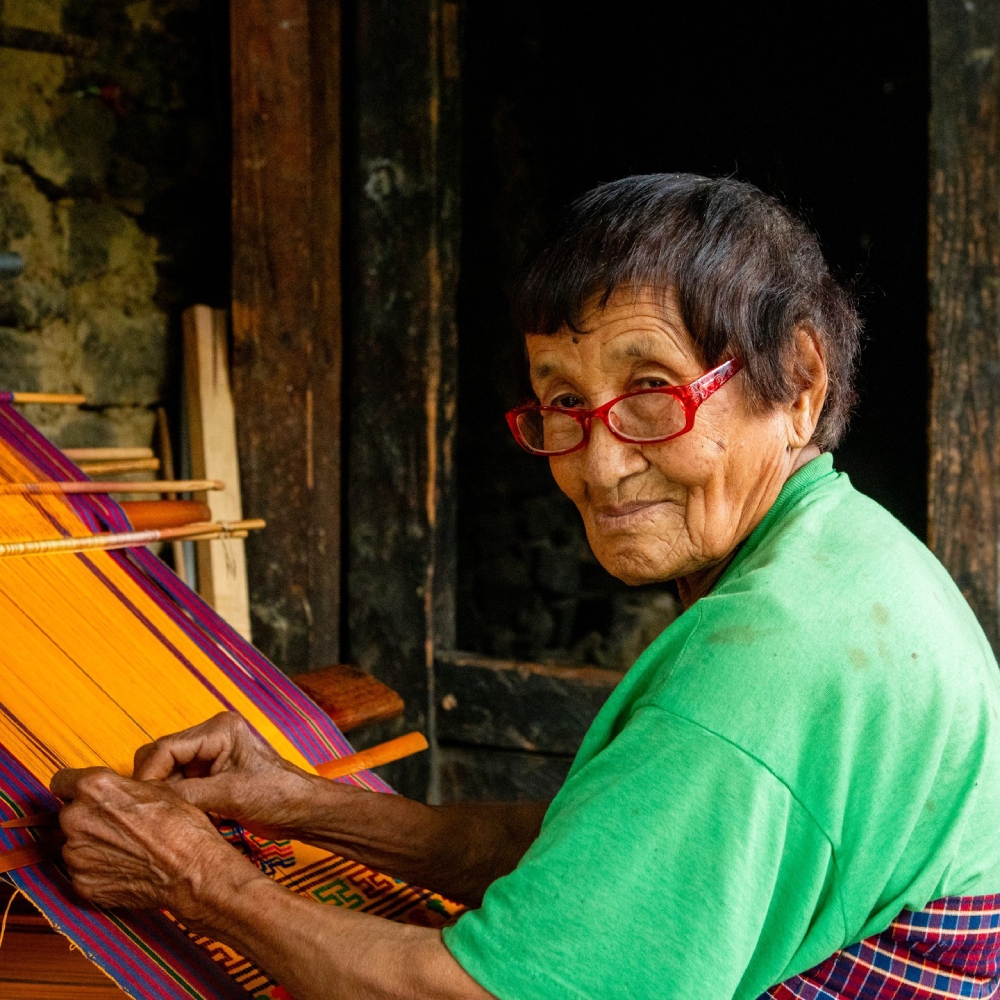
Most countries measure progress with GDP—Gross Domestic Product. The more stuff produced and consumed, the more "growth." It's a simple metric. It's also hollow.
In 1972, Bhutan's fourth king introduced a radical alternative: GNH (Gross National Happiness).
The philosophy: A country's success should be measured by the well-being of its people, not the volume of its economic output.
GNH includes:
-
Psychological well-being: Are people content with their lives?
-
Health: Do people have access to healthcare?
-
Education: Are people educated?
-
Cultural preservation: Are traditions and languages alive?
-
Governance: Do people trust their government?
-
Environmental conservation: Is the landscape protected?
-
Community vitality: Do people have strong social bonds?
-
Equitable distribution: Is growth shared, not concentrated?
Tourism policy flows from the GNH philosophy. The $100 fee, the guide mandate, the visitor cap—these aren't arbitrary restrictions. There are mechanisms to ensure tourism enhances wellbeing without degrading it.
When tourists ask, "Why is Bhutan so expensive compared to Thailand?" the answer is: Because Bhutan is measuring success differently.
Thailand maximises tourist numbers and revenue. Bhutan optimises for cultural and environmental preservation. Both are valid strategies. They're just different goals.
What the SDF Actually Funds: Beyond Theory to Real Impact
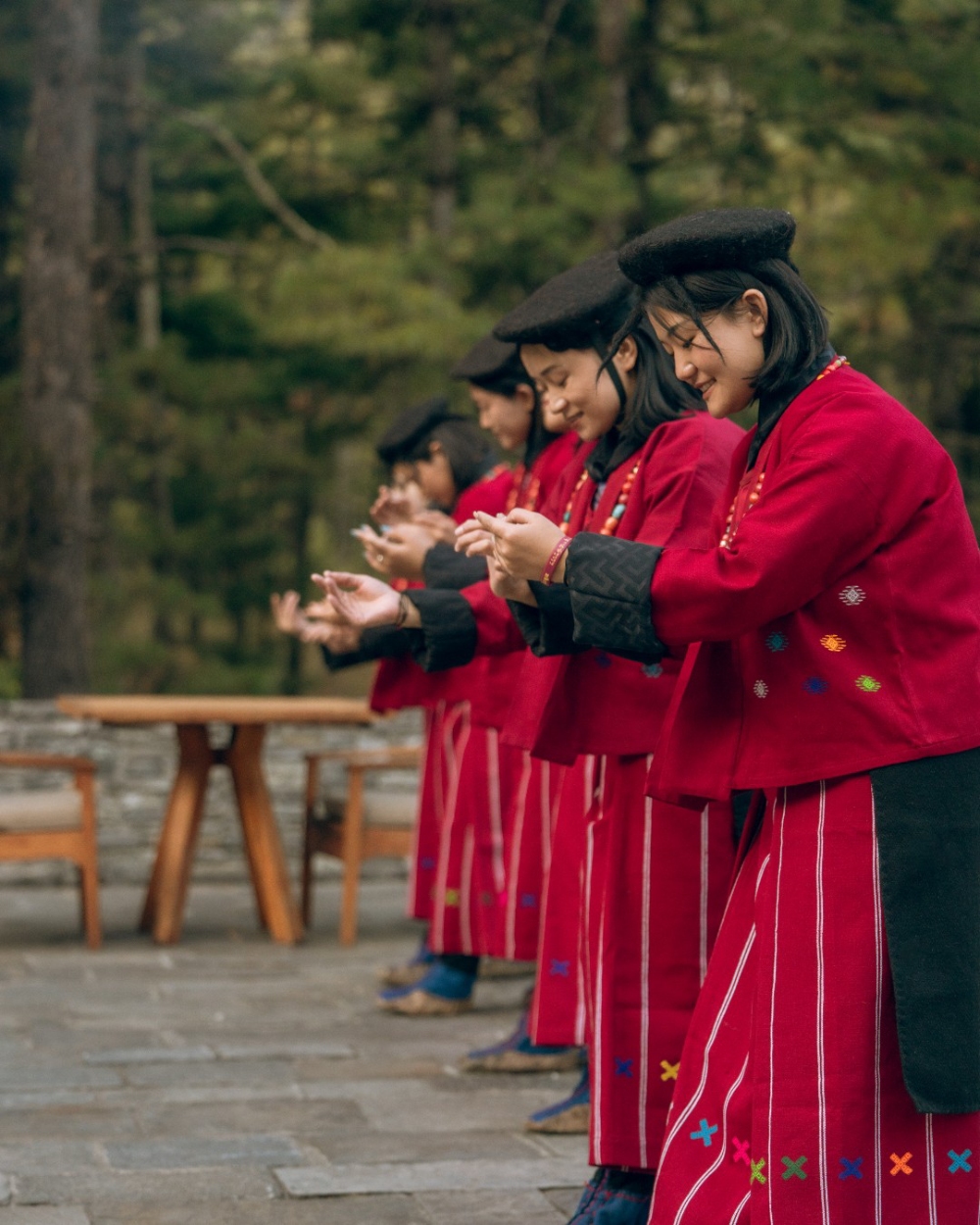
The $100/day sounds abstract. Let's make it concrete.
Over 12 months, if Bhutan receives 315,000 tourists, and most stay 5-6 days on average, that's approximately 1.8 million visitor-days.
At $100/day, that's $450 million annually flowing into Bhutan's government for conservation and development.
Those money funds:
Schools in rural valleys – Teachers' salaries, textbooks, and electricity in villages that would otherwise lack educational infrastructure.
Healthcare clinics – Medical staff, vaccines, and equipment in regions where the nearest hospital is a 2-day walk away.
Road infrastructure – Maintenance of mountain roads that connect isolated villages to broader Bhutan.
Conservation projects – Forest protection, wildlife management, sacred site preservation.
Agricultural support – Programs helping farmers maintain traditional farming practices that protect both landscape and cultural continuity.
Hydroelectric power – Clean energy for the country (Bhutan is carbon-negative; it absorbs more carbon than it produces).
This isn't theoretical. This is where money flows when you pay the SDF.
By contrast, when you book a cheap tour in Nepal where guides earn $8/day and hotels pocket most of the margin, that money rarely reaches rural communities. It concentrates on city tourism infrastructure.
The SDF ensures equitable distribution.
The Guide Ecosystem: How the Mandate Creates Fair Wages
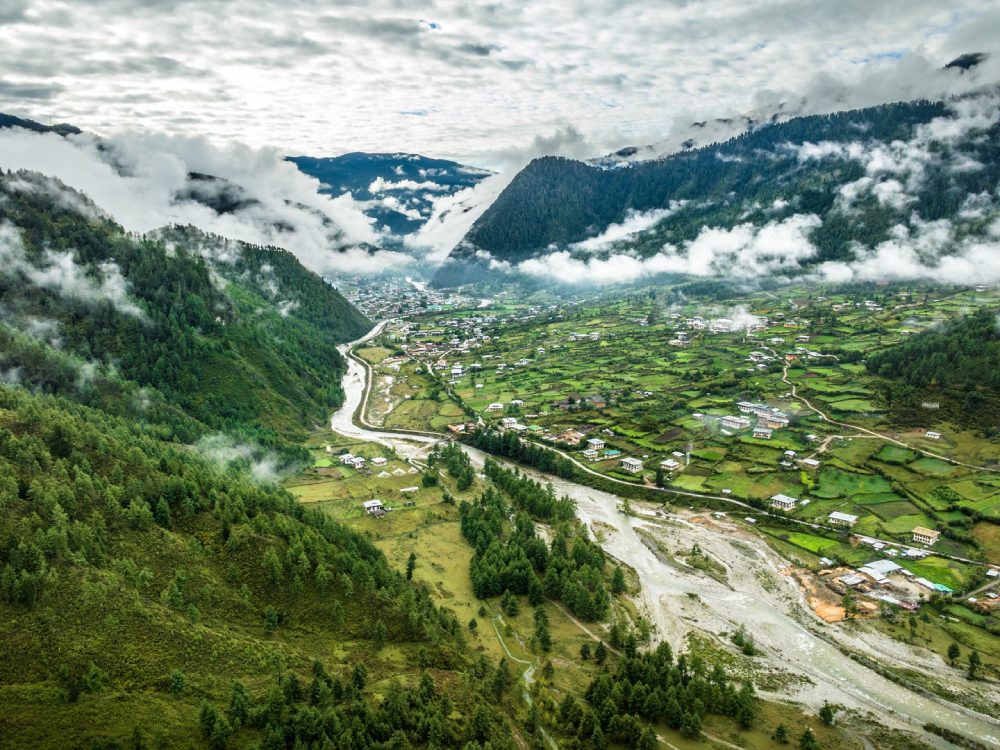
Here's a fact most travellers don't know: in Nepal, a trek guide earns $8-15/day. In Thailand, a guide earns $10-20/day. In Bhutan, a guide earns $30-45/day.
Why? The mandatory guide requirement plus the SDF.
The economics:
-
Every tourist must hire a guide (mandatory)
-
Guides aren't competing in a price-war market (fewer total operators due to regulation)
Therefore, guides earn living wages, not survival wages
A Bhutanese guide can:
-
Support a family with dignity
-
Save for the future
-
Work for years with the same operator (not chase the next job)
In Nepal and Thailand, guides compete ruthlessly. Tour operators bid against each other constantly. Guides get squeezed. A $8/day wage becomes the norm. To make real money, guides rely on tips, which creates perverse incentives (upselling, shortcuts, inauthentic experiences).
Bhutan's system removes this. A guide's income is guaranteed by the SDF structure. They don't need to upsell. They don't need to rush. They can focus on providing genuinely good experiences.
This is why guides in Bhutan stay with operators for years. Why do they invest in their craft? Why do they take pride in their work?
This is sustainable tourism at the system level.
The Sceptic's Questions: Addressing Common Objections
We hear these objections regularly. They're fair. Let's address them.
Isn't $100/day just a way for Bhutan to get rich from tourism?
Not entirely, but let's be honest: yes, the government profits. That's intentional. The difference is how they use it.
Nepal generates significant tourism revenue. Most flows to Kathmandu and hotel chains. Rural communities see little. Bhutan intentionally redistributes SDF revenue to remote areas through schools, healthcare, and infrastructure.
Is it perfect? No. Is it better-designed than Nepal's model? Yes.
Can't I just book cheaper with a different tour operator?
No. The SDF is fixed. Every operator charges the same daily rate. This isn't a competitive advantage for us—it's policy. We can only compete on service quality, itinerary design, and guide excellence. Which means we have to be good. There's no price-cutting shortcut.
Why can't I trek independently?
Because if you could, the system collapses. Operators would hire cheap, unlicensed guides. Guides would earn $5/day. Tourists would wander everywhere, destroying sacred sites. Crowds would increase. Quality would plummet.
The mandate protects both tourists and culture.
Doesn't this mean Bhutan is expensive compared to Nepal?
Yes. It's intentionally expensive. And that's the point. Bhutan is saying: Real cultural tourism costs money. If you want authenticity, you pay for the infrastructure that sustains it.
Nepal's argument is: We'll sell you cheap experiences. The result: degraded culture, guides in poverty, tourist scams.
Bhutan's argument is: We'll sell you authentic experiences, funded equitably. The result: preservation, dignity, genuine encounter.
Different values. Different outcomes.
Why This Matters for Your Luxury Bhutan Tour
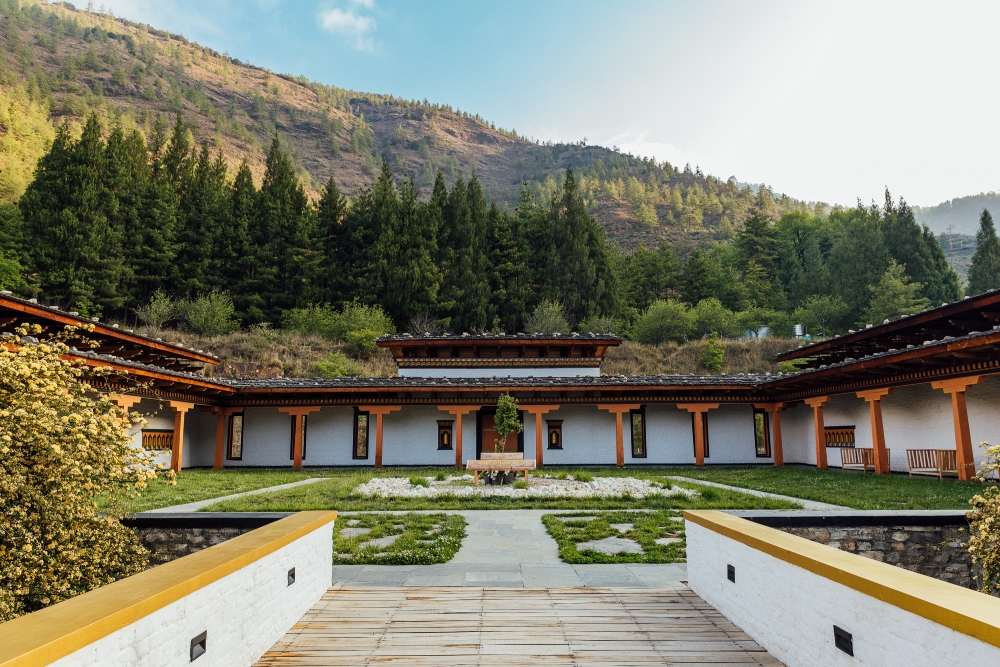
You might wonder: Why is Naresh (ELH) spending 2,500 words explaining Bhutan's tourism policy? Shouldn't he just sell me a tour?
Fair question. Here's why this matters:
When you understand Bhutan's model, you understand the value of what you're buying. The $100/day isn't a cost. It's the mechanism that keeps Bhutan authentic.
When you travel with ELH through Bhutan, you're not just experiencing culture. You're funding its preservation.
Your guide isn't just earning a commission. Your guide is part of a system designed to provide fair wages and dignified work.
The lodge you stay at isn't cutting corners because the operator is desperate for margin. The lodge owner can invest in quality because the SDF ensures steady demand.
In other words, the structure that makes Bhutan expensive is the same structure that makes it worth visiting.
When you book a luxury Bhutan tour, you're not overpaying. You're paying appropriately for something rare: a destination that has chosen preservation over exploitation.
The Role of Operators Like ELH in Sustainable Tourism
Tour operators sit between travellers and destinations. That position matters.
A bad operator:
-
Cares only about conversions
-
Treats Bhutan as a product, not a place
-
Minimises guide engagement to cut costs
-
Rushes itineraries to maximise turnover
-
Uses "luxury" as a marketing term, not a practice
A good operator (that's us):
-
Invests in relationships with guides, monks, and families
-
Slows down itineraries to enable depth
-
Pays guides properly and treats them as partners
-
Vets lodges for location, not just star-rating
-
Uses "luxury" to mean thoughtful, intentional, authentic
The difference is subtle but real. And it matters for what kind of impact your visit has.
When you book with ELH, we're not just facilitating a transaction. We're stewarding a relationship between you and Bhutan. We're making sure your $100/day actually funds what it's supposed to. We're making sure your guide is someone who will give you their best work. We're making sure you encounter authenticity, not performance.
The Future of Sustainable Tourism in Bhutan
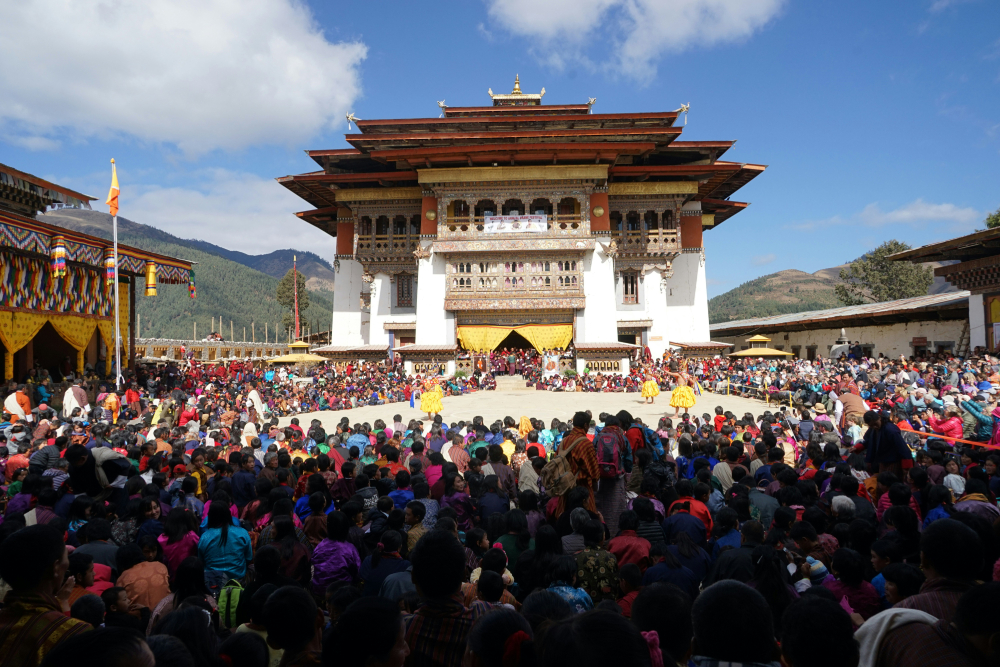
Bhutan's model isn't perfect. No system is. But it's the closest thing we have to tourism done right.
Other countries are watching. Costa Rica, with its focus on ecotourism, borrows heavily from Bhutan's model. Some European regions are considering visitor caps. Thailand's government occasionally floats the idea of sustainability fees.
Most won't do it. The pressure to maximise tourism revenue is too great. The path of least resistance is always to sell more.
Bhutan is still choosing differently.
As a traveller, you get to choose too. You can opt for cheap, high-volume tourism. Or you can opt for slow, intentional, sustainable tourism.
When you choose a luxury Bhutan tour with us, you're choosing the latter. You're saying: I'd rather have fewer days of authentic experience than many days of surface-level tourism.
You're saying: I want my money to fund fair wages, not shareholder returns.
You're saying: I want to encounter culture, not consume it.
That choice matters. For you, for your guide, for Bhutan.
Ready to experience sustainable tourism in Bhutan done right?
Our luxury Bhutan tours are designed around this philosophy. We move slowly. We work with guides who've chosen this work as a calling. We partner with communities, not just visit them.
Explore our Bhutan tour packages:
Related reading: