Most wellness content sells you a fantasy. Yoga at sunrise. Herbal baths. A week of "finding yourself." Nepal's wellness industry plays the same game—except Nepal doesn't need to. The mountains, the silence, and the people here do the work without theatre.
I've guided over 800 travellers through Nepal in the last 4 years. The ones who transform aren't the ones chasing programs. They're the ones who get placed inside the geography, guided by people who understand both wellness and logistics, and permitted to move slowly.
That's what we build at Everest Luxury Holidays.
This isn't a guide to spas. It's five journeys—each rooted in a real place, anchored to a property that enhances rather than isolates—designed around how people actually change.
Why Nepal for Wellness (The Honest Version)
Nepal works for wellness because it's not trying.
The Himalayas regulate your nervous system by sheer geography. High altitude forces slowness. Forest silence does what no soundscape recording can. Rivers reset breathing patterns. These aren't metaphors—they're physics.
What makes Nepal different from other wellness destinations:
1. Real cultural access. You're not observing Buddhism or Hinduism from a tourist platform. You're walking into monasteries and temples where monks and priests live, not perform. You're in Sherpa homes where meals happen, not where they're staged.
2. Healing traditions that predate wellness marketing. Ayurveda in Nepal isn't a trend. It's been medicine for 2,500+ years. Tibetan herbal medicine has an 11th-generation lineage still operating. These practitioners aren't wellness coaches—they're physicians.
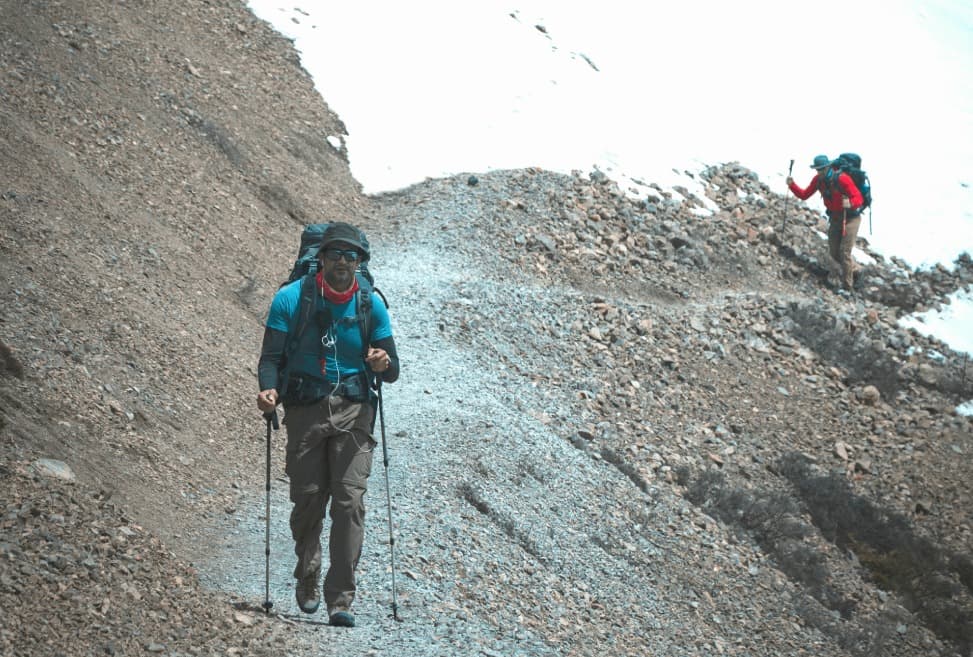
3. Terrain that does the work. A 3-hour walk through rhododendron forests isn't exercise. It's the nervous system regulation. A night at 3,500 meters isn't a hardship—it's forced presence.
4. Small groups, private pacing. We design for 2-6 people, not 20. Your guide is briefed on your specific goals weeks before you arrive. Your lodge is selected for location and quiet, not Instagram aesthetics.
When to Travel for Wellness
Spring (March to May): Clear skies, wildflowers blooming, temperatures 15-22°C. This is ideal for first-time wellness travellers and anyone seeking gentler conditions while still getting serious work done.
Autumn (September to November): Crystal-clear visibility, stable weather, temperatures 10-20°C. This is peak season for all journeys—best light, best trekking conditions, most reliable logistics.
Both seasons support serious wellness work without weather interruption. Winter and monsoon are possible but require journey-specific planning.
Five Wellness Journeys: Where to Go, Why, and What Happens
Pick based on your actual need. Not the retreat that sounds nice. The one that matches where you are.
1. DHULIKHEL DETOX RESET — Medical-Grade Cleansing
For: People who need a hard reset. Burnout. Chronic stress. Poor digestion. Sleep disruption.
Where: Dwarika's Resort Dhulikhel—40 minutes from Kathmandu, surrounded by mid-hills, anchored in a 300-year-old Newari village.
What happens:
You arrive and meet an Ayurvedic physician, not a wellness coordinator. They assess your body type (dosha), digestion, energy patterns, and imbalances. This takes 90 minutes. No shortcuts.
Then the work begins.
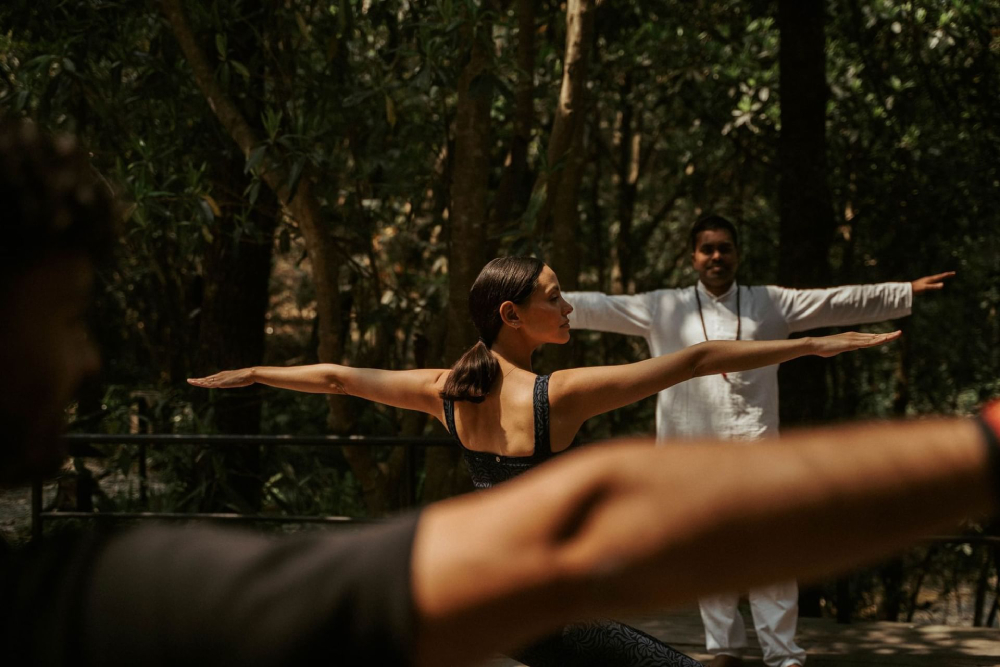
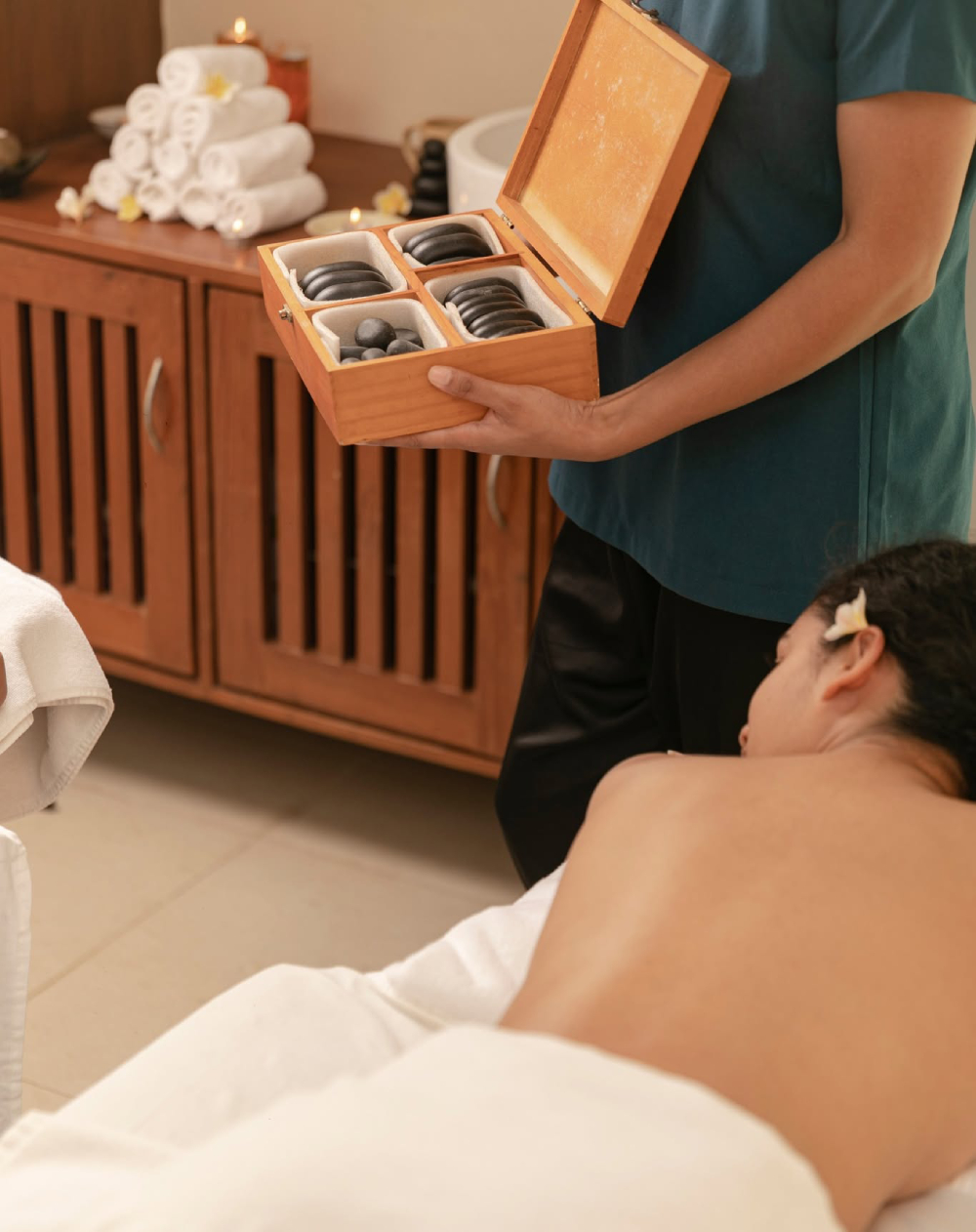
Days follow a strict rhythm: 6 AM oil massage (abhyanga) tailored to your dosha. 7 AM yoga. 8 AM Himalayan salt room therapy. 9 AM breakfast—specific to your body type, prepared by chefs trained in Ayurvedic nutrition. Midday: meditation or forest bathing. Afternoon: additional therapies (chakra work, herbal steam, hot stone treatments). Evening: mantra sessions and herbal teas.
The intensity sounds clinical. It isn't. It's methodical—designed to reset your digestive fire, clear toxins, and rebuild metabolic rhythm.
By night three, most guests report deeper sleep than they've had in years. By night five, their relationship with food changes. They taste again. They digest. They stop carrying inflammation.
Why we recommend this property:
Dwarika's isn't a luxury theatre. It's a genuine Ayurvedic clinic wearing a high-end lodge. The doctors are Ayurvedic MDs, not wellness instructors. The protocols are medically monitored, not trend-based. You get results because it's medicine, not marketing.
Duration: 5-7 nights (5 nights minimum for full benefit; 7 nights if you want to extend the reset and layer in cultural immersion in Kathmandu Valley).
Best for: First-time wellness travellers, anyone with digestive issues, people coming off high-stress work cycles.
2. POKHARA EARTH RESET — Emotional & Nervous System Restoration
For: Burnout without the physical symptoms. Disconnection. Decision fatigue. Need to feel grounded again.
Where: The Pavilions Himalayas—Farm and Lake View properties, 6 hours from Kathmandu, surrounded by agricultural land, forest, and Phewa Lake with Annapurna views.
What happens:
This journey is the opposite of Dhulikhel. There's no protocol. There's rhythm.
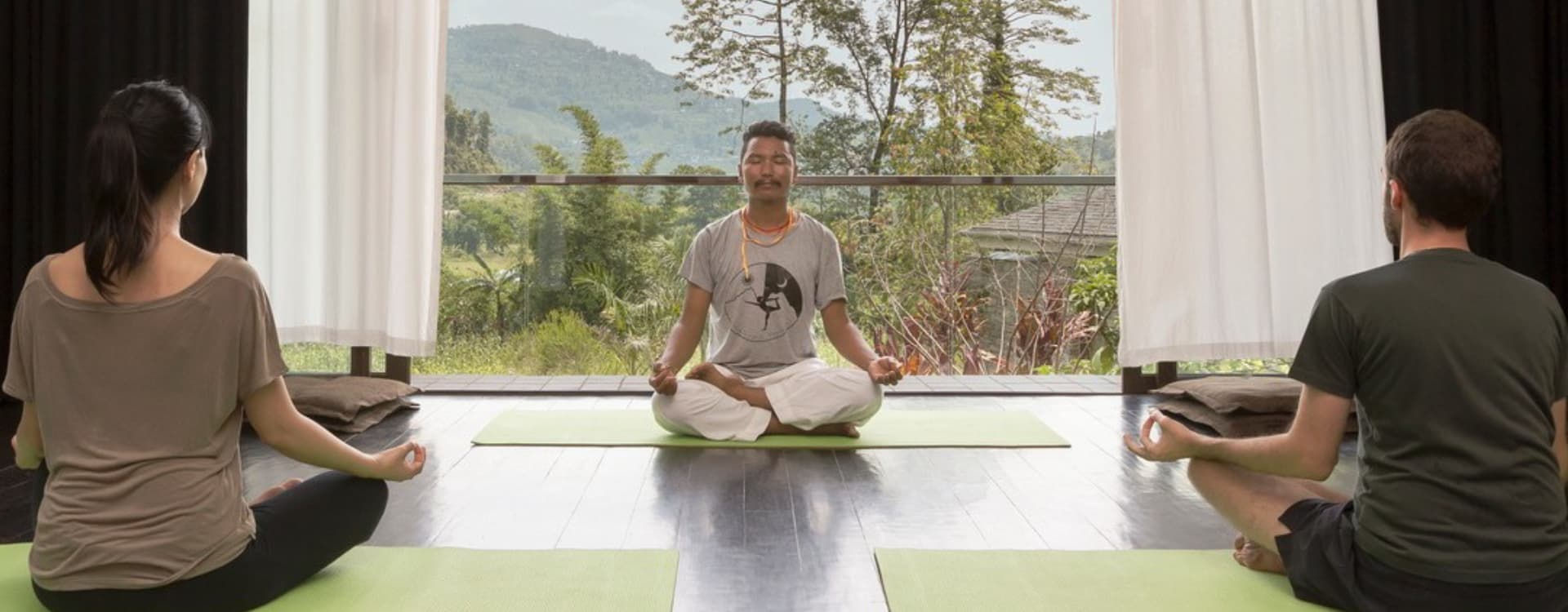
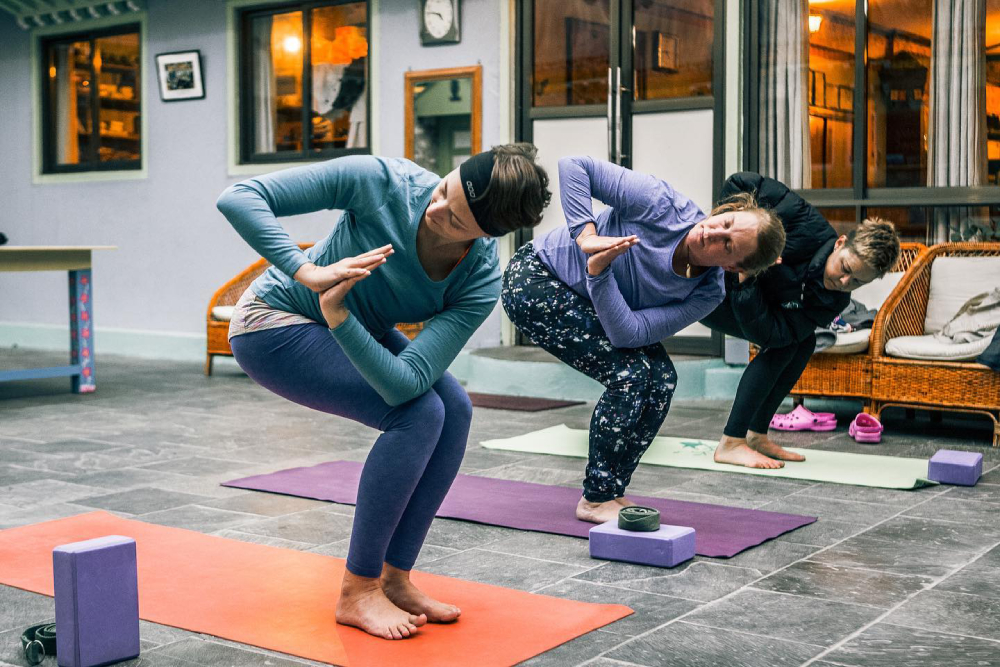
You wake early and choose: sunrise meditation on the lake, or yoga in the farm. Breakfast uses vegetables picked that morning—tomatoes, greens, herbs—from the land the resort owns. Guests often join the picking. It sounds small. It's not. Touching soil. Knowing where food comes from. This resets something in urban nervous systems instantly.
Midday: farm-to-table cooking classes (you learn, then eat what you made), walks through village trails to local monasteries, or simply sitting by the lake with a book. No schedule. The point is slowness.
Afternoons: herbal treatments (turmeric oil, sesame massage, herbal baths). Evening boat rides on Phewa Lake—the Annapurna range reflecting in the water, no sound except oars. Dinner is communal, sourced from the farm or local foraging.
By day three, guests stop checking their phones. By day five, they've written 20 pages in journals they brought but didn't plan to use. The transformation isn't dramatic—it's slow, deep, and permanent.
Why we recommend this property:
The Pavilions isn't marketing "farm-to-table." It actually operates a functional farm. You're not performing wellness; you're living it. The property moves slowly by design, which means your pace slows naturally. Guests leave with dirt under their fingernails and a reset nervous system.
Duration: 5-6 nights.
Best for: High-stress professionals, people navigating major decisions, and anyone who needs to feel like themselves again without intensity.
3. ANNAPURNA SACRED LAND IMMERSION — Spiritual Deepening Through Place
For: Travellers seeking meaning. People drawn to Buddhism or contemplative practice. Those ready for altitude and terrain.
Where: Shinta Mani Mustang—A Bensley Collection property at 3,800m, perched above the Kali Gandaki canyon in Lower Mustang, surrounded by sky caves, ancient monasteries, and Tibetan-influenced villages.
What happens:
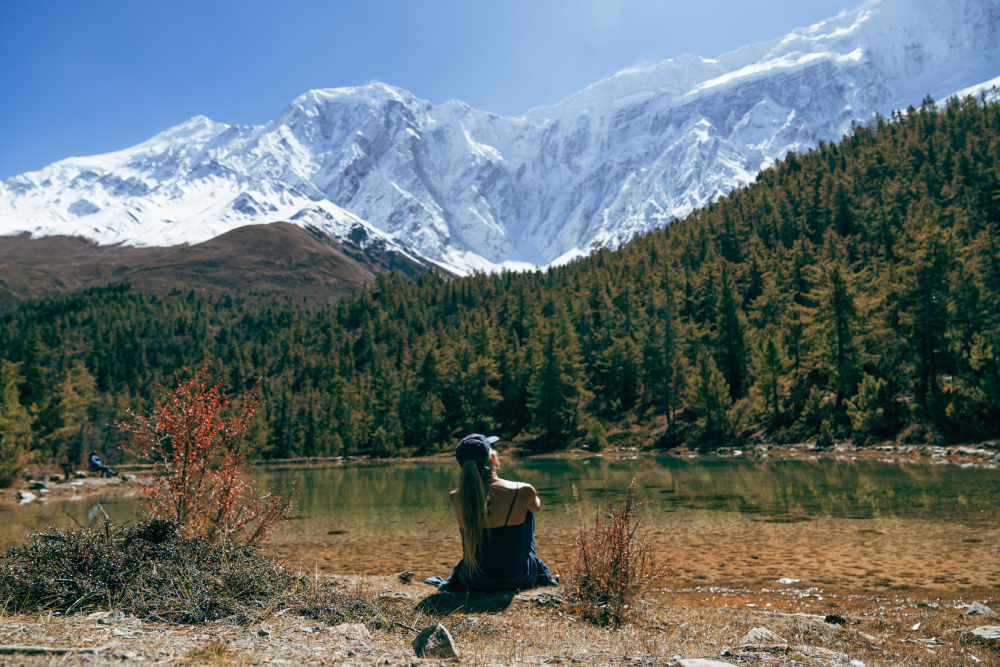
This journey is different because the place is different. Lower Mustang feels otherworldly—arid, high, silent, with light that changes by the hour. The property sits above everything.
You acclimatise on day one (short walks, altitude adjustment). Days two through five: guided treks to monasteries and sky caves. You visit Chiwong, Chheyma Lake, Dhumba Lake, and villages like Jhong and Lubra. These aren't tourist stops—they're active spiritual sites. Your guide (always a local) walks you in quietly. Monks work. You sit. You observe. You ask questions.
Afternoons include cooking classes (traditional Lower Mustang cuisine), apple picking in September, or meetings with local wine makers. These are cultural immersion, not activities. The difference: you're learning how people live, not how to perform tourism.
Evenings: treatments from an Amchi physician (Tibetan medical doctor with lineage training), including herbal therapy, salt stone massage, and energy work. Dinners feature local ingredients prepared by chefs who trained under Bensley's standards but cook regional food, not fusion.
By the end, most guests have shifted something fundamental. They've sat in 800-year-old monasteries. They've eaten with monks. They've touched practices that predate their religion. Altitude, silence, and culture combine into genuine spiritual movement.
Why we recommend this property:
Shinta Mani doesn't "offer" wellness. It exists in a place where wellness is unavoidable. The property is built into the landscape—rooms carved into cliffs, dining overlooking canyons. The guide's access to monasteries is real (not arranged for tourists). The Amchi physician is legitimate, not a hired wellness consultant. You're not doing wellness; you're living in a place where living itself is the practice.
Critical note on access: As of early 2026, solo travellers can now enter Upper Mustang with a licensed guide and a $50/day Restricted Area Permit. We often combine Lower Mustang immersion (Shinta Mani base) with 2-3 days in Upper Mustang for travellers ready for more altitude and remoteness.
Read our full guide on Mustang trekking here.
Duration: 5-7 nights at Shinta Mani (can extend 2-3 days in Upper Mustang for deeper immersion).
Best for: Experienced travellers, contemplative practitioners, anyone seeking genuine spiritual engagement.
Customise an Annapurna Immersion →
4. PHAPLU LEGACY WELLNESS — History, Resilience, and Community
For: Travellers drawn to meaningful stories. People seeking connection beyond personal wellness. Those ready for altitude trekking.
Where: The Happy House, Phaplu—A luxury retreat at 2,400m in the Solukhumbu district, surrounded by Sherpa villages, monasteries, and the legacy of Sir Edmund Hillary's work in the region.
What happens:
I'll be direct: this journey is personal to me. I've guided groups here 15+ times. Every single guest shifts.
You start in Kathmandu, fly to Lukla, and trek to Phaplu over two acclimatisation days. The lodge sits on a ridge overlooking Everest in the distance, surrounded by pine forests and real villages (not trekking towns).
Days include guided hikes to Chiwong Monastery (an active practice centre, not a museum), meditation caves where monks train, and visits to Hillary's schools and hospital in Khumjung and Namche—built in the 1960s, still operating. You're not "learning about" Hillary's legacy; you're walking through living institutions he created.
One night, you sleep in a high-altitude tent at Ratnange Ridge (3,500m) and wake to Everest without climbing it. That moment—seeing the mountain from rest, not exhaustion—changes how people relate to ambition.
Meals are community-style, cooked by women from local families using Sherpa recipes passed through generations. You eat what they cook. You learn why. The food becomes the cultural education.
Evenings: Buddhist philosophy sessions with a local monk, fire rituals led by guides, and forest meditation. The programming is light—it's never forced. You're here to slow down and absorb a place shaped by resilience, spirituality, and generosity.
By the end, guests aren't talking about "wellness." They're talking about feeling less alone. About what it means to be part of something larger.
Why we recommend this property:
The Happy House was named by Hillary himself because he felt genuinely happy there. That feeling persists. The property is run by Sherpa families who knew Hillary personally. Your guide likely has a direct connection. The monastery access is real—the monks know the guides. The cultural immersion isn't curated; it's lived.
And here's what matters operationally: We've built 20 years of relationship with the villages around Phaplu. Your presence supports local schools, healthcare, and monastery maintenance directly. You're not doing charity tourism; you're participating in an ecosystem.
Duration: 5-6 nights (includes 2-day trek, acclimatisation).
Best for: Travellers seeking meaning beyond themselves, people drawn to mountain culture, and anyone ready for a trekking-based wellness journey.
Customise a Phaplu Immersion →
5. CHITWAN JUNGLE RESET — Wild Nervous System Regulation
For: People craving nature immersion without mountains. Those interested in wildlife and Indigenous healing. Anyone needing to reconnect with the "wild self."
Where: Kasara Jungle Resort—Positioned directly adjacent to Chitwan National Park (UNESCO World Heritage Site), in the Terai lowlands, 5 hours south of Kathmandu.
What happens:
Not all healing happens in altitude and monasteries. Some things happen in heat, sound, and proximity to wild animals.
You arrive in the jungle. First day is usually rough—heat, humidity, unfamiliar sounds. By evening, your nervous system starts downshifting. By day two, you're sleeping deeply.
Mornings begin with guided jungle meditation (sitting quietly while the forest wakes). Then forest walks—not safaris, walks. You're learning to move quietly, to observe animal behaviour, to feel the density of alive space around you.
Midday: canoeing on the Rapti River, which borders the park. You float silently. Crocodiles sun themselves. Birds move. The sound of your paddle is the loudest thing. It's meditative without trying to be.
Afternoons: Tharu healing practices led by local guides. The Tharu people have lived in the Chitwan jungle for generations. They have their own healing traditions—herbal baths, massage rituals, and knowledge of which plants do what. These aren't yoga-style treatments. They're practical. They work.
Cooking classes using foraged ingredients and traditional Tharu recipes. Meals prepared by guides' families. The food tastes like the jungle—earthy, grounded, real.
Evenings: evening safaris in the park (chance to see rhinos, tigers if you're fortunate), followed by quiet reflection time. No programming. No forced transformation talk.
By day three, guests report hormone balance, deeper sleep, and nervous system reset. The jungle does this—the sounds, the heat, the proximity to wildness resets something modern life erases.
Why we recommend this property:
Kasara is small (12 rooms), owned by local families, and positioned perfectly—not inside the park (which would be disruptive) but bordering it. Every meal and guide relationship supports the Tharu community directly. The property moves slowly by design, which means you can't speed up even if you wanted to.
And practically: if you have altitude concerns, Chitwan is your answer. You get jungle reset, cultural immersion, and wildlife proximity without ever climbing.
Duration: 3-4 nights (3 nights minimum for nervous system shift; 4 if you want to add upper Chitwan cultural experiences).
Best for: Travellers who don't trek, people with altitude concerns, anyone needing a deep nervous system reset, and wildlife enthusiasts.
Customise a Chitwan Immersion →
FAQ: Wellness Journeys in Nepal
Q: How do I choose which wellness journey is right for me?
A: Use this simple framework:
- Need medical reset? → Dhulikhel (Ayurvedic detox, structured protocol, results in 5-7 nights)
- Need emotional grounding? → Pokhara (earth reconnection, slowness, farm-based healing)
- Seeking spiritual deepening? → Annapurna (monastery immersion, high-altitude presence, cultural access)
- Want a meaningful community? → Phaplu (Hillary's legacy, Sherpa culture, mountain immersion)
- Avoid altitude? → Chitwan (jungle healing, wildlife immersion, zero elevation stress)
Unsure? Contact us. We ask three questions and recommend based on where you actually are.
Q: Do I need to be fit to do these journeys?
A: Depends on the journey. Dhulikhel and Pokhara require minimal fitness (lodge-based, optional light walks). Annapurna and Phaplu require moderate fitness—3-5 hour trekking days on uneven terrain. If you can walk 3 hours comfortably, you're fine. Chitwan is safari-based, with no sustained hiking. If joints or fitness concerns you, start with Dhulikhel or Chitwan.
Q: What about altitude and altitude sickness?
A: Real concern, fair question. Annapurna reaches 3,800m; Phaplu reaches 2,400m. We build in 2-3 acclimatisation days before higher elevations. Most guests adjust fine. If altitude worries you seriously, choose Dhulikhel (600m), Pokhara (900m), or Chitwan (sea level). No shame in that choice—wellness without stress is the goal.
Q: Is Ayurvedic medicine safe? Any side effects?
A: Yes, it's safe when done properly. Ayurveda is 2,500 years of medicine. At Dwarika's, physicians are Ayurvedic MDs with formal training. Detox protocols can cause temporary effects—loose digestion, mild fatigue, clearer skin—as toxins clear. This is normal and expected. Physicians monitor you and adjust if needed. We screen for contraindications (pregnancy, certain meds) upfront.
Q: Can I do this solo, or is it couples/group only?
A: Solo travellers are welcome and common. Groups are capped at 2-6 people max. You're never alone—guides and lodges are community-based. But you have private pacing. Many solo guests say this is the best part: rest when you want, explore when you want, move at your own rhythm.
Q: How much does a wellness journey cost?
A: Budget $3,500–$6,500 for 5-7 nights, all-inclusive. That covers 4-5 star lodging, all meals, guides, activities, and treatments. International flights, travel insurance, and personal spending (gifts, tips) are separate. We'll send detailed pricing once you confirm dates and journey choice.
Q: When should I book? How far in advance?
A: Spring (March-May) and autumn (September-November) book 8-12 weeks ahead. Winter and monsoon can book 4-6 weeks out. We recommend booking as soon as travel dates feel solid. Small groups and limited guide availability fill fast.
Q: What's your cancellation policy?
A: 100% refund up to 90 days before arrival. 50% refund 31-89 days before. No refund within 30 days (unless we cancel due to conditions). Travel insurance covers these cancellations. Get insurance.
The Bigger Principle
These journeys aren't escapes. They're returns.
Return to your body. Return to slowness. Return to places where things matter. Return to communities where generosity still moves.
That's what Nepal offers—not a temporary reset, but a reorientation. And the shifts that stick are the ones grounded in real place, real people, and real time.
Ready to walk a new path?
Or explore wellness options in Nepal if you want a more active-focused experience.