I've stayed in almost every property on this list. I've not only toured through the lobby for twenty minutes with a GM narrating — actually slept there, eaten the food, sat through the treatments, and watched how clients react a week after they leave. That's the filter this guide runs on.
Most "luxury wellness retreat" round-ups are written by someone who has never been to any of these places, who reads press kits and repeats them back with better adjectives. I'm not going to do that. I'm going to tell you what's actually worth your money, what isn't, and why — starting with a question I get constantly about Bhutan specifically: Six Senses or Amankora?
For Bhutan, if a client has no preference, I default them to Six Senses. Not because Amankora is bad — it isn't — but because at the price Amankora charges, I don't think it delivers enough more than Six Senses to justify the gap. That's the kind of opinion you won't find on a hotel's own website. You'll find it here, because it's my job to spend your money as if it were mine.
Why the Himalayas, Specifically, for Wellness
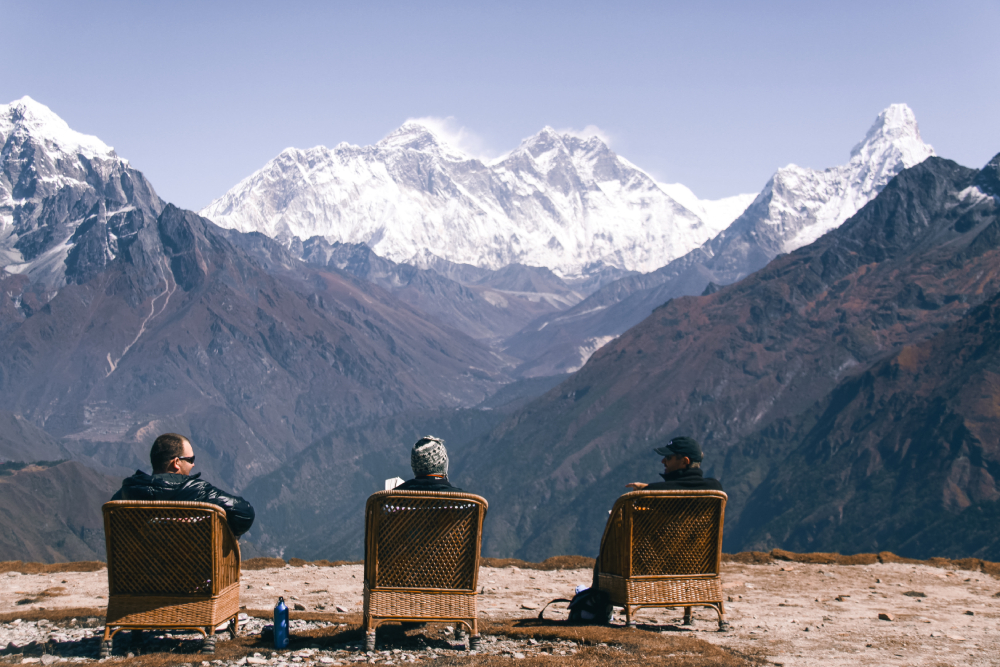
Altitude does something a spa in Bali or Tulum can't replicate. At 2,200–3,000 metres, the air is thinner, the noise floor drops to almost nothing, and your nervous system responds to that whether you notice it consciously or not. I've watched clients who couldn't sit still for a five-minute meditation session at home go quiet for an hour on a hillside in Punakha without anyone asking them to.
The second piece is that wellness here isn't bolted onto a resort — it's inherited. Traditional Bhutanese Medicine, Tibetan Amchi practice, and Ayurveda-adjacent Himalayan herbal traditions have been running in these valleys for centuries, independent of the hospitality industry. When a lodge builds a treatment around this, it's not inventing a spa menu — it's translating something that already existed.
Bhutan: Five Wellness Properties, Ranked by What They Actually Deliver
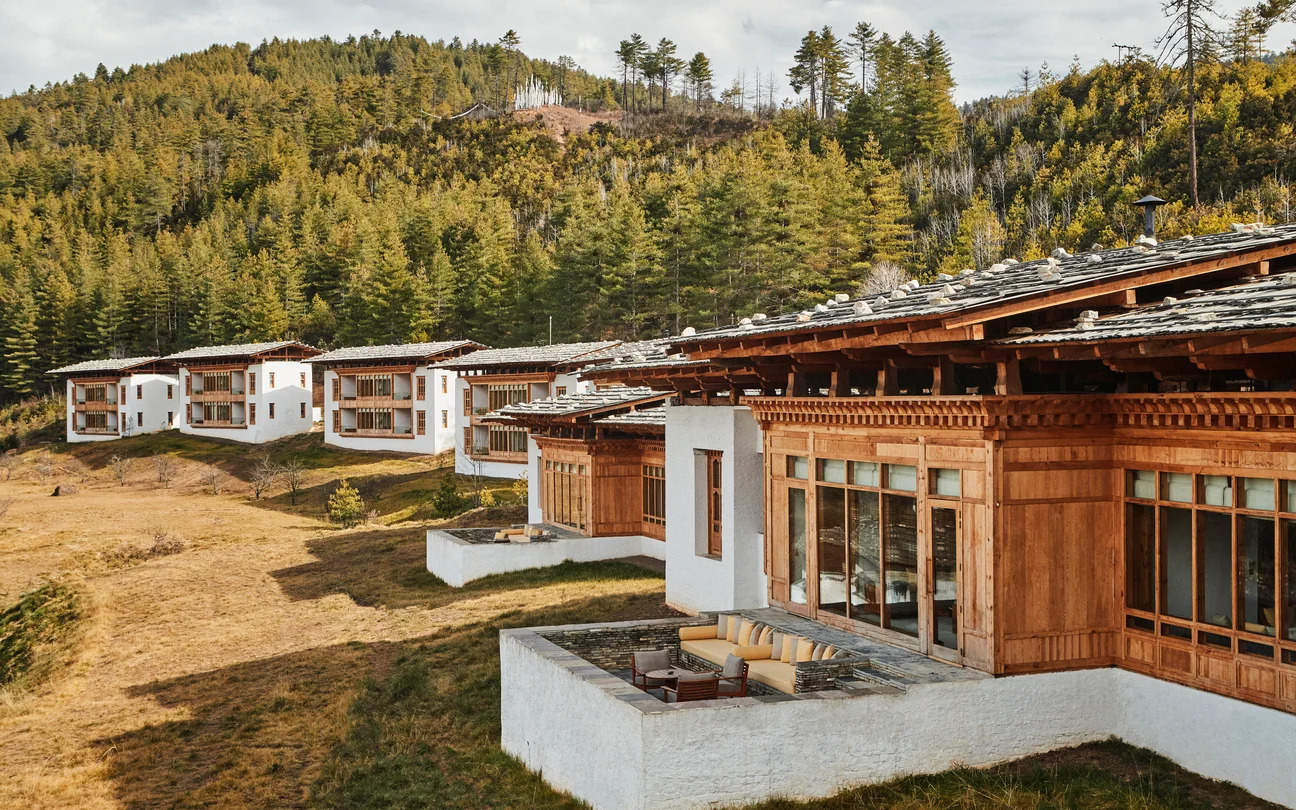
Six Senses Bhutan — my default recommendation
Six Senses isn't one hotel; it's five lodges across Thimphu, Punakha, Paro, Gangtey, and Bumthang, and the sequence you choose matters more than most people realise going in. I've written a full lodge-by-lodge breakdown with 2026–27 pricing here — but the short version: lodge suites run USD 1,575–2,130 a night depending on season, before tax, and every property is built around wellness as the daily structure, not an optional add-on.
If I'm sequencing a first trip, I open in Paro for the Tiger's Nest hike, then move through Thimphu and Punakha. If someone's already done the western circuit, Gangtey and Bumthang are where I send them next — Gangtey especially. It's a small lodge on the Phobjikha glacial plain built specifically to frame stillness, and it's the one property on this entire list where I've had clients call me a week later just to talk about what happened to them there.
Explore our Bhutan luxury tours.
Amankora — comfortable, but not what I'd suggest
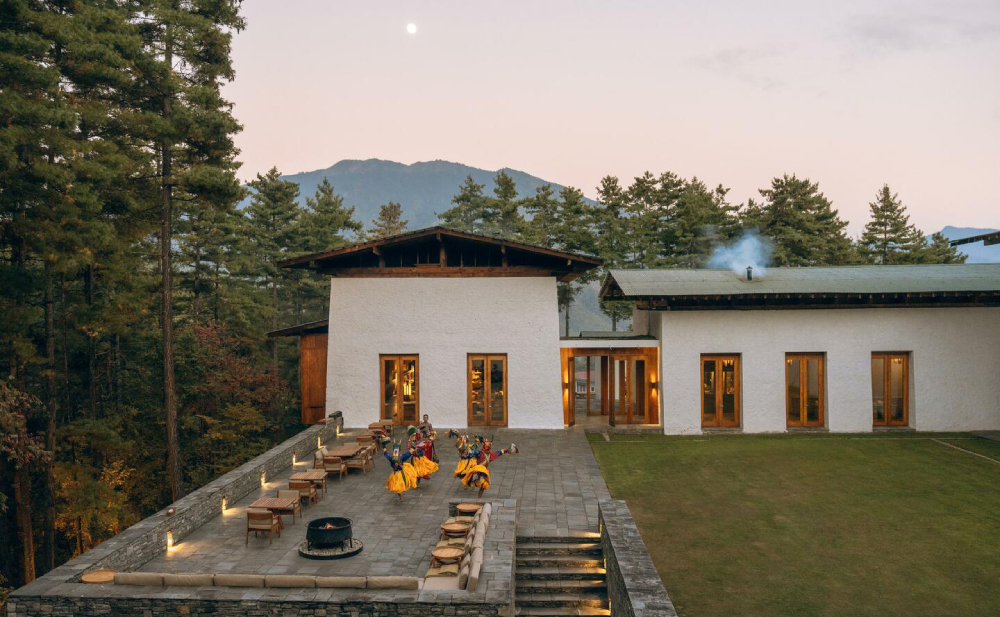
I want to be straight with you here, because most operators won't be. Amankora is a comfortable, well-run property — five camps, consistent Bhutanese-vernacular architecture, strong guides. At USD 2,050–2,850 a night, it sits meaningfully above Six Senses' entry point for a similar circuit.
But it's not what I'd suggest. What you're paying that premium for is architectural minimalism and brand cachet, not more wellness, more access, or more comfort. If design purism is genuinely what moves you, I'll book it without hesitation — some clients want exactly that, and Amankora delivers it well. But if you're coming to Bhutan primarily for the wellness experience rather than the architecture, I default clients to Six Senses instead. That's an honest operator's read, not a knock on the property.
COMO Uma — Paro and Punakha, understated and consistently good
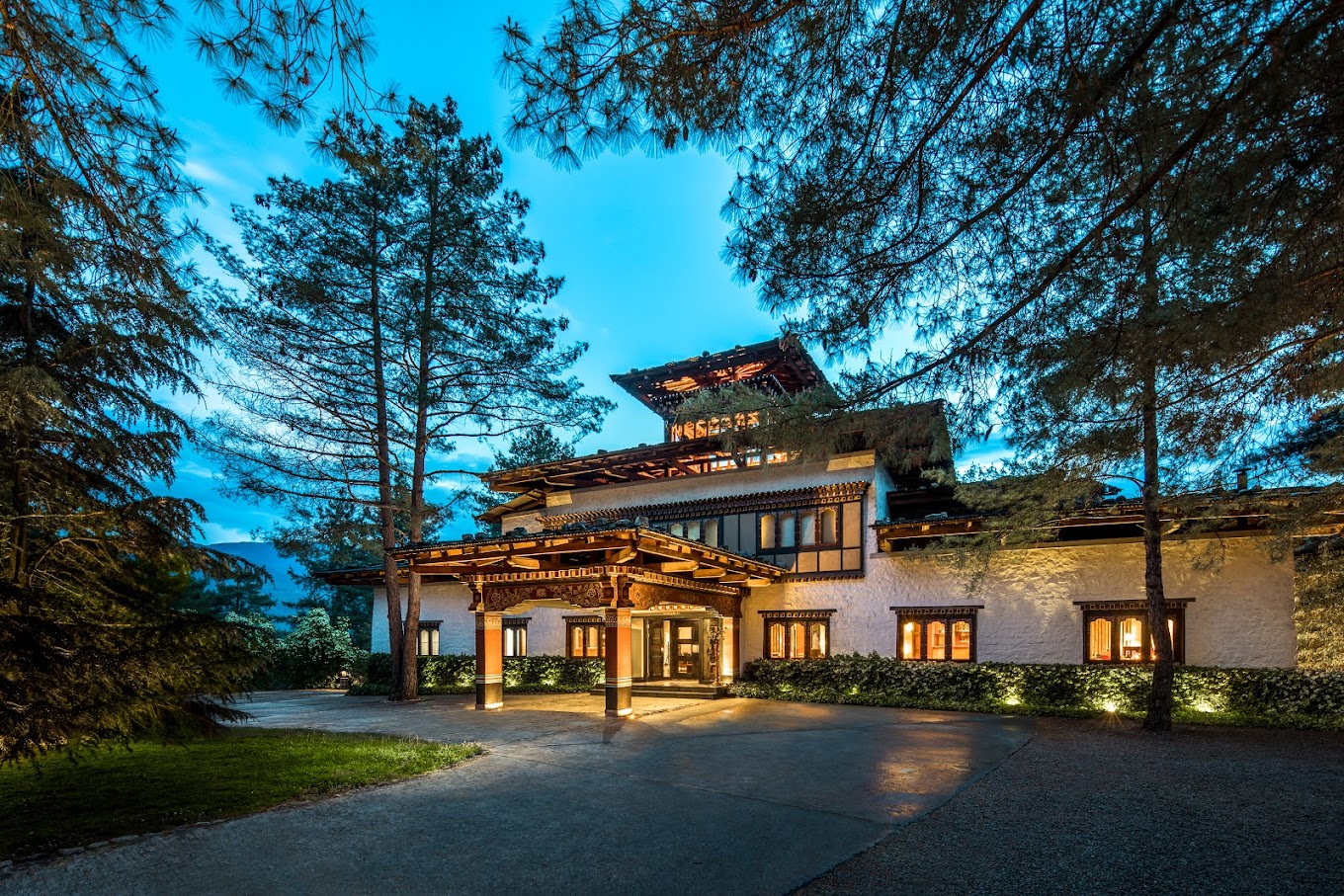
Two lodges, Bhutanese craftsmanship with a lighter touch than Amankora's minimalism, and the Shambhala Wellness Facility is a genuinely strong program — spa therapies and yoga built around Bhutanese healing traditions rather than an imported spa menu. Our team has vetted both properties directly, and it's a reliable choice when a client wants something quieter and less design-forward than Amankora, without the five-lodge commitment Six Senses asks for.
Bhutan Spirit Sanctuary — Paro's dedicated medical-wellness house
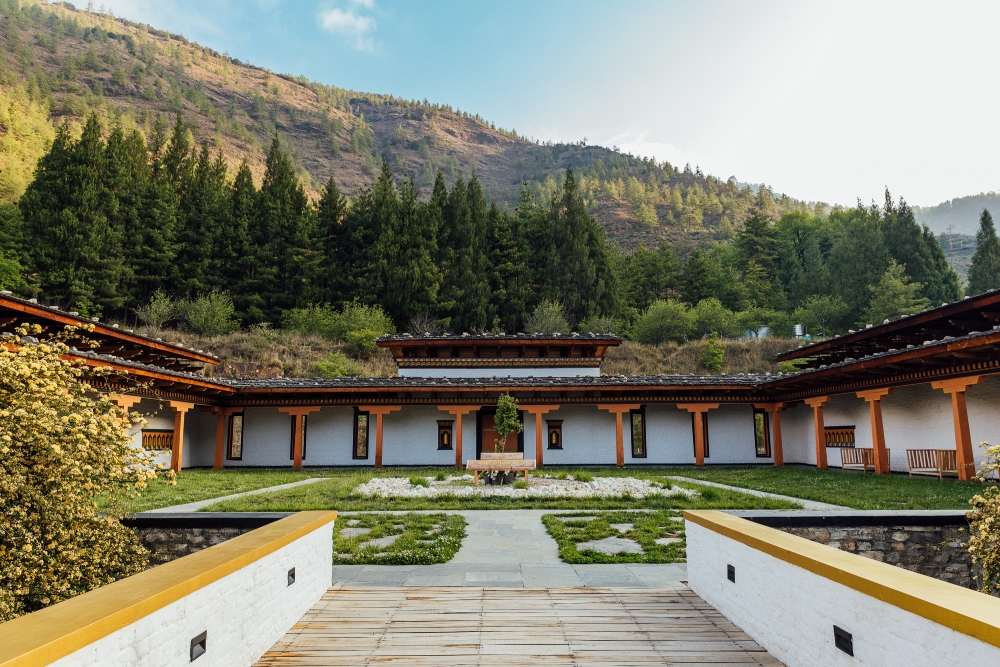
This is the one property on the list built entirely around Traditional Bhutanese Medicine rather than hospitality-first design. Every stay opens with a consultation with a Bhutanese Medicine doctor, therapies are 100% herbal, and the food program runs farm-to-table with genuine seasonal sourcing. It's 15 minutes from Paro airport, which matters if a client doesn't want long transfers eating into a short trip. Our team has vetted the property directly, and we recommend a minimum of 5 nights here — anything shorter, and you don't get the full arc of the program.
&Beyond Punakha River Lodge — for clients who want wellness with more movement in it
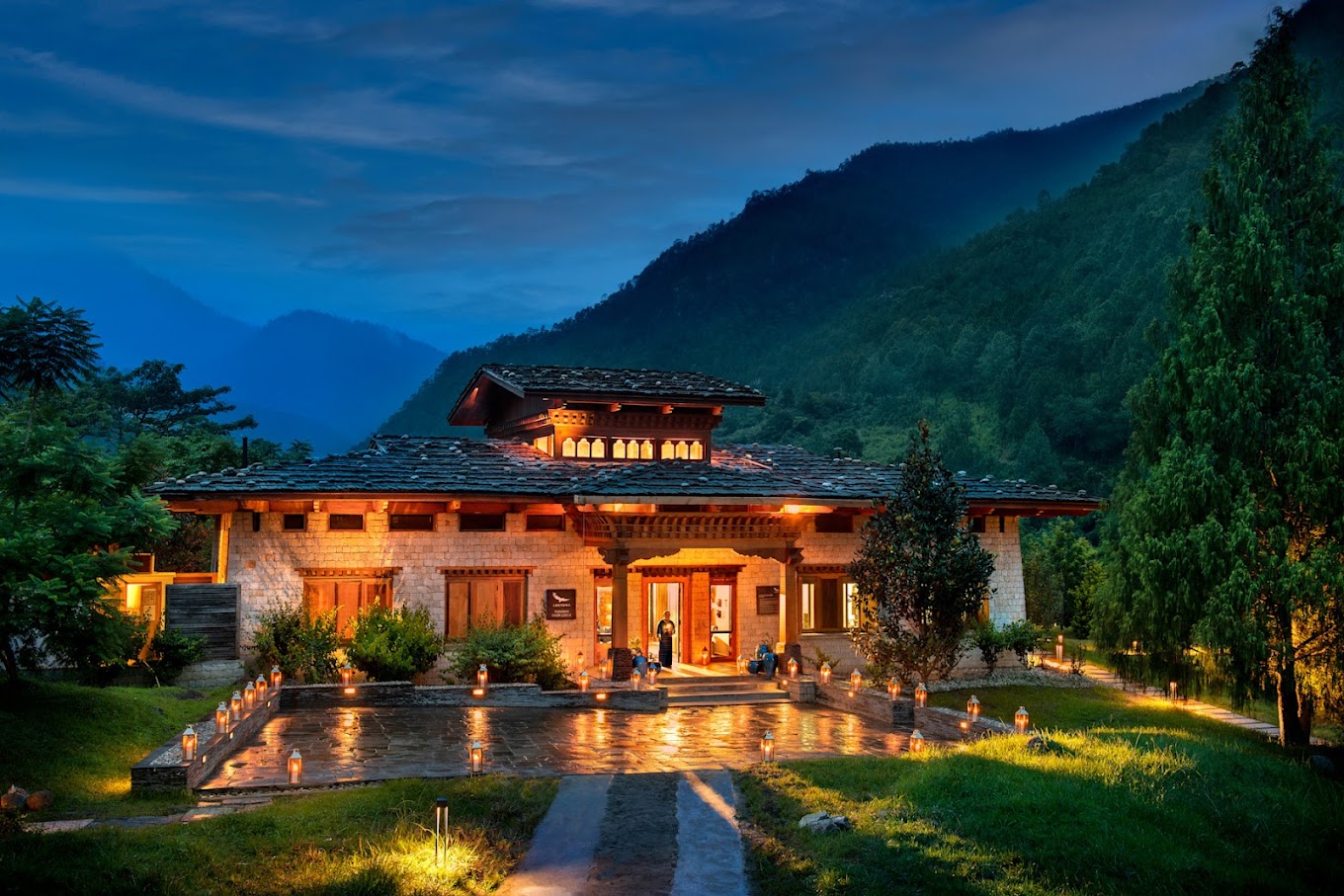
Eight rooms on the Mo Chu River, and in my experience it's one of the best lodges in the Punakha Valley — genuinely one of only two properties there, alongside Pemako Lodge, that actually blend into the landscape rather than sitting on top of it. Most lodges in Punakha announce themselves; this one settles in.
The wellness register here leans active: whitewater rafting, kayaking, mountain biking, alongside the traditional hot-stone bath and yoga sessions. It's where I send clients who find a five-lodge Six Senses circuit too sedentary — the hot-stone bath after a day on the river is one of the better contrasts you'll get anywhere in the country. Three nights is enough.
Nepal: Two Properties I'd Put Against Anything in Asia
Shinta Mani Mustang — the best wellness lodge I've stayed at in Asia
I don't say that lightly. Shinta Mani Mustang, designed by Bill Bensley, sits in Lower Mustang below Kagbeni — not up near Lo Manthang, which is a common mix-up — and it's the single most expensive property in Nepal, running over USD 1,800 a night. It earns that number.
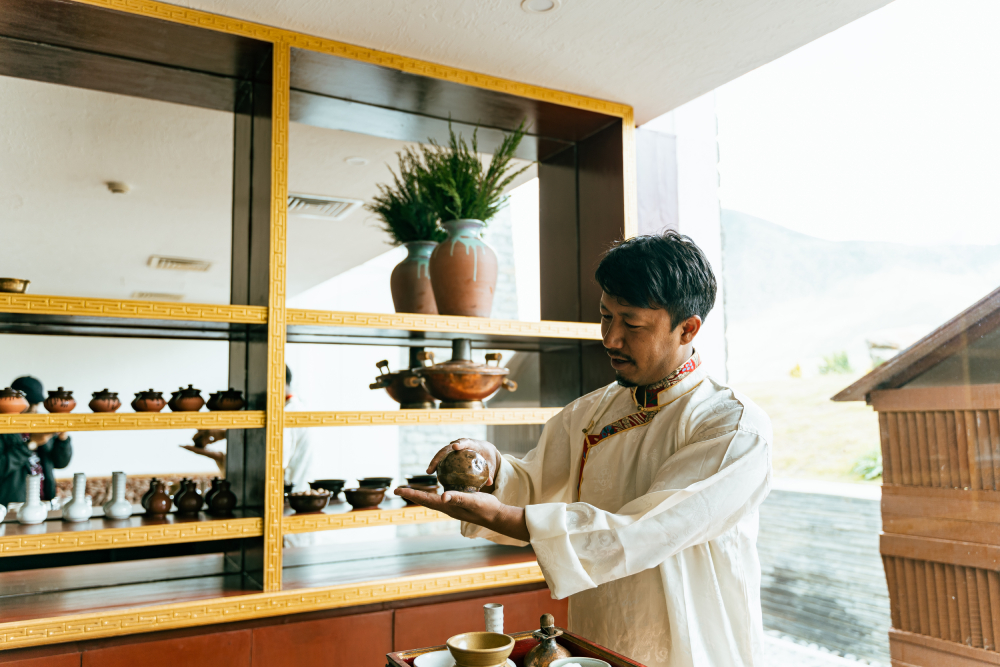
What makes it different from every other property on this list is the collaboration with an 11th-generation Tibetan Amchi, a traditional doctor who runs personalised consultations rooted in centuries-old Tibetan medicine. That's not a spa treatment adapted for tourists — it's an actual lineage practice, delivered by someone trained in it since childhood. Twenty-nine suites, floor-to-ceiling views of the Kali Gandaki valley and Nilgiri, and a five-night stay is the right length to let the Amchi's program actually do something rather than just sample it.
Happy House, Phaplu — wellness with real history attached, not staged history
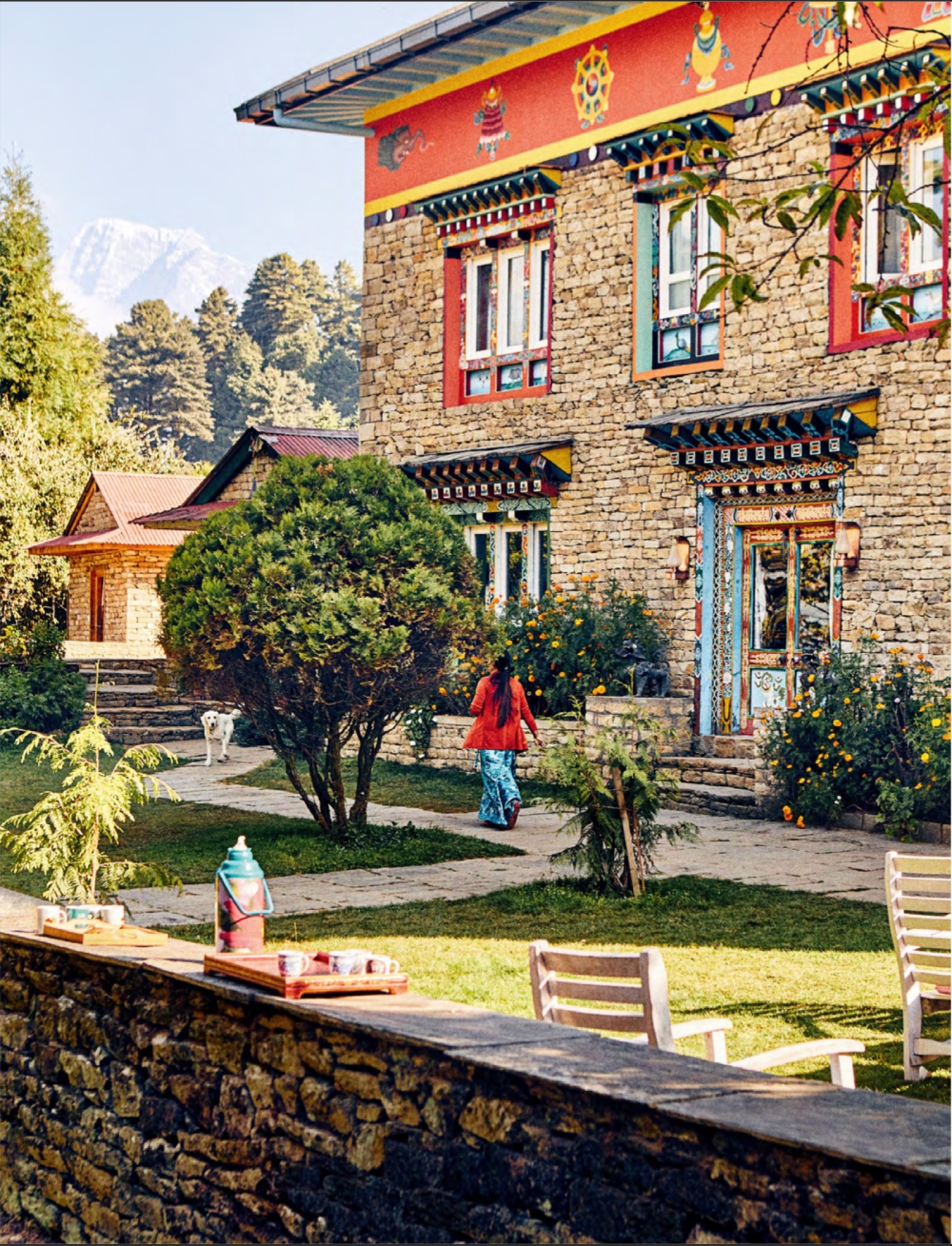
Sir Edmund Hillary unofficially called this his "happy house" in Nepal, and the Phaplu Hospital he helped establish sits nearby — a place guests can actually visit, not a plaque behind glass. Our team has vetted the property directly, and the wellness register here is quieter and less programmatic than the others on this list: a hike to Ratnange Ridge to sleep under the stars, lunch with the monks at Chiwong Monastery. It's a strong fit for a client who wants history and stillness over a structured spa program. Seven days is right — this isn't a place to rush.
What Luxury Wellness in the Himalayas Actually Costs
| Property | Per-night range (before tax, per 2 people) |
|---|---|
| Six Senses Bhutan (lodge suite) | USD 1,57++5–2,130++(per 2 persons, per night) |
| Amankora | USD 2,050++–2,850++(per 2 persons, per night) |
| COMO Uma | USD 840++–2,915++(per 2 persons, per night) |
| &Beyond Punakha River Lodge | USD 953++–1,300++(per 2 persons, per night) |
| Bhutan Spirit Sanctuary | USD 820++–1,179++(per 2 persons, per night) |
| Shinta Mani Mustang | From USD 1,800++ (per person, single-property rate) |
Note: Six Senses and Amankora figures are per lodge suite/night; COMO Uma, &Beyond, and Bhutan Spirit Sanctuary rates shown are per night for two people, "++" reflecting service charge and tax added on top. Shinta Mani Mustang's figure is quoted per night per person on our existing pricing. Rates aren't on a single consistent basis across all six properties — confirm exact terms for your dates when you enquire.
Worth calling out directly: COMO Uma's range is unusually wide — USD 840++ at the low end to USD 2,915++ at the top — because it spans standard rooms up to the largest suites/villas across both Paro and Punakha. Don't anchor on either end without specifying room category and season.
Also worth noting for positioning: at the low end, &Beyond, COMO Uma, and Bhutan Spirit Sanctuary all undercut Six Senses' entry tier meaningfully — useful for a client who wants the Bhutan wellness experience without Six Senses' or Amankora's price floor.
Rates shift by season and lodge. The number that actually matters is the one built for your dates — talk to us, and we'll quote it properly.
FAQs
What exactly is a luxury wellness retreat?
A stay where the wellness program — meditation, traditional medicine, spa therapy, curated nutrition — is built into the structure of each day, not offered as an optional extra alongside a standard hotel stay. The properties on this list are chosen because wellness shapes the itinerary, not the other way round.
Best luxury wellness retreats near Bhutan?
Six Senses (five lodges across the western and central valleys), Amankora, COMO Uma in Paro and Punakha, Bhutan Spirit Sanctuary in Paro, and &Beyond Punakha River Lodge. Full pricing breakdown here.
Best luxury wellness retreats near Nepal?
Shinta Mani Mustang in Lower Mustang and Pavilions Himalayas in Pokhara are the strongest dedicated wellness properties. Happy House in Phaplu offers a quieter, history-led wellness experience for travellers who want fewer formal programs and more stillness.
How to choose a high-end wellness retreat for stress reduction?
Match the property to your actual state, not the marketing. If you're depleted and need structure, Bhutan Spirit Sanctuary's medically-led program works well. If you're overstimulated and need silence, Six Senses Gangtey or Shinta Mani Mustang. If you want movement alongside recovery, &Beyond Punakha.
Luxury wellness retreats with detox programs and healthy cuisine?
Bhutan Spirit Sanctuary runs the most structured program — daily Ayurvedic-adjacent therapy, herbal-only treatments, farm-to-table meals. Pavilions Himalayas in Nepal follows a similar farm-sourced model with cooking classes included.
How does Six Senses Bhutan compare to Amankora in price?
Six Senses starts lower — USD 1,575 versus Amankora's USD 2,050 at entry level — and both scale up from there. The gap isn't really about quality; it's wellness-as-structure (Six Senses) versus architecture-as-experience (Amankora). Full comparison.
How to book a luxury wellness retreat with spa services?
Direct booking is possible with most of these properties, but Bhutan legally requires a licensed guide and operator for all international visitors regardless of who books the room. Working with an operator from the start gets you itinerary sequencing, guide briefing, and flexibility if plans change on the ground — contact us for a personalised quote.
What are the typical inclusions at a luxury spa resort in the Himalayas?
All meals, non-alcoholic beverages, arrival rituals, and daily guided wellness activities are standard across every property on this list. Not included: Bhutan's SDF, visas, monument entries, and international/domestic flights — we build all of these into a quote up front.
Recommendations for top-tier wellness experiences in Asia?
Within the Himalayas specifically: Shinta Mani Mustang for lineage-based Tibetan medicine, Six Senses Gangtey for stillness, Bhutan Spirit Sanctuary for a structured medical-wellness program.
Compare prices for upscale health and relaxation retreats?
Bhutan properties run USD 1,575–2,850/night before the SDF. Nepal's Shinta Mani Mustang starts from USD 1,800/night. Other Nepal wellness properties (Pavilions Himalayas, Happy House) sit meaningfully lower — worth considering if Bhutan's per-night ceiling isn't the right fit for the trip.
Where to Go From Here
For Bhutan: Explore our Bhutan luxury tours — we'll sequence the lodges, handle the SDF and permits, and quote it honestly, including telling you when Six Senses beats Amankora for your specific trip.
For Nepal: Explore our Nepal wellness journey or customise a trip built around Shinta Mani Mustang, Pavilions Himalayas, or Happy House.
Tell me three things: how much time you have, what you're recovering from or moving toward, and whether design or depth matters more to you. I'll tell you exactly which lodge, in which order, and what it actually costs.