There's a version of a luxury Nepal tour where you barely touch the country.
You fly into Kathmandu, get transferred to a five-star hotel, see Boudhanath from behind a glass window in an air-conditioned vehicle, eat at a rooftop restaurant with mountain views, and fly home having had a comfortable trip. The hotels were excellent. The meals were good. Nothing went wrong.
You were never really in Nepal.
I've been coming here since I was thirteen years old. The first time I landed in Kathmandu — as a teenager from the UK, completely unprepared — something happened that I still can't fully explain. The noise, the smell of incense and diesel, the weight of the Himalayas somewhere behind the haze. The feeling that this place had been running on its own logic for thousands of years and had no particular need to explain itself to me. I was hooked immediately. Not despite the rawness of it — because of it.
That experience is what we're trying to give people. And it's the experience that most "luxury" Nepal operators are, quietly, trying to protect their clients from.
The Comfort Trap

Most operators define luxury the same way: better hotels, private transfers, and upgrading everything that could be uncomfortable. Remove friction. Smooth the edges.
The logic is understandable. Clients are paying significant amounts of money. They want to be looked after. Why would anyone pay a premium to be uncomfortable?
But here's the thing: comfort and experience are not the same thing. And when you optimise aggressively for the first, you often destroy the second.
I'll give you a specific example.
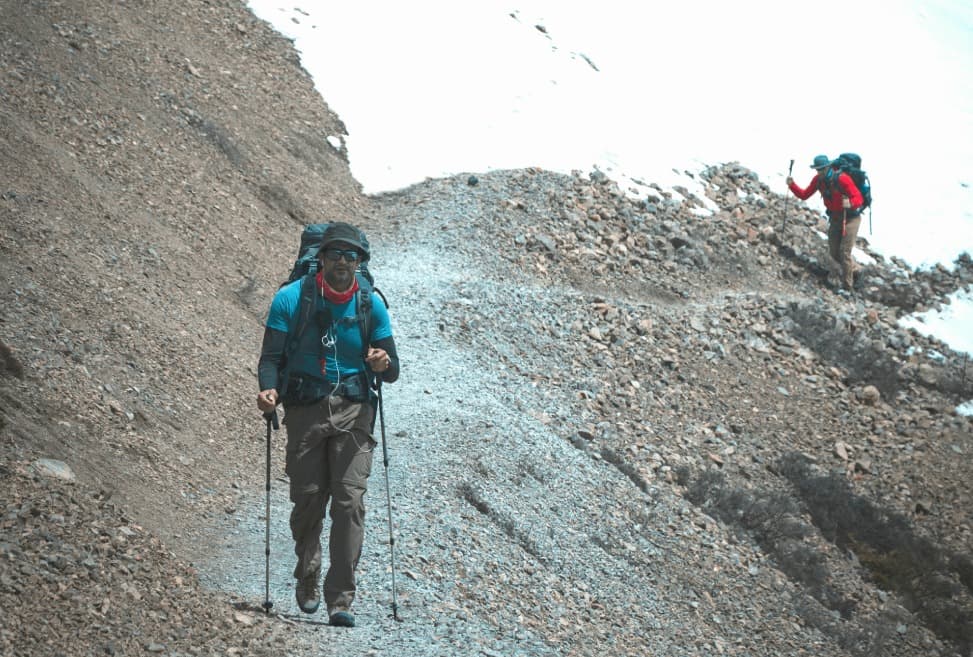
There's a version of the Everest Base Camp trek that looks, on paper, like a brilliant itinerary. Day 3 is "acclimatisation day in Namche." But the lodge chosen is the most convenient one—it has the most polished reviews, the best generator, and a reliable WiFi signal. It's positioned for operational ease, not for what it opens. So acclimatisation day becomes a rest day. Your clients sleep, eat at the lodge restaurant, and maybe walk to a viewpoint at sunset. They're comfortable. They're safe. They're isolated from the reason they came.
Now compare that to what happens when an acclimatisation day is built around access. The same lodge—tasty, good food—but positioned because it's in the right village. On that day, a guide brings the group to a Sherpa cooking class with a family he's known for eight years. Or to a monastery where the monks have agreed to sit with travellers because the relationship is real, not transactional. Or to a farmhouse where someone is processing yak cheese, and the conversation turns to what changed after the 2015 earthquake.
Same mountain. Same comfort level. Completely different experience.
The second trip wasn't uncomfortable. It had excellent lodges, good food, and a guide who read the group before they even knew they needed reading. But it didn't shield anyone from the destination. It placed them inside it.
That's the distinction we operate on.
What Authentic Luxury Actually Means
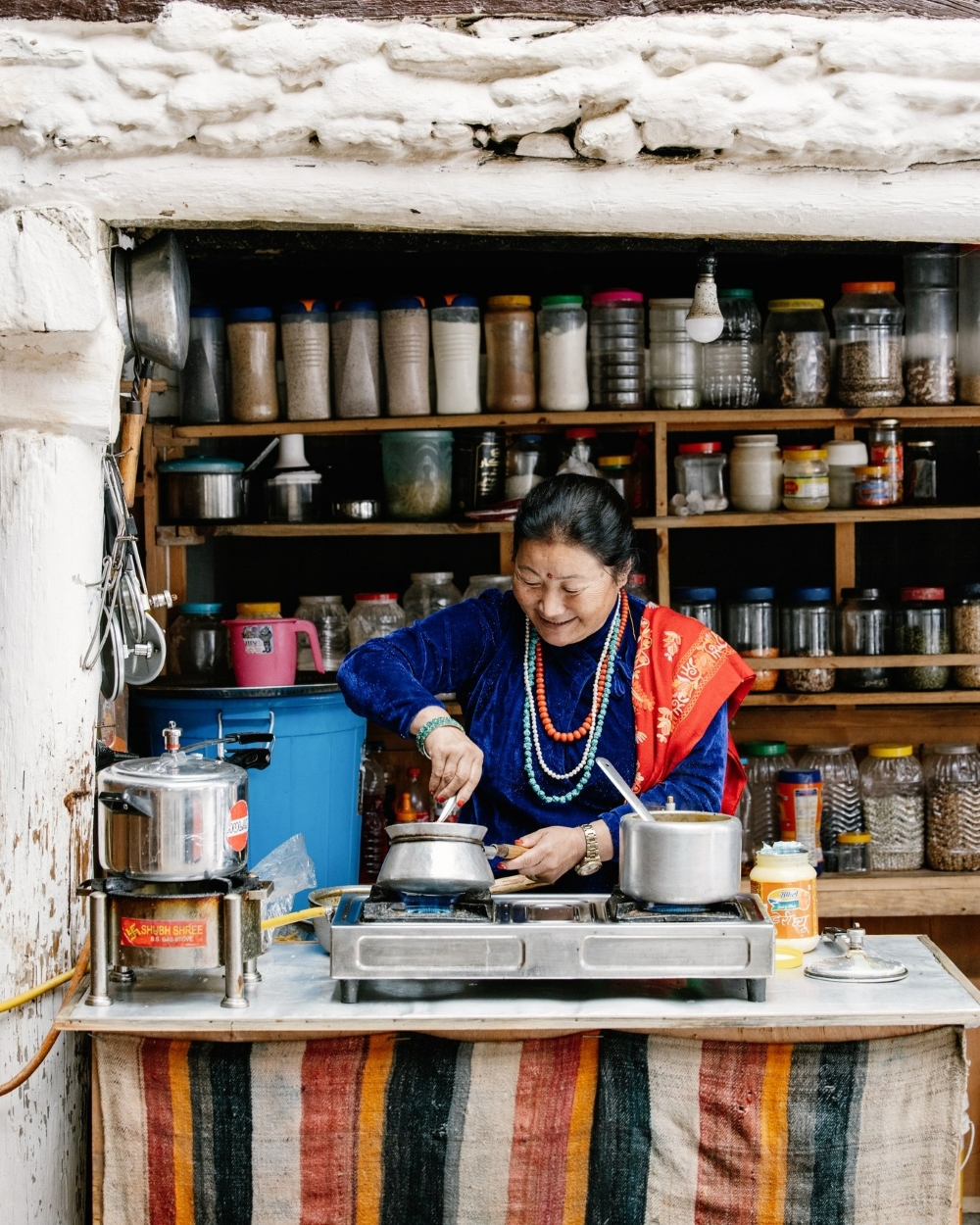
The word "luxury" in travel has been so thoroughly captured by the hotel industry that it's almost meaningless now. Thread count, spa treatments, infinity pools — things that belong in a resort in the Maldives, not in a village at 3,500 metres in the Khumbu Valley.
At ELH, when we talk about luxury, we mean something specific:
Luxury is the quality of access. Access to people, places, and moments that most travellers never reach — not because they're physically difficult, but because they require trust, relationships, and the right kind of presence.
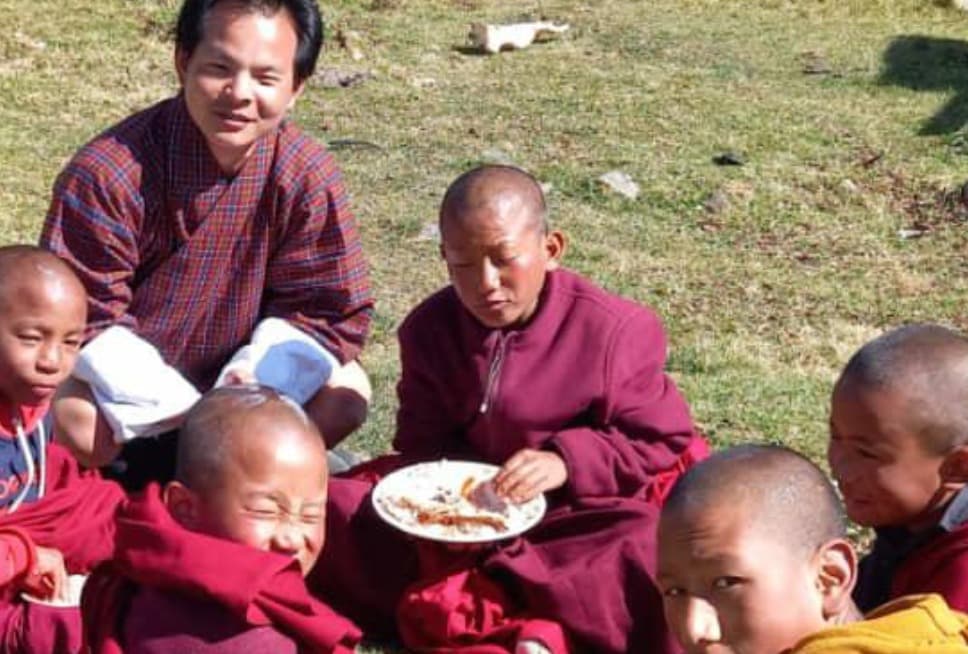
A monk in a monastery in Bhutan who agrees to sit with your group and talk, not as a performance but as a genuine conversation — that's luxury. You can't book it on a website. It happens because a guide has been coming to that monastery for six years and is welcomed there.
A farmhouse dinner in the Annapurna foothills, where the family has agreed to host because they know us, not because they're doing a 'cultural experience' package — that's luxury. The food is simple. The room is warm. What's happening at that table is irreplaceable.
The first morning in Patan, when the square is still mostly empty, and the light is doing something extraordinary to the Newari pagodas, and you understand why these buildings were made the way they were — that's luxury. Not a tour. An experience of a place.
None of these requires a five-star hotel. All of them require everything to be arranged correctly around them.
The Hierarchy of What Actually Matters
Here's how we think about building a trip, in order of importance:
The guide comes first. Every other decision is secondary. The guide is the person who determines whether any of what I just described actually happens. A brilliant itinerary run by the wrong guide is a wasted trip. A simple itinerary run by the right guide becomes something people talk about for a decade. We've written about how we select guides in detail here.
The experience design comes second. What are the two or three moments in this trip that will still matter in five years? We plan backwards from those. Everything else is logistics that support them.
The lodge comes third. Yes, the accommodation matters. Comfort enables depth — if someone is sleeping badly, they can't be fully present. But the lodge is chosen for its location and what it gives access to, not for its amenities alone. A lodge inside Chitwan National Park with basic but comfortable rooms beats a five-star property forty minutes outside it, every time.
The amenities come last. They matter. We take them seriously. But they are the last thing we design around, not the first.
This is the inversion most operators don't make. They lead with property. We lead with purpose.
Why This Is Harder to Deliver
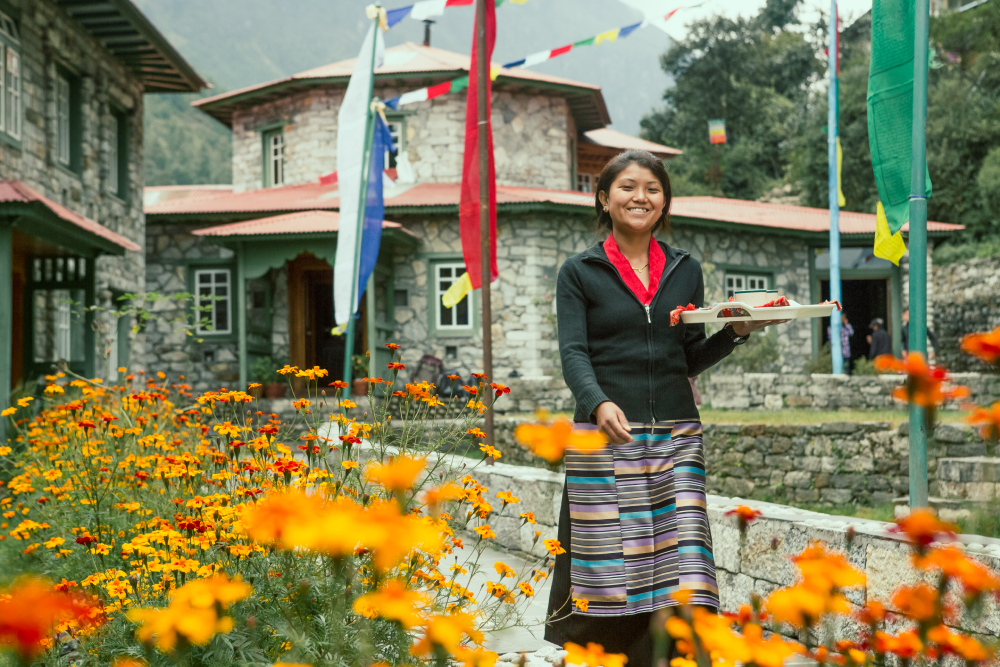
I want to be honest about something: the approach I'm describing is more difficult to execute than a comfort-led model.
Comfort is consistent. You can replicate a hotel standard. You can train a driver to be punctual. You can guarantee a thread count.
An authentic experience is not consistent in that way. It depends on relationships that take years to build. It depends on guides who are employed, trained, and treated as the core of the product — not as seasonal contractors shuffled between operators. It depends on knowing which family to visit in Mustang's Lo Manthang, and why that particular family's relationship to the ancient kingdom matters. It depends on someone like our senior guide, who has been doing the Everest Heritage Trail for long enough that he is greeted by name in villages along the route.
This is why, when you compare our pricing to other operators, you're not looking at a margin difference. You're looking at an operational difference. The cost reflects year-round guide employment, months of trip preparation, and a network of genuine community relationships that took a long time to build and would take a long time to rebuild if we abandoned them.
It also reflects what we refuse to compromise on. We will not send a guide who is technically certified but emotionally absent. We will not place a client in a lodge that photographs beautifully but sits in the wrong place. We will not build an itinerary around what looks impressive on a PDF rather than what actually lands in a person's memory.
The Difference You'll Feel
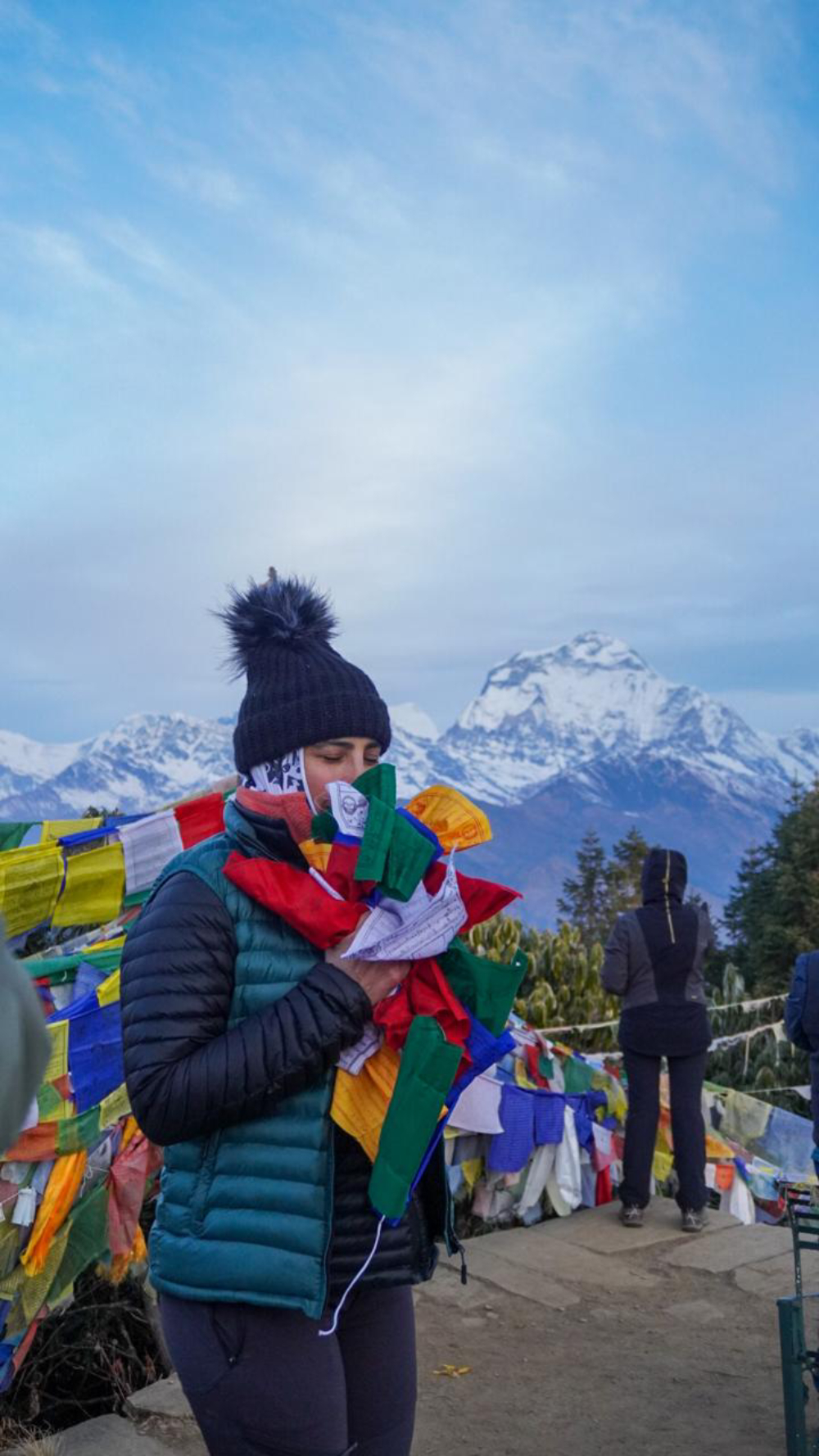
Most of our clients have travelled extensively. They've done Southeast Asia, East Africa, and Japan. They've stayed in beautiful properties. They've had guides. They know the difference between a trip that looked good and a trip that meant something.
They come to us because they've hit a ceiling on the former.
What they describe to us, after — and this is consistent — isn't the mountain views or the lodge in Namche Bazaar. It's the morning they had tea with a Sherpa family, and the conversation turned to what the mountains mean to the people who live under them. It's the moment in a dzong in Punakha when the light shifted, and something became very quiet inside them. It's a small thing their guide noticed and responded to before they'd even formed the thought themselves.
These are not luxury experiences in the traditional sense. They are something more valuable — experiences that change how a person relates to a place, and sometimes to themselves.
Nepal, done properly, has that effect on people. It had it on me at thirteen, and it still does.
The question is whether the way a trip is designed amplifies that effect — or quietly works to prevent it.
How We're Different, Specifically
If you're comparing operators, here are the concrete questions to ask:
On guides: How long have your guides been with you? What does your selection process look for beyond certifications? Do you have cultural guides as well as mountain guides? Can I speak with my guide before I travel?
On itinerary design: Can you explain why each element of my trip is there? What experience are you building toward? What would you take out if I asked you to deepen the trip rather than add to it?
On community access: What are the relationships behind this itinerary? Who have you spent years working with? What does authentic access look like for this particular destination?
On lodges: Why this lodge specifically? What does it give access to that a different property wouldn't?
If an operator answers these questions with specific stories — a guide's name, a community, a reason — you're talking to someone who builds trips the way we do. If the answers are marketing language, you're being sold comfort with a luxury label on it.
What This Means for Your Trip
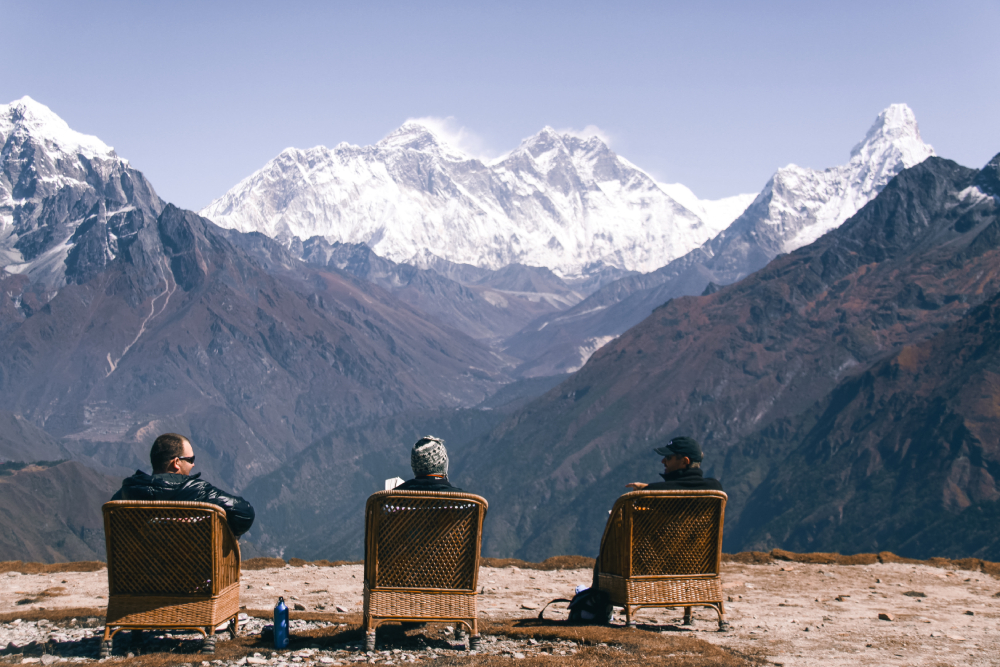
We design every trip — whether it's ten days across Nepal's cultural heartland, a trekking journey through the Annapurna region, or a carefully-built Bhutan experience — around one question:
Where will this person be placed inside the destination, and what will that do to them?
Not: How do we make this comfortable?
Not: What are the impressive things we can show them?
Those questions follow from the first one. Comfort exists so that the experience is possible. Impressive moments happen when the context is right. But the starting point is always the destination itself — its reality, its weight, its particular way of being — and how we put someone genuinely inside it.
If that's the kind of trip you're looking for, we should talk.
Explore how we design our Nepal experiences →