I get some version of "so which one's actually better?" almost every week, usually from a traveller who's already done the research — read the pricing, seen the photos, watched the same three YouTube videos everyone watches. It's the natural question. The real one is which kind of Bhutan you want: one continuous, held experience, or five distinct ones stitched together by a common thread. Mine lands on Six Senses, and site discipline is a big part of why.
I'll say it plainly, because most articles like this won't: if a client has no strong pull either way, I steer them toward Six Senses. That's not a dodge on the classic Six Senses Bhutan vs Amankora question — it's my actual answer, and here's why.
It comes down to something more specific than architecture or service style. Every Six Senses lodge sits pulled back from town, elevated, isolated — and that discipline holds across all five properties without exception. Amankora doesn't apply that same rule. It sells itself as a single consistent experience, but its actual site selection ranges from genuinely remote to just a short walk from a landmark, depending on the valley. Six Senses is consistent about its isolation. Amankora is less consistent than its own pitch admits.
That said, "better" isn't really the right word for either chain most of the time. It's the wrong question dressed up as a simple one — but the isolation point is the one thing I won't soften on.
For full pricing by lodge and season, see the Six Senses Bhutan price breakdown or the Amankora price breakdown. This piece isn't repeating those numbers — it's here to help you work out which one actually fits you.
The Real Differentiator Between Six Senses and Amankora: Site Discipline, Not Just Design
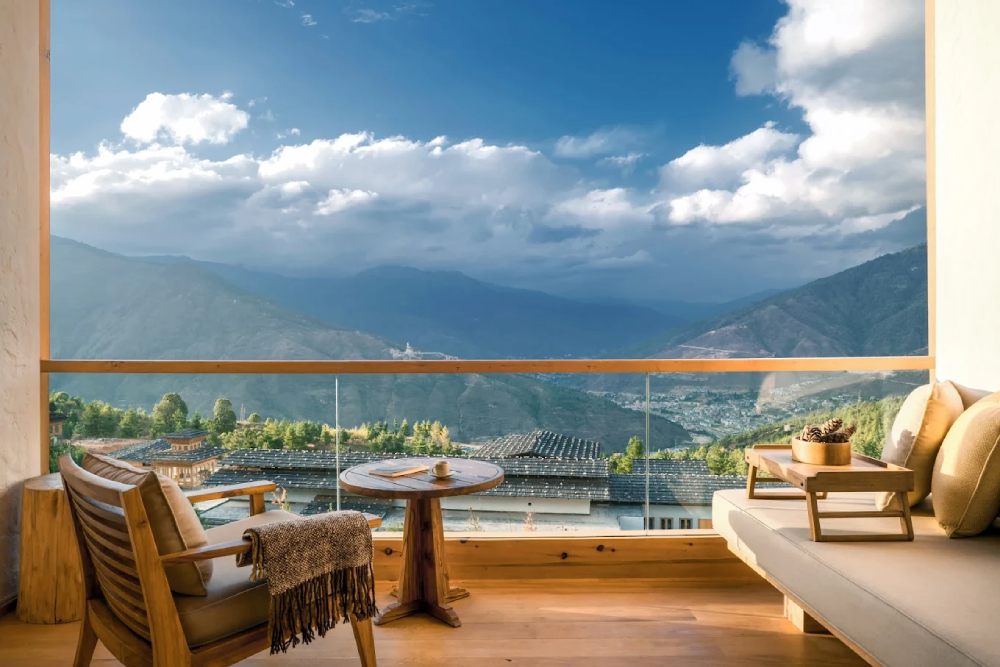
Most comparisons stop at architecture and service style. The one that actually matters more, in my experience on the ground, is simpler and less talked about: where each lodge chooses to sit relative to the place it's in.
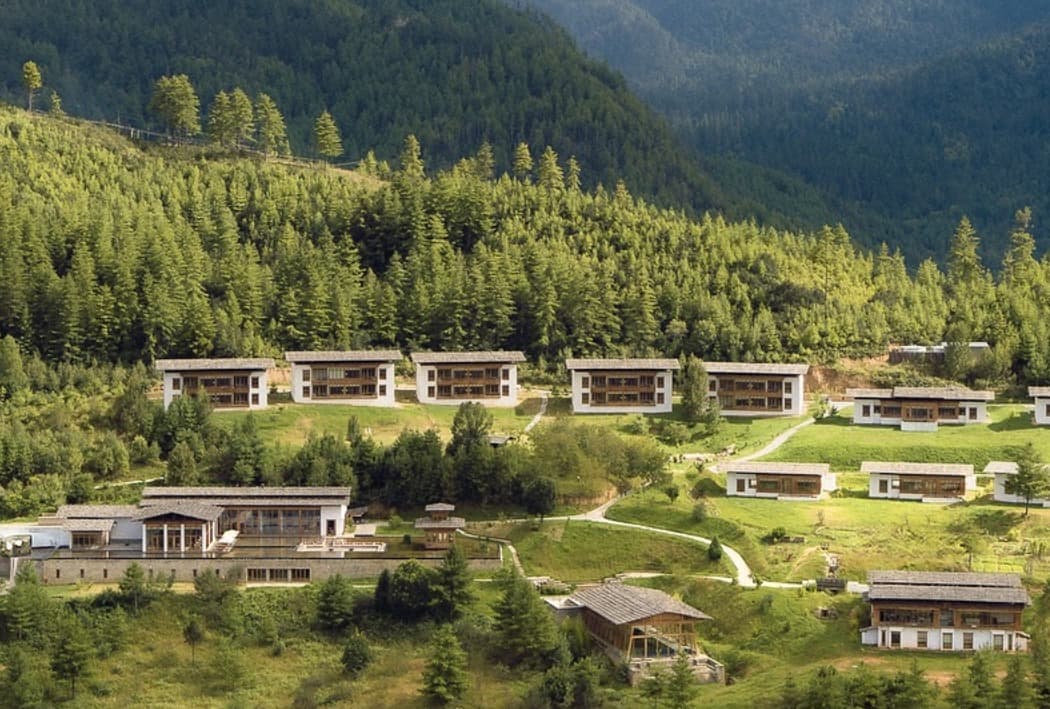
Six Senses holds a rule across all five valleys. Every lodge sits removed from the town centre — elevated, pulled back, isolated. That isolation is applied the same way every time, and it's precisely why the five properties end up feeling so different from each other despite sharing a brand name: each one answers to a different landscape, but the discipline of stepping back from it never changes. The location does the work. The lodge gets out of the way.
Six Senses rates shift meaningfully depending on season and which combination you choose — what a Six Senses Bhutan journey actually costs goes into that in detail.
Amankora doesn't hold that same discipline. The brand pitch is "one consistent experience, five valleys" — same architectural language, same rhythm, same fire-lit arrival. That part is real. But the actual relationship to place varies more than the pitch lets on: sometimes Amankora sits in genuine remoteness, sometimes it sits close to a landmark or town centre. The design stays constant. The geography doesn't. That's the quiet contradiction in Amankora's own promise of consistency — and it's the one place where Six Senses is actually more disciplined than the brand that markets itself on discipline.
Punakha is where you can see this most clearly, and it's worth walking through in detail before the rest of the valleys.
At a Glance
| Six Senses Bhutan | Amankora | |
|---|---|---|
| Core philosophy | Five distinct lodges, each shaped by its own valley | One consistent experience repeated across five valleys |
| Site discipline | Isolated, elevated, pulled back — every valley, no exceptions | Inconsistent — close to landmarks in some valleys, remote in others |
| Best suited to | Travellers are comfortable with a trip changing character as it moves | Travellers who want a held, reassuring throughline |
| Feels most like | Five different rooms in the same house | One story told in five chapters |
| Price per night (USD) | $1,575–$8,030 + taxes | $2050-$2850 + taxes |
| Valleys covered | Thimphu, Paro, Punakha, Gangtey, Bumthang | Thimphu, Paro, Punakha, Gangtey, Bumthang |
| Standout lodge | Thimphu — the "Palace in the Sky" above Buddha Dordenma | Paro — where Aman's philosophy is easiest to feel |
| Guide requirement | Licensed national guide, mandatory for all visitors | Same — Bhutan-wide requirement, not lodge-specific |
| Can be mixed with the other chain | Yes | Yes |
Lodge by Lodge: Where Discipline Shows Up, Valley by Valley
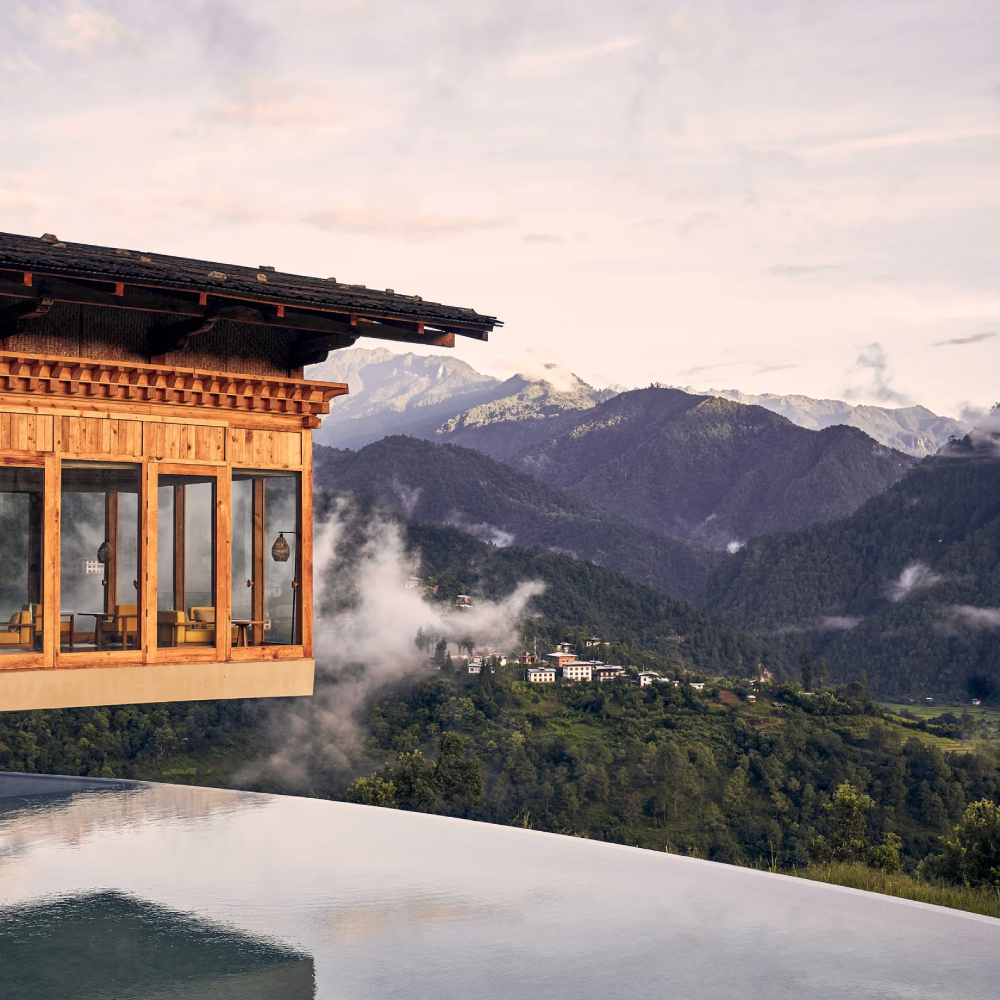
Thimphu. Six Senses Thimphu sits on a ridge above the capital, looking out toward the Buddha Dordenma — pulled back from the city entirely, which is the whole point. Guests call it the "Palace in the Sky," and the isolation is doing real work: you're removed from the noise of the capital, not from Bhutan itself. Amankora Thimphu takes the opposite approach here — it sits close to the city, functioning as the arrival lodge that eases first-timers and executives into the country before the circuit properly begins. That's the first crack in Amankora's "held consistency" pitch: the very first lodge in the journey is defined by proximity, not remoteness, even though four of the next five will lean the other way.
Paro. Amankora Paro is where the brand's philosophy is easiest to feel, and here the site selection actually supports the pitch — pine forest, real distance from the airport bustle, a lodge that asks you to sit still. It's the property I point to when a client asks what Amankora actually feels like, not just what it looks like in photos. Six Senses Paro holds its own rule too: valley-facing, spa-forward, built to send you out toward Tiger's Nest and welcome you back rather than hold you in place. Both chains get Paro right in their own register — this is the one valley where Amankora's consistency claim actually holds up.
Punakha. This is the clearest place in the whole circuit to see the pattern. Amankora Punakha sits close to Punakha Dzong itself — walking distance to the fortress and the suspension bridge crossing below it, genuinely inside the landmark's orbit. Six Senses Punakha does what Six Senses always does: it steps back and sits embedded in the valley's farmland and river terraces, apart from the dzong rather than beside it.
That's the pattern worth naming directly. Six Senses isolates every lodge the same way, in every valley, which is exactly why the five properties read as distinct despite sharing a brand name; each isolation answers to a different landscape, but the rule itself never bends. Amankora doesn't apply that same rule. It sits close to town here in Punakha but pulls into real remoteness elsewhere in the circuit, which quietly works against its own "one held experience" pitch. If you want to see Amankora's inconsistency and Six Senses' discipline side by side in a single valley, this is it.
Gangtey (Phobjikha Valley). Both chains have lodges looking down over Phobjikha — one of the only valleys in the world where black-necked cranes still winter undisturbed, and the one stop where the lodge should be doing the least talking. True to form, Six Senses Gangtey holds back from the valley floor, isolated enough that the cranes and the silence stay the main event rather than the lodge. Amankora Gangtey leans into the same intimacy the whole brand promises, and to its credit, this is one of the valleys where that promise and the geography actually line up. If your circuit only has one slow day built into it, this is the valley to spend it in — and it's a rare case where both chains earn the isolation, not just one of them.
Bumthang. Bumthang is where you understand why you came to Bhutan — not what to see, but why the trip mattered. A guide said that to me the first time I stayed here, and it's stuck with me since. This is Bhutan's spiritual heartland — temple-dense, unhurried — and both lodges sit at enough remove from the town that the valley's pace, not the property's amenities, is what reaches you first. Build Bumthang for the back half of any circuit, Six Senses or Amankora — arriving here too early, before you've adjusted to the country's rhythm, is the single most common sequencing mistake I see in itineraries I didn't design myself.
Which Traveller Suits Which Lodge
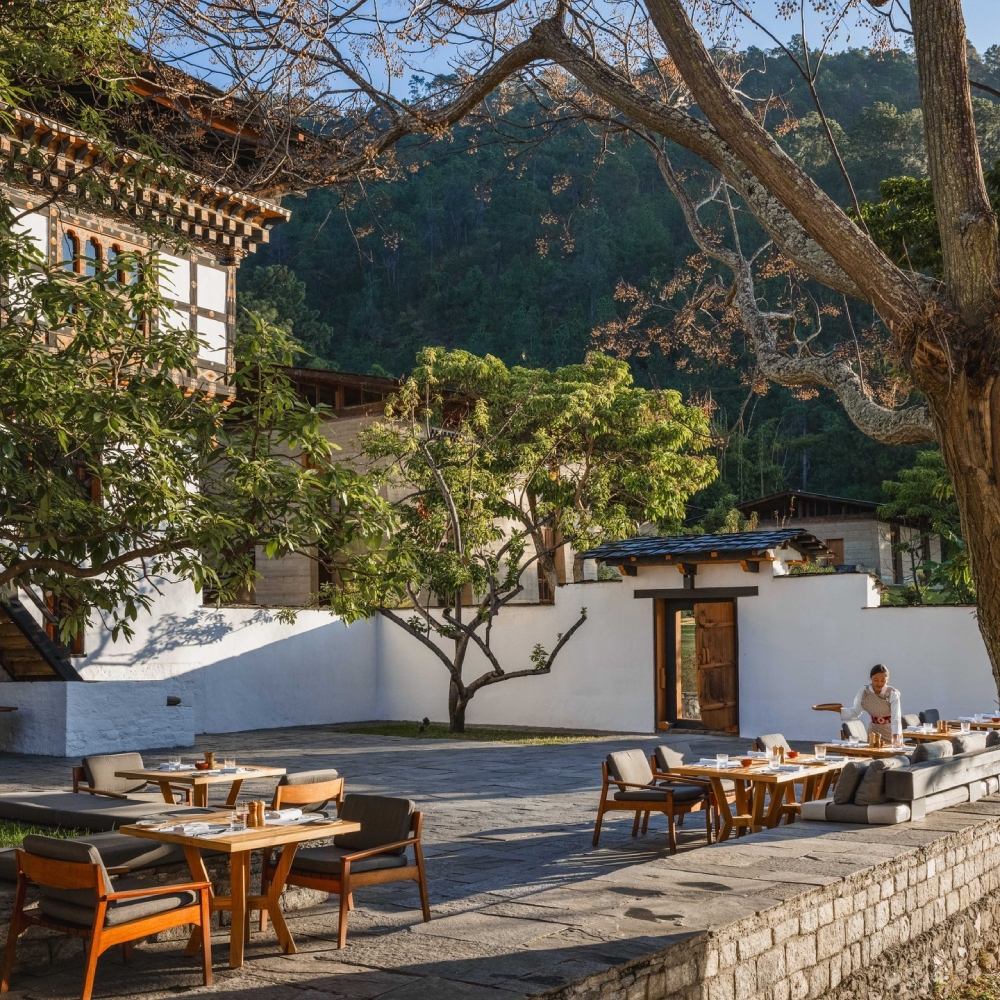
I don't sort clients by budget here — both chains sit in the same tier. I sort by temperament, and increasingly, by how much they care about the isolation question.
Amankora suits the traveller who wants the reassurance of a held hand: first-time visitors to Bhutan, honeymooners, and clients who want this particular trip to feel effortless. You'll never wonder what you're getting — the design language is the promise, even if the geography behind it shifts more than the marketing suggests.
Six Senses suits the traveller who notices when a lodge is genuinely apart from its surroundings, rather than merely dressed to look that way. Clients who've done Amankora somewhere else — Japan, Cambodia — and want Bhutan to feel like its own thing. Clients for whom "isolated" needs to actually mean isolated, every time, not just when the valley makes it easy.
Neither instinct is wrong. But if site discipline is the kind of detail you'd never have thought to ask about — and now can't stop noticing — that's usually the tell you're the second kind of traveller.
Can You Mix Both?
Yes — more clients do this than you'd expect once the option is on the table. A Thimphu-and-Paro stay at Six Senses, then a shift into Amankora for the deeper, quieter stretch through Punakha and Bumthang, gives you the range of one chain and the held consistency of the other, without forcing a single choice across the whole trip. It's more complex to book — different reservation systems, different lead times, occasionally different guide handoffs — which is where working with someone who does this daily earns its keep. Most operators send an itinerary PDF, confirm dates, and take payment. We spend weeks in conversation before a single lodge is booked, and your guide's only job on the ground is your journey — not six other groups that week.
If you're at the point of sequencing lodges and building the actual route, that's covered properly in how a luxury Bhutan tour comes together — guide assignment, pacing, and the decisions that happen before an itinerary exists.
Read the full case for combining Nepal and Bhutan into one journey.
FAQ
Is Six Senses Bhutan better than Amankora?
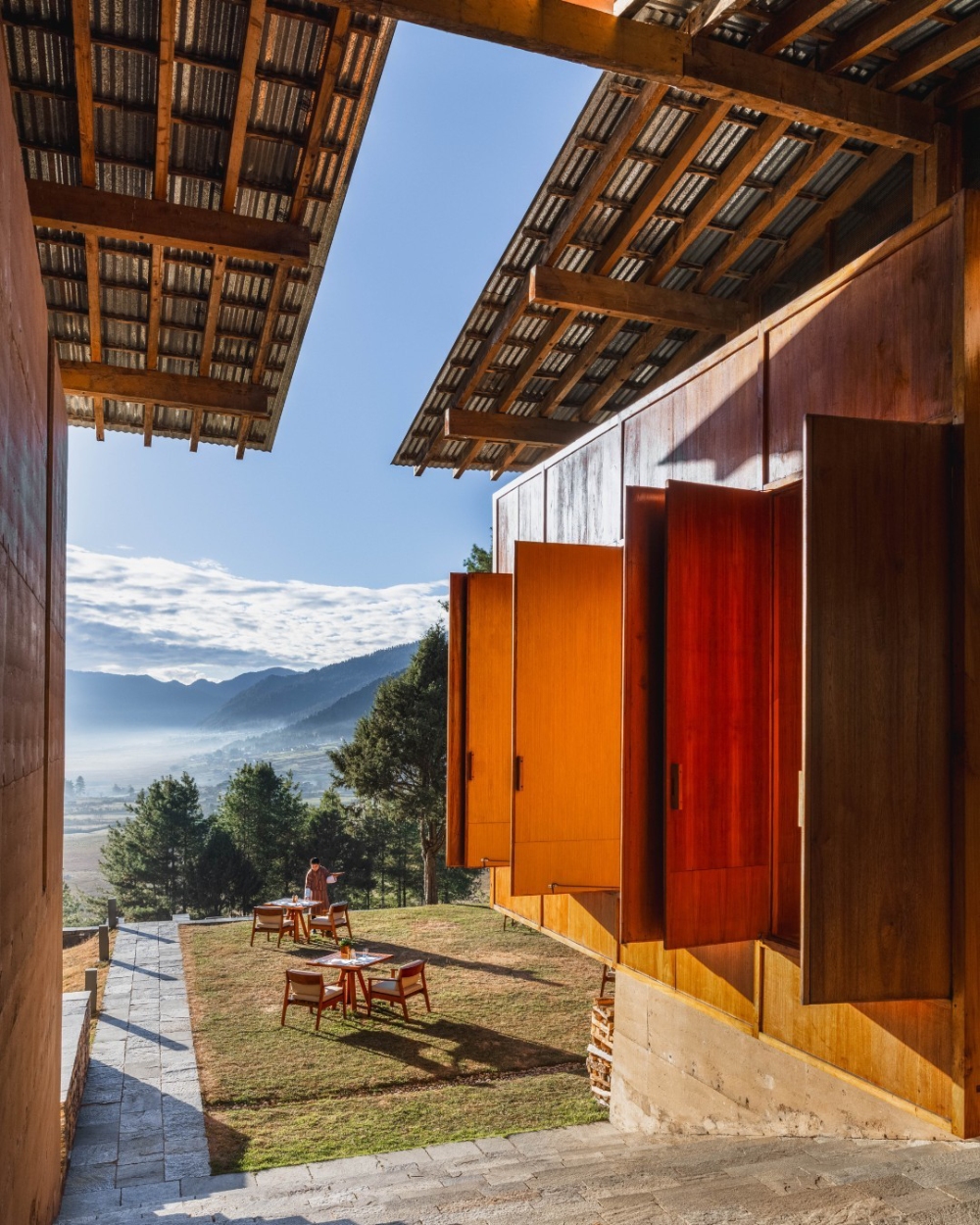
Not objectively, but I favour Six Senses, and the reason comes down to site discipline. Every Six Senses lodge sits isolated from its town centre, in every valley, without exception. Amankora's site selection is less consistent — close to landmarks in some valleys, remote in others — even though its brand promise is "one consistent experience."
Is Six Senses Bhutan better for a first-time visitor?
Not automatically. Amankora's consistency can lower first-trip uncertainty. But if isolation and a genuine sense of remove matter to you even on a first visit, Six Senses delivers that more reliably, valley to valley.
Which is more expensive, Six Senses Bhutan or Amankora?
Six Senses runs $1,575–$8,030 per night plus taxes; Amankora runs $2050-$2850 + taxes per night, depending on group size and privacy level. Both sit in the luxury tier — the gap is more about room category than brand.
Is Six Senses Bhutan more isolated than Amankora?
Consistently, yes. Six Senses applies the same rule at every lodge. Amankora's site selection varies more than its "held consistency" pitch suggests.
Can I combine Six Senses and Amankora in one Bhutan trip?
Yes. It's more complex to arrange since the two operate on separate booking systems, but a mixed circuit is a legitimate, increasingly common way to build a longer Bhutan itinerary.
A Note Before You Choose
Neither of these chains is a shortcut to a good trip. The lodge sets the tone; the guide, the pacing, and the gaps left unscheduled decide whether it actually lands. If you'd rather talk it through than decide from a comparison page — which valley first, which room category, whether a mixed circuit makes sense for your dates — get in touch and we'll figure out which one actually fits your trip.