Luxury travel in Bhutan isn't hotels versus lodges — it's access versus distance. A luxury hotel gives you comfort and keeps the country at arm's length. A luxury lodge in Bhutan gives you the same comfort and puts you inside the country. That's the entire difference, and once a traveller sees it, every generic "top luxury hotels in Bhutan" listicle starts reading the same — comfortable, forgettable, and slightly beside the point.
I still remember the first time I understood this, and it wasn't in Bhutan at all — it was years earlier in Nepal, age 13, the first time the Himalayas stopped being a photo and became a place I was standing inside. That feeling — of being in something rather than looking at it through glass — is the same thing I look for now when I'm deciding whether a Bhutanese property earns the word luxury. Most don't, not because they're not comfortable, but because comfort was the whole plan.
Luxury Hotels vs. Lodges in Bhutan: Why the Distinction Matters
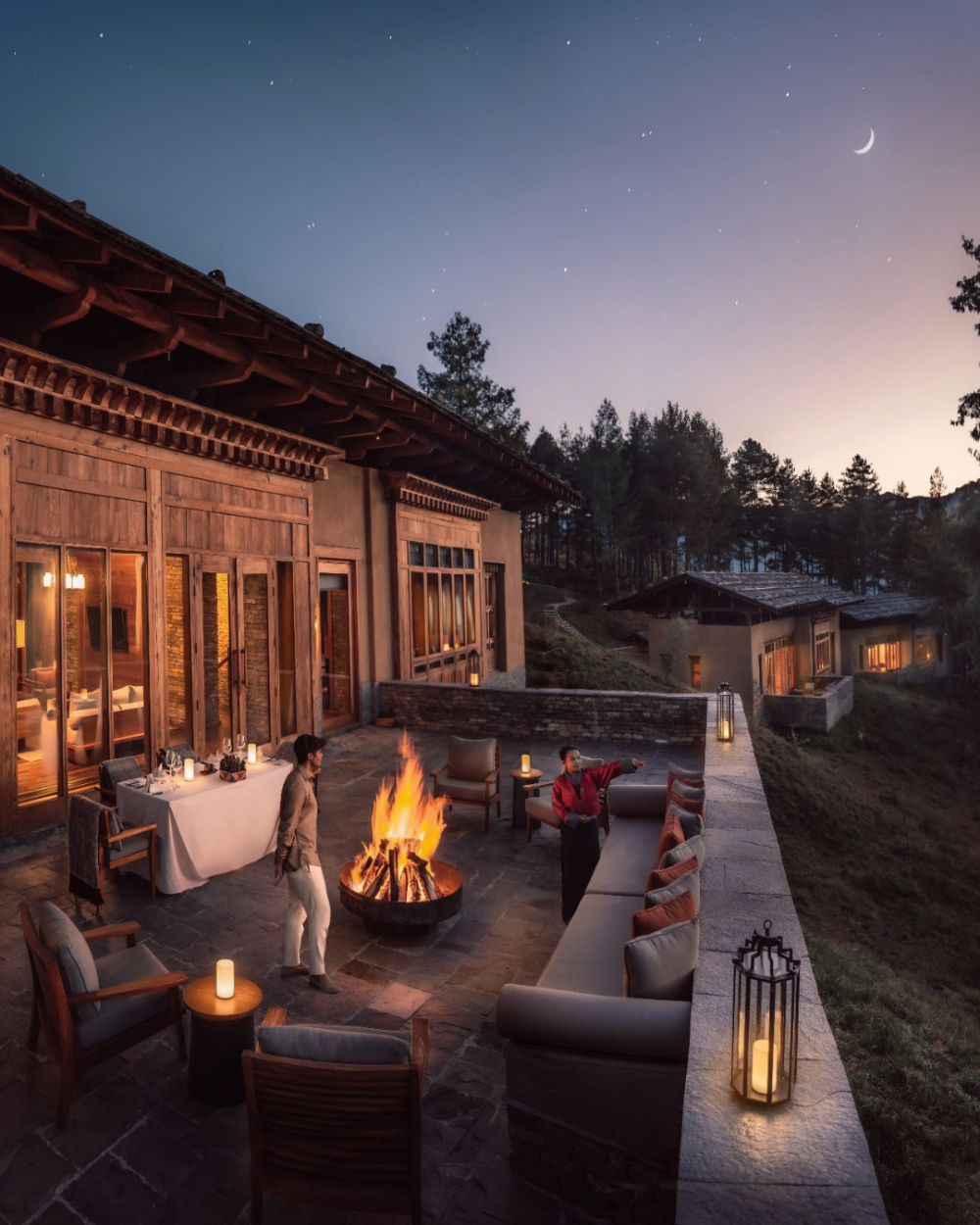
Here's the problem most travellers researching Bhutan run into without quite naming it: every result looks the same. Infinity pool, spa menu, five-star rating, repeated across a dozen sites with different logos. That language is a hotel definition, imported wholesale from Dubai or the Maldives, and it quietly trains travellers to shop for Bhutan the way they'd shop for a resort in the Seychelles — by amenity count. That's the wrong comparison.
Bhutan was never building hotels. It was protecting a way of life while letting a small number of people experience it properly, and that changes what luxury lodging should actually mean here.
A luxury hotel, anywhere in the world, is designed around itself — the property is the destination, and the surrounding place is scenery outside the window. A luxury lodge in Bhutan, done right, is designed around what's outside it. The building disappears into being a base: somewhere to sleep well, eat properly, recover from a day on mountain roads — not the point of the trip.
What Luxury Travel in Bhutan Actually Means
What Luxury Lodging in Bhutan Actually Means
So what does luxury lodging in Bhutan mean, if not amenities?
It means comfort that enables deeper access, not comfort that replaces it. It means the destination stays uncontrolled and real — doing what it was doing before you arrived, and what it'll keep doing after you leave — while you're given a comfortable enough base to go further into it, not further away from it.
This is where I'd point travellers toward Bhutan's own system, because I think most people misread it entirely. The Sustainable Development Fee and the mandatory guide requirement aren't a tax on luxury. They're the infrastructure of it — the reason the thing you're paying to see hasn't been worn down by the popularity that ruined it elsewhere. I've watched that erosion happen in parts of Nepal over twenty years: a place gets discovered, gets easy to reach, and slowly stops being the place people came for. Bhutan looked at that outcome in advance and built a system to avoid it.
(I go into the guide and permit mechanics behind this properly in Is Bhutan Safe to Travel? — worth reading if you're weighing that part of the decision.) The $100-a-night SDF isn't a fee you pay. It's a system you're allowed to participate in.
I think about it in one image, honestly. A guest at a five-star hotel elsewhere gets a chocolate on the pillow at turndown. A guest at a Bhutanese lodge gets a monk willing to sit down and actually talk with them. Neither costs the guest anything extra. Only one of those is still with you a decade later for more SDF guides.
What This Looks Like on the Ground
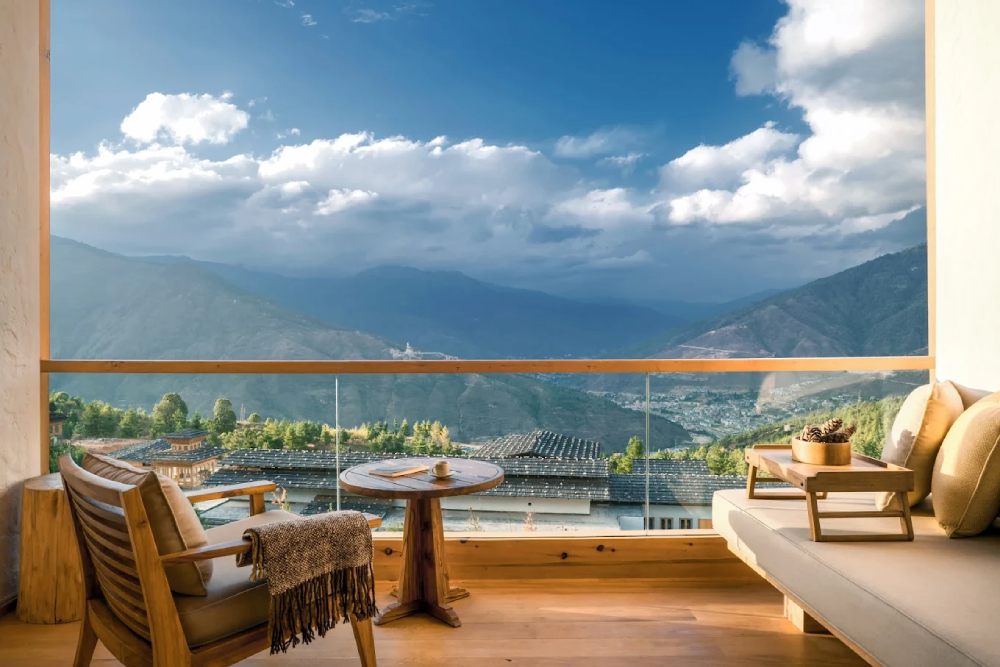
Six Senses Thimphu: Designed to Look Outward
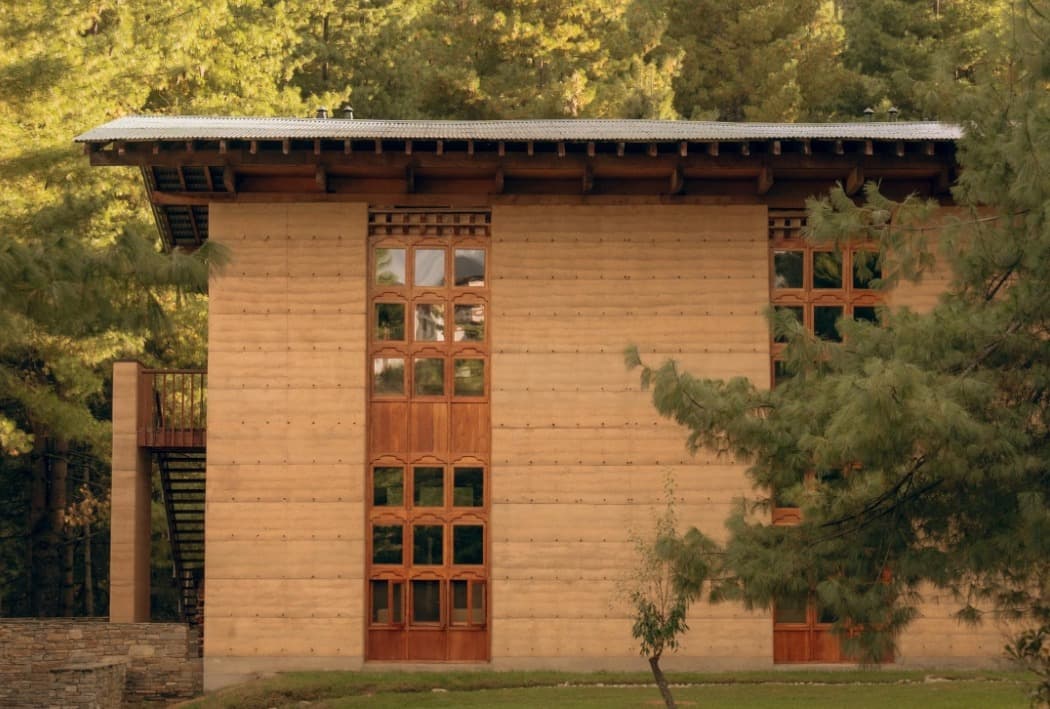
Six Senses Thimphu, up on its ridge above the valley — the "Palace in the Sky" name isn't just marketing copy, it's an architectural decision. The building faces outward. You spend your evening looking at the valley, not at the property's own amenities. That's a design choice most five-star properties elsewhere would never make, because most five-star properties want you looking at them.
It's genuinely one of my favourite properties anywhere, and not for the obvious reasons. They don't perform hospitality here — they remember it. Someone will recall what you ate two nights ago without being asked, or notice you skipped breakfast and quietly check in. That kind of attention doesn't wall you off from the place. It does the opposite — it makes you feel like you belong there, not like you're being managed through a stay.
Gangtey Lodge: What Happens When Nobody's Watching
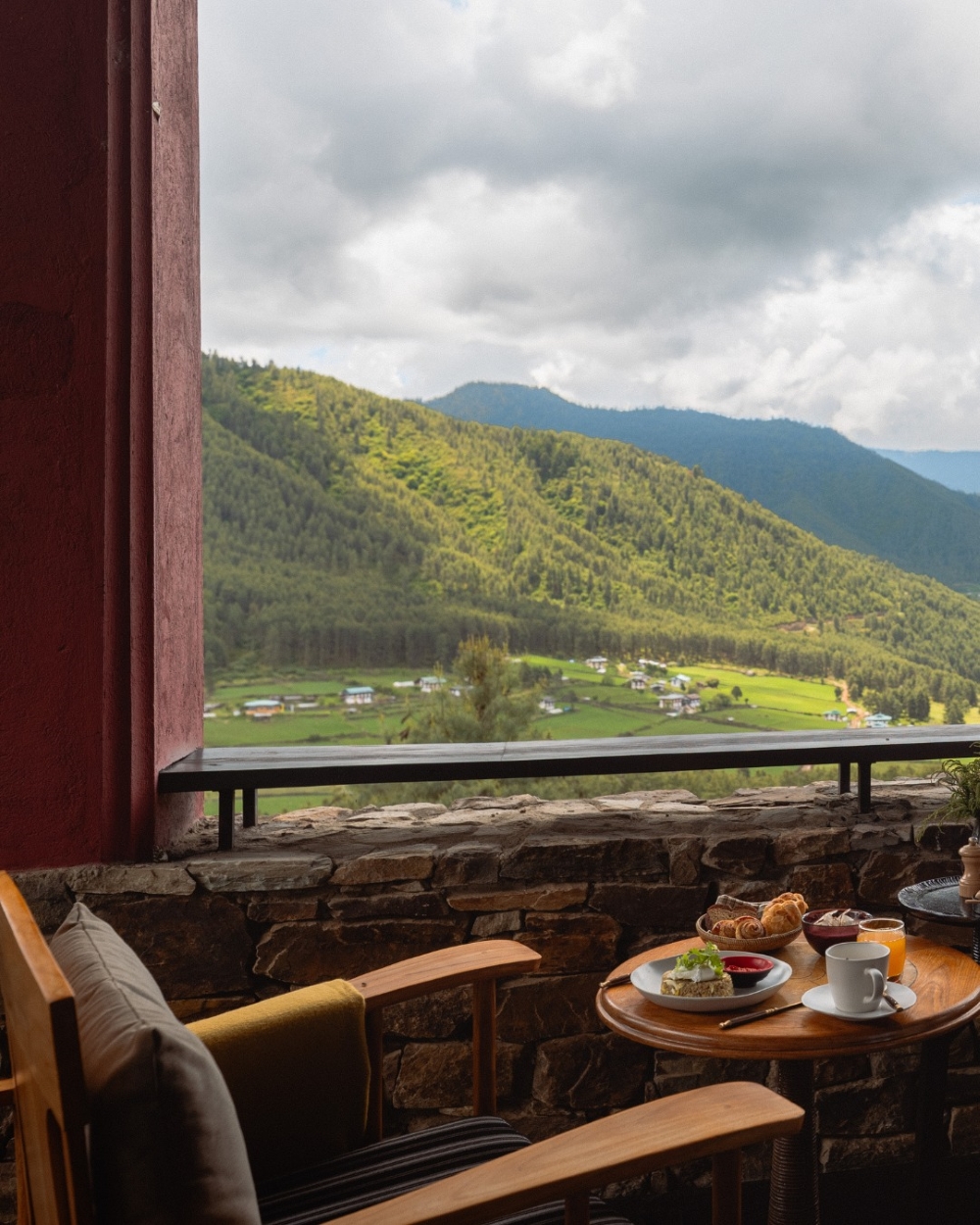
If Six Senses proves a famous name can still get the philosophy right, Gangtey Lodge proves you don't need the famous name at all. It sits above the Phobjikha valley, looking down over one of the only places in the world where black-necked cranes still winter undisturbed — and the lodge seems to understand its job is to stay out of the way of that. Fewer rooms, less noise, no attempt to compete with the valley for attention.
It's a property I'd put ahead of far more famous names for the right traveller — someone who wants stillness over spectacle, and who'd rather spend an evening watching cranes settle into the valley than photographing a lobby. It's not for everyone. That's exactly why it works.
A Guide Who Chose Bhutan Over a University Seat in Australia
Phub Tsering, who leads most of our Bhutan trips, was offered a place at a university in Australia at a point where most people would have taken it without thinking twice. He turned it down. Not because the offer wasn't good, but because staying in Bhutan and building a career as a guide mattered more to him than what that offer represented elsewhere.
I think about that decision every time a client asks for an "authentic" guide, because it's not something you can brief someone into. Phub isn't good at his job because he's been trained well, though he has. He's good at it because Bhutan was the thing he chose, deliberately, over an easier path — and that choice is legible in the way he leads a trip. Clients don't know Australia's story when they meet him. They just notice, usually within the first day, that he's not performing a role. He's showing them something he decided, years ago, was worth staying for.
That's the difference no lodge amenity can manufacture. You can build a beautiful property. You can't build a guide's reason for being there.
What Well-Travelled Clients Actually Notice
That's the piece that keeps surprising well-travelled clients, actually — the ones who've done the Maldives, done Dubai, done every five-star circuit there is, and arrive expecting more of the same, only slower. What changes their mind isn't a better hotel room. It's a guide who was briefed on them specifically, not running a fixed script for the fifteenth group that month. It's an empty morning left on purpose. It's a bowl of fruit arranged with more care than the view outside the window — a small human gesture that outlasts the mountain photo in memory, almost every time.
How to Tell the Difference When You're Choosing
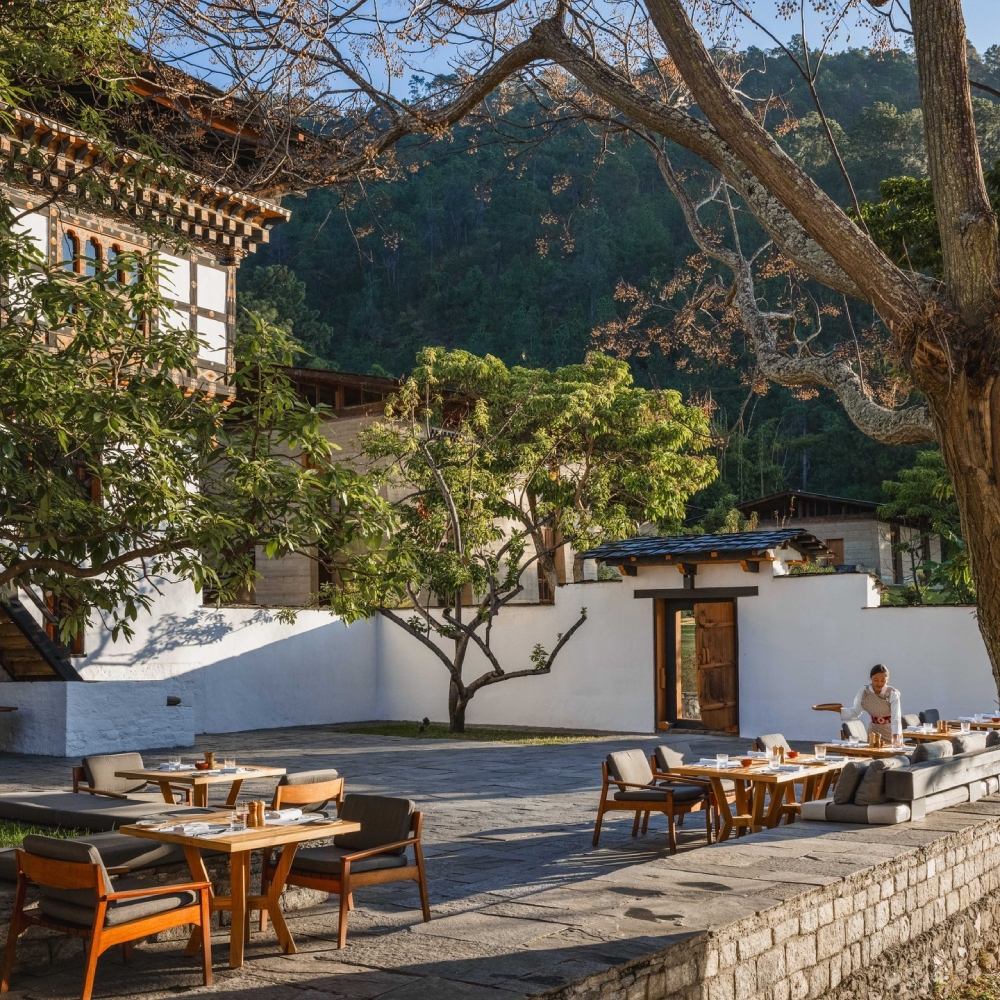
A few honest signals, if you're trying to sort real luxury lodging in Bhutan from the well-photographed kind.
Does the property's own marketing talk about the valley it sits in, or only about itself?
Interior photos only — pool, suite, spa — usually means the attention lives inside those walls, not outside them.
Does the itinerary include unstructured time, or is every hour accounted for?
A fully scripted week looks efficient on paper. It's usually the opposite of luxury in practice.
Is the guide briefed on you, specifically, or running the same script they run for every group?
You can normally tell within the first hour of meeting them.
None of these shows up on a star rating. All of them show up in what you remember afterwards. If you want the fuller framework for weighing one lodge or operator against another, that's here, our Bhutan.
Why I Design Trips This Way
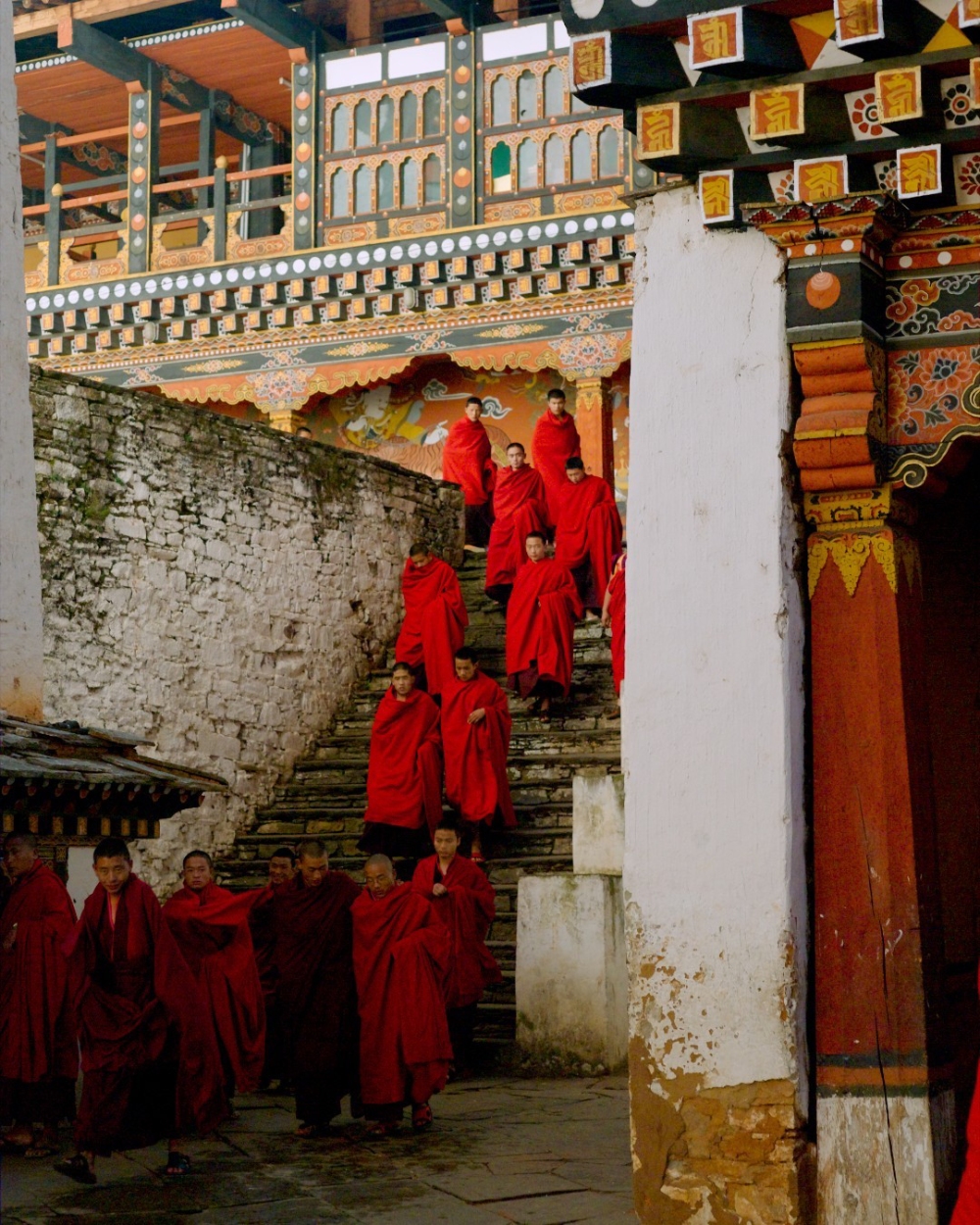
This is why I've never sold brand names. I sell fit — between a traveller and a place, between a lodge and what it's actually good for.
Famous vs. Right for You
Some guests want the Six Senses or Amankora circuit, and that's a legitimate, beautiful way to see Bhutan. Others want the kind of stay no five-star property could ever replicate — the one built around a specific guide, a specific pace, a specific kind of quiet. The job isn't recommending the famous option. It's helping a traveller figure out which one they actually want — often before they know how to ask for it.
If you're weighing where to stay in Bhutan and want to talk through what actually fits — not the famous name, but the right one for how you travel — that's a conversation I have with most of our guests before we build anything. Get in touch, and we'll figure it out together.
Why I Design Every Trip This Way
This is why I've never sold brand names. I sell fit — between a traveller and a place, between a lodge and what it's actually good for. Some guests want the Six Senses or Amankora circuit, and that's a legitimate, beautiful way to see Bhutan. Others want one farmhouse night in Ara that no five-star property could ever replicate. The job isn't recommending the famous option. It's helping a traveller figure out which one they actually want — often before they know how to ask for it.
FAQ
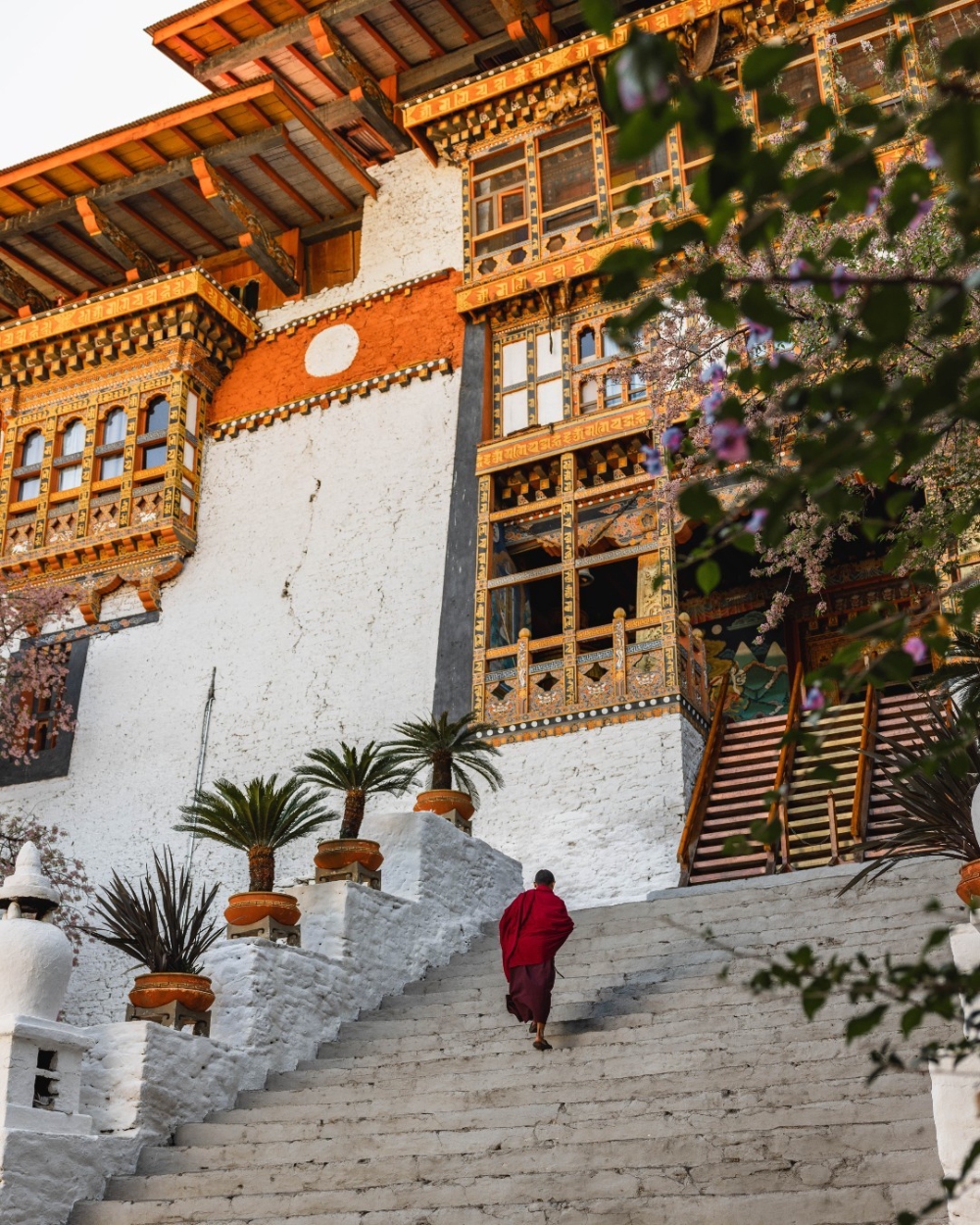
Is Bhutan's luxury travel expensive because of the SDF?
No — the SDF is a fixed daily fee, but it's not what drives Bhutan's cost. Lodge choice and itinerary design account for far more of the total price than the SDF does. I've had clients budget heavily for the SDF and then underspend on the part that actually shapes the trip — where they stay and how the days are built. (A full breakdown is in our Bhutan trip cost guide.)
What's the difference between a luxury hotel and a luxury lodge in Bhutan?
A luxury hotel is built around its own amenities — the property is designed to hold your attention inside it. A luxury lodge in Bhutan is built around the valley or village around it, using comfort to enable access rather than replace it. You can usually tell which one you're looking at from the photos alone, before you ever read the description.
What's the best luxury accommodation in Bhutan for a first-time traveller?
There isn't a single best property — it depends on whether you want a well-known circuit like Six Senses or Amankora, or a smaller, less famous lodge closer to daily village life. First-time travellers often default to the famous name because it feels safer, but the right choice really comes down to what kind of access matters more: comfort and continuity, or depth and unpredictability.
Do luxury lodges in Bhutan feel isolated from local life?
Not if they're chosen well. The best lodges sit close enough to villages and monasteries that daily life continues around you — farmers, prayer flags, morning routines — rather than sealing you off from it. The isolated feeling usually comes from the itinerary, not the lodge itself: a fully scripted day leaves no room to notice any of it.
Conclusion
Luxury in Bhutan was never going to look like luxury anywhere else, and that's the point. It's not measured in thread count or star ratings — it's measured in how close you're allowed to stand to something real. Choose lodging with that in mind, and the rest of the trip tends to take care of itself.