The difference between reaching Base Camp and returning transformed isn't the altitude. It's the lodge you rest in each night.
When people ask which lodge to choose on the Everest Base Camp Trek, they expect a ranked list. But that's not how it works. I've stayed in every lodge I recommend, often twice.
After 3+ years in Khumbu, I've learned this: the best lodge for you isn't about the highest price tag or the fanciest name. It's about what your body needs on that specific night at that specific altitude.
Most operators hand you a spreadsheet. We design the experience around the culture, the people, and the science of acclimatisation.
The Reality of Lodging in the Khumbu at 2,600m–3,880m
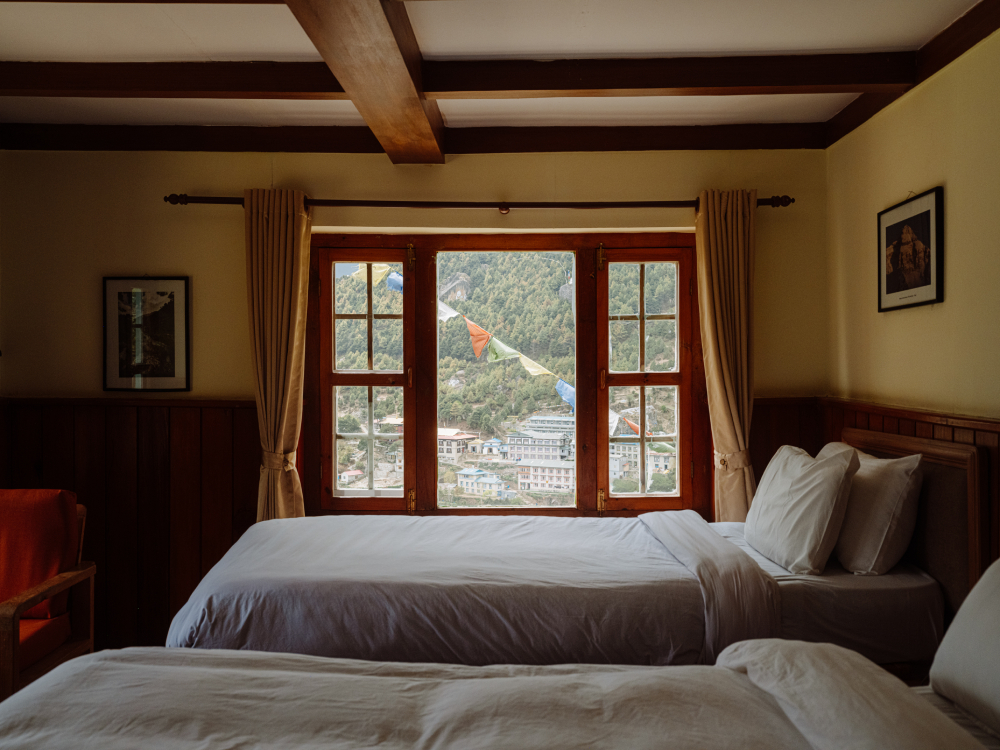
There's a critical fact no one mentions: there are no family-run luxury hotels until Dingboche. Before that, every lodge exists for a single reason—to serve trekkers moving through the valley. That distinction matters. It means the operational standards are professional. It also means the places I choose to send you to are built specifically for this work, not adapted from something else.
Luxury in the Khumbu isn't about marble or lobby art. Luxury is an infrastructure that lets you rest. At 3,500 meters, a heated bed isn't a comfort—it's logistics. Warm water isn't a nice-to-have—it's recovery. Quiet isn't a preference—it's oxygen preservation. A lodge is only as good as its worst moment. The properties below are reliable even during the busiest weeks of May and October.
Every lodge I recommend sits between 2,610m (Phakding) and 3,980m (Tengboche). At these elevations, everything is harder. Materials come by hand or by helicopter. Power runs on small generators. Water freezes in pipes. A lodge must solve these problems consistently, or it fails.
How Altitude Affects Your Body—And Why Lodge Choice Matters
Before we talk about lodges, understand this: your choice of accommodation is acclimatisation equipment.
At high altitude, your body burns oxygen just to stay warm. If your room is cold, you waste energy that should go toward blood oxygenation. A heated bed isn't a luxury—it's physiology. Deep, warm sleep helps your lungs and heart adapt faster. You wake stronger because your body has recovered instead of fighting.
Nutrition also depends on your lodge. In a freezing dining room, most trekkers eat quickly and retreat. In a warm lodge with Sherpa-trained kitchens, you sit longer and eat better. That fuel directly repairs muscle damage from climbing. The difference between a good acclimatisation day and a weak one often comes down to whether you slept warm and ate well.
Mental fatigue is the third factor. Dealing with cold showers, drafty rooms, and constant discomfort drains your psychological battery. When your environment removes these small stressors, your mind stays sharp. You climb stronger because you're not mentally exhausted.
The lodges below work together as a system. Each one is positioned to support your body at a specific stage of the climb.
Mountain Lodges of Nepal (MLN): The Operational Backbone
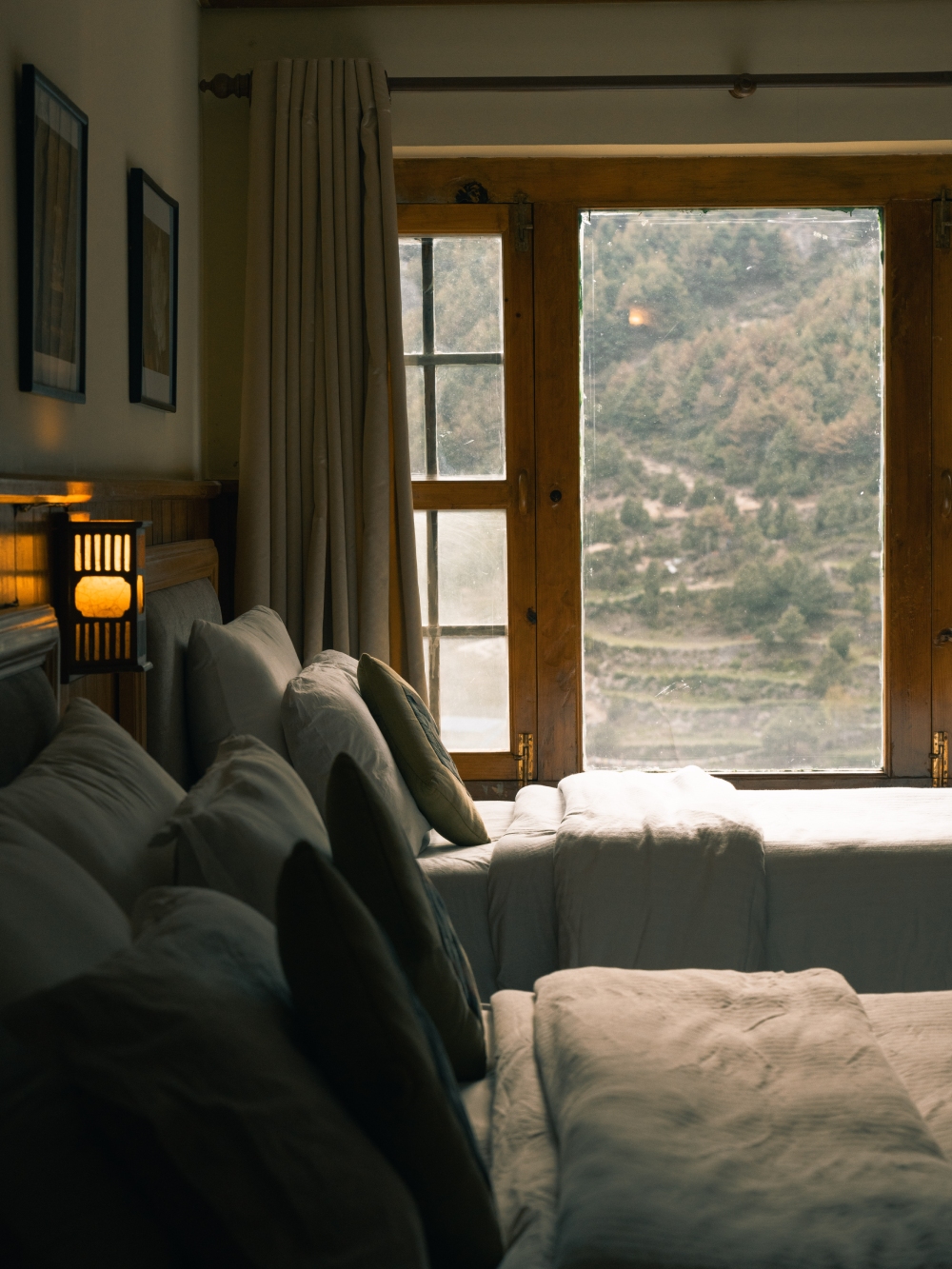
MLN operates in Lukla, Phakding, Monjo, Namche, and Deboche. They didn't invent luxury lodging on Everest, but they made it reliable—and that reliability is the foundation of everything.
Walk into any MLN property, and you feel the difference immediately. The heating system isn't an afterthought—it's engineered. Sealed windows. Stone walls. Insulation that actually works. Every room has an electric blanket. I've slept in MLN properties in January, April, and October. The temperature never betrays you.
What people don't see: Their kitchen operations. The head chefs trained under Sherpa hospitality standards that predate the trek industry by decades. The food isn't fancy—it's correct. Every dal is salted correctly. Vegetables are stored properly. Giardia doesn't exist in MLN properties because the food safety protocols come from people who've dealt with altitude sickness for generations.
Their staff is predominantly Sherpa, which means the service style is shaped by local culture, not imported from outside. You get quiet evenings, attentive care without intrusiveness, and a genuine sense of place rather than isolation.
Why do you book MLN
You want the same quality of sleep in Monjo as you do in Namche
You understand that consistent rest at 3,500m is non-negotiable
You value Sherpa-led operations over international management
Limitations: They book out fast in peak season (April, May, October). Plan 4–6 months ahead.
Where MLN fits in your trek
Phakding (2,610m): First night—acclimatisation begins here
Monjo (2,835m): Second night—quiet recovery before Namche climb (in case you'd want to break a day)
Namche Bazaar (3,440m): Two nights—the acclimatisation hub; MLN is the best choice
Deboche (3,860m): One night before Tengboche
Everest Summit Lodges: Modern Design for High-Altitude Recovery
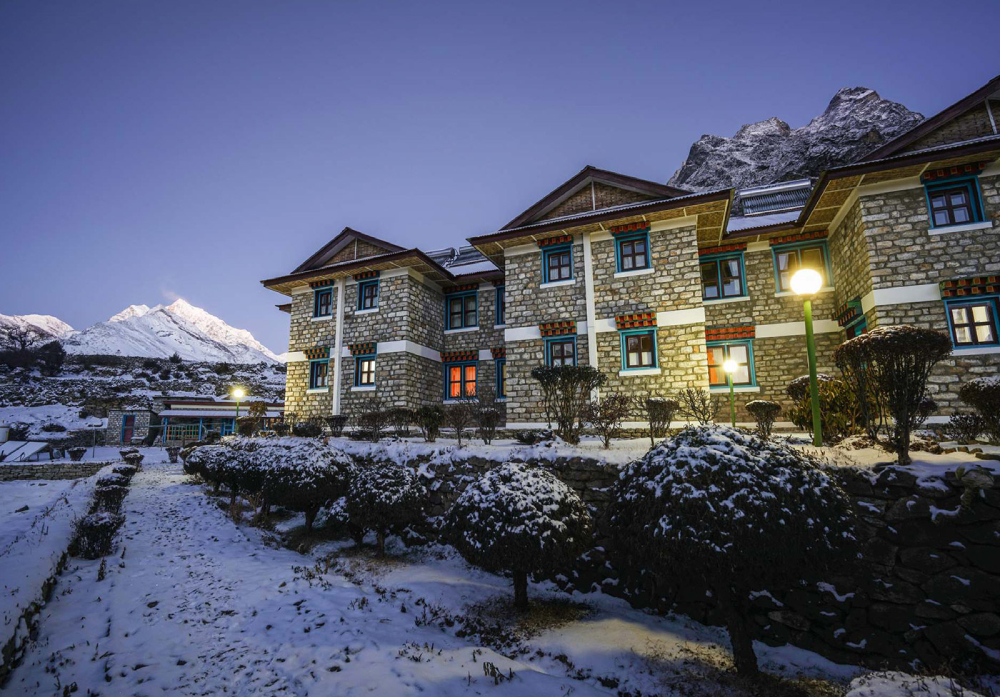
Everest Summit Lodges is newer than MLN, offering a contemporary alternative in Lukla, Monjo, Mende, and Tashinga. I was sceptical when they opened—new isn't always better in the mountains. But they've done something genuinely thoughtful.
From the outside, they look like traditional Sherpa homes. Stone, wood, proportional to the village scale. Inside, the engineering is modern. Heated floors in premium rooms. Air quality systems that function at altitude. Thick stone walls and pine wood interiors trap heat efficiently. The rooms are smaller than MLN's, but that's deliberate—less volume to heat, more control, and lower operational complexity.
Their strength lies in placement. The Mende lodge sits off the main trail. You're a five-minute walk from the village, but removed from the noise. After five hours of climbing, you don't want 200 trekkers outside your window. This design choice is subtle but transforms your evening.
Why would you choose Everest Summit
You want fewer people per lodge (small, intimate properties only)
You value quietness over social atmosphere
You appreciate modern heating and engineering
You're planning ahead (they fill fast)
Limitations: Less historical recognition than MLN, smaller inventory, and strict booking timeline.
Where Everest Summit Lodge fits
Monjo (2,835m): Perfect for a quiet recovery night
Tashinga (3,950m): Alternative to Deboche if you want to avoid crowds
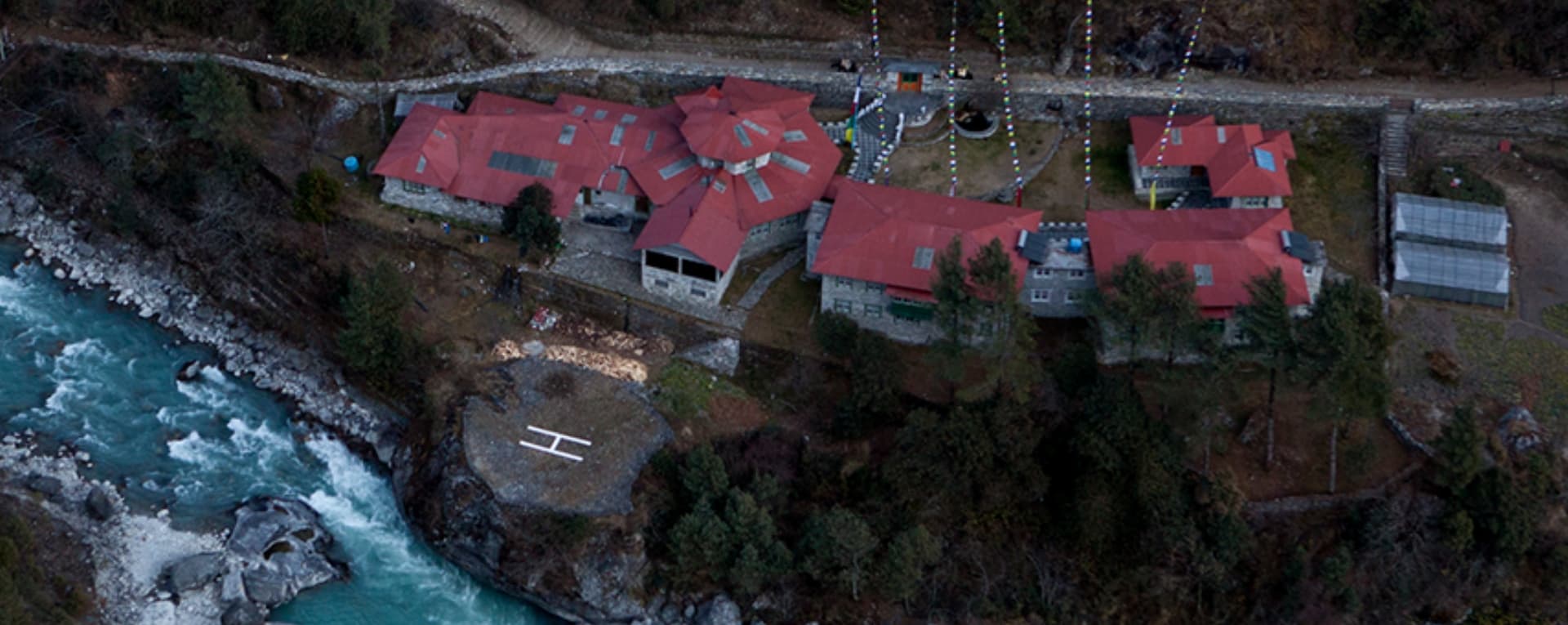
The Himalayan Luxury Lodge of Everest: Phakding & Tengboche—Where You Need It Most
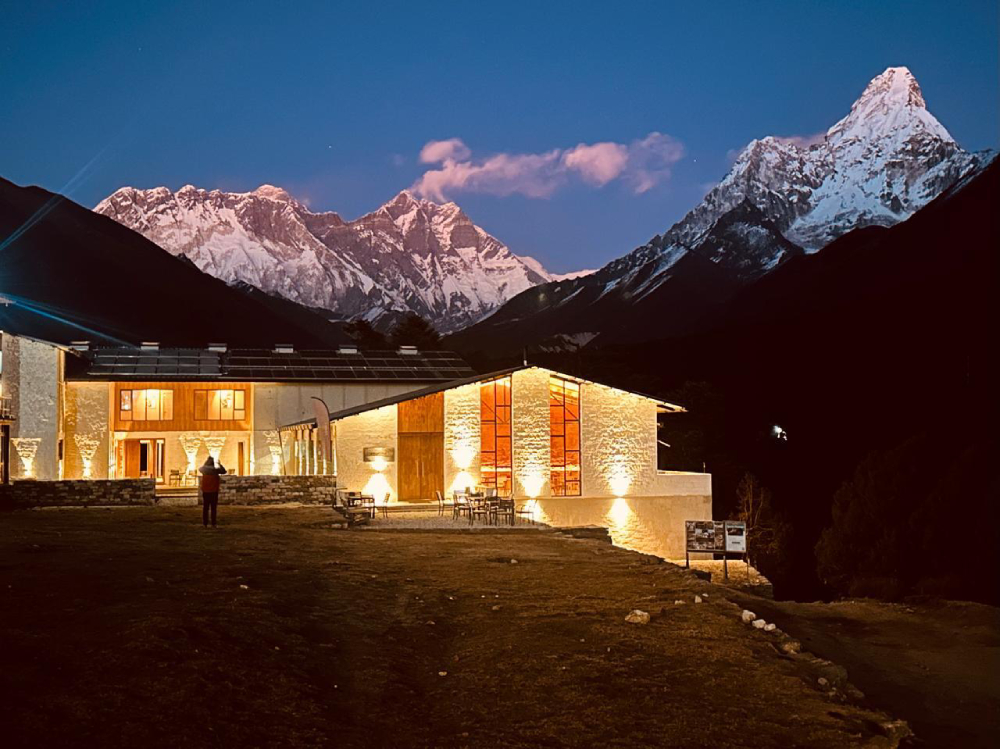
Here's where I'm direct: The Himalayan Luxury Lodge properties in Phakding and Tengboche are where I send people who are struggling with what they thought the trek would be.
Phakding sits at 2,610m—your first real night after arriving from Lukla. Most trekkers' bodies are still adjusting. Tengboche sits at 3,860m, which is the toughest acclimatisation night for most people. Both demand a lodge that understands this isn't a casual stopover.
These properties have low occupancy by design. They're not trying to maximise beds. What I've observed is operational care that feels personal without being intrusive. The guides know when to leave you alone. Tea arrives without asking. The room is warmer than it should be, and no one makes a fuss about it.
I've sat in the Tengboche dining room on nights when the lodge was quiet except for wind and distant prayer chants from the monastery. That silence doesn't happen by accident. It comes from places built to let people rest, not to impress them.
Why you're here:
Day one (Phakding)—facing jet lag and altitude shock, needing gentleness
Day four (Tengboche)—facing your toughest acclimatisation, needing support
You want rest that borders on therapeutic
Limitations: Smaller inventory, must book well in advance, and less corporate infrastructure than MLN.
Altitude consideration: Tengboche at 3,860m is high. We use it strategically—never earlier than day four, always with two acclimatisation nights in Namche first.
Hotel Everest View: A Strategic Day Stop, Not an Overnight Choice
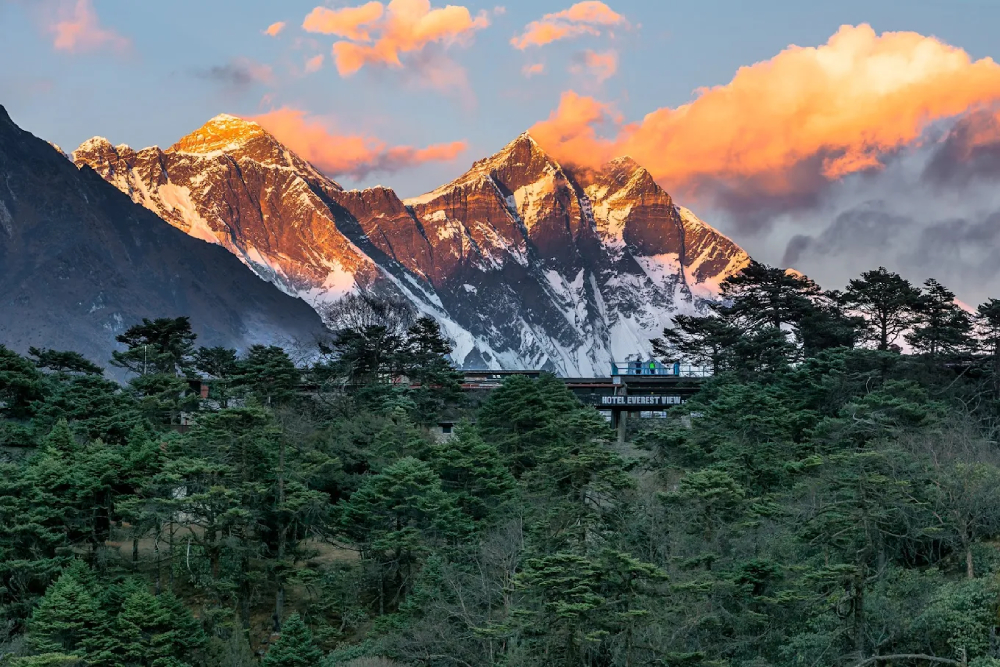
Let me say this once, clearly: don't sleep at Hotel Everest View on day one or day two at 3,880 meters. I don't care how good the beds are.
Hotel Everest View is the world's highest luxury hotel. The views are genuine—Mount Everest, Ama Dablam, and Lhotse are all visible simultaneously. The dining terrace is one of the most beautiful places I've eaten. But it's a tool with a specific purpose, not a primary overnight choice.
Here's how we use it: Lunch stop on day two or day three, when you're already sleeping at lower altitudes. You eat for two hours. You sit with the mountains. By then, the altitude difference becomes part of the experience, not a shock. You walk back down to your Namche lodge and sleep well because your body has already started adjusting.
Sleeping at 3,880m so early puts you at risk. Altitude sickness isn't romantic. I won't put you at risk for a photo.
When Hotel Everest View is appropriate
Day visit during Namche acclimatisation days (best use)
One-night stay only after three nights at sea level + two nights in Namche minimum
Our helicopter itinerary includes one night + acclimatisation day + departure (specialised safety protocol)
Explore: Everest Helicopter Tour with HEV Overnight
Lodge Comparison: What Each Property Actually Offers
| Lodge | Altitude | Heating | Staff Model | Occupancy | Best For |
|---|---|---|---|---|---|
| MLN | 2,610–3,860m | Electric blankets + room heaters | Sherpa-led, professional | 20–40 guests | Consistency & reliability |
| Everest Summit | 2,835–3,950m | Heated floors + stone insulation | Sherpa-led, intimate | 8–15 guests | Quietness & modern comfort |
| Himalayan Luxury | 2,610m & 3,860m | Stone walls + heated beds | Sherpa-led, attentive | 6–12 guests | Recovery & gentleness |
| Hotel Everest View | 3,880m | Room heaters + electric blankets | International + local | 12 rooms | Day visits + strategic nights |
How Lodge Selection Supports Your Climb: Day by Day
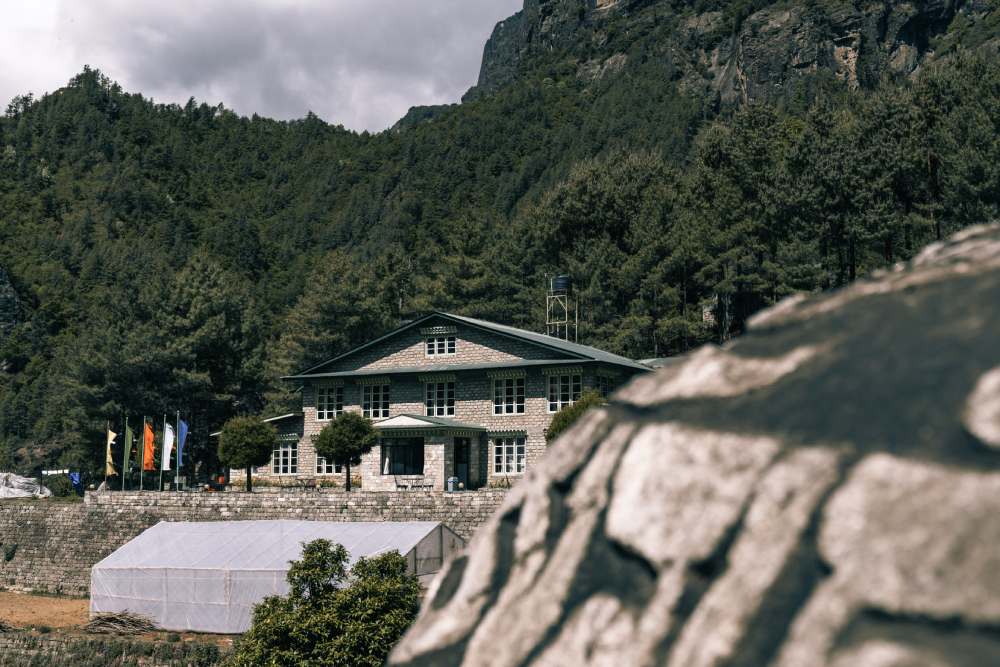
A well-designed lodge itinerary uses each property strategically. Here's what happens:
Day 1 (Phakding, 2,610m): Himalayan Luxury Lodge
- Jet lag is the worst. Your body needs warmth and gentleness.
- Early sleep is critical; a calm environment matters more than amenities.
Days 2–3 (Namche, 3,440m): Mountain Lodges of Nepal
- Two nights here is standard acclimatisation.
- You need consistency and reliability as your body adapts to 3,440m.
- MLN provides the professional infrastructure for back-to-back nights.
Day 4 (Monjo, 2,835m): Everest Summit Lodge (or MLN if Everest Summit unavailable)
- "Climb high, sleep low." You climb to Namche, sleep in Monjo to let your body recover.
- Everest Summit's quiet setting is ideal here.
Day 5 (Tengboche, 3,860m): Himalayan Luxury Lodge
- This is your toughest acclimatisation night.
- Spiritual atmosphere (monastery prayers at dawn) + operational care make this night transformative.
- Altitude is offset by psychological benefit and rest quality.
Days 6–10 (Dingboche, Gorakshep, Base Camp):
- From here, the focus shifts from comfort to endurance.
- MLN Dingboche is functional; Gorakshep is basic.
- You're past the acclimatisation crisis; now you're managing the final push.
The Authenticity Layer: Culture, Guides, and Small Moments
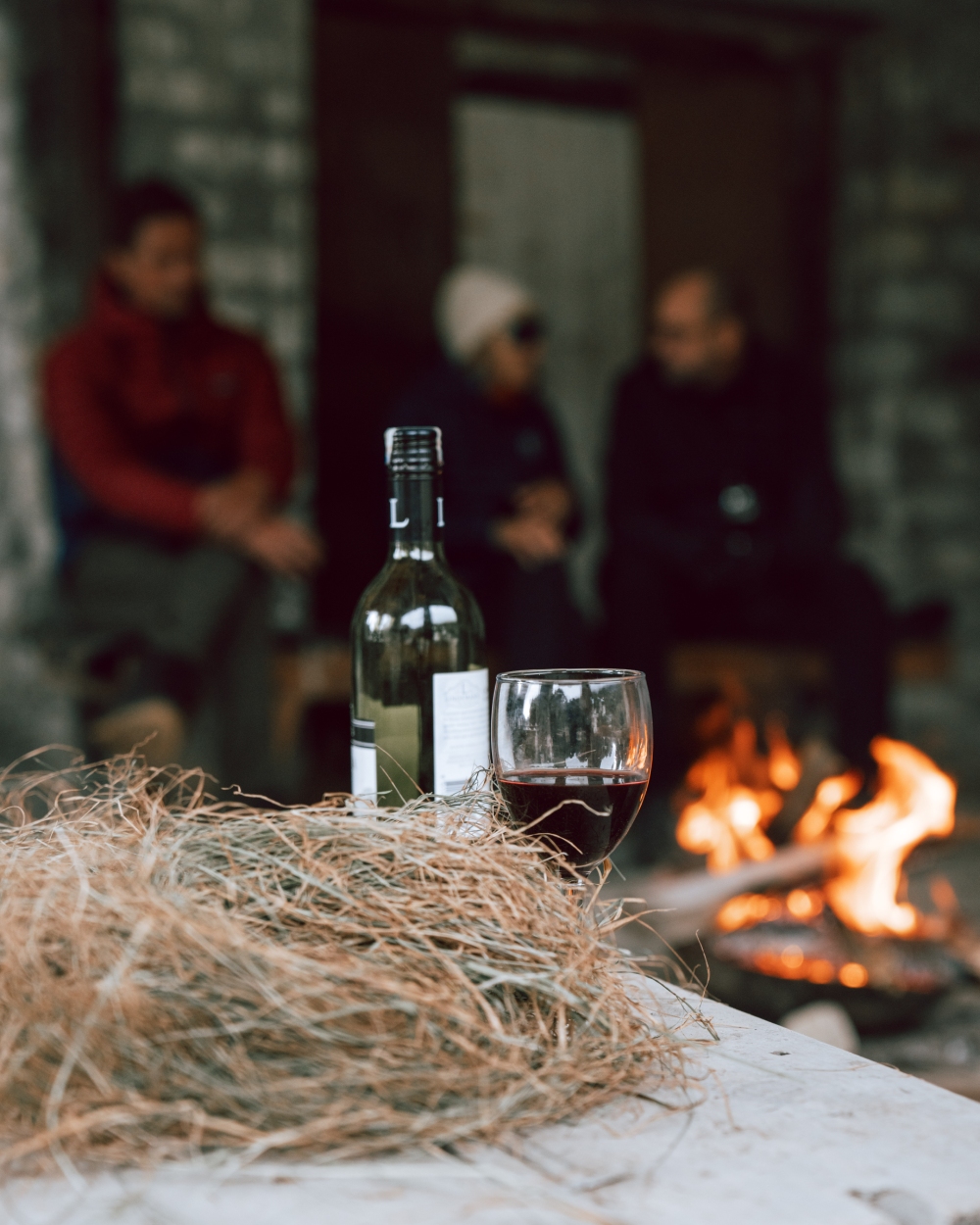
Luxury lodges in Khumbu are authentic to the place because they're rooted in three specific things:
- Location Intelligence: The best lodges sit intentionally away from the densest parts of town. Most tea houses cluster together, creating noise and constant foot traffic. Luxury lodges are separated. You can visit village life when you want, retreat when you need rest. This separation is designed, not isolation.
- Sherpa Operations & Staff:
Inside, operations are driven by local people. The staff is predominantly Sherpa. Their knowledge shapes service style. They have relationships with families in the surrounding villages. This isn't an imported management team from Kathmandu. For you, this means quieter evenings, better sleep, and a genuine sense of place. - Small Gestures That Reveal Everything
I've seen Sherpa porters arrange fruit plates in a way that shows they've understood your energy levels. I've watched lodge managers pre-warm rooms because they noticed you were cold the previous night. I've eaten meals prepared by chefs who understand that nutrition at 3,500m isn't optional. These moments don't happen in standard tea houses. They happen because people care about the outcome, not just the transaction.
FAQ: Choosing the Right Lodge for Your Everest Trek
What's the best luxury lodge on the Everest Base Camp Trek?
There's no single "best." MLN offers consistency and reliability; Everest Summit offers quietness and modern engineering; Himalayan Luxury Lodge offers recovery-focused care. We choose based on what your body needs on that specific night.
Which lodge is best for acclimatisation?
Mountain Lodges of Nepal in Namche (3,440m), where you sleep two nights to adjust before climbing higher. The infrastructure supports back-to-back nights without a decline in quality.
How high are the luxury lodges?
Phakding: 2,610m | Monjo: 2,835m | Namche: 3,440m | Tengboche: 3,860m | Hotel Everest View: 3,880m
Is it safe to sleep at Hotel Everest View on day one?
No. We use it as a lunch stop instead. Sleeping at 3,880m without prior acclimatisation increases altitude sickness risk significantly.
Do luxury lodges have hot water?
Yes. All properties recommended have reliable hot water systems designed for high altitude. In winter, pipes may freeze, but heating systems ensure a consistent supply.
What's the difference between a luxury lodge and a tea house?
Luxury lodges: heated rooms, reliable hot water, professional staff training, noise control, and consistent food safety. Tea houses: basic shelter, communal heating, family-run operations, and unpredictable service. The price difference reflects acclimatisation support, not just comfort.
Can you book multiple nights in the same lodge?
Yes, and we do. Two nights in Namche at MLN is standard for acclimatisation. Multiple nights improve sleep quality and allow your body to adapt.
How much do luxury lodges cost per night?
$80–150 per night (room only). All-inclusive treks with guides, food, and lodging run $8,500–12,000 for 14 days. Budget alternatives are $4,000–6,000.
Are guides included in lodge bookings?
No. Lodges are accommodation only. Guides are booked separately. We arrange both as part of your complete itinerary.
What's included in the room?
Private ensuite bathroom, heated bed, electric blanket, room heater, hot water, WiFi (limited in higher altitudes), and daily housekeeping.
Building Your Everest Itinerary: The Lodge Strategy
The real value of knowing these lodges is how to link them together. An experienced operator uses this network to support your climb in three ways:
- Prioritising Needs: We know when to choose a lodge for acclimatisation (MLN Namche) versus when to choose one for quietness (Everest Summit Monjo).
- Managing Altitude: We understand the terrain. Sleeping at a very high altitude too early destroys acclimatisation. Using Hotel Everest View as a day stop instead of overnight is the smarter choice.
- Matching Strengths: Each lodge has a specific strength. MLN's strength is consistency. Everest Summit is quiet. Himalayan Luxury Lodge's recovery care. We align these with what your body needs on day three versus day five.
When these elements work together, the lodges become more than just places to sleep. They become a support system for your entire climb.
Related Resources:
Want to understand the cost difference between luxury and budget treks?
Everest Base Camp in Luxury: What $10,000 vs $4,500 Actually Buys — Compare the complete experience, guide quality, and lodge standards side by side.
Looking for wellness integration on your trek?
Premium Lodges + Wellness Integration in two mountainous countries: Our Approach — How we combine yoga, meditation, and Sherpa hospitality into the experience. Also, you will be visiting Bhutan too. Meditate with monks and live farm walk.
How We Structure Your Everest Trek
The lodges above aren't just names on a booking—they're part of a complete system.
When you book with us, you're getting:
Pre-trek guide briefing: Your guide meets with you 3 days before departure. We align expectations, discuss altitude concerns, and plan daily adjustments.
Lodge pre-arrival communication: We notify each property of your specific needs (altitude sensitivity, dietary requirements, preferred room position).
Daily flexibility: If you're struggling on day three, we move to a lower altitude or add an acclimatisation day. The lodge system gives us room to adjust. We follow up after you return to understand what worked and refine future itineraries.
This level of care is only possible because we know these lodges deeply and have relationships with their management.
Final Thoughts: Comfort as a Tool, Not a Destination
The mountains demand respect, and comfort is your tool to handle that challenge. When you have realistic expectations and the right acclimatisation support, you don't just reach Base Camp—you transform.
A lodge isn't the experience. The mountains are. But the lodge is what lets you stay strong, sleep well, and show up for the climb each day.
Ready to book your Everest trek? Let's design an itinerary that pairs you with the right lodges at the right altitude stages.
Request Your Personalised 14-Day Itinerary — We'll send you a day-by-day breakdown with lodge placements, guide profiles, and cost details based on your travel dates.
Learn More About Our Everest Offerings:
Everest Base Camp Luxury Lodge Trek with Helicopter Return — 10 days
Everest Heritage Trail — 9 days (same lodges, different experience)
Everest Helicopter Tour with Hotel Everest View Overnight — 2 days